
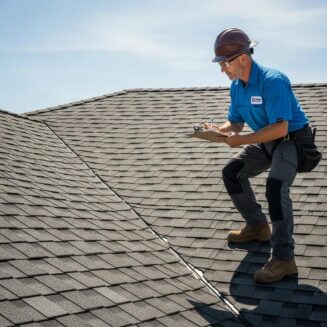
Shingle Roof Repair: How to Fix Common Asphalt Shingle Problems
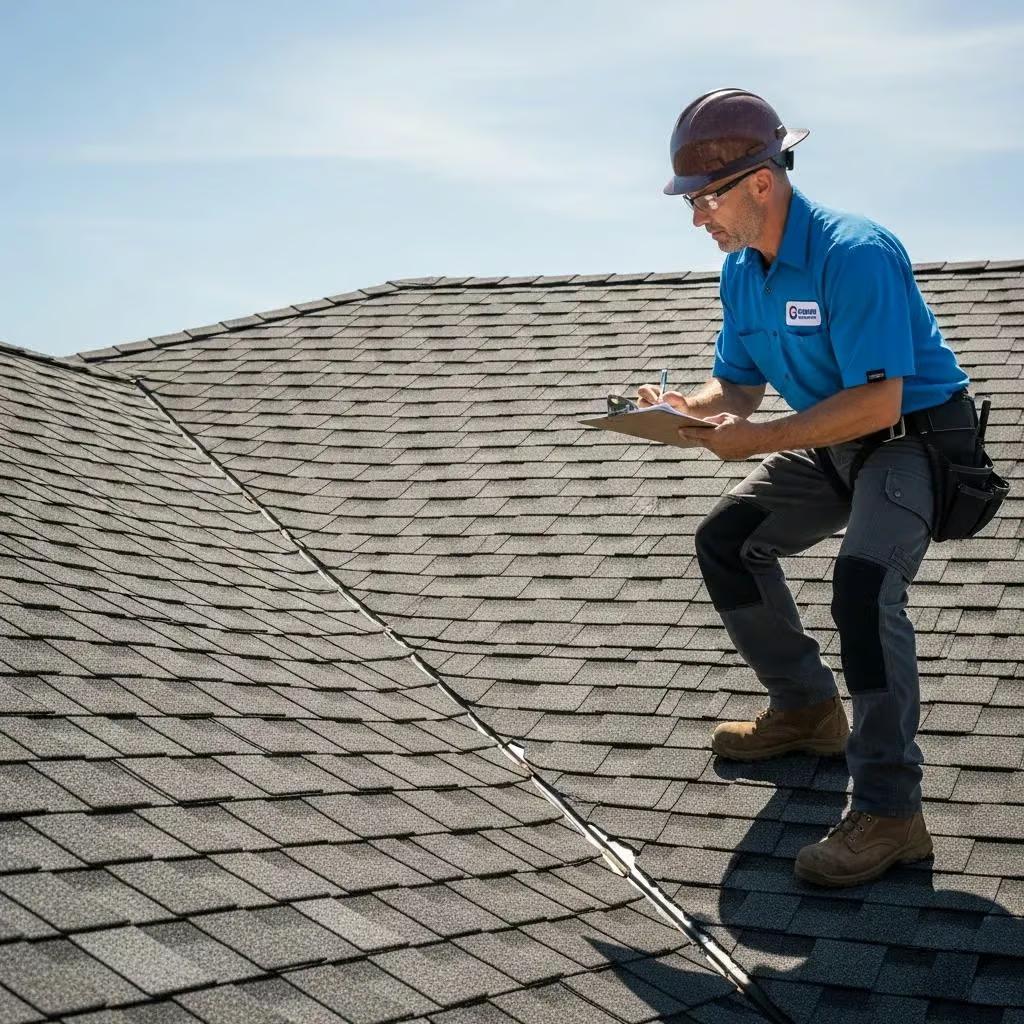
Shingle Roof Repair: Expert Solutions for Common Asphalt Shingle Problems
Asphalt shingles are a popular roofing choice for homeowners due to their affordability and durability. However, like any roofing material, they can encounter various issues over time. This article will explore common problems associated with asphalt shingles, such as curling, cracking, and missing shingles, and provide expert solutions for effective repair. Homeowners often face challenges in identifying these issues early, which can lead to more significant damage and costly repairs. By understanding the signs of shingle damage and knowing when to seek professional help, you can maintain the integrity of your roof and extend its lifespan. We will cover essential topics, including common shingle problems, repair costs, DIY versus professional repairs, inspection steps, and the importance of warranties and maintenance plans.
What Are the Most Common Asphalt Shingle Problems Homeowners Face?
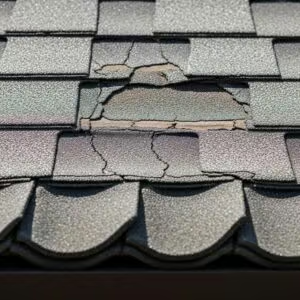
Homeowners frequently encounter several common issues with asphalt shingles that can compromise their roof’s integrity. Understanding these problems is crucial for timely repairs and maintaining a safe home environment.
- Curled Shingles: Curling often indicates poor ventilation or age, leading to potential leaks.
- Cracked Shingles: Cracking can result from extreme weather conditions or aging, which may allow water infiltration.
- Granule Loss: The loss of granules reduces UV protection, making shingles more susceptible to damage.
- Missing Shingles: Wind or storm damage can cause shingles to become loose or missing, exposing the roof to water damage.
Identifying these issues early can prevent more extensive damage and costly repairs down the line.
How Does Curling and Cracking Affect Asphalt Shingles?
Curling and cracking are significant indicators of shingle deterioration. Curling occurs when the edges of the shingles lift, often due to inadequate ventilation, aging, or improper installation. This condition can lead to water pooling and subsequent leaks, compromising the roof’s structural integrity. Cracked shingles can result from severe weather conditions, such as hail or high winds, as well as natural aging. These cracks can allow water to seep beneath the shingles, leading to mold growth and further damage to the roof and underlying structures. Addressing these issues promptly is essential to avoid extensive repairs and maintain a safe living environment.
Emerging research explores innovative methods to restore the integrity of aged asphalt shingles, offering new possibilities for extending their lifespan and performance.
Revitalizing Aged Asphalt Shingles: Soybean Oil for Durability & Crack Resistance
Here we report the revitalization of aged asphalt roofing shingles by applying semi-epoxidized soybean oil (SESO) as an aqueous emulsion. Key performance metrics were grit adhesion, flexibility, crack, hail, and flame resistance. The results suggest that SESO is effective in penetrating and reacting with asphalt in aged shingles, restoring many key aspects of shingle performance to those of new shingles. This strategy could support the circular economy by extending the service life of asphalt shingles.
Restoring Asphalt Shingle Integrity with Soybean Oil-Based Emulsions: A Case Study on Performance, Durability, and
Sustainability, B Kuehl, 2025
What Causes Missing or Damaged Shingles and How to Identify Them?
Missing or damaged shingles can arise from various factors, including severe weather, improper installation, or age. Wind damage is a common cause, particularly during storms, where strong gusts can dislodge shingles. Homeowners should regularly inspect their roofs for signs of missing shingles, such as granules in gutters or visible gaps in the roofing material. Additionally, checking for discoloration, warping, or broken shingles can help identify shingles that may be damaged but not yet missing. Early detection and repair can prevent leaks and further damage to the roof structure.
How Much Does Asphalt Roof Repair Typically Cost?
Understanding the costs associated with asphalt roof repair is essential for homeowners planning maintenance or repairs. The price can vary significantly based on the extent of the damage and the specific repairs needed.
- Basic Repairs: Typically range from $300 to $1,000, depending on the type of repair required, region, and contractor rates.
- Annual Maintenance Costs: Homeowners can expect to spend between $150 and $300 annually on maintenance and minor repairs.
These costs can fluctuate based on factors such as the roof’s size, the complexity of the repair, and local labor rates.
What Factors Influence Roof Leak Repair Cost Estimates?
Several factors can influence the cost of roof leak repairs. The primary consideration is the cause of the leak, as different issues require varying levels of intervention. For instance, a simple shingle replacement will generally be less expensive than addressing structural damage caused by prolonged leaks. Additionally, the height and complexity of the roof can increase labor costs, as more challenging access may require specialized equipment or additional labor. Homeowners should obtain multiple estimates to ensure they receive a fair price for the necessary repairs.
How to Budget for Damaged Shingle Replacement and Flashing Repairs?
When budgeting for shingle replacement and flashing repairs, homeowners should consider the following cost ranges:
- Shingle Replacement: Costs typically range from $350 to $900, depending on the number of shingles that need replacing and regional labor costs.
- Flashing Repairs: These repairs usually cost between $300 and $1,000, depending on the extent of the damage and the materials used.
Creating a budget that accounts for these potential expenses can help homeowners prepare for necessary repairs and avoid financial strain.
When Should You Choose Professional Roof Repair Over DIY Methods?
Deciding between professional roof repair and DIY methods can be challenging for homeowners. While some minor repairs may be manageable, others require professional expertise to ensure safety and effectiveness.
- Complex Repairs: Homeowners should opt for professional help when dealing with complex issues, such as significant leaks, widespread damage, or structural issues.
- Safety Concerns: If the repair involves working at heights or requires specialized equipment, hiring a professional is advisable.
Understanding the risks and benefits of each approach can help homeowners make informed decisions about their roof repairs.
What Are the Risks and Benefits of DIY Asphalt Shingle Repair?
DIY asphalt shingle repair can offer cost savings for homeowners willing to tackle minor issues. However, there are inherent risks involved.
- Inadequate Repairs: Without proper knowledge and experience, DIY repairs may lead to inadequate fixes that do not address the underlying issues, potentially causing further damage.
- Cost Savings: On the other hand, homeowners can save money on labor costs for minor repairs, such as replacing a few missing shingles.
Weighing these factors is crucial for homeowners considering DIY repairs versus hiring a professional.
How Do Expert Roofing Contractors Ensure Quality and Longevity?
Expert roofing contractors employ several methods to ensure the quality and longevity of roof repairs.
- High-Quality Materials: Professionals use high-quality materials that meet industry standards, ensuring durability and performance.
- Proper Installation Techniques: Contractors follow manufacturer guidelines and local building codes to ensure long-lasting repairs.
- Regular Maintenance Recommendations: They also recommend regular maintenance checks to identify potential issues before they escalate.
By understanding these practices, homeowners can appreciate the value of hiring professionals for their roofing needs.
What Are the Essential Steps in a Comprehensive Roof Inspection for Shingle Damage?
Conducting a thorough roof inspection is vital for identifying shingle damage and ensuring the roof’s longevity.
- Visual Examination: A comprehensive inspection begins with a visual examination of the roof’s surface for signs of damage, such as curling, granule loss, or missing shingles.
- Check Flashing and Seals: Inspect flashing around chimneys, vents, and skylights for signs of damage or deterioration.
- Use of Advanced Tools: Utilizing advanced tools, such as infrared cameras or moisture meters, can help detect hidden issues, such as moisture trapped beneath the shingles.
These steps are essential for maintaining the integrity of the roof and preventing costly repairs.
How to Detect Roof Flashing Issues and Prevent Leaks?
Detecting roof flashing issues is crucial for preventing leaks. Homeowners should regularly inspect flashing around chimneys, vents, and skylights for signs of damage or deterioration.
- Regular Inspections: Conducting regular inspections can help identify potential issues before they lead to leaks.
- Gutter Maintenance: Keeping gutters clean and free of debris is also essential, as clogged gutters can lead to water pooling and increased pressure on flashing.
By following these maintenance tips, homeowners can significantly reduce the risk of leaks and extend the life of their roofs.
What Maintenance Tips Extend the Life of Asphalt Shingles?
Proper maintenance is key to extending the life of asphalt shingles. Homeowners should consider the following tips:
- Regular Cleaning: Cleaning the roof regularly prevents moisture retention and the growth of moss or algae.
- Seasonal Inspections: Conducting seasonal inspections allows homeowners to catch potential issues early, ensuring timely repairs.
- Prompt Repairs: Address repairs quickly to avoid damage spreading, which can prolong the roof’s lifespan.
Implementing these maintenance practices can help homeowners protect their investment and prolong the lifespan of their roofs.
How Can Warranty and Maintenance Plans Protect Your Asphalt Roof Investment?
Warranties and maintenance plans play a crucial role in protecting your asphalt roof investment.
- Regular Maintenance: Many warranties require regular maintenance to remain valid, which can help extend the roof’s lifespan.
- Peace of Mind: Warranties provide peace of mind, knowing that repairs will be covered in case of material defects or installation errors.
Understanding the terms of these plans can help homeowners make informed decisions about their roofing investments.
What Coverage Do Typical Asphalt Shingle Repair Warranties Include?
Typical asphalt shingle repair warranties often cover material defects and may include labor coverage, depending on the provider.
- Material Defects: Most warranties cover defects in the shingles themselves, ensuring that homeowners are protected against manufacturing issues.
- Labor Coverage: Labor coverage varies by provider, so homeowners should carefully review warranty terms to understand what is included.
Being aware of warranty coverage can help homeowners navigate potential issues and ensure they are adequately protected.
How Regular Maintenance Reduces Long-Term Repair Costs?
Regular maintenance can significantly reduce long-term repair costs by preventing small issues from escalating into major problems.
- Early Detection: Routine inspections allow for early detection of potential issues, enabling timely repairs before they worsen.
- Cost Savings: By addressing minor repairs promptly, homeowners can save money in the long run, avoiding the need for extensive repairs or replacements.
Investing in regular maintenance is a proactive approach that can lead to substantial savings over time.


