

Residential Roof Repair: A Complete Guide for Homeowners
Residential Roof Repair: A Complete Guide for Homeowners to Ensure Reliable and Cost-Effective Solutions
Residential roof repair is a critical aspect of home maintenance that ensures the safety and longevity of your property. Homeowners often face challenges in identifying roof issues, understanding repair processes, and managing costs effectively. This comprehensive guide aims to equip you with the knowledge needed to navigate the complexities of residential roof repair, from recognizing common problems to selecting the right contractor. By addressing these concerns, you can make informed decisions that protect your investment and enhance your home’s value. In this article, we will explore how to identify roof damage, the step-by-step repair processes, cost factors, emergency repair situations, contractor selection, and essential maintenance tips.
How Can Homeowners Identify Common Roof Problems and Damage Signs?
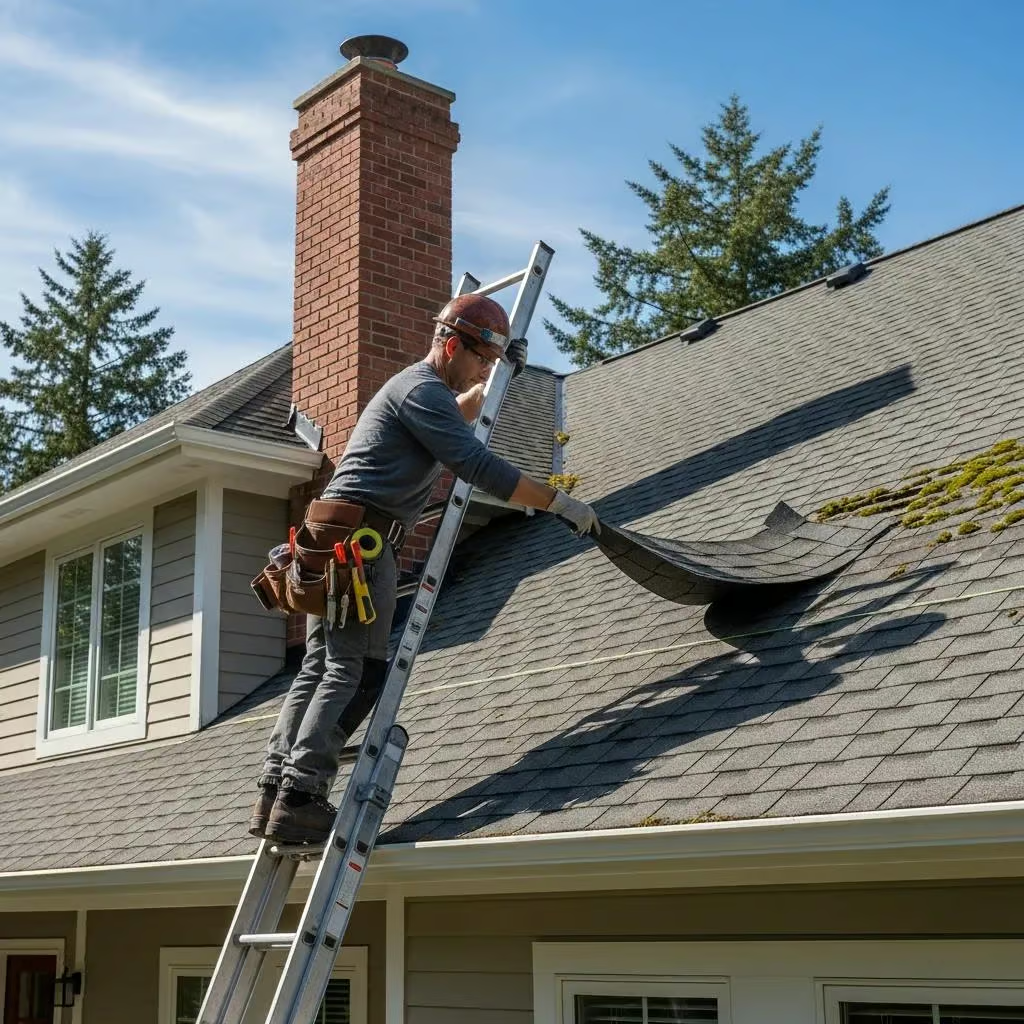
Identifying roof problems early can save homeowners significant time and money. Common signs of roof damage include visible water stains on ceilings or walls, missing or curled shingles, and granules accumulating in gutters. These indicators often suggest underlying issues that require immediate attention to prevent further damage.
To further enhance the accuracy and efficiency of identifying roof issues, systematic approaches to inspection and anomaly diagnosis have been developed.
Flat Roof Inspection & Anomaly Diagnosis Techniques
In this section, a classification system for techniques to diagnose anomalies in flat roofs is presented, followed by a correlation matrix, after the creation of the proposed system of inspection and diagnosis.
Survey of passive leak detection technologies for membrane roofing, 1994
What Are the Most Frequent Causes of Roof Leaks and Damage?
Several factors contribute to roof leaks and damage, including:
- Hail Damage: Dents and granule loss from hail can compromise the integrity of roofing materials.
- Degradation of Seams: Over time, seams can degrade, leading to leaks.
- Roof Penetrations: Areas around vents, chimneys, and skylights are common leak sources if not properly sealed.
Understanding these causes helps homeowners take proactive measures to protect their roofs.
How to Perform a Thorough Roof Inspection for Homeowners?
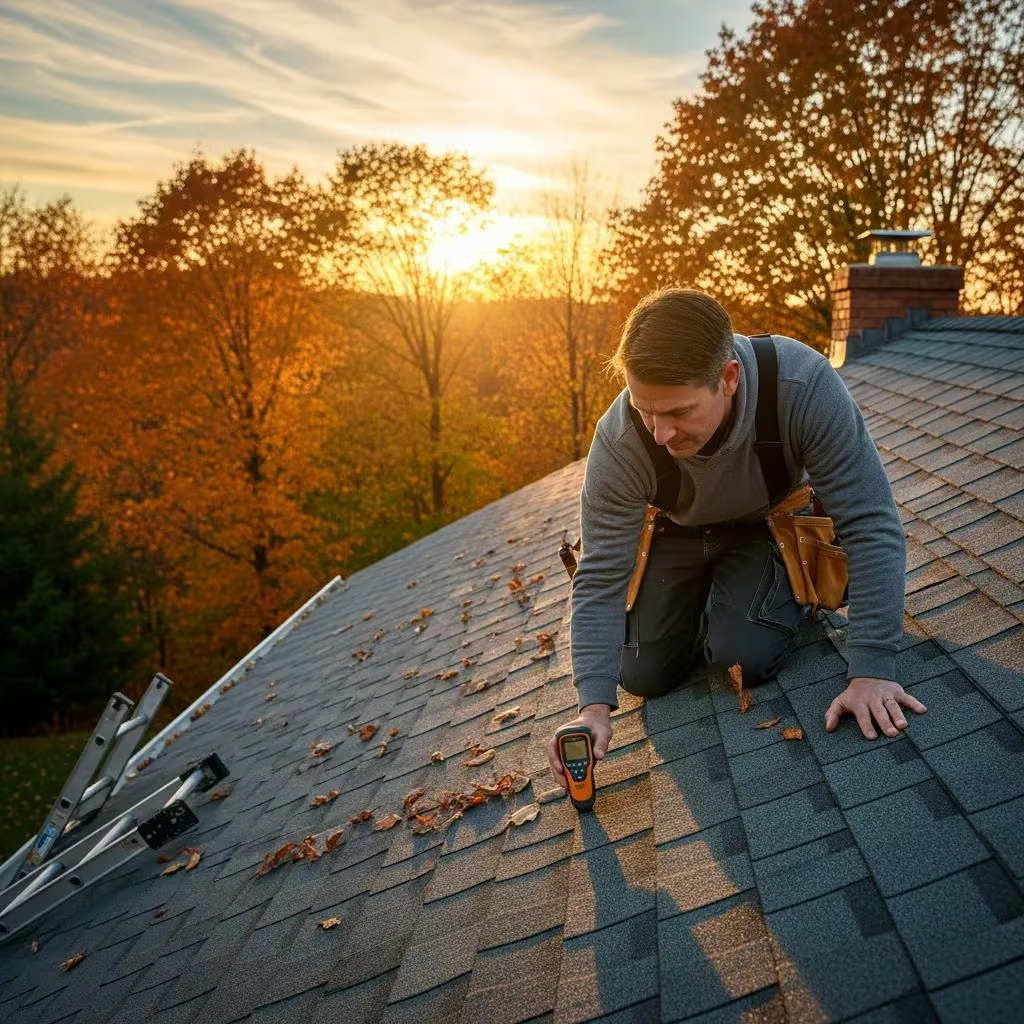
Conducting a thorough roof inspection involves several key steps:
- Visual Examination: Start with a visual inspection from both the ground and the roof to identify obvious issues.
- Detailed Shingle or Tile Inspection: Check for cracked, curled, or missing shingles or tiles, which can lead to leaks.
- Use of Diagnostic Tools: Employ tools like moisture meters to detect hidden leaks.
Regular inspections can help catch problems early, ensuring timely repairs.
The financial implications of undetected leaks underscore the value of advanced diagnostic methods, such as passive leak detection systems.
Passive Leak Detection for Residential Roofs: Cost Savings & Early Warning
The cost resulting from water damage to the roofing system, structure, and building contents that can occur between the time a leak begins and is located and repaired can be very high. A passive roof leak detection system PRLDS could help Army managers by providing early leak detection and could potentially reduce the Armys roofing maintenance budget.
Survey of passive leak detection technologies for membrane roofing, 1994
What Are the Step-by-Step Processes Involved in Residential Roof Repair?
The process of residential roof repair can be complex, but understanding the steps involved can simplify the experience for homeowners.
- Recognize Signs of Damage: Identify visible issues that require repair.
- Document the Damage: Take photos and notes to discuss with a contractor.
- Call a Trusted Roofing Contractor: Consult with professionals to assess the damage and recommend solutions.
How Does Roof Leak Repair and Roof Patching Services Work?
Roof leak repair typically involves several steps:
- Initial Consultation: A contractor will assess the roof and discuss the issues.
- Detailed Inspection: A thorough inspection identifies the source of the leak.
- Repair Options: Based on the inspection, the contractor will present repair options tailored to the damage.
This process ensures that repairs are effective and long-lasting.
What Are Effective Shingle Repair Techniques and Materials?
Shingle repair techniques vary based on the type of damage. Effective methods include:
- Replacement Shingles: Installing new shingles to replace damaged ones.
- Roofing Cement or Sealant: Using roofing cement or sealant to fix small leaks or secure flashing.
- Regular Inspection and Maintenance: Scheduling routine checks to catch issues early.
These techniques help maintain the roof’s integrity and extend its lifespan.
How Much Does Residential Roof Repair Cost and What Factors Influence Pricing?
Understanding the costs associated with residential roof repair is essential for homeowners. Various factors influence pricing, including the extent of damage, materials used, and labor costs.
What Is the Typical Shingle Repair Cost for Homeowners?
The typical cost for shingle repairs can vary widely based on the specific issues. For example:
- Missing Shingles: Repair costs can range from $150 to $400 depending on the number of shingles replaced.
- Other Types of Repairs: More extensive repairs, such as replacing entire sections, can cost significantly more.
How Do Roof Size, Damage Severity, and Material Type Affect Repair Estimates?
Several factors impact repair estimates:
- Roof Size: Larger roofs require more materials and labor, increasing costs.
- Damage Severity: More severe damage necessitates extensive repairs, raising the price.
- Material Type: Different roofing materials have varying costs, affecting overall repair expenses.
Understanding these factors can help homeowners budget effectively for repairs.
When Should Homeowners Opt for Emergency Roof Repair Services?
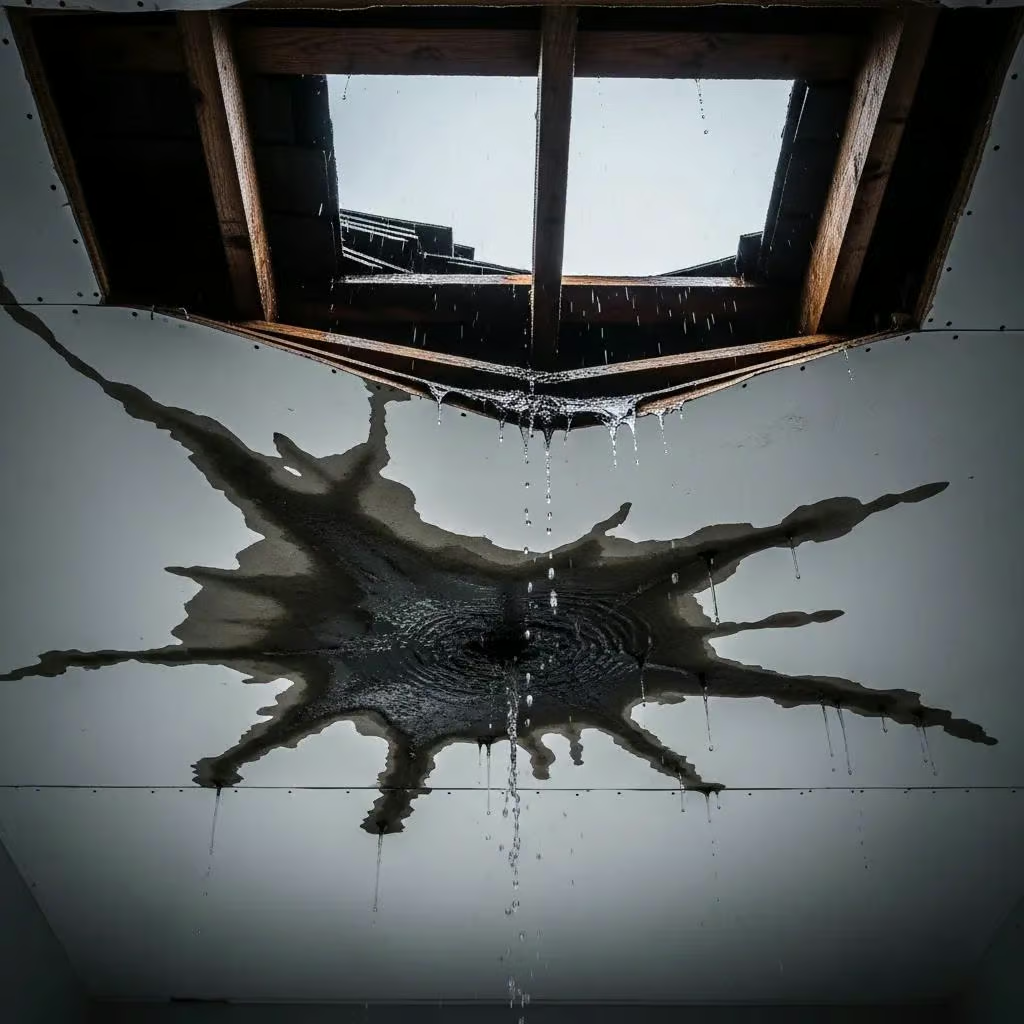
Emergency roof repairs are necessary in specific situations where immediate action is required to prevent further damage.
- Signs of Significant Storm Damage: After severe weather, inspect for visible damage.
- Importance of Prompt Repairs: Delaying repairs can lead to more extensive damage and higher costs.
- Documentation for Insurance Claims: Keep records of damage for potential insurance claims.
What Are the Signs That Require Immediate Roof Repair Attention?
Homeowners should be vigilant for signs that indicate the need for immediate repairs:
- Water Stains on Ceilings: Indicate potential leaks that need urgent attention.
- Missing or Curled Shingles: Can lead to further damage if not addressed quickly.
- Signs of Water Entering the House: Any indication of water intrusion should prompt immediate action.
How to Access Reliable Emergency Roof Repair Services from Trusted Contractors?
Finding reliable emergency repair services involves several steps:
- Research Local Roofing Companies: Look for companies with good reputations in your area.
- Check Licensing and Insurance: Ensure the contractor is properly licensed and insured.
- Get Written Estimates: Obtain detailed estimates to compare services and costs.
These steps can help homeowners secure trustworthy services during emergencies.
How to Choose the Right Roofing Contractor for Residential Roof Repair?
Selecting the right roofing contractor is crucial for successful repairs. Homeowners should consider several factors when making their choice.
- Check for Proper Licensing and Insurance: Verify that the contractor meets local regulations.
- Look for Local Experience: Contractors familiar with local building codes and weather conditions are preferable.
- Evaluate Communication and References: Good communication and positive references indicate reliability.
What Credentials and Certifications Should Homeowners Look For?
When evaluating contractors, homeowners should look for specific credentials:
- Licensed Contractors: Ensure the contractor holds the necessary licenses.
- Insurance Coverage: Verify that the contractor has liability insurance.
- Solid Warranty: A good warranty reflects the contractor’s confidence in their work.
These credentials can provide peace of mind and assurance of quality work.
How Can Consultation and Customer Reviews Inform Contractor Selection?
Consultations and customer reviews play a vital role in contractor selection:
- Engage in Phone Consultations: Discuss your needs and gauge the contractor’s responsiveness.
- Check Online Reviews: Look for feedback from previous clients to assess satisfaction levels.
- Assess Contractor’s Customer Service: Good customer service is indicative of a reliable contractor.
These steps can help homeowners make informed decisions when selecting a contractor.
What Are Essential Roof Maintenance Tips to Prolong Roof Life After Repair?
Proper maintenance is key to extending the life of a roof after repairs. Homeowners should adopt several best practices.
- Regular Inspections: Schedule annual inspections to catch potential issues early.
- Gutter Maintenance: Keep gutters clear to prevent water damage.
- Trimming Overhanging Branches: Prevent branches from damaging the roof during storms.
How Often Should Homeowners Schedule Roof Inspections and Maintenance?
Homeowners should aim to schedule roof inspections at least once a year, with additional checks after major storms. This proactive approach can help identify and address issues before they escalate.
What Are Best Practices for Preventing Future Roof Damage?
To prevent future roof damage, homeowners should follow these best practices:
- Regular Debris Removal: Keep the roof clear of leaves and debris to prevent moisture buildup.
- Proper Ventilation and Insulation: Ensure adequate ventilation to prevent heat buildup and ice dams.
- Prompt Repairs of Any Damage: Address any issues immediately to avoid further complications.
Implementing these practices can significantly enhance the longevity and performance of your roof.


