
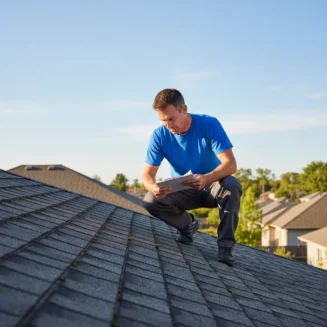
How to Diagnose and Repair Common Roof Leaks

How to Diagnose and Repair Common Roof Leaks
By Baker Roofing and Construction Editorial Team · Updated 2026-07-10
Roof leaks most commonly originate from damaged flashing, cracked shingles, clogged gutters, or deteriorated pipe boots. Baker Roofing and Construction in Dallas, TX recommends inspecting these four areas first, then sealing exposed nail heads, replacing missing shingles. Applying roofing cement around flashing joints to restore a watertight seal.
Roof leak diagnosis starts by tracing water stains back to their true source. Water travels along beams and behind walls before appearing on ceilings. The 10 most common causes include cracked flashing, missing shingles, clogged gutters, chimney damage. Poorly installed skylights — all of which lead to mold, rot, and costly structural failures if left unrepaired.
Roof leak diagnosis begins with understanding that water rarely drips directly below its entry point. It travels along beams and behind walls before appearing on ceilings. Common causes include damaged flashing, worn shingles, and failed seals. Baker Roofing and Construction offers free roof inspections, helping homeowners Discover Effective Roof Leak Repair Techniques Today before damage escalates.
Key Takeaways
Water travels along beams and walls, making the leak source deceptive to locate.
The 10 most common roof leak causes include broken shingles, cracked flashing, and clogged gutters.
Aging asphalt shingles lose petrochemical oils, causing brittleness and eventual water infiltration.
Baker Roofing and Construction in Dallas, TX diagnoses and repairs all common roof leak causes.
Water travels along beams and walls, making the leak source deceptive to locate.
The 10 most common roof leak causes include broken shingles, cracked flashing, and clogged gutters.
Aging asphalt shingles lose petrochemical oils, causing brittleness and eventual water infiltration.
Baker Roofing and Construction in Dallas, TX diagnoses and repairs all common roof leak causes.
What Do You Need Before Starting?
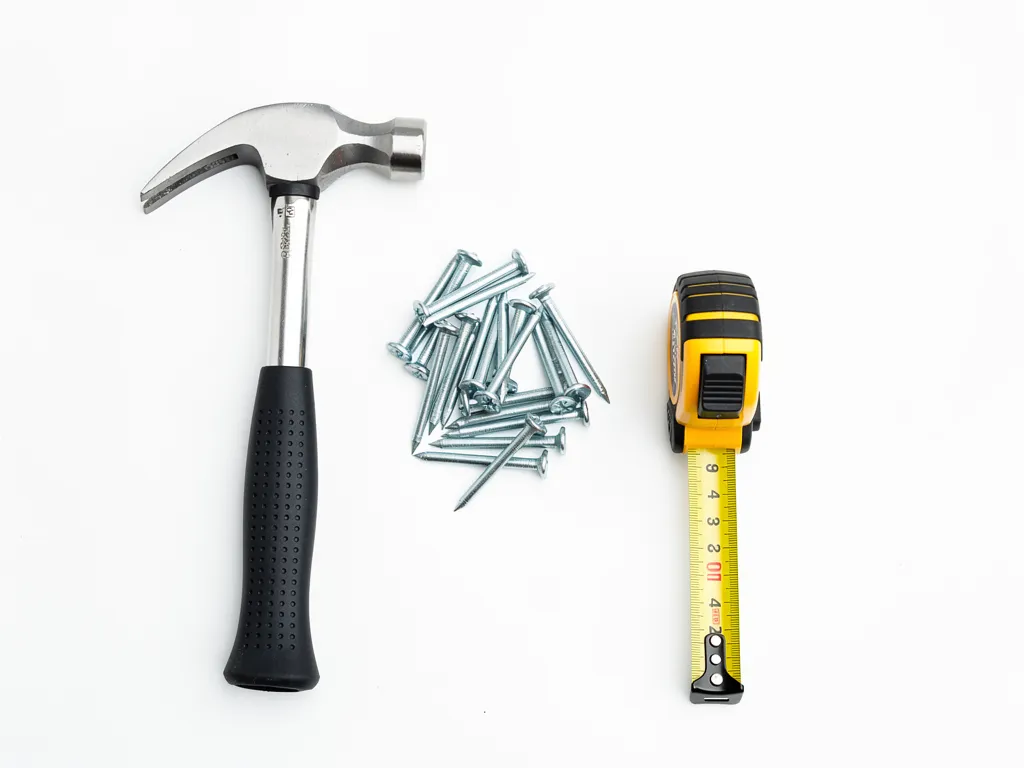
Successful roof leak diagnosis begins with two essentials: a clear understanding of how leaks develop. A professional inspection before any repair work starts. Skipping either step turns a manageable repair into a costly structural emergency.
Most roof leaks develop gradually as roofing materials deteriorate, weather conditions compromise vulnerable areas, and minor defects expand into serious problems. An unrepaired leak causes mold growth, water damage, and long-term structural failure — losses that far outweigh the cost of early intervention.
Why Does Early Detection Matter So Much?
Detecting a leak early limits the damage significantly. Baker Roofing & Construction offers free roof inspections, giving homeowners a professional assessment of leak severity before any roof leak repair work begins. Early diagnosis is the single most effective way to avoid escalating repair costs.
What Information Should Homeowners Gather Beforehand?
Before scheduling an inspection, homeowners benefit from collecting the following:
Document visible symptoms — note water stains, musty odors, or damp insulation inside the home.
Record the roof’s age and material type — this context helps identify common causes of roof leaks such as damaged shingles repair needs, roof flashing repair requirements, or a clogged gutters roof leak situation.
Note when symptoms first appeared — gradual onset versus sudden leaking points inspectors toward different root causes.
Compile prior repair records — previous work history helps professionals understand how to find a roof leak source accurately.
Document visible symptoms — note water stains, musty odors, or damp insulation inside the home.
Record the roof’s age and material type — this context helps identify common causes of roof leaks such as damaged shingles repair needs, roof flashing repair requirements, or a clogged gutters roof leak situation.
Note when symptoms first appeared — gradual onset versus sudden leaking points inspectors toward different root causes.
Compile prior repair records — previous work history helps professionals understand how to find a roof leak source accurately.
How Do You Find a Roof Leak?
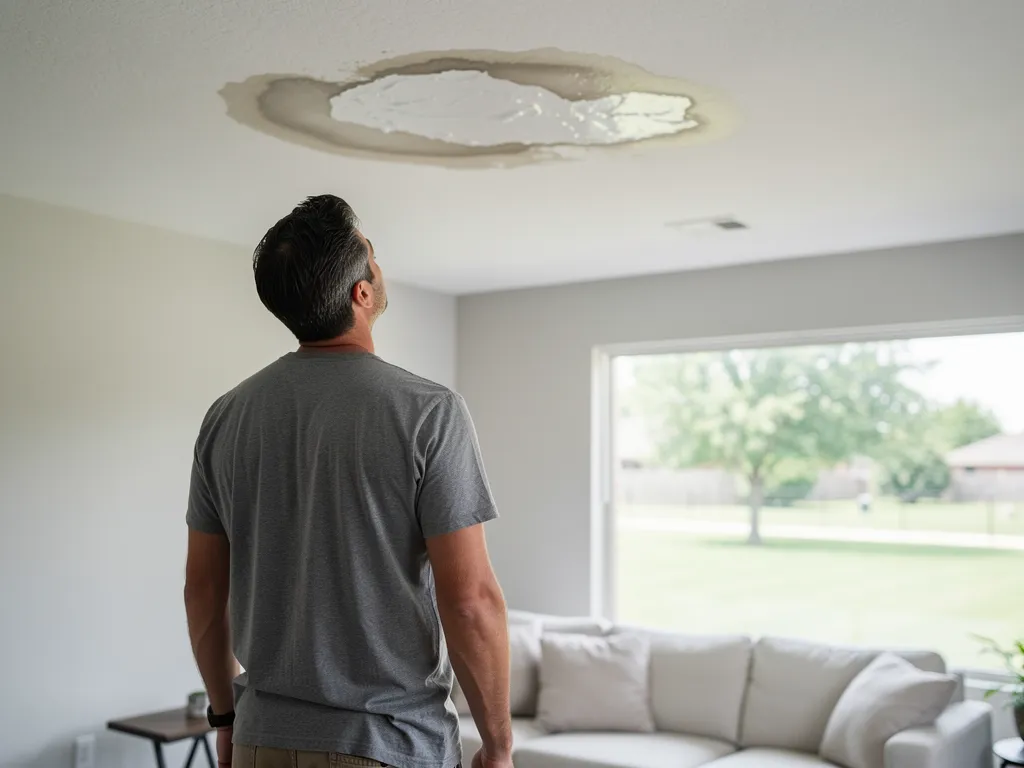
How to find a roof leak starts with a methodical inspection — both inside and outside the home — rather than a quick glance at the nearest water stain. Skipping a structured roof leak diagnosis turns a manageable repair into a costly structural failure.
The most critical mistake homeowners make is assuming the leak originates directly above the visible water stain. Water travels along roof beams and behind walls before appearing on a ceiling, meaning the actual entry point can be several feet away from the damage visible indoors. A methodical approach to leak cause determination separates a lasting roof leak repair from a temporary patch that fails within months.
What Are the Warning Signs of a Roof Leak?
Homeowners should inspect both the interior and exterior of the property for early indicators. Recognizing these symptoms before they escalate is the difference between a minor repair and an emergency restoration.
Warning signs include:
Ceiling discoloration or water stains in unexpected locations
Musty odors throughout living spaces, signaling trapped moisture
Water pooling in areas that should remain dry
Ceiling discoloration or water stains in unexpected locations
Musty odors throughout living spaces, signaling trapped moisture
Water pooling in areas that should remain dry
What Are the Most Common Causes of Roof Leaks?
Understanding the common causes of roof leaks directs inspectors to the right areas first. The most frequent culprits include:
**Shingle Roof Repair: How to Fix Common Asphalt Shingle Problems** — cracked, curling, or missing shingles expose the underlayment to water intrusion
Roof flashing repair requirements — cracked or improperly sealed flashing around chimneys, vents, and valleys allows water to penetrate
Clogged gutters roof leak risk — debris-blocked gutters force water back under the roofline, accelerating deterioration
**Shingle Roof Repair: How to Fix Common Asphalt Shingle Problems** — cracked, curling, or missing shingles expose the underlayment to water intrusion
Roof flashing repair requirements — cracked or improperly sealed flashing around chimneys, vents, and valleys allows water to penetrate
Clogged gutters roof leak risk — debris-blocked gutters force water back under the roofline, accelerating deterioration
Baker Roofing & Construction provides free roof inspections across the Dallas–Fort Worth Metroplex, giving property owners an accurate diagnosis before committing to any repair scope.
What Are the Most Common Causes?
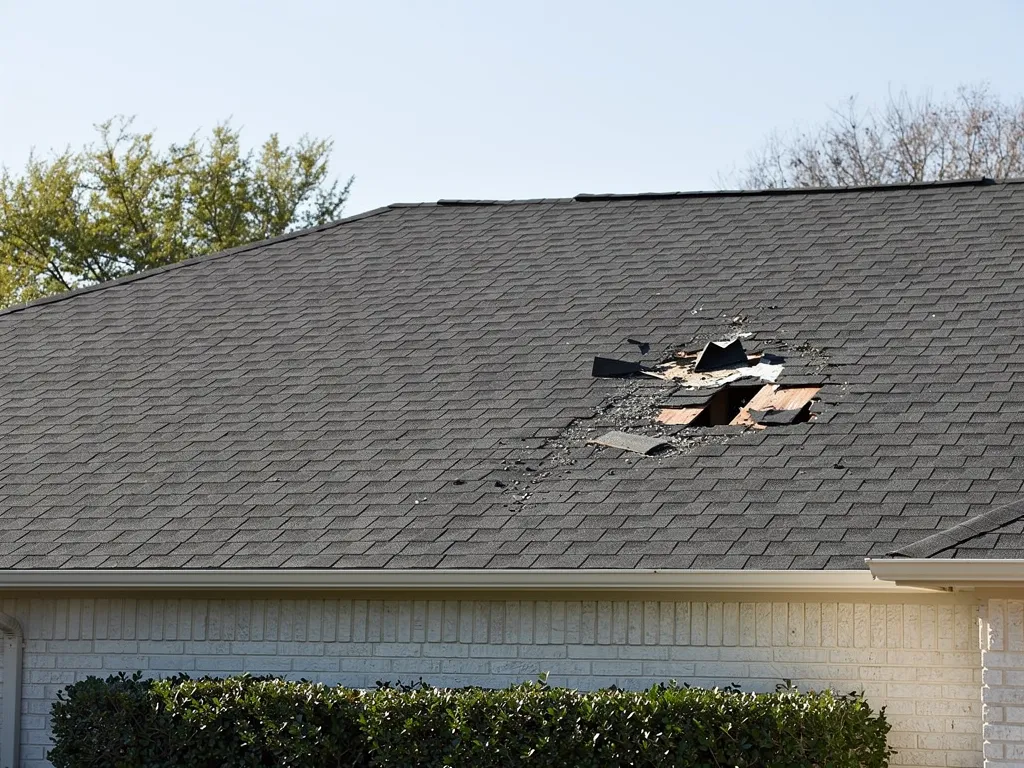
Common causes of roof leaks span ten distinct failure points, each capable of allowing water into a structure. Left unaddressed, every one of these failure points leads to mold growth, wood rot, and costly structural damage that far exceeds the original repair cost.
Roof leak diagnosis begins with understanding which failure point is at work. The ten most common culprits are:
Age-related wear and tear — aging asphalt shingles lose the petrochemical oils that keep them flexible, resulting in granule loss and cracks
Broken or missing shingles — a direct entry point for water after wind or impact events
Clogged gutters — a clogged gutters roof leak develops when backed-up water pools at the roofline and forces moisture under the edge
Chimney damage — deteriorating mortar and caps allow water to migrate downward
Roof vent problems — cracked boots or loose collars break the seal around penetrations
Holes from weather — storm debris punches through the surface layer
Attic condensation — trapped moisture mimics an active leak from above
Cracked flashing — roof flashing repair is required when the thin metal strips at joints and transitions separate or corrode
Improperly sealed valleys — open seams where two roof planes meet channel water inward
Poorly installed skylights — faulty perimeter seals allow steady infiltration
Age-related wear and tear — aging asphalt shingles lose the petrochemical oils that keep them flexible, resulting in granule loss and cracks
Broken or missing shingles — a direct entry point for water after wind or impact events
Clogged gutters — a clogged gutters roof leak develops when backed-up water pools at the roofline and forces moisture under the edge
Chimney damage — deteriorating mortar and caps allow water to migrate downward
Roof vent problems — cracked boots or loose collars break the seal around penetrations
Holes from weather — storm debris punches through the surface layer
Attic condensation — trapped moisture mimics an active leak from above
Cracked flashing — roof flashing repair is required when the thin metal strips at joints and transitions separate or corrode
Improperly sealed valleys — open seams where two roof planes meet channel water inward
Poorly installed skylights — faulty perimeter seals allow steady infiltration
Does granule loss always mean storm damage?
Excess granule loss on shingles signals either wind-blown debris or hail impact. Damaged shingles repair should be scheduled promptly. Bare asphalt beneath the granules degrades rapidly under UV exposure and accelerates the timeline to a full leak.
Are metal roofs immune to these problems?
Metal roofs resist many of the failures above, but roofing screws cause the majority of metal roof leaks. Each screw compresses a rubber washer to form a seal. When that washer fails, water enters directly through the fastener point. How to find a roof leak on a metal surface requires inspecting every screw penetration, not just the visible surface. Engaging Baker Roofing & Construction for a professional roof leak repair assessment ensures no fastener is overlooked.
How Do You Repair Each Leak Type?
Roof leak repair begins with accurate roof leak diagnosis — identifying the exact source before touching a single shingle or seam. Skipping diagnosis and patching the visible water stain wastes time, because water travels along rafters and behind walls before appearing on a ceiling.
Baker Roofing & Construction provides repair services covering the full spectrum of common causes of roof leaks, from shingle deterioration to flashing failures and storm damage. Unaddressed leaks escalate into mold growth, rot, and structural failure. Damage that costs far more to remediate than the original repair.
What Is the Step-by-Step Process for Repairing Each Leak Source?
Prerequisites: Confirm the roof is dry and safe to access. Gather replacement materials matched to the existing roofing system before beginning work.
Conduct a full roof leak diagnosis. Inspect the attic first, tracing water stains back toward the roof deck to locate the true entry point rather than the visible symptom.
Learn how to find a roof leak by checking the highest vulnerable points — pipe boots, ridge caps, and penetrations — before moving to field areas.
Perform damaged shingles repair. Remove cracked, curled, or missing shingles and replace them with manufacturer-matched material. Baker Roofing & Construction holds recognition as an Owens Corning Preferred Contractor and CertainTeed Master Shingle Applicator, credentials that directly support quality shingle replacement work.
Complete roof flashing repair. Re-seal or replace corroded and separated metal flashing at chimneys, skylights, and wall intersections, as failed flashing is among the most frequent entry points for water.
Clear a clogged gutters roof leak. Remove debris from gutters and downspouts, then inspect the fascia and soffit for water damage caused by backed-up overflow.
Address metal roof leaks with targeted methods. Few roofing materials match the strength and longevity of metal roofing, yet metal roof leaks still occur — most often at fastener points and seam separations. Baker Roofing & Construction’s membership in the Metal Roofing Alliance supports its capability to diagnose and repair these specific failure modes.
Activate storm damage restoration support. For leaks caused by severe weather, Baker Roofing & Construction provides comprehensive restoration services, including insurance claims support and water mitigation.
Conduct a full roof leak diagnosis. Inspect the attic first, tracing water stains back toward the roof deck to locate the true entry point rather than the visible symptom.
Learn how to find a roof leak by checking the highest vulnerable points — pipe boots, ridge caps, and penetrations — before moving to field areas.
Perform damaged shingles repair. Remove cracked, curled, or missing shingles and replace them with manufacturer-matched material. Baker Roofing & Construction holds recognition as an Owens Corning Preferred Contractor and CertainTeed Master Shingle Applicator, credentials that directly support quality shingle replacement work.
Complete roof flashing repair. Re-seal or replace corroded and separated metal flashing at chimneys, skylights, and wall intersections, as failed flashing is among the most frequent entry points for water.
Clear a clogged gutters roof leak. Remove debris from gutters and downspouts, then inspect the fascia and soffit for water damage caused by backed-up overflow.
Address metal roof leaks with targeted methods. Few roofing materials match the strength and longevity of metal roofing, yet metal roof leaks still occur — most often at fastener points and seam separations. Baker Roofing & Construction’s membership in the Metal Roofing Alliance supports its capability to diagnose and repair these specific failure modes.
Activate storm damage restoration support. For leaks caused by severe weather, Baker Roofing & Construction provides comprehensive restoration services, including insurance claims support and water mitigation.
When Should Homeowners Call a Professional Instead of Attempting DIY Repairs?
Structural deck damage, widespread flashing failure, and active water intrusion after a storm exceed safe DIY scope. Baker Roofing & Construction offers free roof inspections, giving property owners a professional assessment before committing to any repair path.
How Do You Prevent Future Roof Leaks?
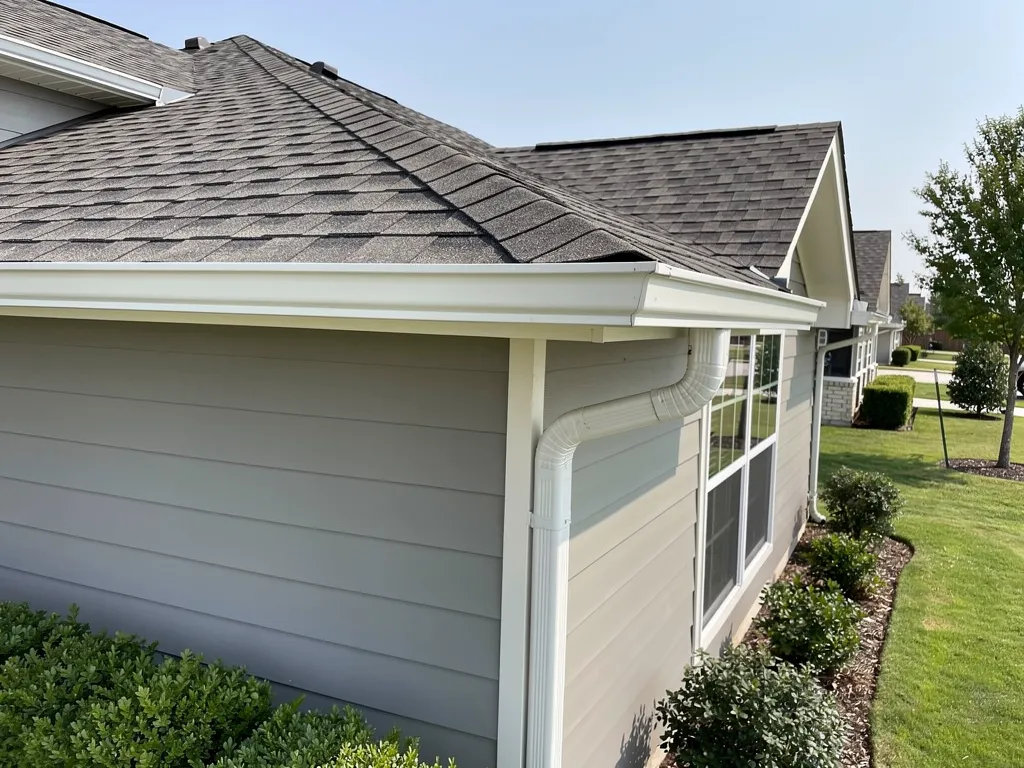
Preventing future roof leaks requires scheduled maintenance, prompt attention to early warning signs, and professional repairs backed by solid warranties. Skipping routine upkeep turns minor vulnerabilities into structural failures that cost far more to fix than to prevent.
Follow these steps to protect a roof long-term:
Schedule biannual inspections to catch common causes of roof leaks — including cracked flashing, missing shingles, and debris-clogged drainage — before water infiltrates.
Address damaged shingles repair immediately after any storm event.
Clear clogged gutters roof leak risks by cleaning gutters each spring and fall.
Seal and reinforce roof flashing repair points around chimneys, vents, and valleys annually.
Enroll in a commercial roof maintenance program for ongoing, scheduled upkeep.
Schedule biannual inspections to catch common causes of roof leaks — including cracked flashing, missing shingles, and debris-clogged drainage — before water infiltrates.
Address damaged shingles repair immediately after any storm event.
Clear clogged gutters roof leak risks by cleaning gutters each spring and fall.
Seal and reinforce roof flashing repair points around chimneys, vents, and valleys annually.
Enroll in a commercial roof maintenance program for ongoing, scheduled upkeep.
Why Does Early Detection Matter So Much?
Early roof leak diagnosis separates a straightforward repair from a costly emergency. Recognizing symptoms decisively limits damage to structure, insulation, and interior finishes.
What Assurance Do Property Owners Have After Repairs?
Baker Roofing & Construction holds an A+ rating with the Better Business Bureau. Delivers warranty-backed roof leak repair, providing property owners long-term confidence after every completed project.
Roof leaks rarely resolve themselves. The longer they go unaddressed, the greater the damage to your home’s structure, insulation, and interior finishes. By understanding the common culprits — deteriorated flashing, cracked shingles, failed sealants. Clogged drainage — you put yourself in a stronger position to act quickly and decisively. Whether you handle minor repairs yourself or call in a credentialed professional, early diagnosis remains your most powerful defense against costly, wide-scale restoration work.
FAQ
Why doesn’t the water stain show where the leak actually is?
Water travels along roof beams and behind walls before appearing on ceilings, placing the true entry point several feet away from visible indoor damage.
What causes most common roof leaks?
Damaged flashing, worn shingles, clogged gutters, chimney damage. Poorly installed skylights are among the 10 most common causes, all leading to mold, rot. Structural failure if left unrepaired.
Does Baker Roofing and Construction offer inspections before repair work starts?
Baker Roofing and Construction in Dallas, TX offers free roof inspections, giving homeowners a professional assessment of leak severity before any repair work begins.


