
Walk-In Shower Remodel Ideas and Costs: Comprehensive Guide to Custom Renovation and Budget Planning
Remodeling a walk-in shower can transform your bathroom into a luxurious retreat while enhancing functionality and accessibility. This comprehensive guide explores the latest design ideas, costs associated with custom renovations, and practical tips for budgeting effectively. Homeowners often face challenges in selecting the right features and materials that align with their vision and budget. By understanding the various aspects of walk-in shower remodels, you can make informed decisions that elevate your space. This article will cover the latest design trends, cost factors, recommended materials, installation processes, accessibility features, and the importance of waterproofing.
What Are the Latest Walk-In Shower Design Ideas and Trends?
The latest trends in walk-in shower designs emphasize both aesthetics and functionality, creating spaces that are not only beautiful but also practical. Modern walk-in showers often incorporate sleek lines, open layouts, and innovative features that enhance the overall bathing experience. Homeowners are increasingly opting for designs that reflect their personal style while maximizing space efficiency.
Which Modern Walk-In Shower Features Enhance Functionality and Style?
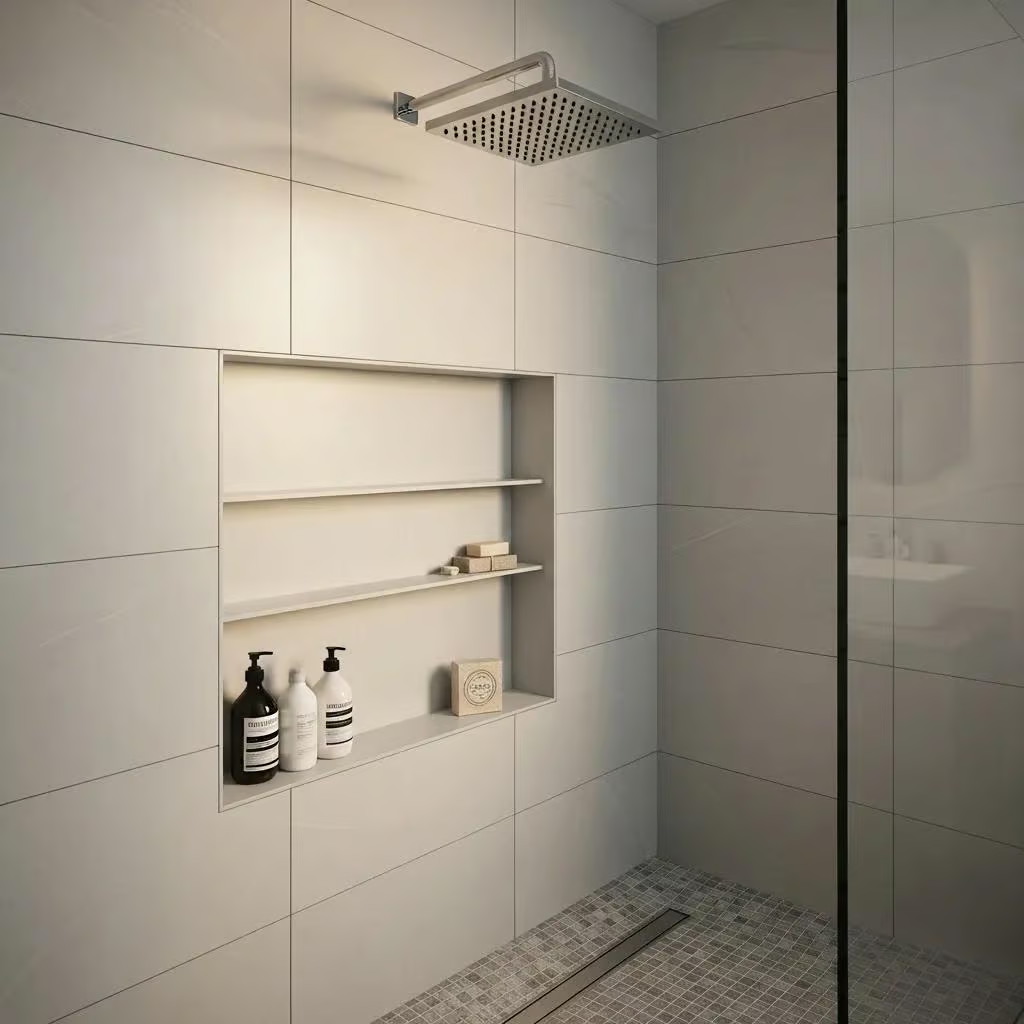
Several modern features can significantly enhance the functionality and style of walk-in showers:
- Rainfall Showerheads: These provide a luxurious shower experience, mimicking the sensation of standing in the rain.
- Built-in Shelving: This offers convenient storage for toiletries without cluttering the space.
- Non-slip Flooring: Essential for safety, these surfaces also come in various designs to complement the overall aesthetic.
Incorporating these features not only improves usability but also adds a touch of elegance to the bathroom.
How Do Frameless Glass Doors and Tile Choices Impact Shower Design?
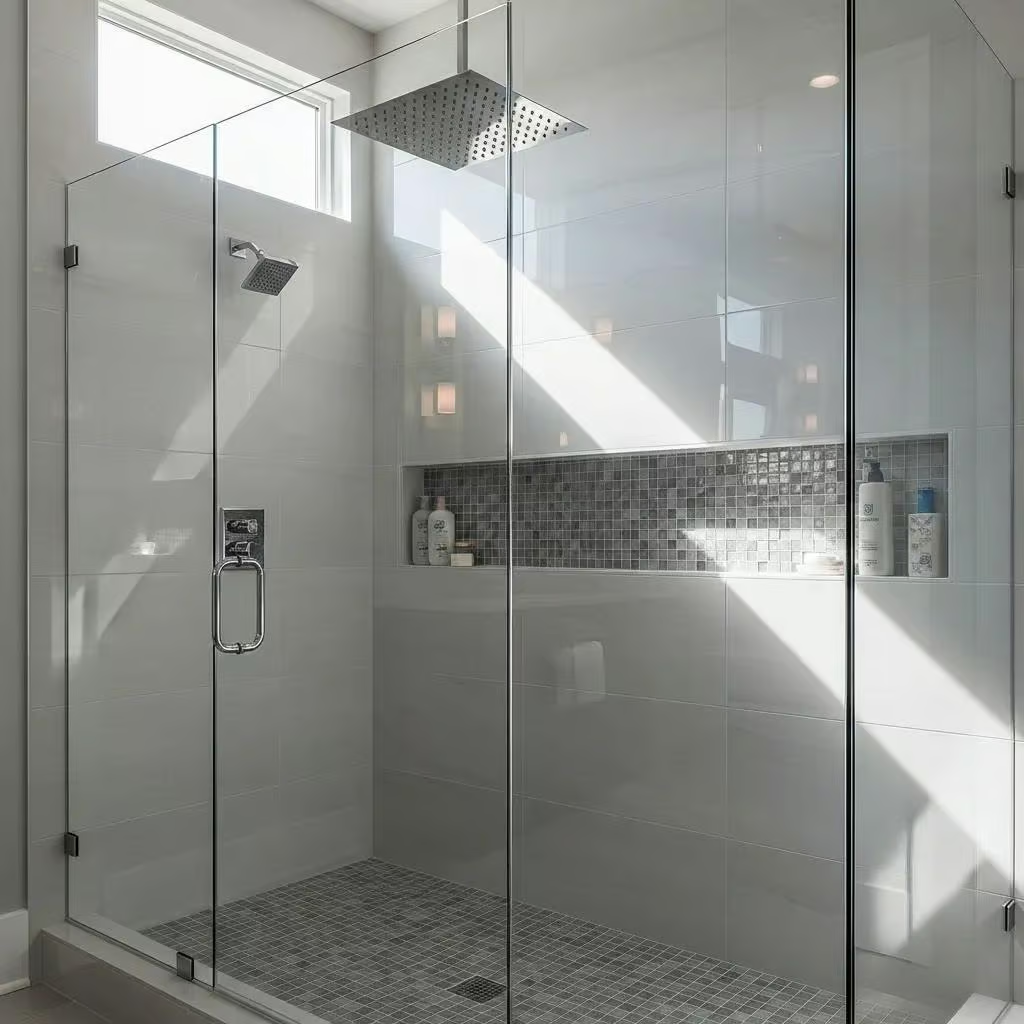
Frameless glass doors are a popular choice for walk-in showers, providing a seamless look that enhances the sense of space. They allow natural light to flow through, making the bathroom feel larger and more open. Tile choices also play a crucial role in shower design; large-format tiles can reduce grout lines, creating a sleek appearance, while textured tiles can add visual interest and improve safety.
How Much Does a Custom Shower Renovation Cost?
The cost of a custom shower renovation can vary widely based on several factors, including the size of the shower, the materials used, and the complexity of the design. On average, homeowners can expect to spend between $5,000 and $15,000 for a complete remodel, depending on their choices.
What Factors Influence Shower Remodeling Prices?
Several key factors influence the prices of shower remodeling services:
- Type of Bathroom: Master bathrooms typically incur higher costs due to larger sizes and more luxurious finishes.
- Quality of Finishes: High-end materials such as natural stone or custom cabinetry will increase overall costs.
- Size of the Bathroom: Larger spaces require more materials and labor, impacting the total price.
Understanding these factors can help homeowners make informed decisions when planning their remodel.
How to Budget for Affordable Shower Remodel Options?
Budgeting for a shower remodel involves careful planning and consideration of various elements:
- Identify Cost-Effective Materials: Look for alternatives to high-end materials that still offer durability and style.
- Plan for Unexpected Expenses: Set aside a contingency fund of 10-20% of your total budget to cover unforeseen costs.
- Get Multiple Quotes: Comparing estimates from different contractors can help you find the best value for your project.
By following these budgeting strategies, homeowners can achieve their desired remodel without overspending.
What Materials and Fixtures Are Best for Walk-In Shower Remodels?
Choosing the right materials and fixtures is crucial for a successful walk-in shower remodel. Durable and aesthetically pleasing options can enhance both the functionality and longevity of the shower.
Which Eco-Friendly and Durable Materials Are Recommended?
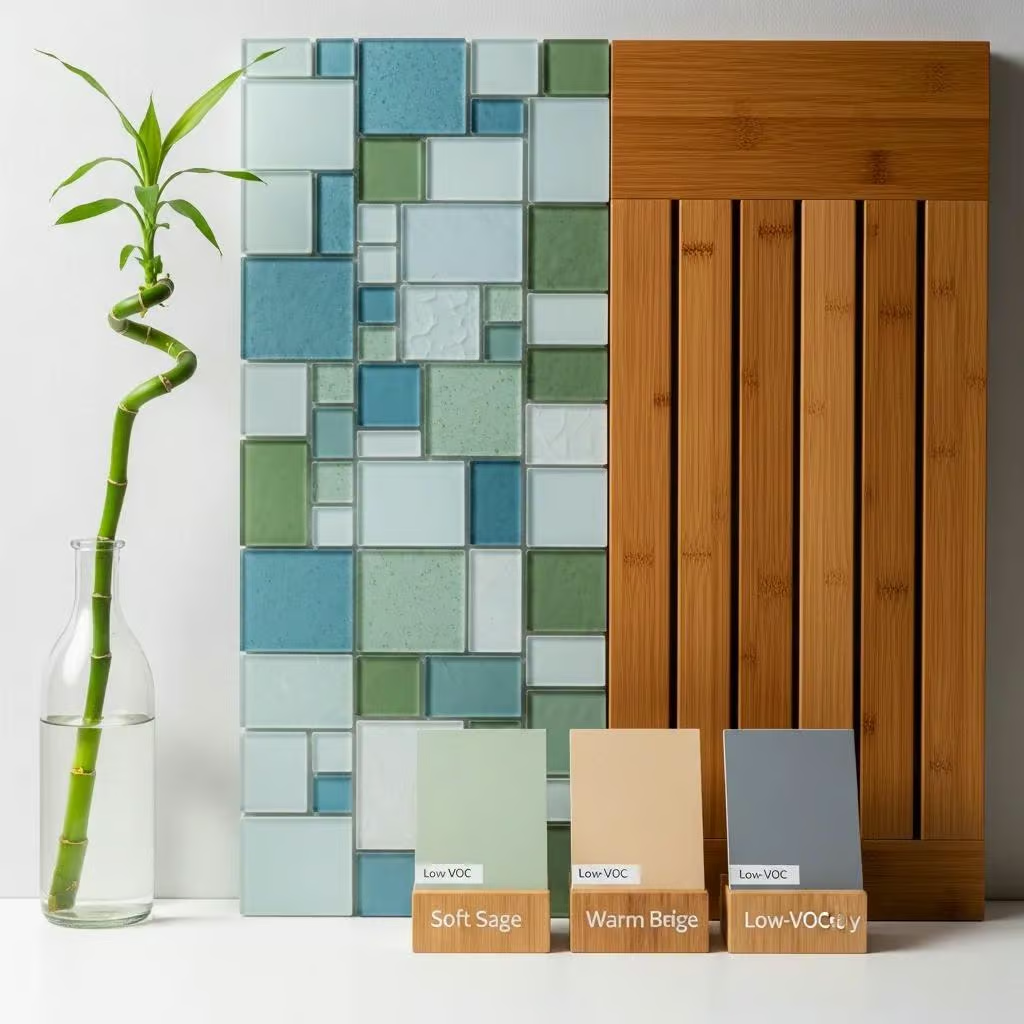
Eco-friendly materials are becoming increasingly popular in bathroom renovations. Some recommended options include:
- Recycled Glass Tiles: These provide a unique look while being environmentally friendly.
- Bamboo: A sustainable choice for cabinetry and shelving that is both stylish and durable.
- Low-VOC Paints: These paints improve indoor air quality while offering a variety of color options.
These materials not only contribute to a sustainable environment but also ensure that the shower remains stylish and functional.
How Do Shower Plumbing Upgrades Affect Installation and Cost?
Upgrading plumbing during a shower remodel can significantly impact both installation and costs. Proper plumbing is essential for ensuring that the shower functions correctly and efficiently.
- Cost Implications: Upgrading to modern plumbing fixtures can increase initial costs but may save money in the long run through improved water efficiency.
- Installation Challenges: Older plumbing systems may require additional work to accommodate new fixtures, which can extend the timeline and increase labor costs.
Homeowners should consider these factors when planning their remodel to avoid unexpected expenses.
What Is the Typical Installation Process and Timeline for Walk-In Shower Remodels?
Understanding the installation process and timeline for a walk-in shower remodel can help homeowners prepare for the project.
What Are the Step-by-Step Phases of Shower Remodeling?
The typical phases of shower remodeling include:
- Design Consultation: Discussing ideas and finalizing the design with a contractor.
- Demolition: Removing the existing shower and preparing the space for the new installation.
- Plumbing and Electrical Work: Upgrading plumbing and electrical systems as needed.
- Installation: Installing the new shower fixtures, tiles, and any additional features.
- Finishing Touches: Adding accessories and ensuring everything is functional.
Each phase is crucial for ensuring a successful remodel, and homeowners should work closely with their contractors throughout the process.
How Long Does a Walk-In Shower Remodel Usually Take?
The duration of a walk-in shower remodel can vary based on the complexity of the project. On average, homeowners can expect the process to take between 2 to 4 weeks. Factors that can affect the timeline include:
- Design Complexity: More intricate designs may require additional time for installation.
- Material Availability: Delays in obtaining specific materials can extend the project timeline.
- Contractor Schedule: The availability of the contractor can also impact how quickly the remodel can be completed.
Planning ahead and discussing timelines with contractors can help ensure a smooth remodeling experience.
How Can Accessibility and Safety Features Be Integrated into Shower Remodels?
Integrating accessibility and safety features into walk-in shower remodels is essential for creating a space that is usable for everyone, including those with mobility challenges.
What Are Popular Accessibility Options for Walk-In Showers?
Several accessibility options can enhance the usability of walk-in showers:
- Grab Bars: These provide support for individuals entering and exiting the shower.
- Bench Seating: A built-in bench allows users to sit while showering, improving safety and comfort.
- Zero-Threshold Entry: This design eliminates barriers, making it easier for individuals with mobility aids to access the shower.
Incorporating these features not only improves safety but also ensures compliance with accessibility standards.
How Do Safety Features Improve Shower Usability and Compliance?
Safety features are critical for enhancing shower usability and ensuring compliance with building codes.
- Non-Slip Surfaces: These reduce the risk of falls, making the shower safer for all users.
- Adjustable Showerheads: These allow users to customize the height and angle, accommodating different needs.
- Water Temperature Control: Anti-scald valves can prevent burns, providing an additional layer of safety.
By prioritizing safety in the design, homeowners can create a shower that is both functional and compliant with regulations.
Why Are Waterproofing and Structural Considerations Critical in Shower Remodels?
Waterproofing and structural integrity are paramount in shower remodels to prevent water damage and ensure the longevity of the installation.
How Does Roof and Bathroom Waterproofing Ensure Long-Term Durability?
Effective waterproofing is essential for protecting the structure from water damage.
- Prevention of Water Infiltration: Proper waterproofing materials prevent leaks that can lead to mold and structural damage.
- Cost Savings from Waterproofing: Investing in quality waterproofing can save homeowners from costly repairs in the future.
Ensuring that waterproofing is done correctly is a critical step in the remodeling process.
Further emphasizing the critical role of proper waterproofing, research highlights its importance in preventing common building defects and ensuring structural integrity.
Waterproofing Techniques: Cost, Durability & Installation
Water leakage or water seepage is one of the major causes of common building defects. Leakage leads to dampness, corrosion of metals, fungal growth and also affects the structural properties of concrete as well as damage beauty of the structure. It also has an adverse effect on human health by creating unpleasant condition. If water leakage can be prevented, almost 80% building defects can be eliminated. Thus, selecting the best method for waterproofing plays a vital role in the safety of the structure. In construction, a building or structure can be waterproofed with the use of membranes and coatings to protect contents as well as protecting structural integrity. Waterproofing can be categorized under traditional (tarfelt, Brick bat coba) and advanced (coatings, integral) waterproofing techniques. The objective of this study is to compare the different waterproofing techniques by considering factors such as cost, durability and ease of use. The findings of this study su
Comparative study of conventional and modern waterproofing techniques, AN Ghadge, 2016
What Structural Integrity Factors Should Be Addressed During Remodeling?
Addressing structural integrity during a remodel is crucial for ensuring the safety and durability of the shower. Key factors include:
- Overall Condition of the Structure: Assessing the existing framework to ensure it can support the new installation.
- Material Suitability for Remodeling: Choosing materials that are compatible with the existing structure to prevent future issues.
By focusing on these structural considerations, homeowners can ensure a successful and lasting shower remodel.


