

The Best Methods for Effective Roof Repair
Trusted, Practical Methods for Effective Roof Repair
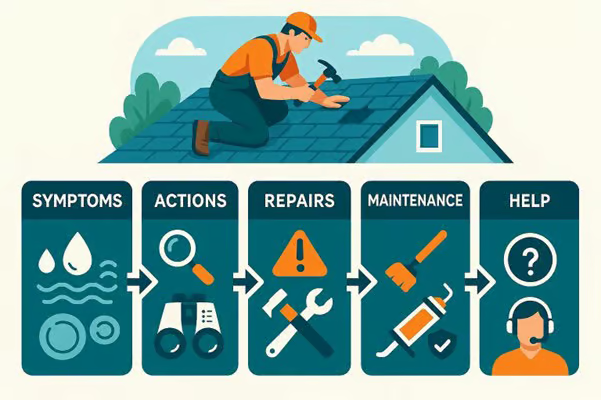
Baker Roofing professional inspecting a residential roof to assess repair needs and methods
Keeping a roof in good repair protects property value and prevents expensive damage. Whether you own a home or manage a commercial building, knowing the right repair methods, from leak detection to shingle replacement and flat roof fixes, helps you act before small problems become big ones. Below we outline proven techniques and maintenance routines that keep roofs performing season after season.
Top Roof Repair Techniques for Homes and Businesses
Certain repair approaches reliably address the most common roof problems. These include planned preventive maintenance, focused spot repairs, and full roof replacement when damage is extensive. Each option can be matched to roof type, condition, and budget to deliver the best long-term result.
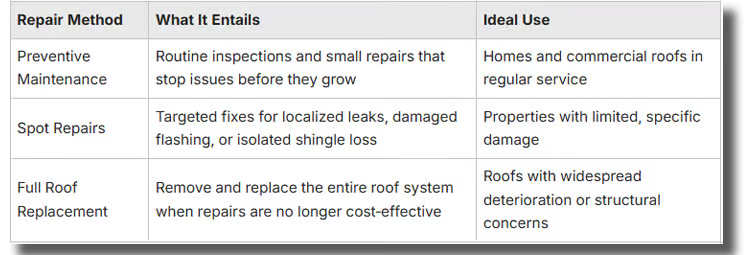
Repair Method What It Entails Ideal Use
Preventive Maintenance Routine inspections and small repairs that stop issues before they grow Homes and commercial roofs in regular service
Spot Repairs Targeted fixes for localized leaks, damaged flashing, or isolated shingle loss Properties with limited, specific damage
Full Roof Replacement Remove and replace the entire roof system when repairs are no longer cost‑effective Roofs with widespread deterioration or structural concerns
Baker Roofing and Construction delivers comprehensive repair services for both residential and commercial properties, pairing experienced crews with materials and plans chosen to match each customer’s needs.
How Roof Leak Detection Finds Problems Early
Technician using infrared thermography and moisture detection to locate roof leaks on a commercial building
Early leak detection saves money and prevents interior damage. Professional inspections use visual checks, moisture meters, and tools such as infrared cameras to find trapped moisture and hidden leaks. Clear documentation and timely repairs after detection keep small issues from becoming emergency replacements.
Best Practices for Shingle Replacement and Roof Patching
Roofer replacing asphalt shingles on a sloped roof following industry best practices
Shingle replacement and patching extend roof life when done correctly. Start with a full condition assessment, use compatible, high-quality materials, and follow manufacturer installation guidelines. Proper flashing, secure fastening, and correct sealing are the details that prevent repeat leaks.
How Regular Maintenance and Inspections Prevent Costly Repairs
Routine maintenance catches wear and tear before it becomes a major repair. Scheduled inspections let you address small issues like failing seals, blocked drains, or lost granules, which preserves performance and reduces long-term expenses.
Maintenance Tips to Prolong Asphalt Shingles and Flat Roofs
Keep these simple tasks on your maintenance checklist:
Clear Debris Regularly: Remove leaves and branches so water flows freely off the roof.
Keep Gutters Clean: Unblocked gutters prevent standing water and edge damage.
Schedule Seasonal Inspections: Inspect in spring and fall, and after storms, to spot problems early.
Following these steps can noticeably extend a roof’s usable life and reduce emergency repairs.

When to Schedule Professional Inspections for Commercial Roofs
Commercial roofs should be inspected at least twice a year—typically spring and fall—and after severe weather. If you notice missing materials, water stains, sagging, or standing water, call a commercial roofing professional promptly to assess and recommend repairs.
Commercial Roof Repair Solutions That Deliver Durability and Compliance
Effective commercial repairs prioritize durable materials and compliance with local codes and warranty requirements. A good program combines preventive maintenance, top-quality products, and skilled technicians to maximize roof lifespan and performance.
Best Methods for Repairing Flat Roofs on Commercial Buildings
Flat roofs need specific solutions to avoid water problems:
Install Proper Slope or Tapered Systems: Improve drainage to eliminate ponding water.
Apply Protective Roof Coatings: Coatings add a protective layer and can extend service life.
Repair Holes and Tears Quickly: Prompt patching preserves the membrane and prevents interior damage.
How Roofing Materials Shape Repair Strategies
Material choice affects repair methods, cost, and longevity. Single‑ply membranes such as TPO, EPDM, or PVC require different techniques than built‑up or modified bitumen systems. Knowing the roof’s construction guides the right repair approach and keeps warranties intact.
Best Roof Leak Repair Methods and Patching Practices
Fix leaks promptly to limit damage. Start by locating the leak source, apply temporary protections if needed, and schedule a full professional assessment to implement a permanent repair.
How to Patch Roof Leaks Correctly with Industry-Recommended Materials
Use these steps when patching leaks:
Find the Source: Trace water paths from inside the building and inspect the roof system to identify the entry point.
Choose Compatible Materials: Use products specified for the existing roof membrane or shingle type.
Keep Up Regular Checks: Frequent inspections help catch recurring issues before they worsen.
When Emergency Roof Repair Is Needed and What to Expect
Emergency repairs are required after major storm damage or when leaks threaten interiors. Document damage, protect affected areas, and arrange immediate temporary or permanent repairs to prevent further loss.
Frequently Asked Questions
What are the signs that my roof needs repair?
Look for visible leaks, missing or broken shingles, water stains on ceilings, sagging areas, and granule buildup in gutters. Excessive moss or algae can also signal trouble. Regular checks help you catch these signs early so fixes are smaller and less costly.
How often should I perform roof maintenance?
Plan maintenance at least twice a year—spring and fall—and after severe weather. Maintenance includes clearing debris, checking flashing and seals, and ensuring drains and gutters are working properly. This simple routine prevents many common failures.
Can I perform roof repairs myself, or should I hire a professional?
Minor tasks like clearing debris or replacing a small number of shingles can be DIY for experienced homeowners. For significant issues, complex materials, or work at height, hire a licensed professional. Proper repairs protect your property and maintain warranties.
What factors influence the cost of roof repairs?
Repair costs depend on damage severity, roof material, accessibility, and local labor rates. Additional factors include whether structural repairs or a full replacement are needed. Getting multiple estimates from reputable contractors helps you compare options.
How can I choose the right roofing contractor for repairs?
Choose a contractor with proper licensing, insurance, strong local references, and a clear written estimate and warranty. Review their past projects and ask specific questions about materials and timelines. A reputable contractor will communicate clearly and stand behind their work.
What should I do if I notice a roof leak during heavy rain?
Contain the leak by placing a bucket under the drip and move valuables away from the area. Avoid using electrical devices near the leak. After the storm, document the damage and contact a professional to assess and repair the roof promptly.
Conclusion
Effective roof repair combines timely detection, proper materials, and the right repair strategy. Preventive maintenance, targeted spot repairs, and professional inspections keep roofs performing longer and reduce overall costs. If you’re ready to protect your property, learn more about our services and get an expert assessment today.


