
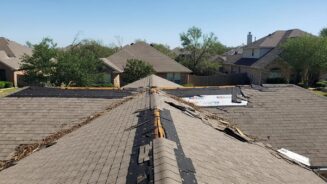
Texas Storm Damage Assessment: How to Identify Hidden Roof Damage
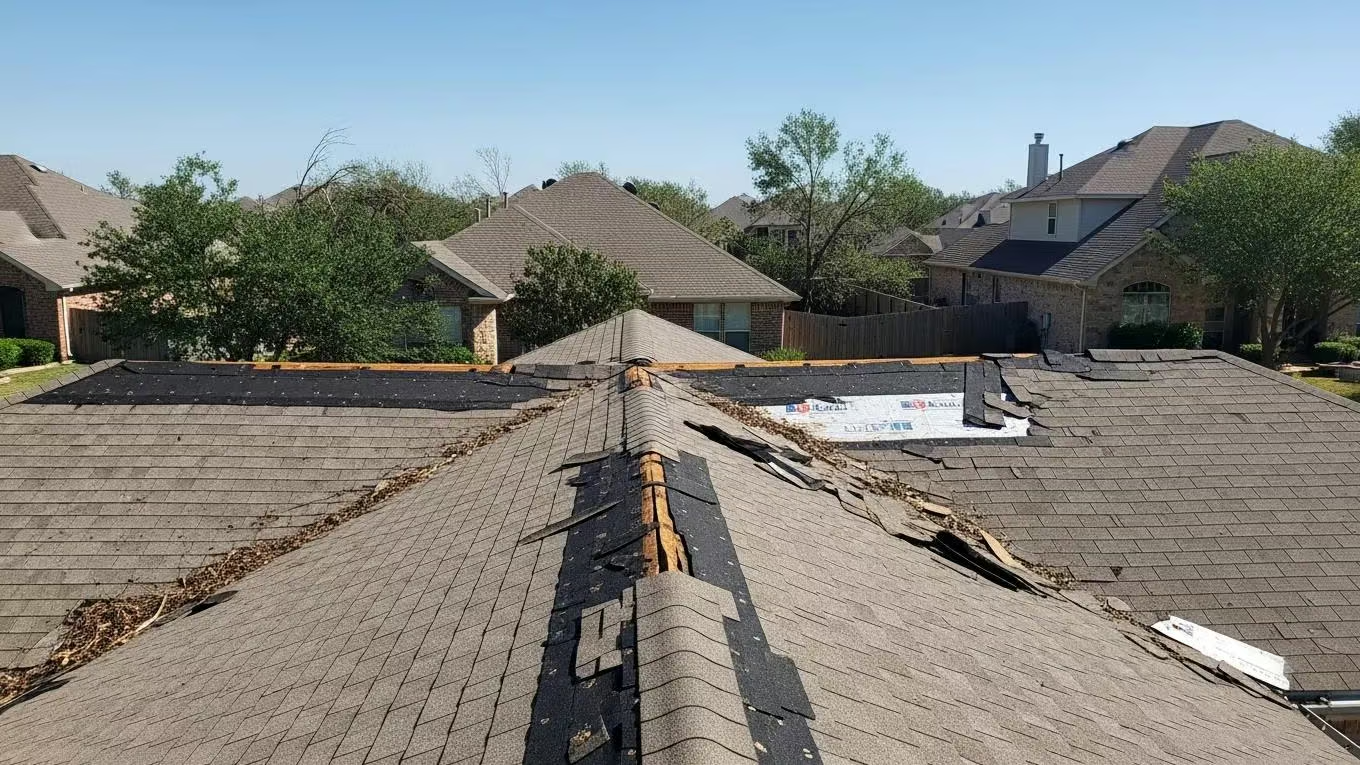
Texas Storm Damage Assessment: How to Identify Hidden Roof Damage
By Brandon McGee, Baker Roofing and Construction
Texas homeowners face unique challenges when it comes to storm damage, especially after severe weather events. Hidden roof damage can lead to costly repairs if not addressed promptly. This article discusses the importance of identifying such damage and provides insights on proper assessment methods, documentation requirements, and the claims process. Homeowners will learn how to effectively assess storm damage to protect their property and finances. We will explore assessment methods, common signs of hidden roof damage, and tips for preparing and submitting insurance claims.
Assessment Methods
Assessing storm damage is critical to maintaining the integrity of your home. Various methods exist to help identify issues that may not be immediately visible to the average homeowner. The most reliable methods include professional inspections and systematic documentation of any visible damage. Proper assessment not only ensures immediate repairs but also facilitates a smoother claims process with your insurance provider.
Professional Roof Inspection
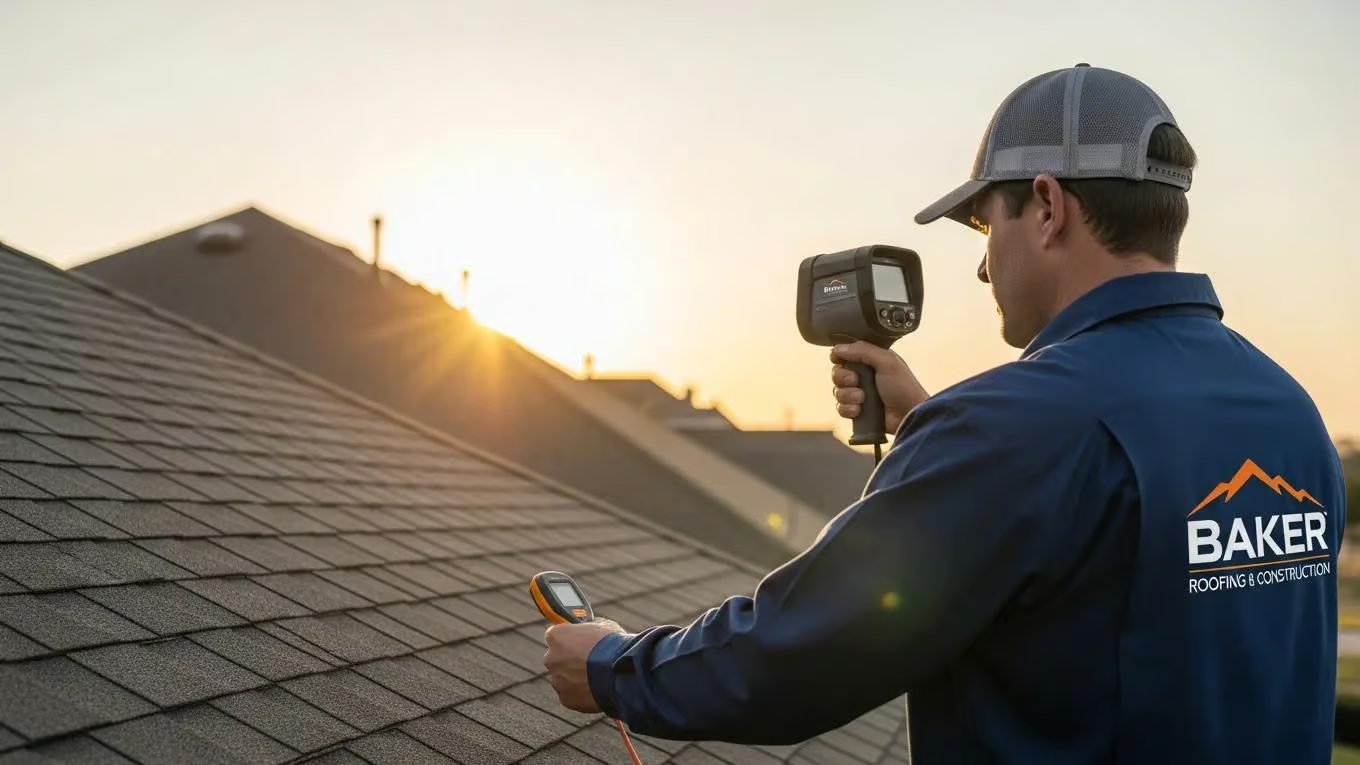
Hiring a licensed contractor for a thorough roof inspection is paramount after a storm. Professionals use specialized tools and technology to detect hidden damage that may not be apparent to homeowners. They assess factors such as the condition of shingles, flashing, and other roof components. Using infrared cameras and moisture meters can provide an accurate picture of areas affected by water intrusion, ensuring that no significant issues are overlooked.
Documenting Damage
Documenting the extent of storm damage plays a critical role in both assessment and insurance claims. Homeowners should take the following steps to effectively document damage:
- Take Photographs: Capture clear images of visible damage, including close-ups and wide-angle shots.
- Create an Inventory of Damage: List all damaged items such as roofing materials and structural components along with their estimated costs for repair or replacement.
This systematic documentation lays the groundwork for a more successful claims submission, ensuring that all details are captured accurately.
Comprehensive Roofing Inspections for Insurance & Hidden Damage
People shopping for property insurance or attempting to determine the condition of the roof structure may also benefit. If no trauma is evident, then an exploratory inspection is required when roof trauma is not obvious. Once you have identified key issues, you will have to document your findings. Comprehensive Roofing Inspections: A Service to Clients, 2022
Documentation Requirements
Insurance claims often require specific documentation to ensure a smooth process. The following documents are typically necessary for homeowners after storm damage:
- Photo Evidence: Clear images of the damage are essential for substantiating claims.
- Professional Inspection Report: A detailed report from a roofing contractor outlining the extent of damage.
- Inventory List: List of damaged items, including their estimated repair costs.
Understanding these documentation requirements can streamline the claims process, enabling homeowners to recover costs related to repairs efficiently.
Overview of the Claims Process
Navigating the insurance claims process can be daunting, especially after experiencing storm damage. Homeowners should follow these key steps:
- Contact Your Insurer: Report the damage as soon as possible and understand your policy’s coverage limits.
- Document the Damage: Ensure you have all necessary documentation and records ready for submission.
- File the Claim: Submit your claim through your insurer’s designated method, attaching all supporting documentation.
By understanding the claims process, homeowners can ensure they receive the benefits their insurance policy provides without unnecessary delays.
Future Preparations
Preparing for future storms is crucial in mitigating potential damage. Homeowners can take preventative measures such as:
- Reinforcing Roofs: Consider using impact-resistant materials that can withstand severe weather conditions.
- Improving Drainage: Upgrade gutters and downspouts to improve water management around the home.
By taking these proactive measures, homeowners can reduce the risk of severe damage during future storms.
What Are the Common Signs of Hidden Roof Damage After a Texas Storm?
Recognizing the common signs of hidden roof damage is vital for any homeowner in Texas. These signs can often be subtle and require a keen eye. Some indicators include:
- Missing or Cracked Shingles: Shingles that are missing, cracked, or curled can expose the roof to moisture, leading to further issues.
- Granule Loss: Finding granules in gutters or downspouts indicates that shingles are deteriorating and may need replacement.
- Water Stains on Ceilings: If water stains appear indoors, particularly after storms, it can signify leaking from the roof.
By being vigilant for these signs, homeowners can address issues before they escalate into more significant problems.
Which Types of Storm Damage Often Go Undetected by Homeowners?
Several types of storm damage often go unnoticed by homeowners, leading to costly repairs later. Common forms of unnoticed damage include:
- Hail Damage: Small dents and bruises on shingles may not be visible but can compromise their integrity.
- Granule Loss: This often occurs with aging shingles and can reduce their effectiveness at protecting against water intrusion.
- Structural Weaknesses: Damage to roof decking or flashing may not show outward signs but can result in serious leaks and structural issues over time.
Regular inspections and awareness can help mitigate these hidden dangers following severe weather events.
How to Recognize Hail, Wind, and Water Intrusion Damage on Roofs
Understanding how to identify specific types of storm damage is essential for effective roof maintenance. Here are ways to recognize different damages:
- Hail Damage Indicators: Look for dimples or indentations on shingles. Inspect for pieces of shingles that may have broken off during a hailstorm.
- Wind Damage Signs: Check for missing shingles or detached flashing that may have been blown away by strong winds.
- Water Intrusion Signs: Signs such as staining on walls or ceilings indicate that water may be seeping through the roof due to compromised integrity.
By recognizing these signs early, homeowners can act swiftly to address the issues before they worsen.
How Does Baker Roofing Company Conduct a Professional Roof Storm Damage Inspection?
Baker Roofing Company employs a thorough method for assessing storm damage to roofs. Using a combination of visual inspections and advanced technology, their team ensures no damage goes unnoticed. The process involves:
- Visual Inspections: An initial visual assessment to identify obvious issues such as missing shingles or broken tiles.
- Use of Technology: Incorporating tools such as infrared cameras, which help to detect moisture intrusion that is not visible to the naked eye.
This comprehensive approach ensures homeowners receive a detailed report of their roof’s condition, enabling informed decisions on repairs.
What Are the Key Steps in the Certified Storm Damage Roof Inspection Process?
The certified storm damage roof inspection process encompasses several crucial steps to ensure a comprehensive evaluation:
- Initial Consultation: Clients discuss known issues and observations with the inspector.
- Detailed Inspections: Inspectors thoroughly examine the roof, looking for signs of damage through both visual and technological methods.
- Reporting: A detailed report is generated, outlining all findings and necessary repairs.
Following these steps ensures that homeowners receive a thorough assessment and clear understanding of any necessary actions.
How Does Thorough Documentation Support Insurance Claims?
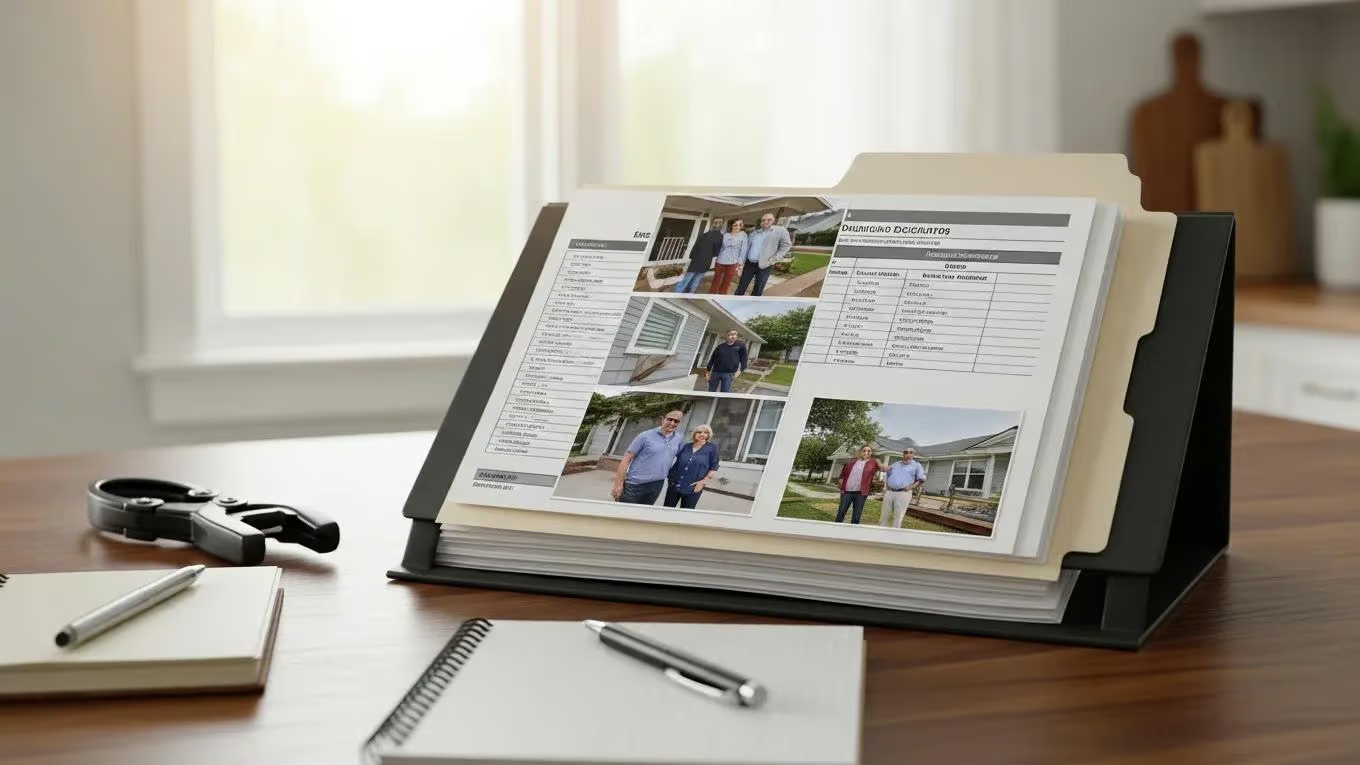
Thorough documentation is vital when filing insurance claims. Including comprehensive evidence can significantly impact the likelihood of claim approval. Key elements include:
- Types of Documents Needed: Photographs and inspection reports should clearly illustrate the damage.
- Impact on Claim Approval: Well-organized documentation streamlines the approval process, helping insurers to quickly assess and verify claims.
By maintaining detailed records, homeowners can facilitate a smoother claims experience.
What Should Texas Homeowners Know About Roof Insurance Claims After Storm Damage?
Homeowners in Texas should be aware of several critical aspects regarding roof insurance claims after storm damage:
- Review Your Policy: Understand specific coverages and exclusions detailed in the homeowner’s insurance policy.
- Notify Your Insurer Promptly: Reporting damage early increases the chances of claim approval and expedites processing time.
Familiarity with these elements helps homeowners navigate the claims process more effectively.
Texas Hail Damage: Insurance Claims & Roofing Material Impact
ABSTRACT: AbstractA series of thunderstorms on 24 May 2011 produced significant hail in the Dallas–Fort Worth (DFW) metroplex, resulting in an estimated $876.8 million (U.S. dollars) in insured losses to property and automobiles, according to the Texas Department of Insurance. Insurance claims and policy-in-force data were obtained from five insurance companies for more than 67 000 residential properties located in 20 ZIP codes. The methodology for selecting the 20 ZIP codes is described. This study evaluates roofing material type with regard to resiliency to hailstone impacts and relative damage costs associated with roofing systems versus wall systems. Evaluating hail damage using property insurance claims data, 2015
How to Prepare and Submit Effective Insurance Documentation
Preparing effective documentation for insurance claims involves careful organization and detail. Homeowners should take these steps:
- Documenting Damage: Record all observable damage with photographs and detailed notes.
- Preventing Further Damage: Take immediate remedial action, like installing tarps or boarding up broken windows to mitigate further issues.
Following these steps can lead to a more efficient claims process and potential for full reimbursement.
What Are the Typical Costs and Coverage Details for Roof Storm Damage Inspection?
Understanding the costs associated with a storm damage inspection is essential for homeowners. Typically, homeowners should consider the following:
- Understanding Coverage: Investigate what portions of the inspection and repair processes your insurance policy will cover.
- Typical Cost Expectations: Prices for roof storm damage inspections can vary widely depending on location and the extent of the damage.
Homeowners should discuss any potential costs with their insurance agent to avoid surprises.
When Is Roof Repair or Replacement Necessary Following Storm Damage in Texas?
Assessing whether to repair or replace a roof after damage can be challenging. Homeowners should consider:
- Signs of Needing Replacement: Significant deformation, multiple missing shingles, or extensive water damage may necessitate a full replacement.
- Cost Considerations: Homeowners must weigh the costs of extensive repairs against the potential for a new roof, which can provide better long-term value.
Consulting with a professional roofer can offer valuable insights into the condition of your roof.
What Are the Indicators That Roof Repairs Can Restore Storm Damage?
Determining whether repairs can effectively resolve damage involves understanding certain key indicators:
- Visible Damage Signs: If the roof shows minor damage, such as a few missing shingles, repairs may suffice.
- Granule Loss: If limited granule loss is observed, repairing the affected sections could restore functionality without total replacement.
Evaluating these indicators can help save homeowners from unnecessary expenses.
What Emergency Services Does Baker Roofing Offer After Severe Texas Storm Events?
In response to severe storm events, Baker Roofing offers several essential emergency services designed to assist homeowners in distress:
- Damage Assessment: Quick assessments to determine the extent of damage and necessary repairs.
- Insurance Claims Assistance: Help with filing claims to improve processing times and ensure coverage.
These services aim to mitigate the impact of storm damage and guide homeowners through recovery.
How Soon Should Homeowners Seek Professional Roof Assessment Post-Storm?
Timing is critical when addressing storm damage. Homeowners should seek professional assessments as soon as possible after a storm for the following reasons:
- Immediate Action is Vital: Addressing damage promptly minimizes further complications or deterioration.
- Safety First: Engaging professionals ensures that the roof is safe to inspect, preventing physical risk.
Taking swift action can significantly improve repair outcomes and the effectiveness of insurance claims.
What Are the Available Temporary Solutions to Prevent Further Damage?
Temporary solutions can help prevent further damage to roofs in the wake of a storm. Consider these options:
- Tarp Installations: Covering damaged areas with tarps can prevent water from leaking into the home.
- Boarding Up Windows: Securing windows protects interiors and prevents further water intrusion.
These measures can provide immediate relief and protection until professional repairs can be executed.
Why Choose Baker Roofing Company for Your Texas Storm Damage Assessment Needs?
Baker Roofing Company stands out for its expertise and commitment to customer service in storm damage assessments. Some reasons to consider their services include:
- Expertise in the Field: With extensive experience, Baker Roofing understands the unique challenges Texas homeowners face.
- Customer Focus: Client satisfaction is paramount; Baker Roofing prioritizes timely, effective responses to storm damage assessments.
Choosing a knowledgeable partner can make all the difference in effective recovery.
What Certifications and Experience Does Baker Roofing Bring to Storm Damage Evaluations?
Baker Roofing’s qualifications enhance their capability in conducting thorough damage assessments. They possess:
- Licensing Information: Fully licensed and insured, ensuring qualified workmanship.
- Years of Experience: Their long-term dedication to roofing and storm damage allows for expert evaluations.
These certifications ensure homeowners receive reliable and competent service during critical times.
How Do Customer Testimonials Reflect Reliable and Timely Service?
Customer testimonials showcase the commitment to quality and timeliness of service Baker Roofing provides. Key aspects reflect:
- Reliability: Customers note the prompt response times and thoroughness in assessments.
- Service Effectiveness: Positive feedback emphasizes successful outcomes in damage restoration and claims assistance.
These testimonials help reassure homeowners that they can rely on Baker Roofing in times of need.
Evaluating Hail Damage with Texas Insurance Claims Data
ABSTRACT: AbstractA series of thunderstorms on 24 May 2011 produced significant hail in the Dallas–Fort Worth (DFW) metroplex, resulting in an estimated $876.8 million (U.S. dollars) in insured losses to property and automobiles, according to the Texas Department of Insurance. Insurance claims and policy-in-force data were obtained from five insurance companies for more than 67 000 residential properties located in 20 ZIP codes. The methodology for selecting the 20 ZIP codes is described. This study evaluates roofing material type with regard to resiliency to hailstone impacts and relative damage costs associated with roofing systems versus wall systems. A comparison of Weather Surveillance Radar-1988 Doppler (WSR-88D) radar-estimated hail sizes and damage levels seen in the claims data is made. Recommendations for improved data collection and quality of insurance claims data, as well as guidance for future property insurance claims studies, are summarized. Studies such as these allow insurance Evaluating hail damage using property insurance claims data, 2015


