
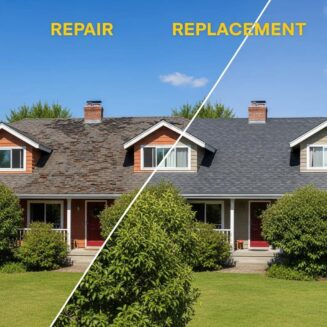
Roof Repair vs Replacement: A Homeowners Guide by Baker Roofing

Roof Repair vs Replacement: How to Decide What's Best for Your Home
Deciding between roof repair and replacement can be a daunting task for homeowners. Understanding the key signs that indicate whether to repair or replace your roof is crucial for maintaining the integrity of your home. This article will guide you through the decision-making process, helping you identify damage indicators, compare costs, and understand the lifespan of different roofing materials. By the end, you will be equipped with the knowledge to make an informed choice that best suits your needs and budget. We will also explore how to select the right roofing contractor and the financing options available for your roofing projects.
What Are the Key Signs You Need Roof Repair or Replacement?
Identifying the signs that indicate whether you need roof repair or replacement is essential for homeowners. Common indicators of roof damage include visible wear and tear, leaks, and the age of the roof. Recognizing these signs early can save you from more extensive damage and costly repairs down the line.
How to Identify Common Roof Damage Indicators
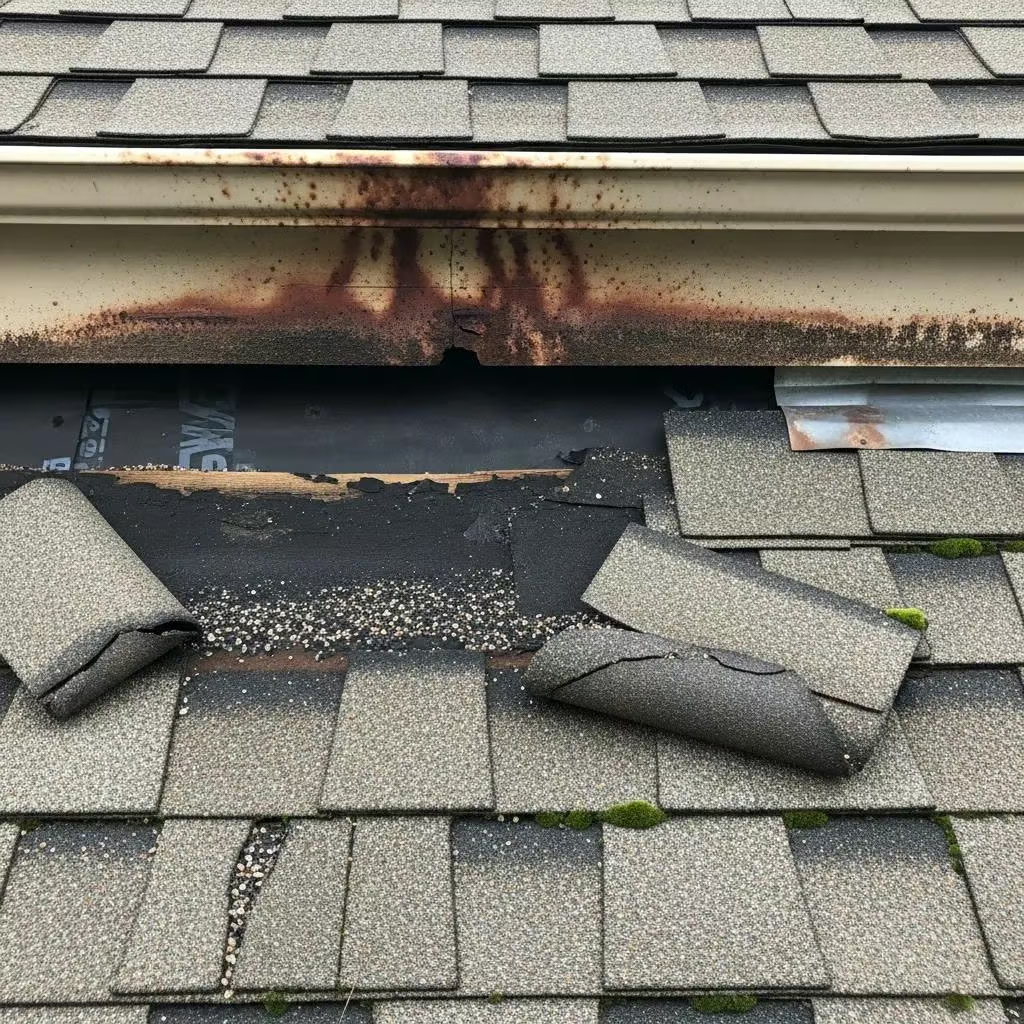
Common signs of roof damage can manifest in various ways. Homeowners should be vigilant for:
- Water Stains on Ceilings: These stains often indicate leaks that can lead to significant water damage if not addressed promptly.
- Missing or Curled Shingles: Shingles that are missing or curling can compromise the roof’s integrity, making it susceptible to leaks and further damage.
- Granule Loss: If you notice granules from your shingles in your gutters, it may indicate that your roof is nearing the end of its lifespan.
By keeping an eye out for these indicators, homeowners can take proactive measures to address potential issues before they escalate.
When Do Roof Shingles Require Replacement Instead of Repair?
Certain conditions signal that roof shingles need replacement rather than repair. Key indicators include:
- Granule Loss: If shingles are losing granules, it can lead to reduced effectiveness in protecting your home from the elements.
- Curled or Buckled Shingles: Curled or buckled shingles are often a sign of aging and can indicate that the roof is no longer functioning properly.
- Extensive Damage: If a significant portion of the roof is damaged, replacement may be more cost-effective than repeated repairs.
Understanding these signs can help homeowners make informed decisions about their roofing needs.
How Do Roof Repair and Replacement Costs Compare?
When considering roof repair versus replacement, understanding the cost implications is vital. Repair costs can vary significantly based on the extent of the damage, while replacement costs are influenced by factors such as roofing material and labor.
What Factors Influence Roof Repair Cost Estimates?
Several factors can affect the cost of roof repairs, including:
- Type of Roof: Different roofing materials have varying costs associated with repairs.
- Cause of Damage: The source of the damage, whether from weather, age, or other factors, can impact repair costs.
- Extent of Damage: More extensive damage will naturally lead to higher repair costs.
By evaluating these factors, homeowners can better estimate their potential repair expenses.
Which Roof Replacement Cost Factors Should Homeowners Consider?
When contemplating roof replacement, homeowners should consider the following cost factors:
- Home Square Footage: Larger homes will require more materials and labor, increasing overall costs.
- Roofing Material Selection: The choice of roofing material can significantly impact the total cost, with options ranging from asphalt shingles to metal roofing.
- Labor Costs: Labor costs can vary based on the contractor’s experience, regional labor rates, and the complexity of the installation.
Understanding these factors can help homeowners budget effectively for a roof replacement.
What Is the Lifespan of Different Roofing Materials and Their Impact on Decision Making?
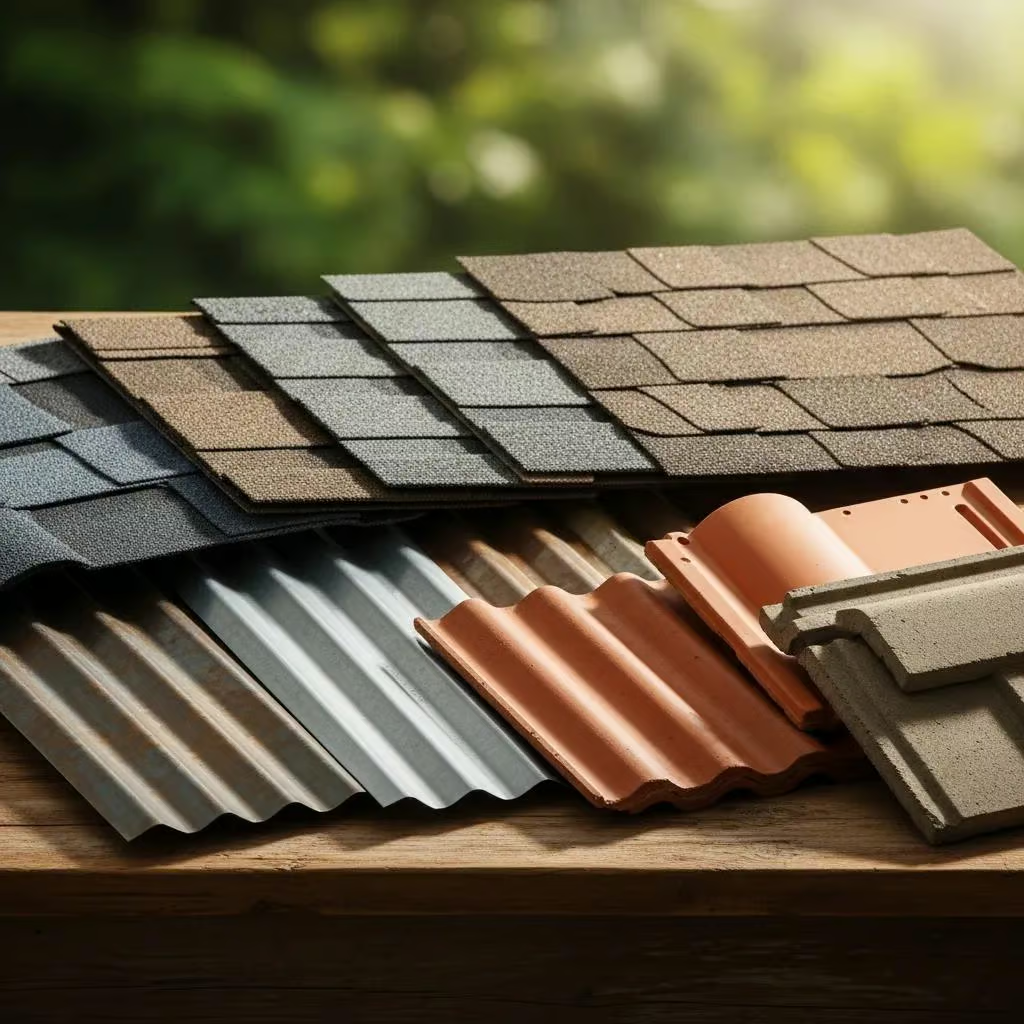
The lifespan of roofing materials plays a crucial role in determining whether to repair or replace your roof. Different materials have varying durability and maintenance needs, which can influence long-term costs.
How Does Roof Material Type Affect Repair and Replacement Timing?
The type of roofing material can significantly affect when repairs or replacements are necessary. For example:
- Asphalt Shingles: Typically last 20-30 years, making them a common choice for homeowners.
- Metal Roofs: Known for their durability, metal roofs can last 40-70 years, often requiring fewer repairs over time.
- Tile Roofs: With a lifespan of 50 years or more, tile roofs are a long-term investment but can be more expensive upfront.
Choosing the right material can impact both the timing of repairs and the overall cost of ownership.
What Are the Benefits of Choosing Sustainable Roofing Materials?
Opting for sustainable roofing materials can provide several advantages, including:
- Environmental Impact: Sustainable materials often have a lower carbon footprint and can contribute to energy efficiency.
- Long-Term Savings: While the initial investment may be higher, sustainable materials can lead to lower energy bills and reduced maintenance costs over time.
- Increased Home Value: Homes with sustainable features often attract buyers looking for eco-friendly options.
These benefits make sustainable roofing materials an appealing choice for environmentally conscious homeowners.
When Is Roof Replacement the Better Option Compared to Maintenance or Repair?
Determining when to replace a roof rather than opting for maintenance or repair is a critical decision for homeowners. Several factors can influence this choice, including the extent of damage and the age of the roof.
What Are the Pros and Cons of Roof Maintenance Versus Replacement?
When weighing maintenance against replacement, consider the following:
- Pros of Maintenance: Cost-effective in the short term.Extends the life of the roof.
- Cons of Maintenance: May not address underlying issues.Can lead to higher costs if extensive repairs are needed later.
- Pros of Replacement: Provides a long-term solution.Increases home value.
- Cons of Replacement: Higher upfront costs.Disruption during installation.
Understanding these pros and cons can help homeowners make informed decisions about their roofing needs.
How Does Roof Age and Damage Severity Influence This Decision?
The age of the roof and the severity of damage are critical factors in deciding between repair and replacement. A roof that is nearing the end of its lifespan may warrant replacement, especially if it has sustained significant damage. Conversely, a relatively new roof with minor issues may only require repairs.
How Can You Choose the Right Roofing Contractor for Repair or Replacement?
Selecting the right roofing contractor is essential for ensuring quality work and a positive experience. Homeowners should consider several factors when making their choice.
What Credentials and Experience Should You Look for in Roofing Contractors?
When evaluating roofing contractors, look for:
- Licensing and Insurance: Ensure the contractor is licensed and carries liability insurance to protect against accidents.
- Reputation and Reviews: Research online reviews and ask for references to gauge the contractor’s reliability and quality of work.
- Experience: Choose a contractor with a proven track record in the roofing industry.
These criteria can help homeowners find a qualified contractor for their roofing needs.
How Does Baker Roofing Company Provide Expert Consultation and Transparent Estimates?
Baker Roofing Company stands out by offering expert consultation and transparent estimates. They provide detailed assessments of roofing needs, ensuring homeowners understand the scope of work and associated costs. This commitment to transparency helps build trust and ensures that clients are well-informed throughout the process.
What Financing Options Are Available for Roof Repair and Replacement Projects?
Financing options can make roof repair and replacement more accessible for homeowners. Understanding these options can help manage costs effectively.
How Can Homeowners Manage Costs Through Financing Solutions?
Homeowners can explore various financing solutions, including:
- Home Equity Loans: These loans allow homeowners to borrow against their home equity for larger projects.
- Personal Loans: Unsecured personal loans can provide quick access to funds for repairs or replacements.
- Credit Cards: For smaller projects, using a credit card can be a convenient option, though interest rates may be higher.
By considering these financing options, homeowners can better manage their roofing expenses.
What Are the Benefits of Early Consultation for Budget Planning?
Early consultation with roofing professionals can provide several benefits, such as:
- Preventative Maintenance: Identifying issues early can prevent costly repairs down the line.
- Accurate Cost Estimation: Professionals can provide detailed estimates, helping homeowners budget effectively.
- Informed Decision-Making: Early consultations allow homeowners to explore all options, including repair and replacement.
These advantages highlight the importance of seeking professional advice early in the roofing process.


