
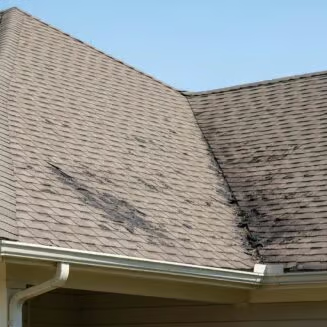
Roof Repair After Hail Damage: Steps to Protect and Restore Your Roof

Comprehensive Roof Repair After Hail Damage: Essential Steps to Protect and Restore Your Roof
Hail damage can significantly compromise the integrity of your roof, leading to costly repairs and potential safety hazards. Understanding how to identify, assess, and repair hail damage is crucial for homeowners looking to protect their investment. This comprehensive guide will walk you through the essential steps to effectively manage roof repair after hail damage, ensuring your home remains safe and secure. You will learn how to identify signs of damage, the step-by-step repair process, the costs involved, and how to maintain your roof to prevent future issues. By following these guidelines, you can make informed decisions and take proactive measures to safeguard your roof against hail damage.
How Can You Identify and Assess Hail Damage on Your Roof?
Identifying hail damage on your roof is the first step in addressing potential issues. Hail can cause various types of damage, which may not always be immediately visible. Understanding the signs of hail damage and knowing how to conduct a thorough inspection can help you assess the condition of your roof effectively.
What Are the Common Signs of Roof Hail Damage?
Common indicators of hail damage include:
- Bruising on Shingles: Hail can cause bruises, which are areas where granules have been dislodged but the shingle is not cracked or missing.
- Dents in Gutters and Metal Flashing: Look for small dents or dings in your gutters, downspouts, and metal flashing, which can indicate hail impact.
- Granules in Downspouts: If you notice granules from shingles in your downspouts, it may suggest that hail has damaged your roof.
- Cracked or Broken Shingles: Severe hail can crack or break shingles, leading to potential leaks.
Recognizing these signs early can help you take timely action to prevent further damage.
How Is a Professional Hail Damage Roof Inspection Conducted?
A professional hail damage roof inspection involves several key steps:
- Visual Examination Techniques: Inspectors will visually assess the roof for signs of damage, including bruising, missing shingles, and dents.
- Use of Advanced Tools: Professionals may use specialized tools, such as drones or infrared cameras, to detect hidden damage.
- Comprehensive Reporting: After the inspection, a detailed report will outline the findings and recommend necessary repairs.
This thorough approach ensures that all damage is identified and addressed appropriately.
Further advancements in technology are also revolutionizing how professionals detect hail damage, making the process faster and more accurate.
Automated AI for Rapid Rooftop Hail Damage Detection
The increasing frequency and severity of hailstorms due to climate change pose significant risks to agriculture, infrastructure, and public safety. Traditional methods for hail damage assessment are often slow, labor-intensive, and subjective, leading to delayed response and financial losses. While deep learning models offer a promising alternative, their high computational cost and latency make them unsuitable for real-time, on-site deployment. This paper proposes a novel framework for edge-accelerated hail damage detection that integrates a pruned and quantized YOLOv8 object detection model with real-time data from on-site weather sensors. Experimental results on a custom dataset of vehicle and rooftop hail damage demonstrate that our optimized model achieves an inference speed of 18 ms per image on a Jetson Nano, making it suitable for real-time applications. This research validates the feasibility of deploying robust AI models on resource-constrained edge devices, paving the way for rapid, automated hail damage assessment in field deployments.
Edge-Accelerated Hail Damage Detection Using Lightweight Neural Models and On-Site Weather Sensor Integration, 2025
What Is the Step-by-Step Roof Repair Process After Hail Damage?
Once hail damage has been identified, the next step is to initiate the repair process. Understanding the steps involved can help homeowners navigate this critical phase effectively.
How Do Certified Professionals Repair Hail-Damaged Roofs?
Certified professionals typically follow these steps to repair hail-damaged roofs:
- Conduct a Comprehensive Inspection: A detailed assessment is performed to determine the extent of the damage.
- Address Minor Issues: Small repairs, such as replacing missing or damaged shingles, are handled promptly to prevent further damage.
- Assist with Insurance Claims: Professionals can help homeowners navigate the insurance claim process, ensuring they receive the coverage they need.
This structured approach helps ensure that repairs are completed efficiently and effectively.
What Is the Typical Timeline for Roof Hail Damage Repair?
The timeline for roof hail damage repair can vary based on several factors:
- Immediate Repairs Are Crucial: Addressing visible damage quickly can prevent further complications.
- Water Damage May Take Time to Appear: Some issues, such as water damage, may not be immediately visible and can take weeks or months to manifest.
- Timelines Vary Based on Damage Severity: The extent of the damage will significantly influence the repair timeline, with minor repairs taking days to weeks and extensive restorations taking longer.
Understanding these factors can help homeowners set realistic expectations for the repair process.
What Are the Costs Involved and How Do Insurance Claims Work for Hail Damage Roof Repair?
The costs associated with hail damage roof repair can vary widely based on several factors, including the extent of the damage and the materials used. Understanding these costs and the insurance claim process is essential for homeowners.
How Is the Cost to Fix a Hail Damaged Roof Determined?
The cost to repair a hail-damaged roof is influenced by:
- Type and Severity of Damage: More extensive damage will require more significant repairs, increasing costs.
- Roof Characteristics: The type of roofing material, roof size, and roof pitch can affect repair costs.
- Professional Assessment and Repair Costs: Hiring a certified professional for an inspection and repair will impact the overall expense.
Being aware of these factors can help homeowners budget effectively for repairs.
What Should Homeowners Know About Hail Damage Insurance Roof Claims?
When filing an insurance claim for hail damage, homeowners should consider the following:
- Coverage Details: Understanding what is covered under your specific insurance policy is crucial for a successful claim.
- Filing Deadlines: Be aware of any deadlines for filing claims to ensure you do not miss out on coverage.
- Importance of Professional Inspections and Documentation: Having a professional inspection and proper documentation can support your claim and facilitate the process.
Navigating the insurance process can be complex, but being informed can help streamline the experience.
Which Roofing Materials Offer the Best Protection Against Hail Damage?
Choosing the right roofing materials can significantly impact your roof’s resilience against hail damage. Some materials are specifically designed to withstand severe weather conditions.
What Are the Benefits of Using Hail-Resistant Roofing Materials?

Hail-resistant roofing materials offer several advantages:
- Durability Against Severe Weather: These materials are engineered to withstand impacts from hail and other severe weather conditions.
- Reduced Risk of Leaks: Hail-resistant roofs are less likely to sustain damage that leads to leaks.
- Potential Insurance Discounts: Some insurance companies may offer discounts or incentives for homes with hail-resistant roofing materials.
Investing in these materials can provide long-term savings and peace of mind.
The development of new testing methods is crucial for ensuring the effectiveness of these materials and informing consumer choices.
New Test Protocol for Asphalt Shingle Hail Resistance
This paper introduces the science behind a new test method for evaluating the hail impact resistance of asphalt shingles, which is the most common residential roofing material in the United States. The new test method is designed to provide a more accurate and repeatable assessment of shingle performance under hail impact, leading to improved product development and better informed consumer choices.
New asphalt shingle hail impact performance test protocol and damage assessment, IM Giammanco, 2021
How Do Warranties Support Long-Term Roof Protection After Repair?
Warranties play a crucial role in maintaining roof integrity post-repair:
- Importance of Warranty Coverage: A solid warranty can protect homeowners from unexpected repair costs.
- Guidelines for Maintaining Warranties: Homeowners should follow specific maintenance guidelines to keep warranties valid.
- Peace of Mind for Homeowners: Knowing that repairs are covered can alleviate concerns about future issues.
Understanding warranty options can help homeowners make informed decisions about their roofing materials.
How Can You Maintain and Prevent Future Hail Damage After Roof Repair?
After repairing hail damage, ongoing maintenance is essential to prevent future issues. Implementing proactive measures can extend the lifespan of your roof.
What Maintenance Practices Extend the Lifespan of a Repaired Roof?
To maintain a repaired roof, homeowners should consider:
- Schedule Annual Inspections: Regular inspections can help identify potential issues before they escalate.
- Keep Gutters Clear: Clogged gutters can lead to water damage, so keeping them clean is vital.
- Address Leaks Immediately: Promptly fixing leaks can prevent further damage and costly repairs.
These practices can help ensure your roof remains in good condition for years to come.
How Can Homeowners Prepare for and Minimize Future Hail Damage?
Homeowners can take several steps to minimize the risk of future hail damage:
- Conduct Regular Inspections: Regularly checking your roof after storms can help catch issues early.
- Choose Durable Materials: Investing in high-quality, hail-resistant materials can provide better protection.
- Stay Informed About Insurance: Understanding your insurance policy can help you prepare for potential claims.
By being proactive, homeowners can significantly reduce the risk of hail damage in the future.


