
Expert Roof Maintenance Guide: Extend Your Roof's Lifespan
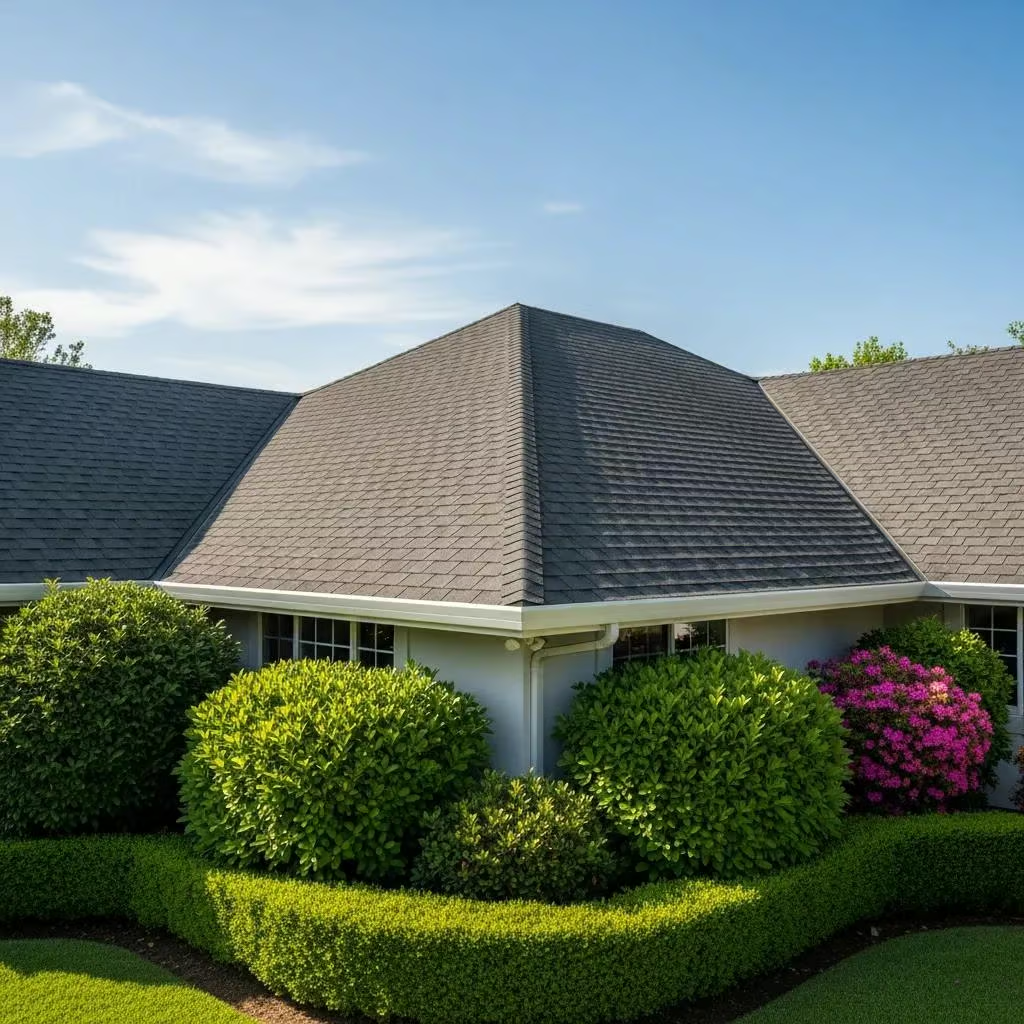
Preventive Roof Maintenance: Strategies to Extend Roof Lifespan
Preventive roof maintenance is essential for homeowners and property managers looking to extend the lifespan of their roofs. Regular inspections and timely repairs can prevent minor issues from escalating into costly problems. This article will explore various aspects of preventive roof maintenance, including inspection frequency, common repair services, maintenance schedules, and the benefits of roof coatings. By understanding these elements, you can effectively protect your investment and ensure your roof remains in optimal condition for years to come.
How Often Should You Conduct a Roof Inspection?
Regular roof inspections are crucial for identifying potential issues before they become significant problems. It is generally recommended to conduct a roof inspection at least twice a year, ideally in the spring and fall. Additionally, inspections should be performed after severe weather events, such as storms or heavy snowfall, to assess any damage that may have occurred. By adhering to this schedule, homeowners can catch early signs of wear and tear, ensuring timely repairs and maintenance.
What Does a Comprehensive Roof Inspection Checklist Include?

A comprehensive roof inspection checklist should cover several key areas to ensure a thorough evaluation. Important elements to include are:
- Visual Examination: Inspect the roof surface for visible signs of damage, such as missing or damaged shingles.
- Detailed Tile Inspection: Check for cracks or deterioration in tiles, which can lead to leaks.
- Use of Advanced Diagnostic Tools: Employ tools like infrared cameras to detect hidden moisture issues.
By following this checklist, homeowners can ensure that no critical areas are overlooked during inspections.
Advanced diagnostic tools, such as infrared cameras, are particularly effective in identifying hidden issues that might otherwise go unnoticed during a standard visual inspection.
Infrared Roof Inspections for Water Damage Detection
An IR roof inspection is a powerful extension to conventional roof inspections (ie with moisture meter). It can locate water-damaged areas with a good accuracy and provide vital
Infrared thermography for building diagnostics, CA Balaras, 2002
How to Identify Early Signs of Roof Damage During Inspections
Identifying early signs of roof damage is essential for preventing more extensive repairs. Common indicators to look for during inspections include:
- Loose or Missing Shingles: These can expose the underlying roof structure to water damage.
- Water Stains on Ceilings or Walls: Stains may indicate leaks that require immediate attention.
- Signs of Mold or Mildew: These can suggest prolonged moisture exposure, which can compromise the roof’s integrity.
Recognizing these signs early can help homeowners take proactive measures to address potential issues.
What Are the Most Common Roof Leak Repair Services Available?
Roof leaks can lead to significant damage if not addressed promptly. Several common roof leak repair services are available to homeowners, including:
- Patch Repairs: This involves sealing small holes or cracks in the roofing material to prevent water intrusion.
- Flashing Repairs: Flashing is used to direct water away from critical areas, and damaged flashing can lead to leaks.
- Complete Roof Replacement: In cases of extensive damage or roof age, a full roof replacement may be necessary to ensure long-term protection.
Understanding these services can help homeowners make informed decisions when faced with roof leaks.
Which Repair Techniques Address Different Types of Roof Leaks?
Different types of roof leaks require specific repair techniques to ensure effective resolution. Common techniques include:
- Holes and Tears Repair: For small punctures, roofing cement or patches can be applied to seal the area.
- Seam Leaks: These often occur in flat roofs and can be repaired by resealing the seams with appropriate materials.
- Flashings Maintenance: Regularly checking and maintaining flashings can prevent leaks around chimneys, vents, and roof edges.
By employing the right techniques, homeowners can effectively address various leak types and protect their roofs.
When Is Professional Roof Leak Repair Necessary?
While some minor repairs can be handled by homeowners, certain situations warrant professional intervention. Signs that indicate the need for professional roof leak repair include:
- Visible Damage: If there are significant signs of damage, such as large holes or extensive water stains, professional help is essential.
- Signs of Water Entry: If water is visibly entering the home, immediate action is required to prevent further damage.
- Increased Energy Bills: Unexplained spikes in energy costs may indicate insulation issues caused by roof leaks.
Recognizing these signs can help homeowners determine when to seek professional assistance.
How Should You Develop and Follow a Roof Maintenance Schedule?
Creating a roof maintenance schedule is vital for ensuring the longevity of your roof. A well-structured schedule should include regular inspections, cleaning, and maintenance tasks tailored to the specific needs of your roof type.
What Are the Recommended Seasonal and Annual Maintenance Tasks?
Seasonal and annual maintenance tasks can help keep your roof in top condition. Recommended tasks include:
- Spring Tasks: Inspect for winter damage, clean gutters, and remove debris from the roof.
- Summer Tasks: Check for signs of wear and perform any necessary repairs.
- Winter Monitoring: Ensure that snow and ice are removed to prevent ice dams and excessive weight.
By following these seasonal tasks, homeowners can maintain their roofs effectively throughout the year.
How Does a Maintenance Schedule Extend Roof Lifespan?
A well-planned maintenance schedule can significantly extend the lifespan of a roof. Regular maintenance helps to:
- Prevent Major Issues: Early detection of problems can prevent costly repairs down the line.
- Cost Savings: Routine maintenance is often less expensive than emergency repairs.
- Maintain Roof Integrity: Consistent care ensures that the roof remains structurally sound and functional.
Implementing a maintenance schedule is a proactive approach to roof care that pays off in the long run.
Research further supports the idea that a well-implemented preventive maintenance strategy can significantly optimize the lifespan and reliability of roofing systems.
Preventive Maintenance for Extended Roof Lifespan
This research considered flat accessible roofs and proposed a preventive maintenance optimisation model for roofs maintenance operations in hospitals to increase their useful life and guarantee their reliability. This model can be used to predict the degradation of flat roofs can be
Preventive maintenance optimisation of accessible flat roofs in healthcare centres using the Markov chain, 2020
What Are the Benefits of Roof Coatings in Preventive Maintenance?
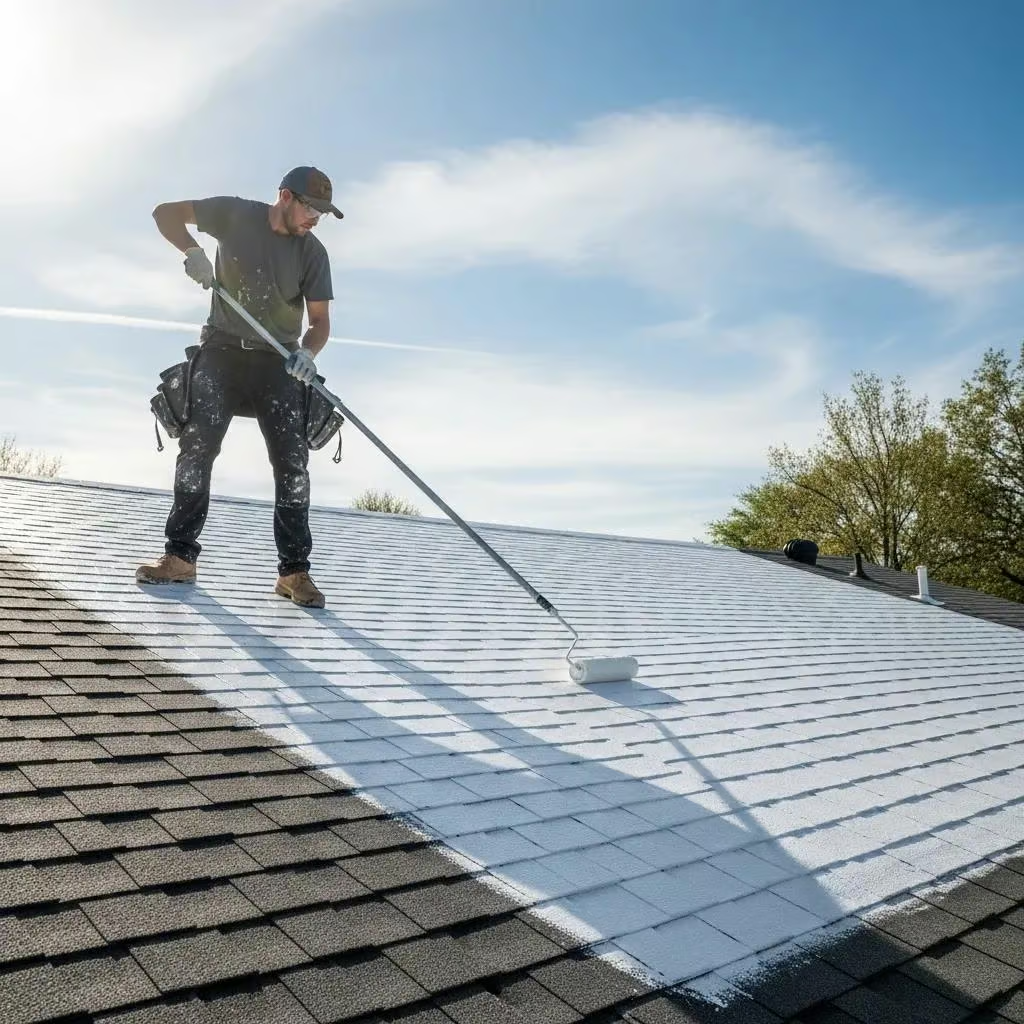
Roof coatings offer several advantages as part of a preventive maintenance strategy. These coatings can enhance the durability and performance of roofing materials, providing a protective layer against the elements.
How Do Roof Coatings Protect Against Weather and Wear?
Roof coatings serve as a protective barrier, shielding the roof from various weather conditions. Key benefits include:
- Waterproof Barrier: Coatings prevent water penetration, reducing the risk of leaks.
- Reflectivity: Many coatings reflect UV rays, helping to keep the building cooler and reducing energy costs.
- Repair Capabilities: Coatings can seal minor cracks and imperfections, extending the life of the roof.
These protective features make roof coatings a valuable addition to any maintenance plan.
Beyond protection, certain roof coatings, such as acrylic elastomeric types, are also proven to significantly reduce a building’s energy consumption.
Acrylic Roof Coatings for Protection & Energy Savings
Two important purposes of an acrylic roof coating are protection of the underlying roof from the elements and reduction of the building’s energy consumption. For example, the building coated with the white elastomeric acrylic roof coating had 21.9% lower energy consumption than the uncoated building.
Elastrometric Acrylic Coatings for Use on Commercial Structures, 2013
Which Types of Roof Coatings Are Best for Different Roofing Materials?
Different roofing materials require specific types of coatings for optimal performance. Common options include:
- TPO Roofs: White reflective coatings are ideal for TPO roofs to enhance energy efficiency.
- Metal Roofs: Elastomeric coatings provide flexibility and protection against rust.
- Built-Up Roofing: Asphalt-based coatings can help seal and protect built-up roofs.
Selecting the right coating for your roofing material is essential for maximizing its lifespan and performance.
How Is Commercial Roof Maintenance Different from Residential Care?
Commercial roof maintenance differs significantly from residential care due to the unique challenges and requirements of commercial properties. Understanding these differences is crucial for effective maintenance.
What Specialized Services Does Commercial Roof Maintenance Include?
Commercial roof maintenance often involves specialized services tailored to larger and more complex roofing systems. These services may include:
- Regular Inspections: More frequent inspections are necessary to address the larger surface area and potential issues.
- Debris Removal: Ensuring that commercial roofs are free from debris is critical for preventing water pooling.
- Detailed Reporting: Comprehensive reports on the condition of the roof help in planning future maintenance.
These specialized services ensure that commercial roofs remain functional and safe.
How to Schedule Commercial Roof Maintenance for Optimal Performance?
Scheduling commercial roof maintenance requires careful planning to minimize disruption. Key steps include:
- Contacting the Service Provider: Reach out to a qualified roofing contractor to discuss maintenance needs.
- Initial Inspection: Conduct a thorough inspection to identify any immediate concerns.
- Choosing a Program: Select a maintenance program that fits the specific needs of the commercial property.
By following these steps, property managers can ensure that their roofs receive the necessary care without impacting business operations.
How Can You Estimate Costs and Request Expert Consultation for Roof Maintenance?
Estimating costs for roof maintenance and repairs can be challenging, but understanding the factors involved can help homeowners make informed decisions.
What Factors Influence Roof Maintenance and Repair Costs?
Several factors can affect the costs associated with roof maintenance and repairs, including:
- Type of Roof: Different roofing materials have varying maintenance needs and costs.
- Extent of Damage: More extensive damage will require more significant repairs, increasing costs.
- Emergency Repairs: Urgent repairs often come with higher price tags due to the need for immediate action.
By considering these factors, homeowners can better estimate their maintenance budgets.
How to Request a Quote and Consultation from Roofing Professionals?
Requesting a quote and consultation from roofing professionals is a straightforward process. Key steps include:
- Filling Out the Request Form: Provide detailed information about your roof and any issues you are experiencing.
- Contacting via Phone or Email: Reach out directly to discuss your needs and schedule an inspection.
- Discussing Options: Engage in a conversation about potential solutions and costs.
By following these steps, homeowners can obtain the necessary information to make informed decisions about their roof maintenance.


