
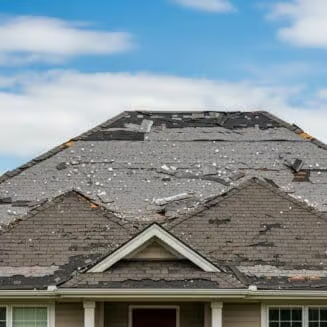
Preventing Hail Damage to Your Roof: Materials, Strategies, and Tips

Preventing Hail Damage to Your Roof: Expert Materials, Strategies, and Practical Tips
Hail damage can be a significant concern for homeowners, especially in regions prone to severe weather. Understanding how to protect your roof from hail is essential for maintaining the integrity of your home. This article will explore various hail-resistant roofing materials, effective strategies for prevention, and practical tips for homeowners. By implementing these measures, you can minimize the risk of hail damage and ensure your roof remains in optimal condition. We will cover the best materials for hail resistance, the importance of regular inspections, and how to address repairs after hail damage. Additionally, we will discuss the role of insurance in managing hail damage and how local weather conditions can influence your roofing choices.
What Are the Best Hail Resistant Roofing Materials?
When it comes to protecting your roof from hail damage, selecting the right materials is crucial. Hail-resistant roofing materials are designed to withstand the impact of hailstones, reducing the likelihood of damage. Some of the best options include impact-resistant shingles, metal roofing, and tile roofing. Each of these materials offers unique benefits that can enhance your roof’s durability against hail.
Choosing the right material can significantly reduce the risk of hail damage. For instance, impact-resistant shingles are engineered to absorb the force of hail impacts, while metal roofing provides a robust barrier against severe weather. Homeowners should consider these options when planning a new roof installation or replacement.
How Do Impact Resistant Shingles Protect Your Roof?
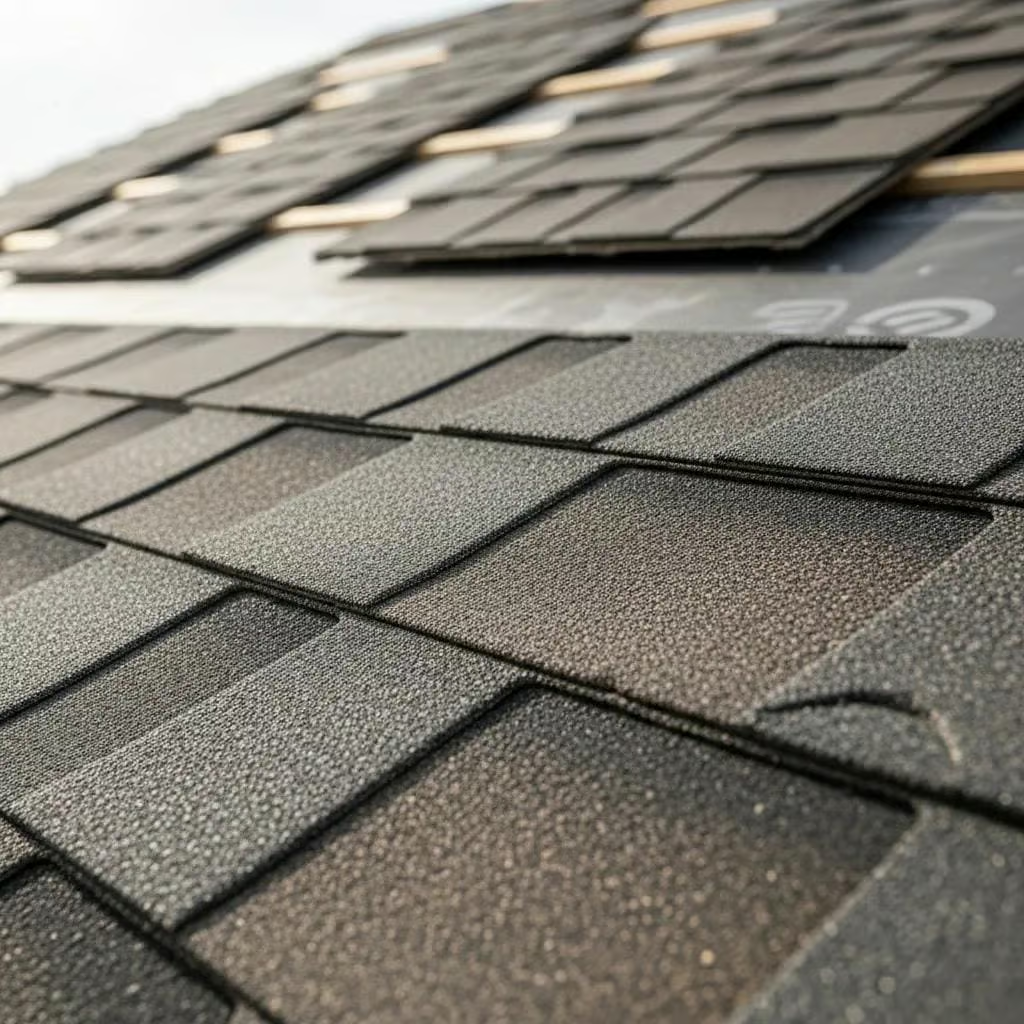
Impact-resistant shingles are specifically designed to withstand hail impacts, making them an excellent choice for homeowners in hail-prone areas. These shingles are constructed with advanced materials that enhance their durability and resistance to damage. The increased durability against hail not only protects your roof but can also lead to insurance discounts for homeowners. Additionally, impact-resistant shingles often have a similar or sometimes slightly longer lifespan compared to standard asphalt shingles, providing long-term value.
What Are the Benefits of Metal Roofing for Hail Protection?
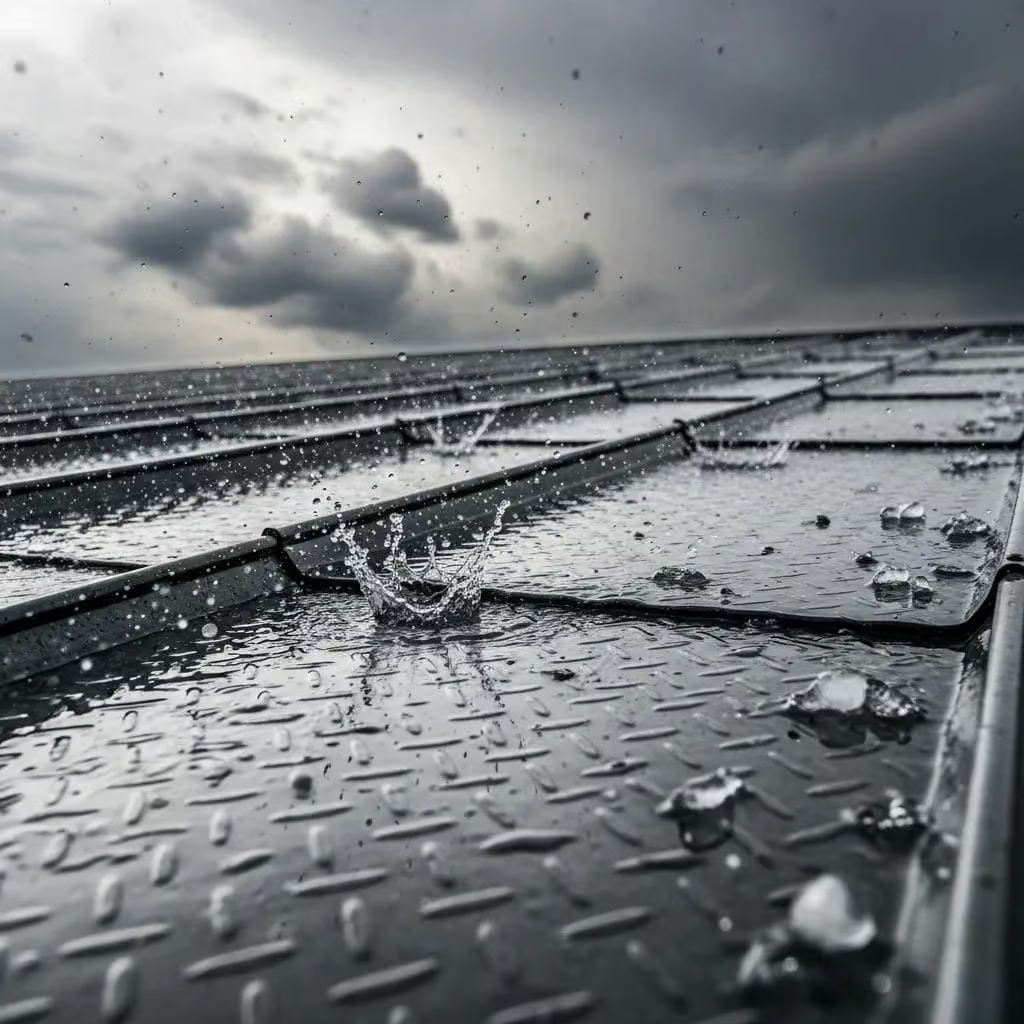
Metal roofing is another highly effective option for hail protection. Its durability against hail impacts is strong, as metal roofs can withstand severe weather conditions with minimal damage. Beyond hail resistance, metal roofing offers energy efficiency benefits, reflecting heat and reducing cooling costs. Furthermore, metal roofs require low maintenance, making them a practical choice for homeowners seeking long-lasting solutions.
Research further supports the effectiveness of metal panels in resisting hail impacts.
Hail Resistance of Building Roofs & Metal Panels
-hail performance of metal roof panels. Studies have also been conducted on hail-resistance of building roofs with steel plates, laminated plates and sandwich plates.
A survey study on the “4· 27”
Guangzhou hail disaster: Hail features and impacts on building roofs, YC He, 2025
How Can Regular Roof Inspections Prevent Hail Damage?
Regular roof inspections play a vital role in preventing hail damage. By identifying potential issues early, homeowners can address them before they escalate into more significant problems. Inspections help preserve the longevity of your roof and ensure that it remains in good condition to withstand hail storms. Additionally, understanding the signs of early hail damage can help homeowners take proactive measures.
What Signs Indicate Early Hail Damage on Your Roof?
Identifying early signs of hail damage can save homeowners from costly repairs. Common indicators include:
- Dents on Gutters: Look for small dents or dings on your gutters, which can indicate hail impact.
- Missing or Lifted Shingles: Check for shingles that are missing or have been lifted, as this can compromise your roof’s integrity.
- Granules in Gutter Downspouts: The presence of granules in your gutter downspouts can signal that your shingles have been damaged.
Recognizing these signs early can prompt timely repairs and prevent further damage.
When Should You Schedule a Professional Roof Inspection?
Scheduling a professional roof inspection is essential, especially after severe storms. Homeowners should consider inspections at the following times:
- After Severe Storms: Following a hail storm, it’s crucial to assess any potential damage.
- Annual Inspections: Regular yearly inspections can help maintain your roof’s condition.
- Signs Indicating Immediate Inspection: If you notice any signs of damage, such as missing shingles or leaks, schedule an inspection promptly.
By adhering to these guidelines, homeowners can ensure their roofs remain in optimal condition.
What Strategies Enhance Your Roof’s Resistance to Hail?
Enhancing your roof’s resistance to hail involves a combination of material selection, installation quality, and maintenance practices. Implementing these strategies can significantly reduce the risk of hail damage.
How Does Proper Installation Improve Hail Protection?
Proper installation is critical for maximizing hail protection. Engaging professional roofing contractors ensures that materials are installed according to manufacturer specifications, which can enhance their performance against hail impacts. Common installation mistakes, such as improper nailing or inadequate sealing, can compromise the roof’s integrity and increase vulnerability to damage.
What Maintenance Practices Reduce Hail Damage Risks?
Regular maintenance practices can help reduce the risks associated with hail damage. Homeowners should consider the following:
- Regular Inspections: Schedule routine inspections to identify and address potential issues.
- Debris Removal: Keep the roof clear of debris, as accumulated materials can trap moisture and lead to damage.
- Gutter Maintenance: Ensure gutters are clean and functioning properly to prevent water buildup that can exacerbate damage.
By following these maintenance practices, homeowners can enhance their roof’s resilience against hail.
How Should You Address Roof Repair and Replacement After Hail Damage?
Addressing roof repair and replacement after hail damage requires careful consideration. Homeowners must assess the extent of the damage and determine the best course of action.
When Is Roof Repair Sufficient Versus Replacement?
Determining whether to repair or replace a roof depends on several factors. Signs that indicate repair may be sufficient include:
- Minor Damage: If only a few shingles are damaged, repairs may be adequate.
- Age of the Roof: A relatively new roof may warrant repairs rather than a full replacement.
- Cost Implications: Consider the cost of repairs versus the expense of a new roof.
In contrast, if the damage is extensive or the roof is nearing the end of its lifespan, replacement may be the better option.
How Does Baker Roofing Company Support Hail Damage Repairs?
Baker Roofing Company offers comprehensive support for hail damage repairs. Their services include:
- Free Roof Inspections: Homeowners can schedule a free inspection to assess hail damage.
- Insurance Claims Assistance: The company provides guidance on navigating insurance claims for roof repairs.
- Complete Storm Damage Restoration: Baker Roofing Company specializes in restoring roofs to their pre-damage condition.
By utilizing these services, homeowners can effectively address hail damage and restore their roofs.
What Role Does Insurance Play in Managing Hail Damage?
Insurance plays a crucial role in managing hail damage, providing financial protection for homeowners. Understanding your coverage and the claims process is essential for effective management.
Studies have extensively analyzed homeowner insurance claims related to hail damage to better understand and assess risk.
Homeowner Insurance & Hail Damage Claims Analysis
We consider private homeowner insurance for residential properties, and we focus on the hail damage insurance claims. We employ the proposed marked point process to analyse these claims.
Assessing hail risk for property insurers with a dependent marked point process, P Shi, 2022
How to Navigate Insurance Claims for Roof Hail Damage?
Navigating insurance claims for roof hail damage involves several steps:
- Getting a Professional Inspection: Start by obtaining a thorough inspection from a qualified roofing contractor.
- Documenting Damage: Take photos and gather documentation of the damage for your insurance claim.
- Contacting the Insurance Company: Reach out to your insurance provider to initiate the claims process.
Following these steps can streamline the claims process and ensure you receive the necessary support.
What Documentation Is Needed for Hail Damage Claims?
When filing hail damage claims, homeowners should prepare the following documentation:
- Photo Documentation: Capture clear images of the damage for your records.
- Inspection Reports: Include reports from professional inspections to support your claim.
- Inventory of Damaged Items: List any additional items affected by the hail damage.
Having this documentation ready can facilitate a smoother claims process.
How Can Local Hail Risk and Weather Preparedness Influence Your Roofing Choices?
Understanding local hail risk and weather patterns is essential for making informed roofing choices. Homeowners should consider regional factors that may impact their roofing decisions.
What Are the Regional Hail Risk Factors to Consider?
Several factors influence hail risk in different regions, including:
- Hail Size and Frequency: Areas with a history of large hailstones may require more robust roofing materials.
- Wind Damage Potential: Regions prone to high winds may necessitate additional reinforcement for roofing systems.
- Material Durability: Consider the durability of roofing materials in relation to local weather conditions.
By evaluating these factors, homeowners can select roofing materials that offer optimal protection against hail.
How to Prepare Your Roof for Upcoming Hail Seasons?
Preparing your roof for hail seasons involves proactive measures, such as:
- Inspecting the Roof: Conduct a thorough inspection to identify any vulnerabilities.
- Cleaning Gutters: Ensure gutters are clear to prevent water buildup during storms.
- Consulting a Professional: Seek advice from roofing experts on additional protective measures.
Taking these steps can help homeowners safeguard their roofs against potential hail damage.


