

Low-VOC and Eco-Friendly Interior Paint Options for a Healthier Home
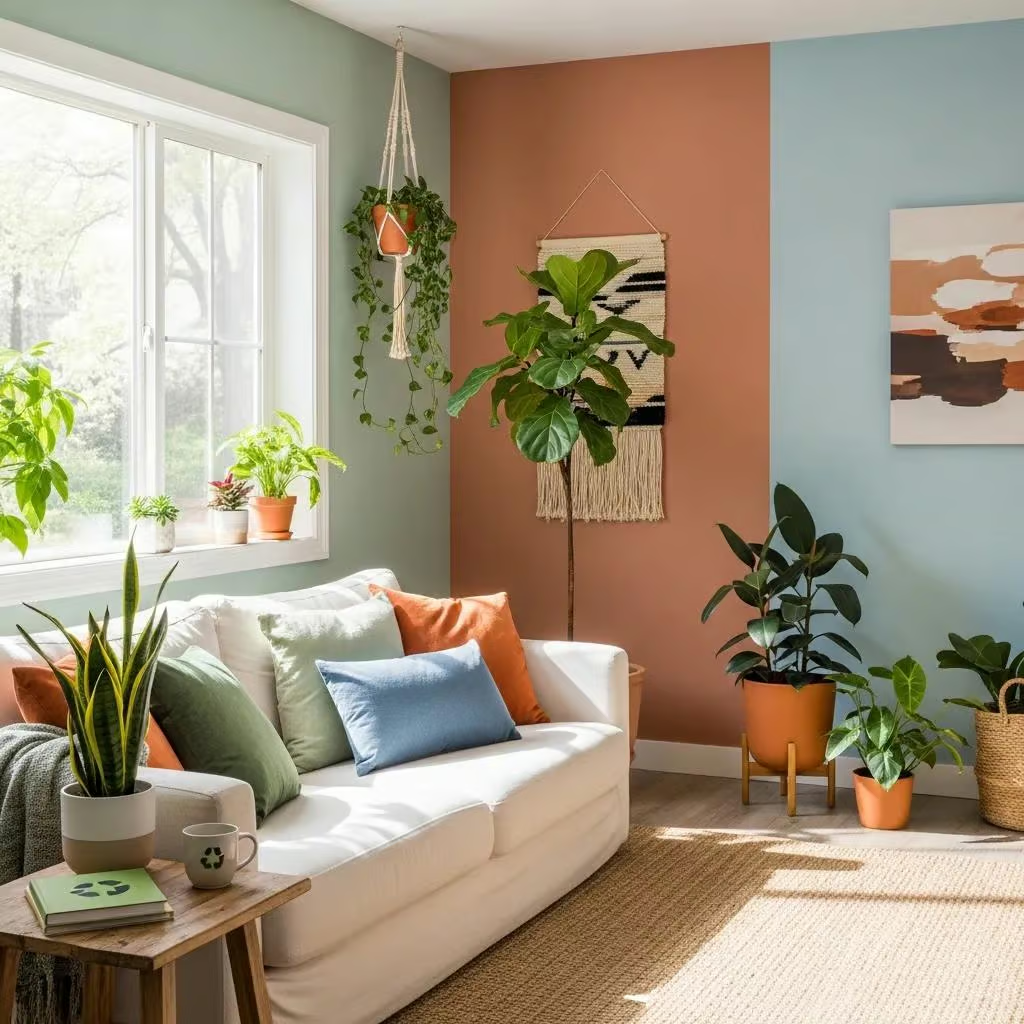
Creating a healthier home environment is increasingly important for many homeowners, and one of the most effective ways to achieve this is through the use of low-VOC and eco-friendly interior paints. These paints not only enhance the aesthetic appeal of your living spaces but also contribute to improved indoor air quality and overall well-being. In this article, we will explore the various types of low-VOC and eco-friendly paints, their benefits, and how to choose the right options for your home. We will also discuss the importance of sustainable practices in home improvement, including roofing choices that complement eco-friendly painting.
What Are Low-VOC and Eco-Friendly Interior Paints?
Low-VOC and eco-friendly interior paints are specially formulated to minimize the release of volatile organic compounds (VOCs) into the air. VOCs are harmful chemicals that can contribute to indoor air pollution and have been linked to various health issues. These paints are designed to provide a safer alternative for homeowners who are concerned about the impact of traditional paints on their health and the environment. By using low-VOC and eco-friendly paints, you can create a beautiful and healthy living space.
Defining Low-VOC, Zero-VOC, and Natural Paints for Indoor Use
Low-VOC paints contain fewer than 50 grams of VOCs per liter (not 250 grams), while zero-VOC paints have negligible levels, typically less than 5 grams per liter. Natural paints, on the other hand, are made from organic materials and are free from synthetic chemicals. Each type offers unique benefits, making them suitable for different applications in your home. For instance, low-VOC paints are ideal for general use, while natural paints are perfect for those seeking the most environmentally friendly option.
How Do These Paints Improve Indoor Air Quality?
Low-VOC and eco-friendly paints improve indoor air quality by significantly reducing the number of harmful chemicals released into the air during and after application. This reduction in VOCs helps to minimize respiratory issues, allergies, and other health problems associated with poor air quality. Additionally, many eco-friendly paints contain natural ingredients that can actively purify the air, further enhancing the health benefits of your living environment.
Further emphasizing the importance of these paints, research highlights how non-VOC options are crucial for sustainable construction and enhancing indoor air quality.
Non-VOC Paints: Sustainable Coatings for Improved Indoor Air Quality
Non-volatile organic compound (non-VOC) paints, characterized by minimal or zero emissions of volatile organic compounds, have emerged as a cornerstone of sustainable construction practices, particularly in the development of green buildings. These environmentally friendly coatings contribute to improved indoor air quality (IAQ), reduced environmental impact, and enhanced occupant health, aligning with the principles of sustainable architecture.
The Role of Non-Volatile Organic Compound Paints in Green Buildings for a Sustainable Environment, A Jain, 2026
What Are the Health and Environmental Benefits of Using Eco-Friendly Paints?

Using eco-friendly paints offers numerous health and environmental benefits. These paints are formulated to be non-toxic, reducing the risk of exposure to harmful chemicals for both the occupants and the environment. By choosing eco-friendly options, homeowners can contribute to a more sustainable future while ensuring a safer living space.
Reducing Toxic Exposure and Allergy Risks with Non-Toxic Paints
Non-toxic paints significantly lower the risk of allergic reactions and other health issues associated with traditional paints. Many eco-friendly paints are free from harmful substances such as formaldehyde and heavy metals, making them a safer choice for families, especially those with children or individuals with sensitivities. Proper ventilation during and after painting can further enhance safety, allowing for a healthier indoor environment.
Studies further underscore these benefits, demonstrating a significant improvement in indoor air quality in spaces utilizing sustainable materials like low-emission paints.
Low-Emission Paints Enhance Indoor Air Quality & Occupant Health
As awareness of environmental issues grows, the demand for healthier workspaces has led to an increased focus on sustainable building materials in office interiors. This study explores how these materials influence indoor air quality (IAQ) and the overall health of occupants. Through a qualitative analysis of multiple case studies from various regions, it is found that offices using sustainable materials, like low-emission paints and natural fiber insulation, showed a 30% improvement in IAQ compared to traditional settings.
Examining Sustainable Materials: Enhancing Indoor Air Quality for Office Interiors, A Elantary, 2025
Supporting Sustainability Through Biodegradable and Responsibly Sourced Products
Eco-friendly paints often utilize biodegradable ingredients and responsibly sourced materials, which contribute to sustainability. By choosing paints that adhere to these principles, homeowners can reduce their environmental footprint and support manufacturers committed to sustainable practices. This choice not only benefits the planet but also promotes a healthier lifestyle for individuals and families.
Which Brands and Certifications Ensure Quality Eco-Friendly Paints?
When selecting eco-friendly paints, it’s essential to consider reputable brands and certifications that guarantee quality and safety. Many brands have established themselves as leaders in the eco-friendly paint market, offering a range of products that meet stringent environmental standards.
Top Organic and Low-Odor Paint Brands to Consider
Several brands are recognized for their commitment to producing high-quality organic and low-odor paints. These brands often prioritize natural ingredients and sustainable practices, ensuring that their products are both effective and environmentally friendly. Some notable brands include:
- Benjamin Moore: Known for its Natura line, which is zero-VOC and offers excellent coverage.
- Sherwin-Williams: Offers the Harmony line, which is low-VOC and helps improve indoor air quality.
- Behr: Their Premium Plus line is a zero-VOC option that provides durability and a wide color selection.
Understanding Green Seal, GREENGUARD, and EPA Certifications
Certifications such as Green Seal, GREENGUARD, and EPA’s Safer Choice label indicate that a paint product meets specific environmental and health standards. These certifications help consumers make informed choices by ensuring that the products they select are safe for both their health and the environment. When shopping for eco-friendly paints, look for these certifications to ensure quality and safety.
How to Choose the Right Low-VOC Paint for Your Home?
Selecting the right low-VOC paint for your home involves considering several factors, including the specific needs of each room, desired aesthetics, and environmental impact. By evaluating these elements, you can make an informed decision that aligns with your health and sustainability goals.
Evaluating VOC Levels and Paint Types for Different Rooms
Different rooms in your home may require different types of paint based on their function and exposure to moisture. For example, bathrooms and kitchens may benefit from low-VOC paints that are also mold-resistant. It’s essential to assess the VOC levels and choose paints that are appropriate for each space, ensuring a healthy environment throughout your home.
Balancing Color, Finish, and Environmental Impact
When choosing paint, it’s crucial to balance color preferences, finish types, and environmental impact. Opt for colors that complement your home’s design while also considering the finish, as some finishes may contain higher VOC levels than others. By selecting low-VOC options that align with your aesthetic preferences, you can achieve a beautiful and sustainable living space.
How Do Roofing Choices Integrate with Sustainable Home Improvement?
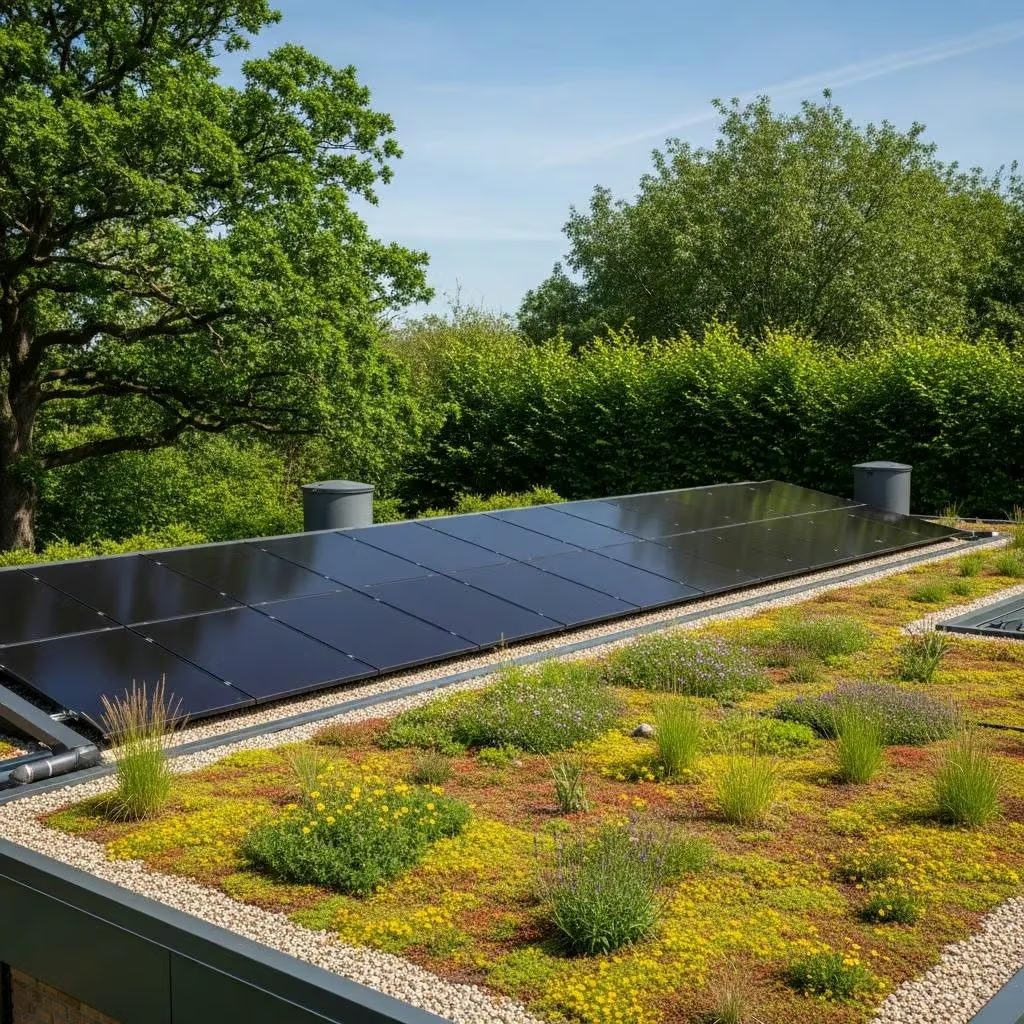
Sustainable home improvement extends beyond interior painting to include roofing choices that enhance energy efficiency and indoor air quality. The materials used in roofing can significantly impact the overall sustainability of your home.
Linking Roofing Materials to Indoor Air Quality and Energy Efficiency
The choice of roofing materials can affect both indoor air quality and energy efficiency. For instance, reflective roofing materials can help reduce heat absorption, leading to lower energy costs and improved comfort indoors. Additionally, using eco-friendly roofing materials can contribute to a healthier living environment by minimizing the release of harmful chemicals.
Requesting Consultations for Eco-Friendly Home Projects
For homeowners interested in integrating eco-friendly practices into their home improvement projects, consulting with professionals can provide valuable insights. Experts can guide you in selecting the best materials and practices for your specific needs, ensuring that your home remains both beautiful and sustainable. If you’re considering eco-friendly home projects, reach out to professionals who specialize in sustainable practices to explore your options.


