
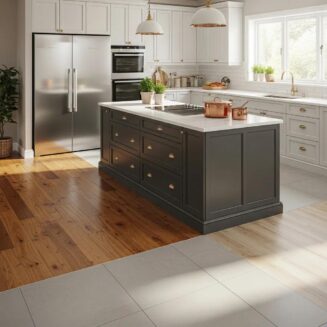
Best Kitchen Flooring: A Guide to Style, Durability, and Value
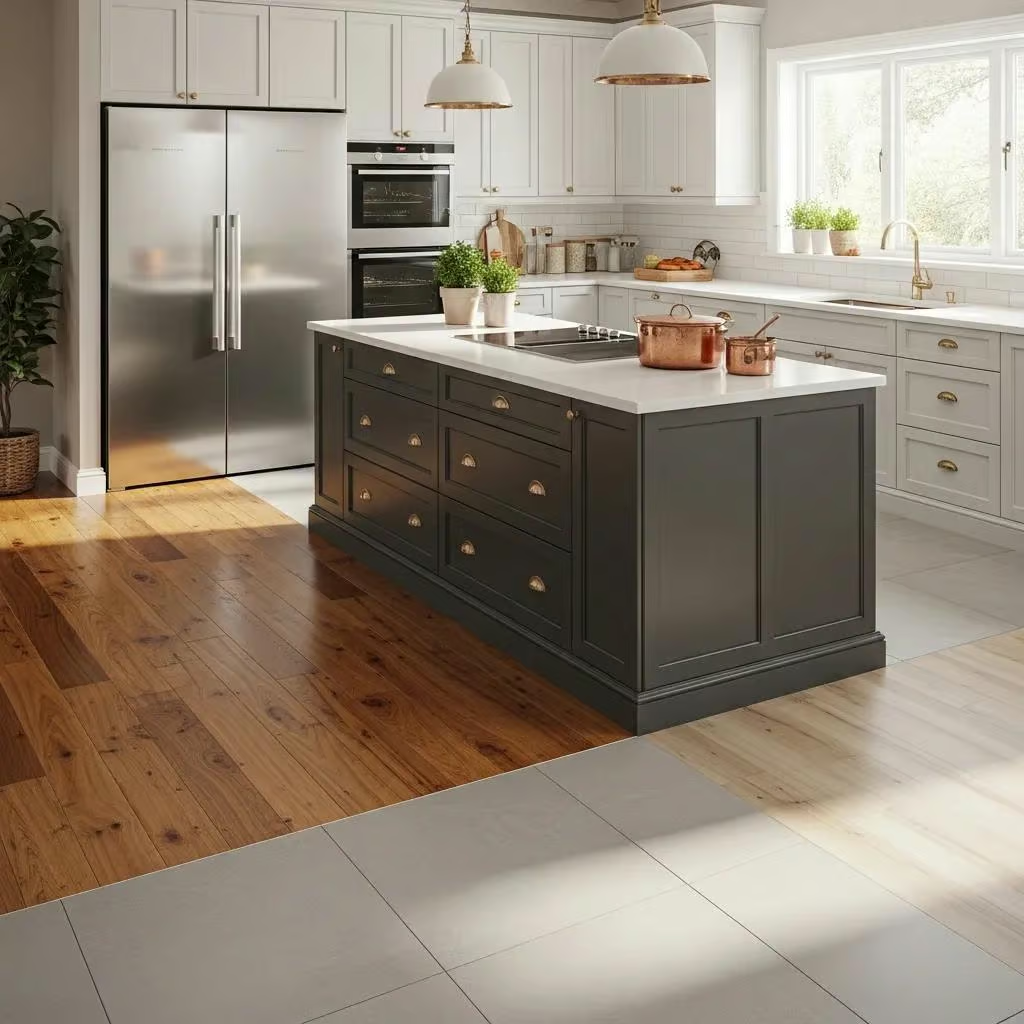
Choosing the Best Flooring for Your Kitchen Remodel
Choosing the right flooring for a kitchen remodel is a crucial decision that impacts both the aesthetic appeal and functionality of the space. With a variety of materials available, homeowners often seek options that balance style, durability, and cost efficiency. This article will guide you through the best kitchen remodel flooring options, focusing on their unique characteristics and benefits. Many individuals struggle with selecting materials that can withstand the rigors of a busy kitchen while also enhancing the overall design. By understanding the strengths and weaknesses of different flooring types, you can make an informed choice that meets your needs. We will explore durable materials, water-resistant options, cost comparisons, eco-friendly choices, and maintenance tips to help you achieve the perfect kitchen flooring.
What Are the Most Durable Kitchen Flooring Materials?
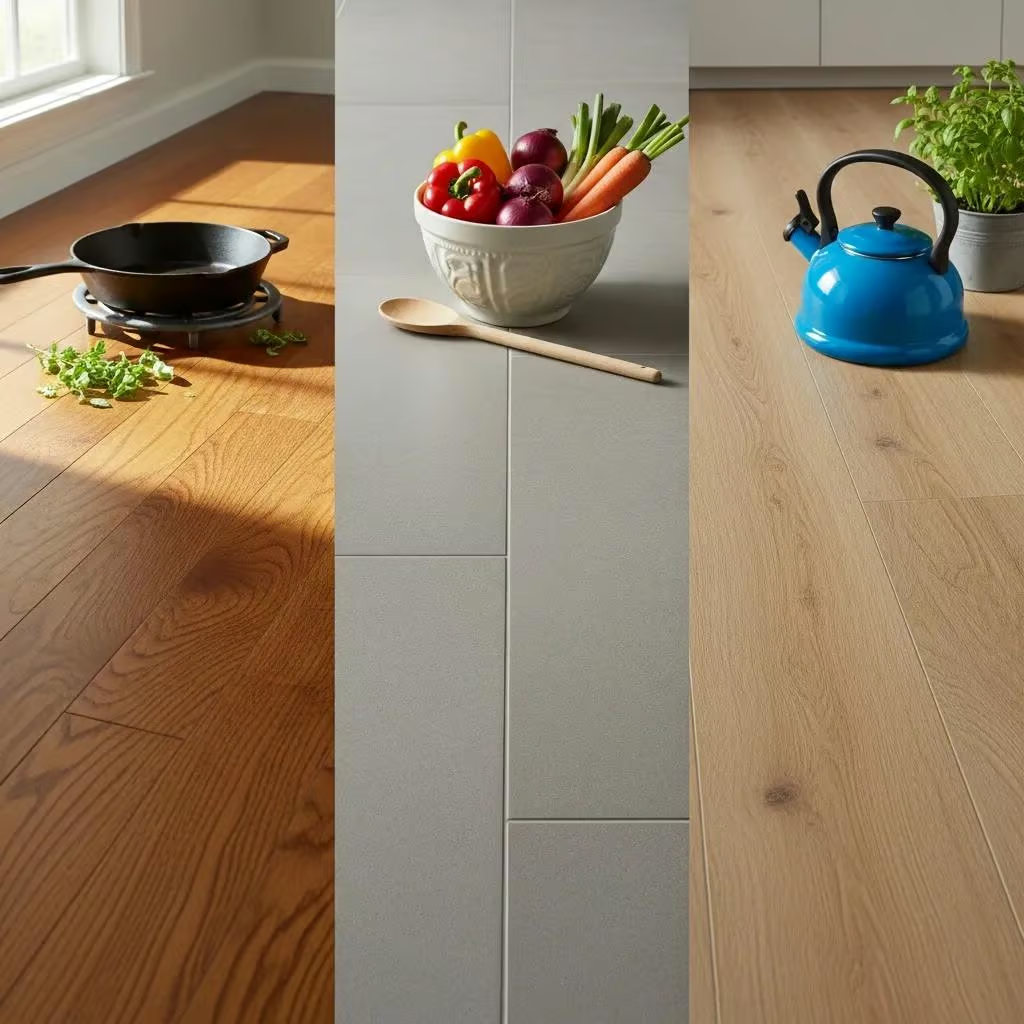
Durability is a key factor when selecting kitchen flooring, as it must withstand heavy foot traffic, spills, and potential scratches. The most durable kitchen flooring materials include hardwood, tile, and vinyl, each offering unique benefits. Hardwood flooring, while elegant, requires proper maintenance to prevent damage. Tile is renowned for its resilience and water resistance, making it ideal for kitchens. Vinyl flooring, on the other hand, is cost-effective and available in various styles, including options that mimic the look of wood or stone.
How Does Hardwood Compare in Durability and Style?
Hardwood flooring is a classic choice that adds warmth and elegance to any kitchen. It is known for its durability, especially when properly maintained. Different types of hardwood, such as oak and maple, offer varying levels of hardness and aesthetic appeal. While hardwood can be susceptible to water damage, modern finishes and engineered hardwood options can enhance its resistance to moisture. Regular maintenance, including refinishing and proper cleaning, can extend the life of hardwood floors, making them a worthwhile investment for many homeowners.
What Are the Benefits of Tile and Vinyl Flooring for Kitchens?
Tile and vinyl flooring provide excellent options for kitchen environments due to their durability and ease of maintenance. Tile is inherently water-resistant, making it suitable for areas prone to spills. It is also available in a wide range of designs, allowing homeowners to achieve their desired aesthetic. Vinyl flooring, particularly waterproof varieties, is another popular choice. It is often more affordable than tile and can be installed quickly, making it a practical option for budget-conscious remodelers. Both materials are easy to clean and maintain, ensuring that your kitchen remains looking fresh and new.
Further research emphasizes the importance of evaluating materials for their inherent durability and moisture-resistant properties, especially when considering options that mimic natural stone or tile.
Durable & Moisture-Resistant Kitchen Flooring
Evaluate representative materials under controlled laboratory conditions for such factors as durability and resistance. moisture resistant. They are sometimes scored to give a tile effect.
Wall finishes for kitchens, utility and bathrooms, 1958
Which Kitchen Flooring Options Offer the Best Water Resistance?
Water resistance is essential in a kitchen, where spills and moisture are common. Flooring materials that excel in this area include tile, vinyl, and waterproof laminate. These options are designed to withstand water exposure without warping or damage, making them ideal for kitchen settings. Understanding the performance of these materials in wet conditions can help you choose the best flooring for your needs.
How Do Waterproof Vinyl and Laminate Flooring Perform in Kitchens?
Waterproof vinyl and laminate flooring are designed to handle the challenges of a kitchen environment. Waterproof vinyl is particularly effective, as it can resist moisture and prevent mold growth. Laminate flooring, while traditionally less water-resistant, has seen advancements in technology that enhance its durability against spills; however, not all laminate flooring is waterproof, so it’s important to select products specifically designed for water resistance. Both options are available in various styles and colors, allowing homeowners to achieve the look they desire without sacrificing functionality.
The effectiveness of these waterproof flooring solutions is often underpinned by advanced structural designs and the integration of specialized membranes, particularly in areas prone to significant moisture.
Waterproof Membranes for Kitchen Floors
evaluate the performance of a lightweight wet-room floor structure with two waterproof membranes with a water-resistant cast compound between the membranes (twin floor).
Performance of lightweight wet-room floor with two waterproof membranes, M Morelli, 2019
What Maintenance Practices Enhance Water Resistance and Longevity?
To maintain the water resistance and longevity of your kitchen flooring, regular cleaning and maintenance are essential. Here are some best practices:
- Regular Cleaning: Sweep or vacuum frequently to remove dirt and debris that can scratch the surface.
- Prompt Spill Cleanup: Wipe up spills immediately to prevent moisture from seeping into seams or cracks.
- Seasonal Inspections: Check for signs of wear or damage, especially in high-traffic areas, and address any issues promptly.
Implementing these practices can significantly extend the life of your kitchen flooring.
How Do Kitchen Flooring Costs and Installation Methods Compare?
When planning a kitchen remodel, understanding the costs and installation methods for different flooring options is crucial. Prices can vary widely based on material choice, with hardwood typically being among the most expensive, followed by tile and vinyl. Installation methods also differ, with some materials allowing for DIY installation while others may require professional help.
What Are the Typical Costs for Popular Kitchen Flooring Types?
This table illustrates the cost differences and installation methods for various flooring materials, helping you budget effectively for your kitchen remodel.
Should You Choose DIY or Professional Installation?
Deciding between DIY and professional installation depends on your skill level and the complexity of the flooring material. DIY installation can save money, especially with vinyl and laminate, which are designed for easier installation. However, professional installation may be necessary for hardwood and tile to ensure proper fitting and longevity. Weighing the pros and cons of each method can help you make the best choice for your project.
What Are the Eco-Friendly and Trendy Flooring Choices for Kitchen Remodels?
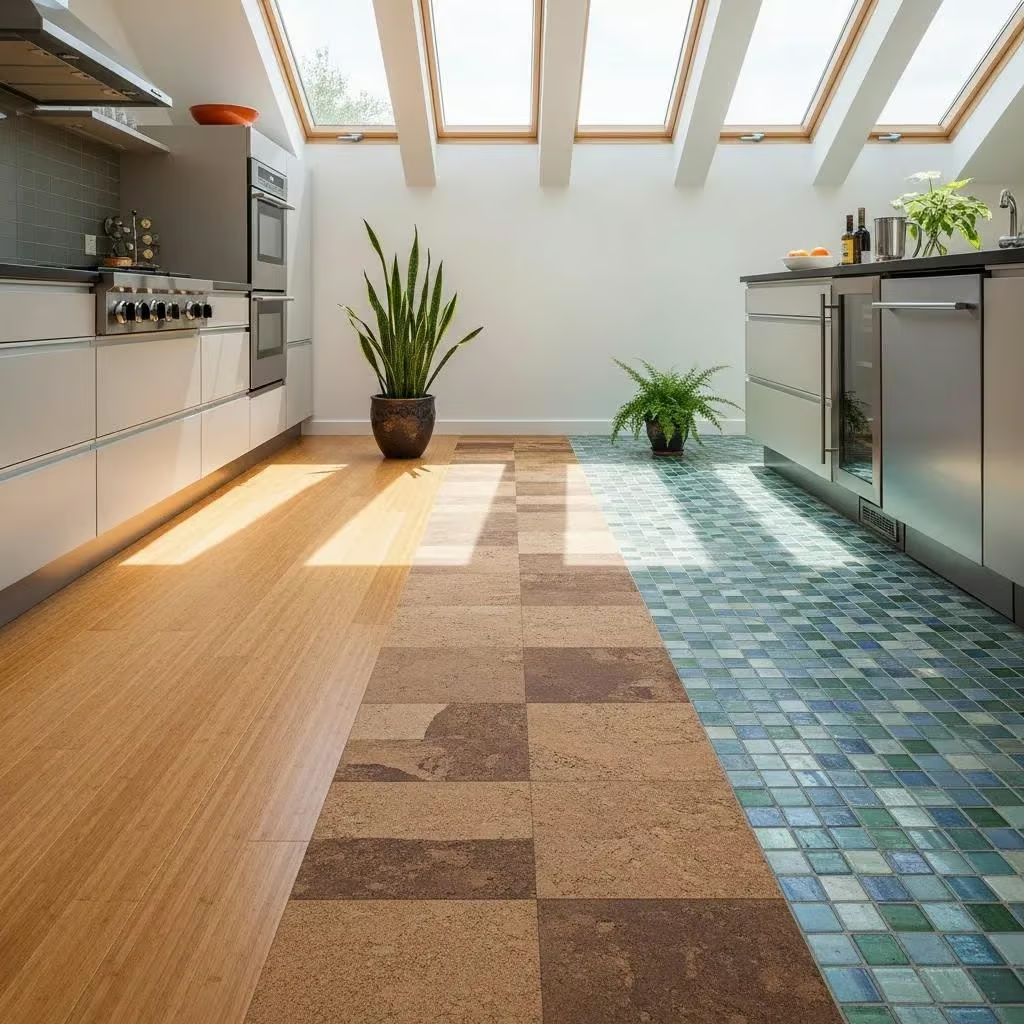
As sustainability becomes increasingly important, many homeowners are seeking eco-friendly flooring options for their kitchen remodels. Materials such as bamboo, cork, and recycled tiles offer sustainable choices that do not compromise on style or durability. These options not only reduce environmental impact but also provide unique aesthetics that can enhance your kitchen’s design.
Which Materials Are Considered Eco-Friendly and Sustainable?
- Bamboo: A rapidly renewable resource that is both durable and stylish.
- Cork: Harvested from the bark of cork oak trees, it is sustainable and provides natural insulation.
- Recycled Tiles: Made from reclaimed materials, these tiles reduce waste and offer unique designs.
These materials are not only sustainable but also provide excellent performance in a kitchen environment.
How Do Hybrid Flooring Solutions Combine Style and Durability?
Hybrid flooring solutions, such as luxury vinyl planks, combine the best features of various materials. They offer the aesthetic appeal of hardwood or tile while providing the durability and water resistance of vinyl. This versatility makes hybrid options increasingly popular among homeowners looking for stylish yet practical flooring solutions.
How Can You Maintain and Extend the Life of Your Kitchen Flooring?
Proper maintenance is essential for extending the life of your kitchen flooring, regardless of the material chosen. Each type of flooring has specific care requirements that can help preserve its appearance and functionality over time.
What Are the Best Cleaning and Maintenance Practices for Different Materials?
To keep your kitchen flooring in top condition, consider the following maintenance practices:
- Hardwood: Use a damp mop and avoid excessive water. Regularly apply a wood floor cleaner.
- Tile: Clean with a pH-neutral cleaner and seal grout lines to prevent staining.
- Vinyl: Use a gentle cleaner and avoid abrasive tools that can scratch the surface.
By following these guidelines, you can ensure that your kitchen flooring remains beautiful and functional for years to come.
When Is It Time to Repair or Replace Kitchen Flooring?
Recognizing when to repair or replace your kitchen flooring is crucial for maintaining a safe and attractive environment. Signs that indicate action is needed include:
- Visible Damage: Cracks, chips, or warping in the flooring material.
- Persistent Odors: Lingering smells can indicate mold or moisture issues.
- Difficulty Cleaning: If your flooring is no longer easy to maintain, it may be time for a replacement.
Addressing these issues promptly can prevent further damage and enhance the overall look of your kitchen.


