
Kitchen Cabinet Remodel Options: Replacing, Refacing, and Refinishing
Comprehensive Guide to Kitchen Cabinet Remodel Options: Replacing, Refacing, and Refinishing
Remodeling kitchen cabinets can significantly enhance the aesthetic and functional aspects of your kitchen. This guide explores three primary options: replacing, refacing, and refinishing cabinets. Each method has its unique benefits, costs, and suitability depending on your kitchen’s condition and your budget. Homeowners often face the dilemma of choosing the right approach, as each option can dramatically impact the overall look and feel of the kitchen. This article will delve into the key differences between these remodeling options, their costs, the best materials to use, current style trends, and maintenance tips to extend the life of your cabinets.
Complete Kitchen Cabinet Remodeling Guide: Replace, Reface, Refinish
Cabinet replacement, refacing, and refinishing are three distinct approaches to kitchen cabinet remodeling, each with its own advantages and considerations.
Cabinet replacement involves removing the existing cabinets entirely and installing new ones. This option is ideal for homeowners looking for a complete transformation or those whose cabinets are beyond repair. It allows for a fresh design and the opportunity to upgrade to modern materials and styles.
Cabinet refacing, on the other hand, involves replacing the cabinet doors and drawer fronts while keeping the existing cabinet boxes. This method is often more cost-effective than replacement and can provide a new look without the hassle of a full remodel. It’s a great option for those who want to refresh their kitchen without a complete overhaul.
Refinishing is the process of sanding down the existing cabinet surfaces and applying a new stain or paint. This method is best suited for cabinets that are structurally sound but may have cosmetic issues. Refinishing can restore the original beauty of the wood and is typically the most budget-friendly option.
How Does Cabinet Replacement Compare to Refacing and Refinishing?
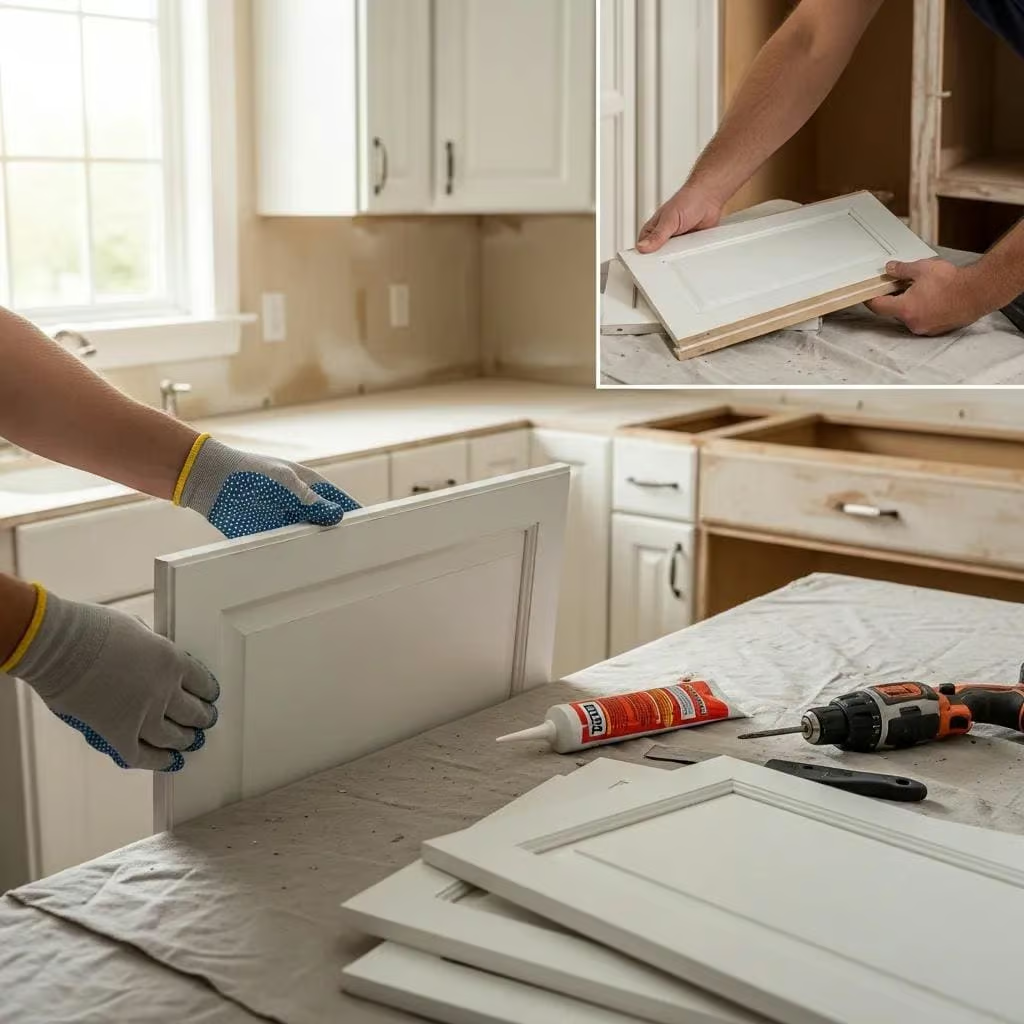
When comparing cabinet replacement to refacing and refinishing, several factors come into play, including cost, time, and quality of finish.
- Cost Differences: Replacement is generally the most expensive option, as it involves purchasing new cabinets and installation costs. Refacing is less expensive, typically costing 20-50% less than replacement. Refinishing is the most budget-friendly, often costing only a fraction of the price of refacing.
- Time Required: Replacement can take several weeks, depending on the complexity of the installation and the availability of materials. Refacing usually takes less time, often completed in 2-5 days. Refinishing can be done in a weekend, making it the quickest option.
- Quality of Finish: Replacement offers the highest quality finish, as new cabinets can be customized to meet specific design preferences. Refacing provides a fresh look but may not match the quality of new cabinets. Refinishing can yield beautiful results but may not be as durable as new finishes.
When Is Cabinet Refinishing the Best Option?
Cabinet refinishing is the best option when the existing cabinets are in good structural condition but show signs of wear, such as scratches, fading, or outdated colors. This method is particularly effective for solid wood cabinets, which can be sanded and stained or painted to achieve a fresh look.
Refinishing is also ideal for homeowners on a tight budget who want to enhance their kitchen without incurring the costs associated with replacement or refacing. Additionally, if you love the existing layout and functionality of your cabinets, refinishing allows you to maintain that while updating the appearance.
How Much Does Each Kitchen Cabinet Remodel Option Cost?
Understanding the costs associated with each kitchen cabinet remodel option is crucial for budgeting your project effectively.
What Is the Average Kitchen Cabinet Replacement Cost in 2025-2026?
The average cost of kitchen cabinet replacement in 2025-2026 typically ranges from $12,000 to $25,000, depending on the size of the kitchen and the materials chosen. Factors influencing the price include the type of cabinets (stock, semi-custom, or custom), installation complexity, and any additional features such as soft-close hinges or built-in organizers.
How Does Kitchen Cabinet Refacing Cost Compare to Refinishing?
Cabinet refacing typically costs between $5,000 and $12,000, making it a more affordable option than full replacement. In contrast, refinishing costs can range from $1,200 to $4,000, depending on the size of the kitchen and the condition of the cabinets.
This table illustrates the cost differences between the three options, helping homeowners make informed decisions based on their budgets.
Which Materials Are Best for Kitchen Cabinet Remodels?
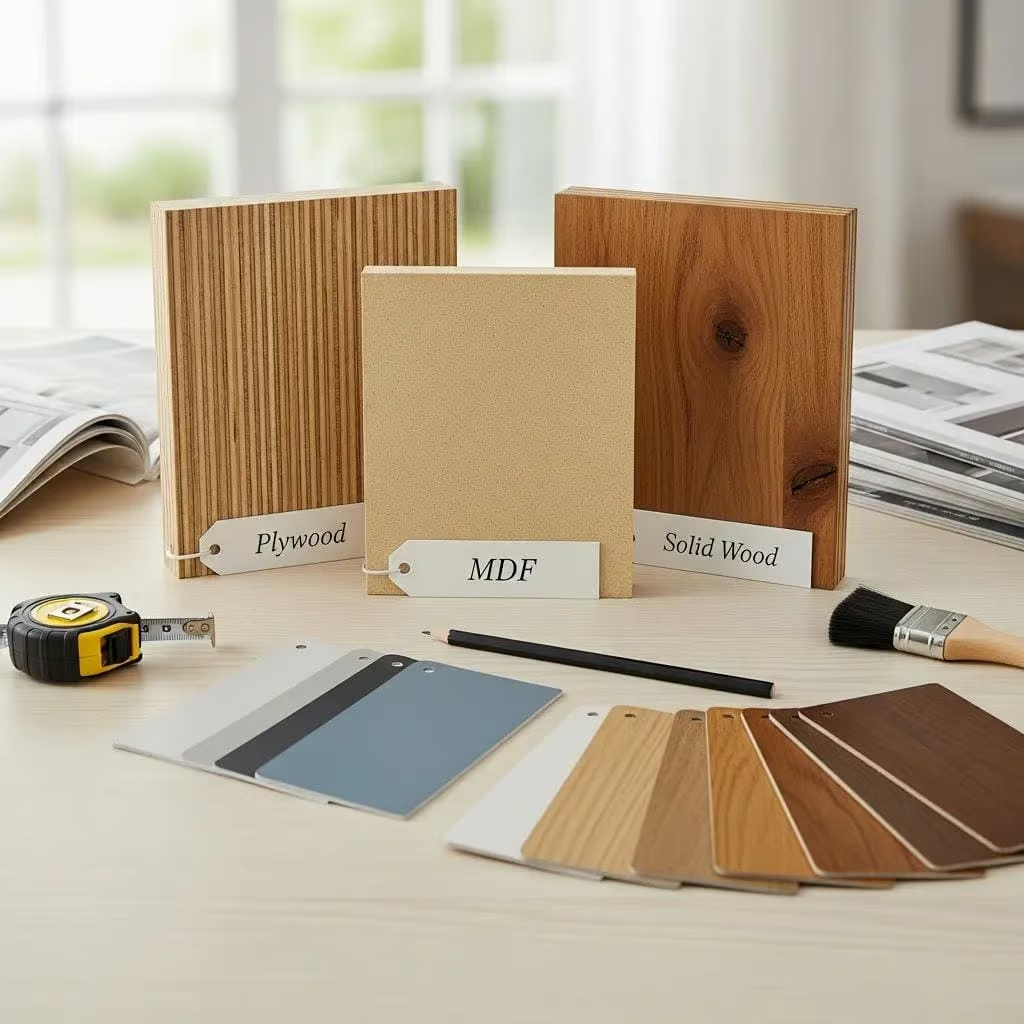
Choosing the right materials for kitchen cabinet remodels is essential for durability, aesthetics, and maintenance.
What Are the Most Durable and Affordable Kitchen Cabinet Materials?
Some of the most durable and affordable materials for kitchen cabinets include:
- Plywood: Offers strength and stability, making it a popular choice for cabinet boxes.
- MDF (Medium-Density Fiberboard): Provides a smooth surface for painting and is cost-effective.
- Solid Wood: Known for its durability and timeless appeal, though it can be more expensive.
These materials balance cost and longevity, ensuring that your cabinets withstand daily use while maintaining their appearance.
How Do Material Choices Affect Cabinet Longevity and Maintenance?
The choice of materials significantly impacts the longevity and maintenance of kitchen cabinets. Solid wood cabinets, while more expensive, can last for decades with proper care. Plywood and MDF are more affordable but may require more frequent maintenance, especially if exposed to moisture.
Regular cleaning and avoiding harsh chemicals can extend the life of all cabinet types, but solid wood generally requires less upkeep over time.
What Are the Latest Style Trends in Kitchen Cabinet Remodeling?
Staying updated on the latest style trends can help homeowners make informed decisions about their kitchen remodels.
Which Kitchen Cabinet Styles Are Popular in 2025-2026?
In 2025-2026, popular kitchen cabinet styles include:
- Shaker Style: Known for its clean lines and simplicity, this style remains a favorite for modern kitchens.
- Flat-Panel Cabinets: Offering a sleek, contemporary look, flat-panel cabinets are ideal for minimalist designs.
- Two-Tone Cabinets: Combining different colors or finishes adds visual interest and depth to kitchen designs.
These styles reflect current design preferences, emphasizing both functionality and aesthetics.
How Can Cabinet Hardware and Finishes Enhance Remodels?
Cabinet hardware and finishes play a crucial role in enhancing the overall look of remodeled cabinets.
- Hardware: Choosing the right knobs and pulls can elevate the design, with options ranging from sleek modern styles to vintage-inspired pieces.
- Finishes: Matte, glossy, or textured finishes can dramatically change the appearance of cabinets, allowing for personalization and style expression.
Investing in quality hardware and finishes can significantly impact the final outcome of your kitchen remodel.
How Can Homeowners Maintain and Extend the Life of Remodeled Cabinets?
Proper maintenance is key to ensuring the longevity of remodeled cabinets.
What Are Best Practices for Maintaining Refinished and Refaced Cabinets?
To maintain refinished and refaced cabinets, homeowners should:
- Regularly Clean: Use a soft cloth and mild detergent to clean surfaces, avoiding abrasive cleaners that can damage finishes.
- Avoid Excess Moisture: Keep cabinets dry to prevent warping and damage, especially for wood materials.
- Inspect for Damage: Regularly check for signs of wear or damage and address issues promptly to prevent further deterioration.
These practices can help keep cabinets looking new and functioning well for years.
When Should You Consider Repair or Further Remodeling?
Homeowners should consider repair or further remodeling when cabinets show significant signs of damage, such as deep scratches, water damage, or structural issues. If the cabinets no longer meet functional needs or aesthetic preferences, it may be time to explore replacement or more extensive remodeling options.
By understanding the differences between replacement, refacing, and refinishing, as well as the associated costs and maintenance practices, homeowners can make informed decisions that enhance their kitchen’s beauty and functionality.


