

Interior Painting for Rental Properties: Comprehensive Landlord Guide to Paint Types, Maintenance, and Cost Management
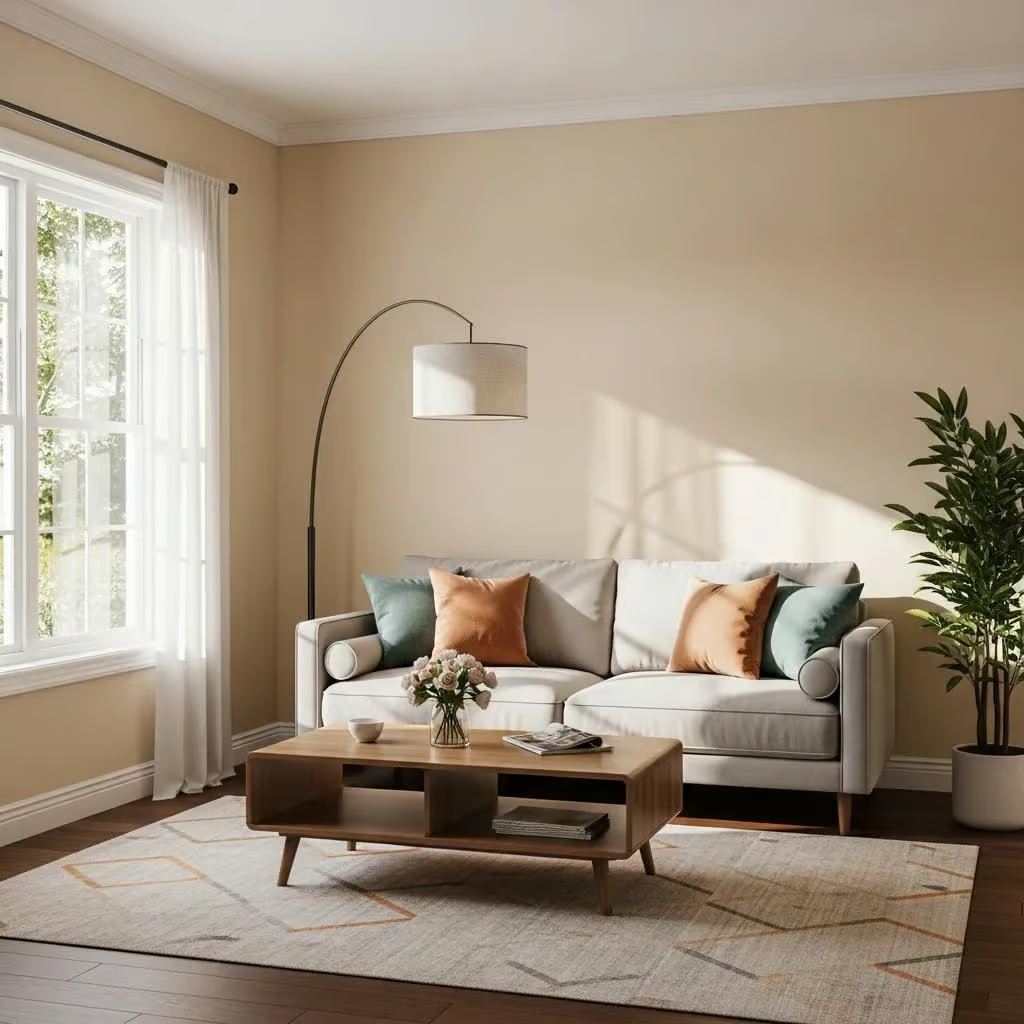
Interior painting is a crucial aspect of maintaining rental properties, as it not only enhances aesthetic appeal but also preserves property value. Landlords must understand the various paint types, their durability, and maintenance requirements to ensure a successful painting strategy. This guide will delve into the best interior paint options for rental properties, effective maintenance scheduling, cost management strategies, and the importance of coordinating painting with roofing maintenance. By addressing these key areas, landlords can create a welcoming environment for tenants while safeguarding their investment.
What Are the Best Interior Paint Types for Rental Properties?
Choosing the right interior paint is essential for rental properties, as it impacts both durability and tenant satisfaction. The best interior paints for landlords typically include options that are easy to clean, resistant to wear, and safe for occupants. Selecting high-quality paints can significantly reduce the frequency of repainting, ultimately saving costs in the long run.
Which Paint Finishes Offer Durability and Easy Maintenance?
When considering paint finishes, landlords should focus on those that provide durability and ease of maintenance. Satin and eggshell finishes are popular choices for rental properties due to their balance of sheen and washability. These finishes resist stains and can be easily cleaned, making them ideal for high-traffic areas. Additionally, semi-gloss finishes are excellent for trim and moldings, as they offer enhanced durability and can withstand frequent cleaning.
How Do Low VOC Paints Benefit Tenant Health and Safety?
Low VOC (volatile organic compounds) paints are an excellent choice for rental properties, as they contribute to improved indoor air quality. These paints emit fewer harmful chemicals, making them safer for tenants, especially those with allergies or respiratory issues. By opting for low VOC paints, landlords not only enhance tenant health but also demonstrate a commitment to sustainability, which can be a selling point for environmentally conscious renters.
How Should Landlords Plan and Schedule Interior Painting Maintenance?
Effective planning and scheduling of interior painting maintenance are vital for landlords to maintain the aesthetic and functional quality of their properties. Establishing a clear maintenance schedule helps ensure that properties remain in good condition and can prevent costly repairs in the future.
What Are Landlord Responsibilities for Rental Property Painting?
Landlords have specific responsibilities regarding the maintenance and painting of rental properties. They must ensure that the property is safe and habitable, which includes maintaining the interior in good condition. This responsibility often involves regular inspections and timely repainting to address wear and tear. Additionally, landlords should communicate with tenants about any planned maintenance to minimize disruptions.
How Often Should Rental Interiors Be Painted to Preserve Value?
The frequency of interior painting can vary based on several factors, including tenant turnover, property type, and the quality of the paint used. Generally, it is advisable to repaint rental interiors every 3 to 5 years to preserve the property’s value and appeal. High-traffic areas may require more frequent touch-ups, while less-used spaces can go longer between paint jobs.
What Are Cost-Effective Strategies for Rental Property Painting?
Cost management is a critical aspect of maintaining rental properties, and painting is no exception. Landlords can implement several strategies to ensure that painting remains within budget while still achieving high-quality results.
How to Budget for Interior Painting in Rental Property Maintenance?
Creating a realistic budget for interior painting involves considering both materials and labor costs. Landlords should research local paint prices and labor rates to develop an accurate estimate. Additionally, setting aside a contingency fund for unexpected expenses can help manage costs effectively. By planning ahead, landlords can avoid financial strain when it comes time to repaint.
Which Durable Paint Options Provide Long-Term Savings?
Investing in durable paint options can lead to significant long-term savings for landlords. High-quality paints may have a higher upfront cost but often require less frequent repainting due to their durability. Brands that offer stain-resistant and washable finishes can help maintain the property’s appearance over time, reducing the need for costly touch-ups.
How Does Roofing Impact Interior Painting and Rental Property Upkeep?
The condition of a property’s roofing can significantly affect the interior painting and overall maintenance of rental properties. Proper roofing maintenance is essential to prevent water damage and other issues that can compromise the integrity of the interior.
How Does Roofing Maintenance Prevent Interior Water Damage?
Regular roofing maintenance is crucial for preventing leaks and water damage that can lead to costly repairs. Landlords should schedule routine inspections and maintenance to ensure that roofs are in good condition. By addressing roofing issues promptly, landlords can protect their investments and maintain the quality of their interior spaces.
Why Coordinate Roofing and Interior Painting for Optimal Property Care?
Coordinating roofing and interior painting efforts can lead to optimal property care. When both aspects are addressed simultaneously, landlords can ensure that any potential water damage is resolved before painting begins. This proactive approach not only enhances the property’s appearance but also extends the lifespan of both the roof and the interior finishes.
What Tenant-Friendly Painting Tips Should Landlords Consider?
Landlords should consider tenant-friendly painting practices to enhance tenant satisfaction and minimize disruptions during maintenance. By implementing thoughtful strategies, landlords can create a positive experience for their tenants.
Can Tenants Paint Rental Units? Guidelines and Best Practices
Allowing tenants to paint rental units can be a great way to enhance their satisfaction, but it should be done with clear guidelines. Landlords should establish rules regarding color choices and the quality of paint used. Additionally, requiring tenants to return the unit to its original color upon move-out can help maintain the property’s appearance.
How to Choose Paints That Minimize Odors and Disruption?
Selecting low-odor and low-VOC paints can significantly reduce disruptions during the painting process. These paints not only improve indoor air quality but also allow tenants to remain in the property during painting. Landlords should communicate with tenants about the painting schedule and any necessary preparations to ensure a smooth process.
Different paint options and their costs can be compared to help landlords make informed decisions about their painting strategies.
This table illustrates the variety of paint options available, allowing landlords to choose based on their budget and desired quality.
By understanding the best practices for interior painting, landlords can effectively manage their rental properties while ensuring tenant satisfaction and maintaining property value. The integration of durable paint options, low VOC choices, and strategic maintenance planning will contribute to a successful rental experience for both landlords and tenants.


