
Interior Ceiling Painting Guide: How to Achieve a Flawless Finish with Expert Tips
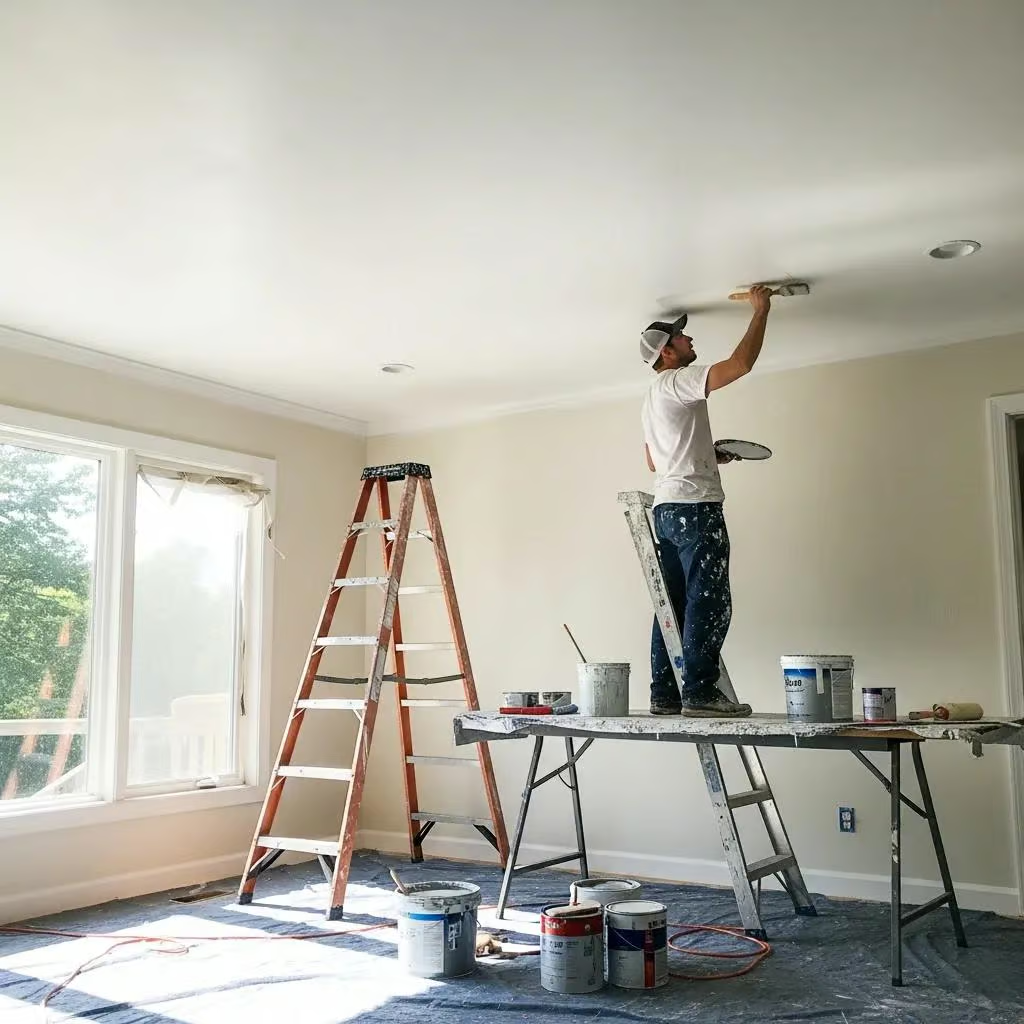
Painting your interior ceiling can transform the ambiance of a room, making it feel brighter and more spacious. This comprehensive guide will provide you with essential tips and techniques to achieve a flawless finish when painting your ceiling. Whether you’re a homeowner looking to refresh your space or a commercial property manager preparing for a renovation, understanding the right methods and materials is crucial. Many individuals struggle with uneven finishes and streaks, which can detract from the overall aesthetic. By following expert advice, you can ensure a smooth application and long-lasting results. This article will cover the necessary tools and materials, preparation steps, effective painting techniques, troubleshooting common issues, maintenance tips, and how ceiling painting can complement roofing services for home improvement.
What Are the Essential Tools and Materials Needed for Ceiling Painting?
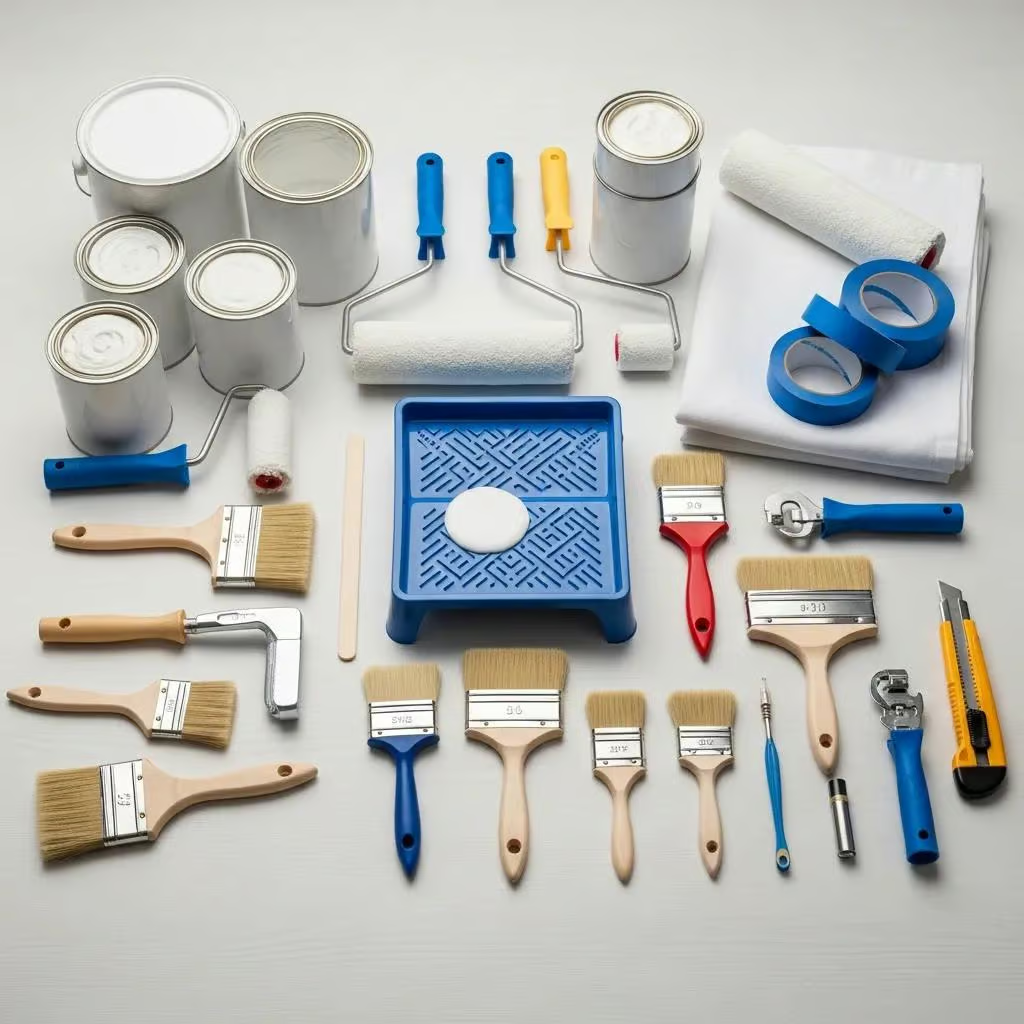
To achieve a flawless ceiling finish, having the right tools and materials is essential. The following items are necessary for a successful painting project:
- Paint: Choose between latex paint for easy cleanup and oil-based paint for durability.
- Primer: A good primer ensures better adhesion and a uniform finish.
- Rollers and Brushes: Use ceiling rollers for large areas and brushes for edges and corners.
- Drop Cloths: Protect your floors and furniture from paint splatters.
- Painter’s Tape: Use this to mask off areas you don’t want to paint.
Different types of paint and tools can significantly impact the outcome of your project.
This table highlights the essential tools and materials needed for ceiling painting, ensuring you are well-equipped for the task ahead.
Which Paint Types Are Best for Interior Ceilings?
When selecting paint for your ceiling, consider the following options:
- Latex Paint: This water-based option is easy to clean and dries quickly, making it a popular choice for most interior ceilings.
- Oil-Based Paint: Known for its durability, oil-based paint is ideal for high-traffic areas but requires solvents for cleanup.
- Flat Finish: A flat finish helps hide imperfections and is commonly used for ceilings, providing a non-reflective surface.
Choosing the right paint type can enhance the overall look and longevity of your ceiling.
How Should You Prepare Your Ceiling for a Smooth Paint Application?
Proper preparation is key to achieving a smooth paint application. Here are the essential steps to prepare your ceiling effectively:
- Clean the Surface: Remove dust, cobwebs, and grease to ensure proper adhesion.
- Repair Imperfections: Fill any cracks or holes with spackle and sand the surface smooth.
- Tape Off Areas: Use painter’s tape to protect walls and trim from paint splatters.
By following these preparation steps, you can create an ideal surface for painting.
What Surface Preparation Steps Ensure Optimal Paint Adhesion?
To ensure optimal paint adhesion, follow these detailed steps:
- Cleaning: Use a damp cloth to wipe down the ceiling, removing any dust or debris.
- Sanding: Lightly sand any rough areas to create a smooth surface.
- Priming: Apply a primer to enhance adhesion, especially if you’re painting over a darker color or a glossy finish.
These preparation steps are crucial for achieving a professional-looking finish.
How to Protect Surrounding Areas During Ceiling Painting?
Protecting surrounding areas is essential to avoid unwanted paint splatters. Here are some effective methods:
- Use Drop Cloths: Lay down drop cloths on the floor and cover furniture to catch any drips.
- Tape Edges: Apply painter’s tape along the edges of walls and trim to create clean lines.
- Secure Covers: Use plastic sheeting to cover larger furniture items and fixtures.
Taking these precautions will help maintain a clean workspace and prevent damage to your belongings.
What Are the Most Effective Ceiling Painting Techniques to Avoid Streaks?
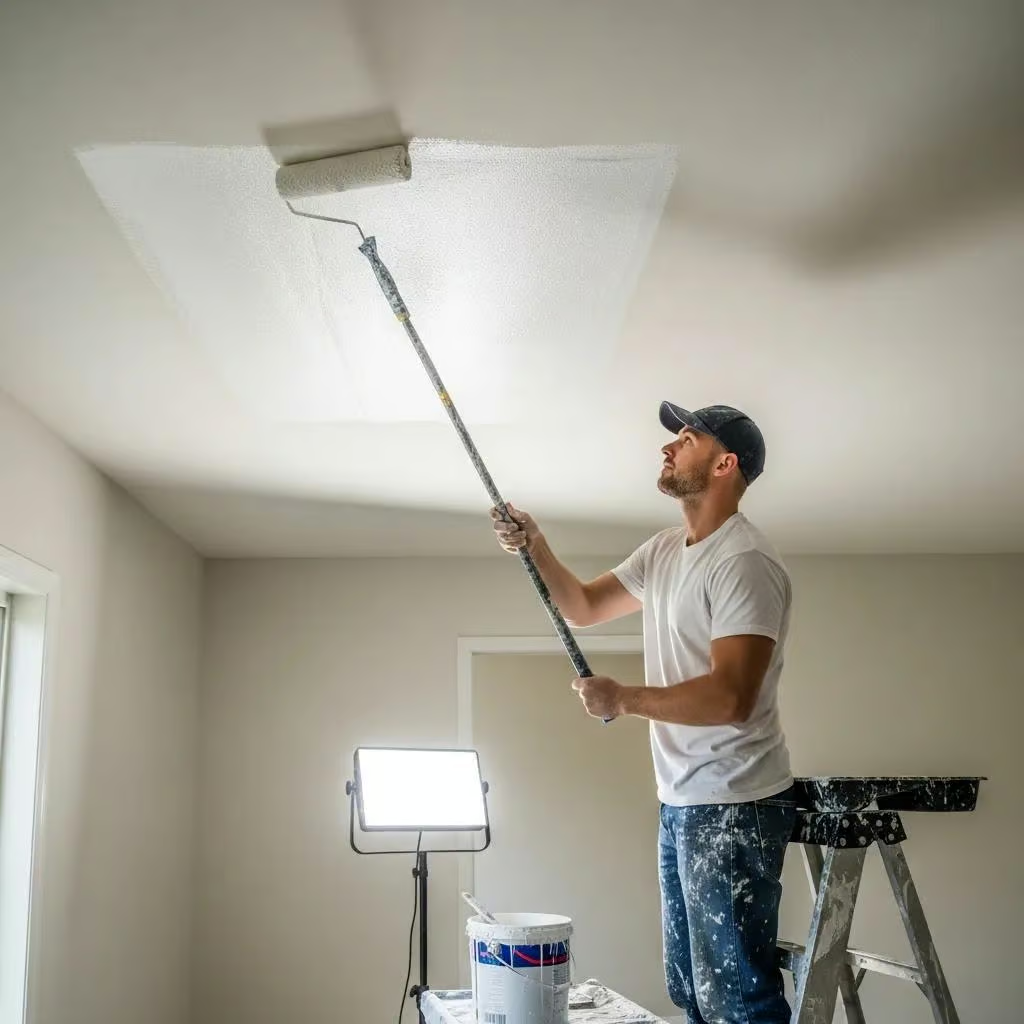
To achieve a streak-free finish, employing effective painting techniques is vital. Here are some strategies to consider:
- Use Even Pressure: Apply consistent pressure when using rollers to avoid uneven application.
- Work in Sections: Paint in small sections, blending each area as you go to prevent lap marks.
- Consider Lighting: Ensure adequate lighting to see any missed spots or streaks during application.
These techniques will help you achieve a professional-looking ceiling.
How to Paint Ceiling Edges with Precision and Clean Lines?
Painting edges with precision requires careful technique. Follow these steps for clean lines:
- Use an Angled Brush: An angled brush allows for better control when painting edges.
- Apply Painter’s Tape: Tape off the edges to create a barrier and prevent paint from bleeding onto walls.
- Feather the Edges: Lightly feather the edges of the paint to blend it seamlessly with the rest of the ceiling.
These methods will ensure that your edges are sharp and clean.
Further research explores innovative tools designed to enhance the precision and quality of painting ceiling edges, addressing common challenges with traditional methods.
Improving Ceiling Edge Painting Quality with New Tools
In the painting process, many tools have been proposed to paint the wall and keep the ceiling from being exposed to the paint color. The workers’ main problem is that they have to use a ladder to reach the ceiling and place tape between the wall and ceiling. This technique was employed to shield the paint-exposed area, particularly when the ceiling and wall were painted in contrasting colors. Because the tape absorbs the color of the painting, its quality typically does not match the ceiling’s surface, and when the worker tries to remove it, the color is still visible on the ceiling. The objective of the study is to implement a new additional tool to attach to the paintbrush in order to paint between the ceiling and wall area smoothly and neatly.
Improving Work Quality in Painting Between Wall and Ceiling Areas Using a Paint Edger, WNAW Draman, 2025
What Roller and Brush Methods Deliver a Uniform Finish?
Using the right roller and brush methods is essential for a uniform finish. Consider the following:
- Choose the Right Roller: A roller with a thick nap is ideal for textured ceilings, while a smooth roller works best for flat surfaces.
- Load the Roller Properly: Avoid overloading the roller with paint to prevent drips and uneven application.
- Use a Brush for Touch-Ups: After rolling, use a brush to touch up any missed spots or edges.
Implementing these methods will help you achieve a consistent and smooth finish.
How Can You Troubleshoot and Prevent Common Ceiling Painting Issues?
Even with careful preparation, issues can arise during painting. Here are common problems and their solutions:
- Streaks: Often caused by uneven application or insufficient paint. Ensure even pressure and proper roller technique.
- Drips: Caused by overloading the roller. Use a lighter touch and roll excess paint off before applying.
- Peeling Paint: This can occur if the surface wasn’t properly prepared. Ensure thorough cleaning and priming before painting.
By understanding these common issues, you can troubleshoot effectively and maintain a high-quality finish.
What Causes Streaks and How to Avoid Them?
Streaks can be frustrating, but they are often preventable. Here are some causes and solutions:
- Uneven Application: Ensure consistent pressure and technique when rolling.
- Poor Lighting: Work in well-lit areas to spot streaks as you paint.
- Inadequate Drying Time: Allow each coat to dry fully before applying the next.
By addressing these factors, you can minimize the risk of streaks.
Which Primers and Finishes Enhance Paint Durability and Appearance?
Choosing the right primers and finishes can significantly enhance the durability and appearance of your ceiling. Consider these options:
- High-Quality Primer: A good primer improves adhesion and helps achieve a uniform finish.
- Matte Finish: A matte finish is ideal for ceilings, as it hides imperfections and reduces glare.
- Durable Topcoat: For high-traffic areas, consider a durable topcoat that can withstand wear and tear.
These choices will contribute to a long-lasting and visually appealing ceiling.
What Maintenance Tips Prolong the Beauty of Your Painted Ceiling?
Maintaining your painted ceiling is essential for preserving its beauty. Here are some tips:
- Regular Cleaning: Dust the ceiling regularly to prevent buildup.
- Touch-Up Paint: Keep a small amount of leftover paint for quick touch-ups as needed.
- Inspect for Damage: Regularly check for signs of wear or damage and address them promptly.
These maintenance practices will help keep your ceiling looking fresh and new.
How to Clean and Touch Up Painted Ceilings Effectively?
Cleaning and touching up painted ceilings can be done effectively with these steps:
- Use a Soft Cloth: Gently wipe the ceiling with a soft, damp cloth to remove dust.
- Spot Clean Stains: For stains, use a mild detergent and water solution, testing in an inconspicuous area first.
- Apply Touch-Up Paint: Use a small brush to apply touch-up paint to any damaged areas, feathering the edges for a seamless blend.
These methods will help maintain the integrity of your ceiling’s finish.
When to Consider Repainting or Professional Consultation?
Knowing when to repaint or seek professional help is crucial. Consider these indicators:
- Visible Damage: If you notice significant peeling or cracking, it may be time to repaint.
- Aging Indicators: Over time, ceilings can yellow or fade, indicating a need for fresh paint.
- Professional Assessment: If you’re unsure, consulting a professional can provide valuable insights and recommendations.
Recognizing these signs will help you make informed decisions about your ceiling maintenance.
How Can Interior Ceiling Painting Complement Roofing Services for Home Improvement?
Interior ceiling painting can significantly enhance the overall aesthetic of your home, especially when coordinated with roofing services. A cohesive approach to home improvement can lead to increased property value and a more appealing living environment.
Why Request a Roofing Project Consultation Alongside Ceiling Painting?
Combining ceiling painting with roofing services offers several advantages:
- Comprehensive Assessment: A roofing consultation can identify any underlying issues that may affect your ceiling.
- Coordinated Planning: Scheduling both projects together can save time and reduce costs.
- Cost Efficiency: Bundling services often leads to better pricing and resource allocation.
This integrated approach ensures that both your ceiling and roof are in optimal condition.
How Does Coordinated Maintenance Enhance Property Value and Longevity?
Coordinated maintenance of your ceiling and roof can enhance your property’s value and longevity. Here’s how:
- Preventative Maintenance: Regular upkeep prevents larger issues down the line, saving you money.
- Value Enhancement: A well-maintained home is more attractive to potential buyers.
- Durability Factors: Proper maintenance extends the lifespan of both your ceiling and roof, ensuring long-term satisfaction.
By prioritizing coordinated maintenance, you can protect your investment and enhance your home’s appeal.


