
How to Prepare Your Home Exterior for Painting: A Complete Checklist
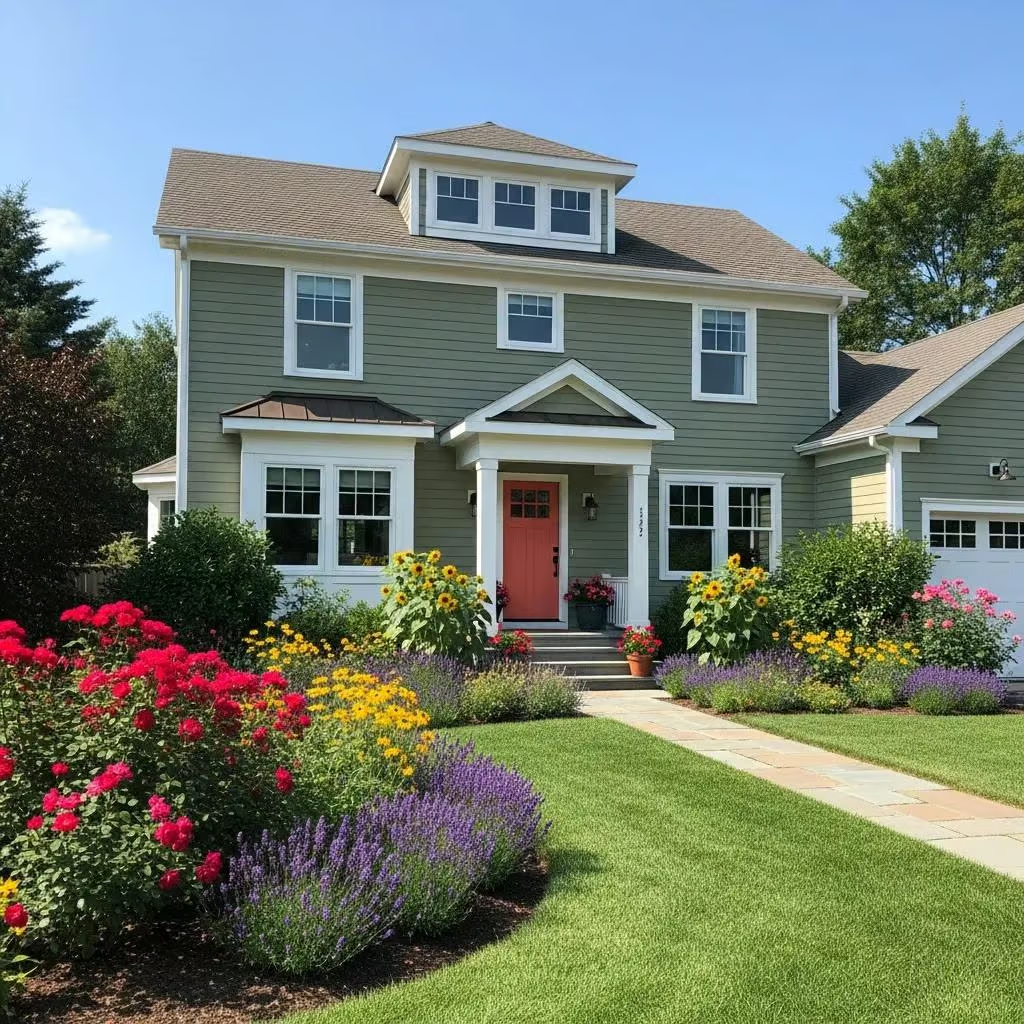
How to Prepare Your Home Exterior for Painting: A Complete Exterior House Painting Checklist for Homeowners
Preparing your home exterior for painting is a crucial step that can significantly impact the longevity and appearance of your paint job. This comprehensive guide will walk you through essential preparation steps, ensuring your home is ready for a fresh coat of paint. By following this checklist, you will learn how to effectively inspect your roof, clean surfaces, remove old paint, caulk gaps, choose the right primers, and consider weather conditions. Each of these steps plays a vital role in achieving a professional finish that not only enhances your home’s curb appeal but also protects it from the elements.
In this article, we will cover the importance of roof inspection, effective surface cleaning techniques, methods for removing old paint, best practices for caulking, how to choose and apply primers, and the weather conditions you should consider before starting your painting project.
Why Is Roof Inspection Essential Before Exterior Painting?
A roof inspection is essential before exterior painting because it helps identify any damage that could affect the painting process. By ensuring your roof is in good condition, you can prevent future problems and ensure proper preparation for painting. A thorough inspection allows you to address any issues, such as leaks or missing shingles, which could compromise the integrity of your paint job.
How Does Roof Condition Affect Paint Longevity?
The condition of your roof directly impacts the longevity of your paint. If your roof has leaks or damage, moisture can seep into the walls, leading to peeling paint and mold growth. Addressing roof issues before painting ensures that your paint adheres properly and lasts longer, saving you time and money in the long run.
What Are Key Roof Repair Steps Prior to Painting?
Before painting, it is crucial to take the following steps for roof repair:
- Recognize Signs of Damage: Look for missing shingles, leaks, or signs of wear.
- Document Damage: Take photos and notes to discuss with a contractor.
- Choose a Trusted Contractor: Hire a professional to address any necessary repairs.
By following these steps, you can ensure that your roof is in optimal condition for painting.
Essential Checklist for Preparing Your Home Exterior for Painting
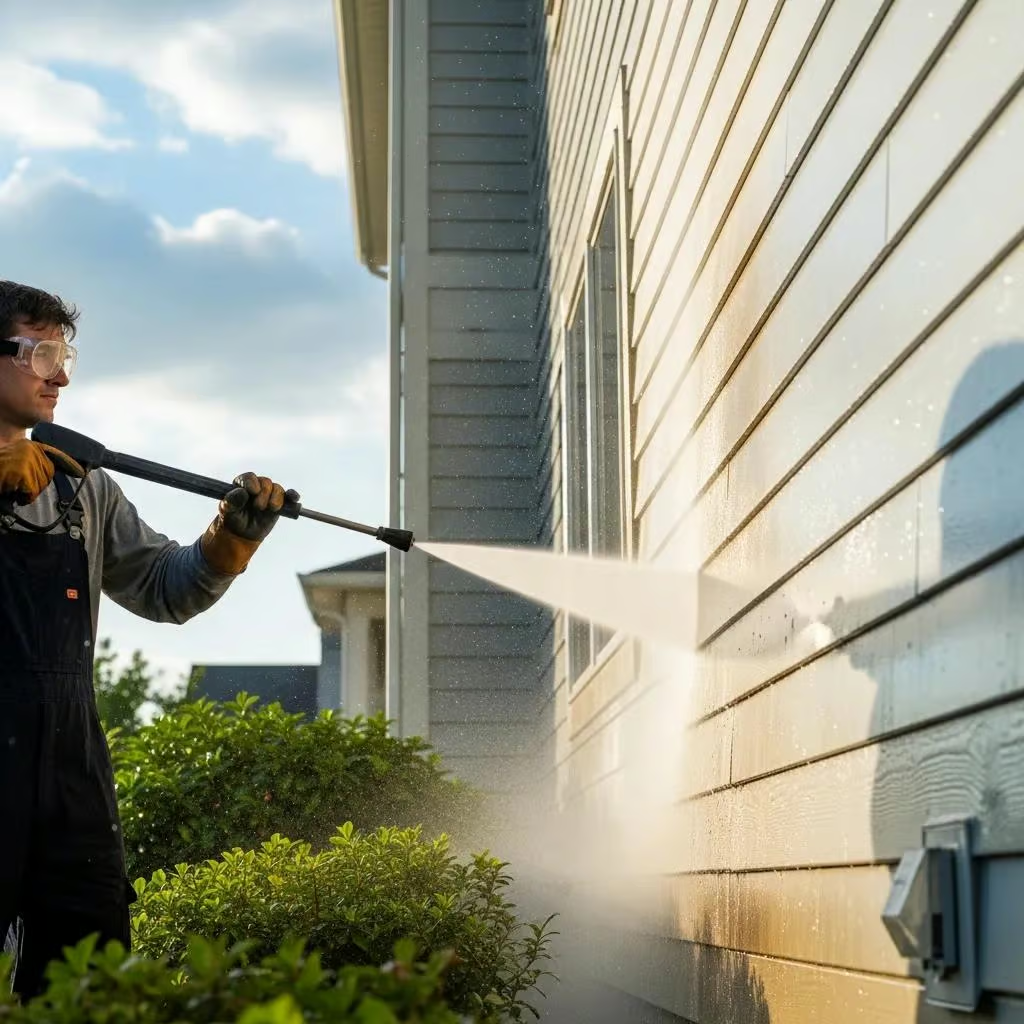
Effective surface cleaning is vital for ensuring that paint adheres properly to your home’s exterior. Here are some techniques to consider:
- Power Washing: This method removes dirt, mildew, and old paint, providing a clean surface for painting.
- Scrubbing Techniques: For stubborn stains, use a scrub brush with a cleaning solution to ensure all surfaces are clean.
- Protecting Surrounding Areas: Cover plants and outdoor furniture to prevent damage from cleaning solutions.
How to Clean Different Surface Types Before Painting?
Different surfaces require specific cleaning methods. For example:
- Wood: Use a mild detergent and scrub with a brush to remove dirt and mildew.
- Vinyl: A power washer can effectively clean vinyl siding without damaging it.
- Stucco: Scrubbing with a stiff brush and a cleaning solution is recommended to remove grime.
Which Tools Are Recommended for Exterior Surface Cleaning?
To effectively clean your home’s exterior, consider using the following tools:
- Power Washer: Ideal for large areas and tough stains.
- Scrub Brushes: Useful for detailed cleaning on various surfaces.
- Cleaning Solutions: Choose appropriate solutions for different materials to avoid damage.
How to Remove Old Paint and Smooth Surfaces for Painting?
Removing old paint is a critical step in preparing surfaces for a new coat. It ensures that the new paint adheres properly and provides a smooth finish.
What Are Safe and Efficient Paint Removal Methods?
There are several methods for safely removing old paint:
- Chemical Strippers: These can effectively dissolve paint but require careful handling and safety precautions.
- Mechanical Methods: Sanding or scraping can remove paint but may damage the underlying surface if not done carefully.
- Heat Guns: These can soften paint for easy removal but should be used with caution to avoid burns or fire hazards.
How to Prepare Surfaces for Primer Application?
Preparing surfaces for primer application involves several key steps:
- Ensure Surfaces Are Clean: Remove dust, dirt, and old paint.
- Sand Surfaces Smooth: Use sandpaper to create a smooth surface for better adhesion.
- Fill Any Holes or Cracks: Use a suitable filler to ensure a uniform surface.
What Are Best Practices for Caulking and Sealing Exterior Gaps?
Caulking and sealing gaps is essential for preventing moisture infiltration and ensuring the durability of your paint job.
How to Identify and Seal Cracks and Gaps Effectively?
To effectively seal cracks and gaps, follow these steps:
- Visual Examination: Inspect areas around windows, doors, and joints for visible gaps.
- Use of Diagnostic Tools: A caulking gun and appropriate sealant can help fill gaps effectively.
Why Is Proper Sealing Critical for Paint Durability?
Proper sealing is crucial because it prevents moisture from entering the walls, which can lead to paint peeling and mold growth. By sealing gaps, you enhance the longevity of your paint job and protect your home from water damage.
How to Choose and Apply Primers for Exterior Surfaces?
Choosing the right primer is essential for ensuring that your paint adheres well and lasts longer.
What Types of Primers Are Suitable for Different Materials?
Different materials require specific types of primers:
- Wood: Use an oil-based primer to prevent tannin bleed.
- Metal: A rust-inhibiting primer is essential for metal surfaces.
- Stucco: A high-adhesion primer is recommended for stucco to ensure proper bonding.
How Does Priming Improve Paint Adhesion and Lifespan?
Priming improves paint adhesion by creating a uniform surface that enhances the bond between the paint and the substrate. This leads to a longer-lasting finish and reduces the likelihood of peeling or chipping.
This table illustrates the importance of selecting the right primer for different materials to achieve optimal results.
What Weather Conditions and Safety Measures Should You Consider?
Weather conditions play a significant role in the success of your painting project.
When Is the Best Time to Paint Based on Weather?
The best time to paint is during mild weather conditions, typically when temperatures are between 50°F and 85°F. Avoid painting during high humidity or extreme temperatures, as these can affect paint adhesion and drying times.
What Safety Equipment and Precautions Are Necessary?
When preparing to paint, ensure you have the following safety equipment:
- Protective Eyewear: To shield your eyes from paint splatters.
- Respirators: To avoid inhaling fumes from paint and solvents.
- Gloves: To protect your skin from chemicals and paint.
By considering these weather conditions and safety measures, you can ensure a successful and safe painting project.
Baker Roofing Company is a specialized roofing service provider focused on installation, repair, and maintenance of roofing systems. If you need assistance with roof inspections or repairs before your painting project, consider reaching out to professionals for a thorough evaluation. Proper roof maintenance is essential for ensuring that your home is ready for a fresh coat of paint, ultimately enhancing both its appearance and durability.


