
How to Paint Over Dark Colors: Professional Tips and Techniques
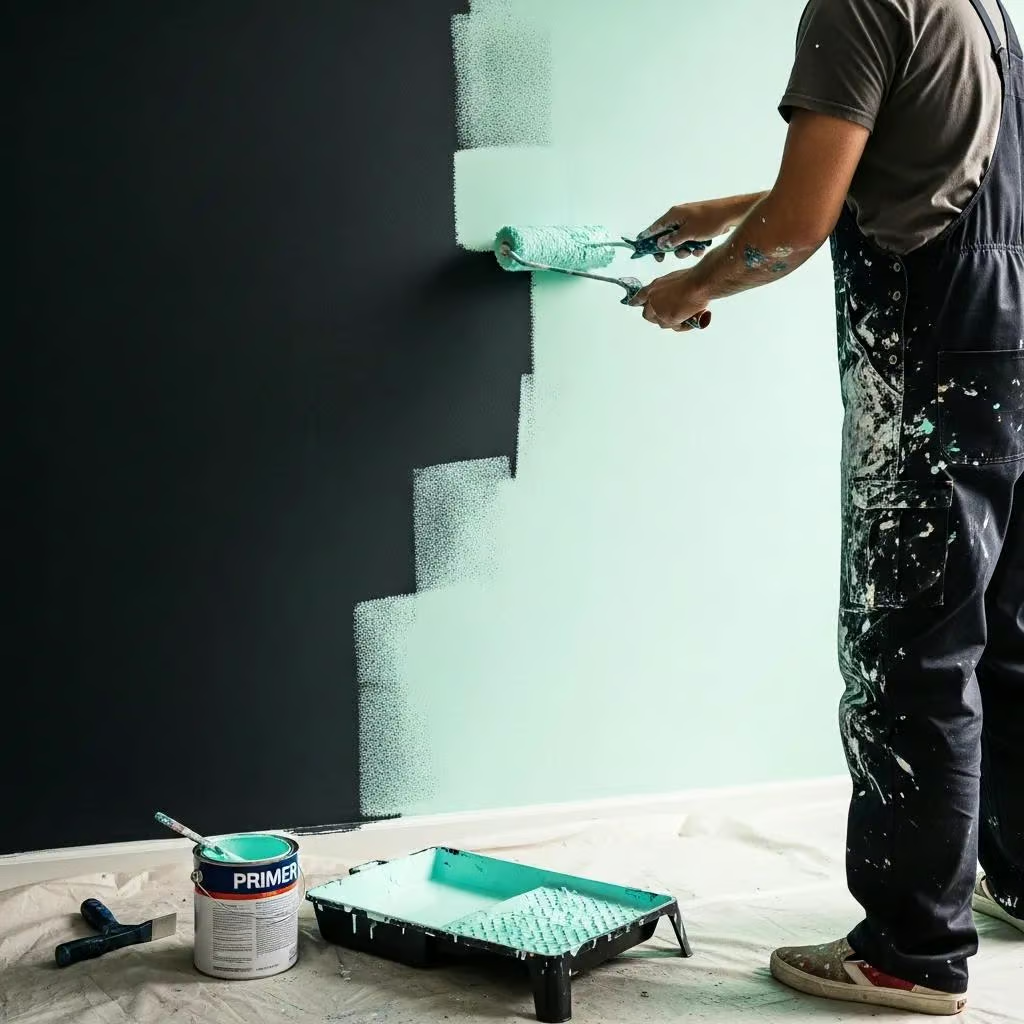
Painting over dark colors can be a daunting task for many homeowners and DIY enthusiasts. The challenge lies in achieving a clean, vibrant finish without the dark hue bleeding through. This article will provide you with professional tips and techniques to effectively cover dark paint on interior walls. You will learn about the challenges associated with dark colors, the best primers to use, step-by-step techniques for successful painting, essential tools and materials, common mistakes to avoid, and how painting preparation relates to roofing and exterior maintenance. By the end, you will be equipped with the knowledge to tackle your painting project with confidence.
What Challenges Arise When Painting Over Dark Colors?
Painting over dark colors presents several challenges that can complicate the process. The primary issues include coverage difficulty, color bleed-through, and increased paint consumption. These factors can lead to frustration and unsatisfactory results if not addressed properly.
Why Do Dark Paints Require Special Preparation?
Dark paints require special preparation because they can absorb light and create a shadow effect, making it difficult for lighter colors to cover them effectively. Proper cleaning of the surface is essential to remove any dust or grease that could interfere with adhesion. Additionally, protecting non-painted areas and filling any holes or imperfections ensures a smooth finish. This preparation is crucial for achieving the desired outcome when painting over dark colors.
How Does Surface Type Affect Painting Dark Walls?
The type of surface being painted significantly impacts the painting process. Different materials, such as drywall, plaster, or wood, have unique characteristics that affect paint adhesion and coverage. For instance, porous surfaces may absorb more paint, requiring additional coats, while slick surfaces may need special primers to ensure proper adhesion. Understanding these variations helps in selecting the right approach for each project.
Which Primers Are Best for Covering Dark Paint?
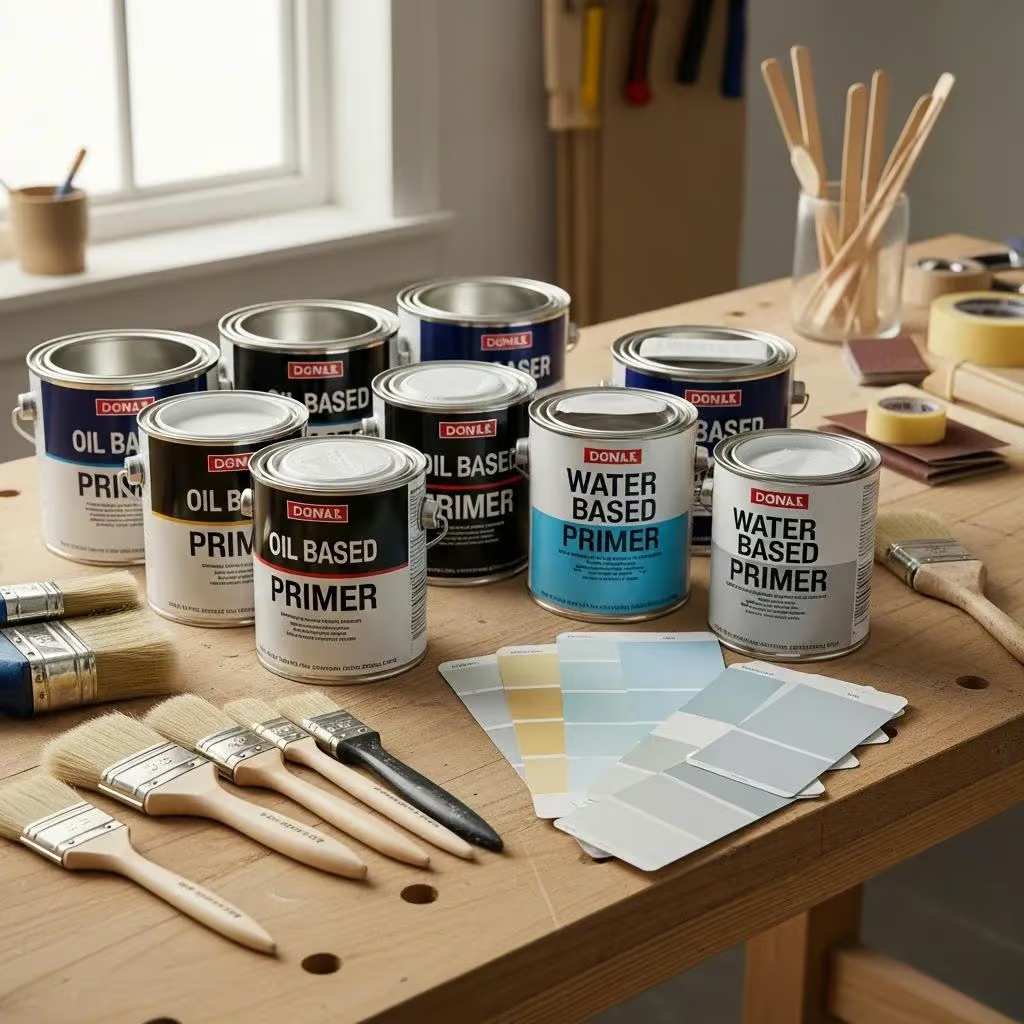
Choosing the right primer is essential for effectively covering dark paint. Primers designed for this purpose can significantly improve the final appearance and durability of the paint job.
What Are the Key Features of Effective Primers for Dark Walls?
Effective primers for dark walls should possess several key features:
- Coverage Ability: A high-opacity formula ensures that the dark color is adequately concealed.
- Drying Time: Quick-drying primers allow for faster project completion.
- Adhesion Properties: Good adhesion prevents peeling and ensures the topcoat adheres properly.
Research into paint formulations, such as incorporating nano-TiO2, further highlights the importance of advanced materials in achieving superior coverage and contrast when painting over dark hues.
Improving Interior Wall Paint Contrast Ratio for Dark Colors
The modification of the traditional interior wall paint was carried out by means of adding nano-TiO2as a functional pigment. By regulating the dosage of dispersant, the nano-particles can be dispersed in paint homogeneously. With two aspects of experiments: dosage of nano-TiO2and pigment volume concentration (PVC), the paint formulation can be optimized and its properties, such as hardness, scrub resistance, storage stability, contrast ratio and gloss can be improved. Finally an interior wall paint with high performance and air purification was prepared.
Preparation and properties of nano-TiO2 modified interior wall paint, 2007
How to Choose Between Different Primer Types for Dark Surfaces?
When selecting a primer for dark surfaces, consider the following factors:
- Oil-based vs. Water-based: Oil-based primers typically offer better coverage but require longer drying times, while water-based primers dry quickly and are easier to clean up.
- Cost Considerations: Higher-quality primers may have a higher upfront cost but can save money in the long run by reducing the number of paint coats needed.
- Application Methods: Some primers are better suited for spray application, while others work best with brushes or rollers.
What Step-by-Step Techniques Ensure Successful Painting Over Dark Colors?
To achieve a successful paint job over dark colors, follow these step-by-step techniques that ensure a smooth and even finish.
How to Prepare Interior Walls Before Painting Over Dark Colors?
Preparing interior walls involves several critical steps:
- Surface Cleaning: Thoroughly clean the walls to remove dust, grease, and any contaminants.
- Protection of Surrounding Areas: Use painter’s tape to protect trim, windows, and floors from paint splatters.
- Filling Imperfections: Patch any holes or cracks with spackle or joint compound, and sand smooth once dry.
What Are the Recommended Painting Methods for Dark Surfaces?
When painting over dark surfaces, consider these effective methods:
- Use of Sprayers vs. Rollers: Sprayers can provide a more even coat, while rollers are better for textured surfaces.
- Layering Techniques: Apply multiple thin coats rather than one thick coat to prevent drips and ensure even coverage.
- Final Inspection Tips: After the final coat, inspect the walls for any missed spots or uneven areas and touch up as needed.
Which Tools and Materials Are Essential for Painting Dark Walls?
Having the right tools and materials is crucial for a successful painting project. Here are the essentials you will need.
What Painting Tools Improve Coverage on Dark Paint?
To improve coverage on dark paint, consider using:
- High-Quality Rollers: Opt for rollers with a thicker nap for better paint absorption.
- Spray Guns: These can provide a smooth finish and are ideal for large areas.
- Brushes: Use angled brushes for cutting in around edges and corners.
How to Select Paint Types Suitable for Lightening Dark Wall Colors?
When selecting paint types for lightening dark wall colors, keep these factors in mind:
- Color Selection: Choose lighter shades that complement your decor.
- Finish Types: Consider matte, eggshell, or satin finishes based on the room’s function and desired look.
- Durability Considerations: Select paints that are washable and resistant to stains, especially in high-traffic areas.
What Common Mistakes Should Be Avoided When Painting Over Dark Colors?

Avoiding common mistakes can save time and ensure a successful paint job. Here are some pitfalls to watch out for.
How Can Improper Primer Use Affect Final Paint Results?
Using the wrong primer can lead to several issues:
- Coverage Issues: Insufficient primer can result in the dark color bleeding through the topcoat.
- Adhesion Problems: A poor-quality primer may not adhere well, leading to peeling or chipping.
- Color Bleed-Through: Without proper primer, the underlying dark color can affect the final appearance of the paint.
What Are the Risks of Skipping Surface Preparation?
Skipping surface preparation can have serious consequences:
- Poor Paint Adhesion: Without proper cleaning and priming, paint may not stick, leading to premature failure.
- Increased Costs: Repainting due to poor preparation can be costly and time-consuming.
- Long-Term Damage: Neglecting preparation can result in long-term damage to the walls, requiring more extensive repairs.
How Does Painting Preparation Relate to Roofing and Exterior Maintenance?
Understanding the connection between painting preparation and roofing maintenance can enhance your overall home maintenance strategy.
Why Is Coordinated Exterior Wall and Roofing Maintenance Important?
Coordinated maintenance of exterior walls and roofing is essential for several reasons:
- Prevention of Water Damage: Properly maintained roofs and walls prevent leaks and water intrusion.
- Extending Lifespan of Materials: Regular maintenance can prolong the life of both roofing and wall materials.
- Cost Efficiency: Addressing issues early can save significant repair costs in the long run.
How Can Professional Roofing Consultations Support Renovation Projects?
Professional roofing consultations can provide valuable insights during renovation projects:
- Expert Assessments: Professionals can identify potential issues that may affect painting and overall home integrity.
- Identifying Necessary Repairs: Early detection of roofing problems can prevent complications during painting.
- Navigating Insurance Claims: Experts can assist homeowners in understanding and managing insurance claims related to roofing and exterior damage.


