

How to Paint Interior Trim and Baseboards Like a Pro: Expert Techniques and Best Practices
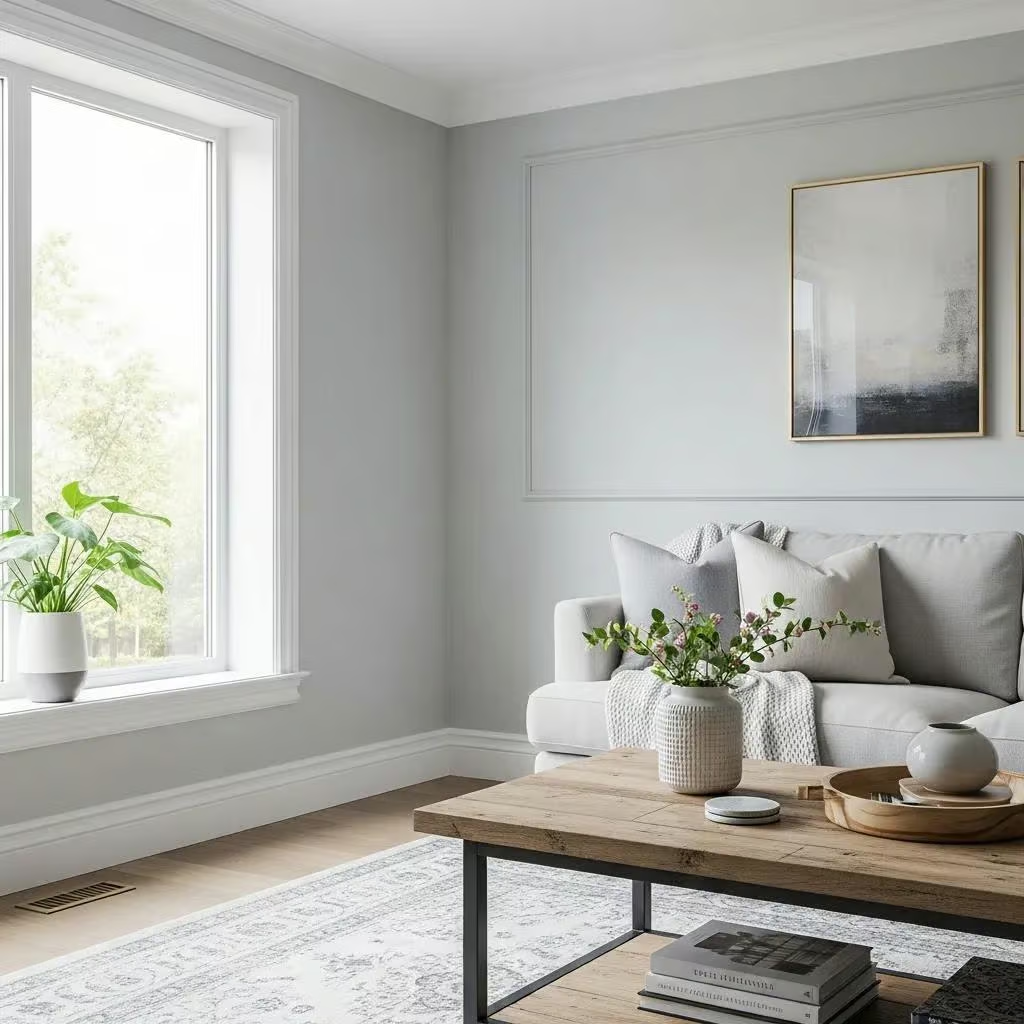
Painting interior trim and baseboards can significantly enhance the aesthetic appeal of your home, providing a polished and professional finish. This guide will walk you through the essential techniques and best practices for achieving a flawless paint job on your trim and baseboards. You will learn about the necessary preparation steps, the best types of paint and finishes, and the techniques that ensure a smooth application without brush marks. Many homeowners struggle with achieving a professional look, often resulting in uneven finishes or visible brush strokes. By following the expert advice in this article, you can transform your interior spaces with beautifully painted trim and baseboards. We will cover preparation steps, paint types, application techniques, and maintenance tips to ensure your work lasts.
What Are the Essential Preparation Steps for Painting Interior Trim and Baseboards?
Preparation is crucial for achieving a professional-looking paint job on your interior trim and baseboards. Proper preparation ensures that the paint adheres well and provides a smooth finish. The essential steps include cleaning the surfaces, protecting areas that should not be painted, and applying primer before painting.
Indeed, the importance of thorough surface preparation for optimal paint adhesion cannot be overstated.
Essential Surface Preparation for Paint Adhesion
surface preparation that must be taken to ensure the proper bonding of paint to the wood as well as bonding. Not enough time is put into surface preparation or removing paint.
Proper painting and surface preparation, 1986
How to Clean and Repair Trim Surfaces Before Painting
Cleaning and repairing trim surfaces is the first step in the preparation process. Begin by removing dust, dirt, and grease using a suitable cleaning agent. For any imperfections, such as holes or cracks, fill them with caulk or wood filler. Once the repairs are dry, sand the surfaces lightly to create a smooth base for painting. This thorough cleaning and repair process will help the paint adhere better and result in a more polished finish.
Which Tools and Materials Are Needed for Effective Surface Preparation?
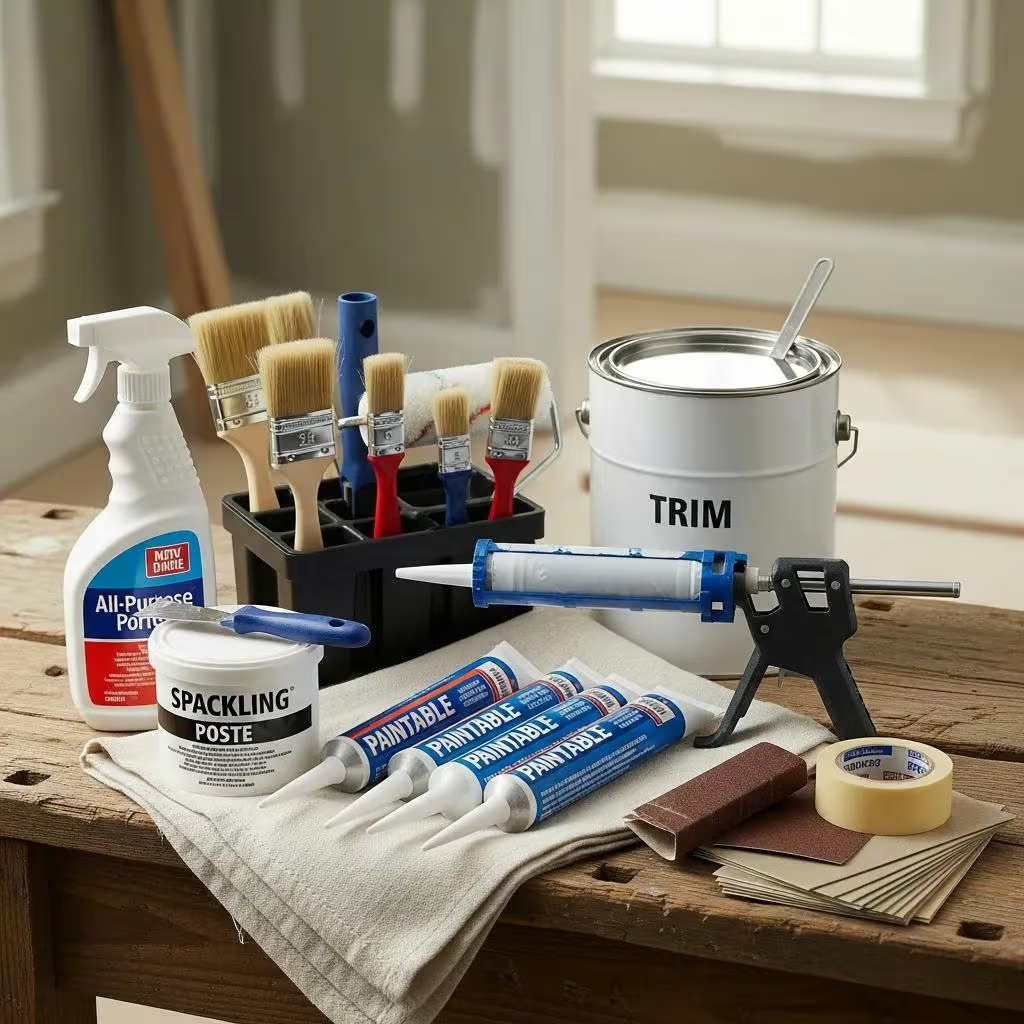
To effectively prepare your trim and baseboards for painting, you will need several essential tools and materials. These include:
- Cleaning agents: Use a degreaser or mild detergent for cleaning.
- Caulk or wood filler: For repairing any imperfections.
- Sandpaper: A fine-grit sandpaper will help smooth the surfaces.
- Drop cloths: To protect your floors and furniture from paint splatters.
- Painter’s tape: To mask off areas that should not be painted.
Having the right tools and materials will streamline the preparation process and contribute to a successful painting project.
Which Paint Types and Finishes Are Best for Interior Trim and Baseboards?
Choosing the right paint type and finish is essential for achieving a durable and attractive look for your trim and baseboards. Various paint types, such as latex and oil-based paints, offer different benefits. Additionally, the finish you select can impact the overall appearance and durability of the paint job.
What Are the Benefits of Low-VOC and Eco-Friendly Paints for Trim?
Low-VOC (volatile organic compounds) and eco-friendly paints are excellent choices for interior trim and baseboards. These paints are designed to minimize harmful emissions, making them safer for indoor air quality. They also tend to have less odor during application, which is beneficial for those sensitive to strong smells. Using eco-friendly paints contributes to a healthier living environment while still providing a beautiful finish.
How to Choose Between Satin, Semi-Gloss, and Other Paint Finishes?
When selecting a paint finish for your trim and baseboards, consider the following options:
- Satin: Offers a soft sheen and is easy to clean, making it suitable for areas with moderate traffic.
- Semi-gloss: Provides a higher sheen and durability, ideal for trim and baseboards as it withstands wear and tear better.
- Gloss: The highest sheen level, offering a reflective finish that highlights details but may require more surface preparation.
Choosing the right finish will enhance the beauty of your trim while ensuring it stands up to daily use.
What Are the Step-by-Step Techniques to Paint Trim and Baseboards Without Brush Marks?
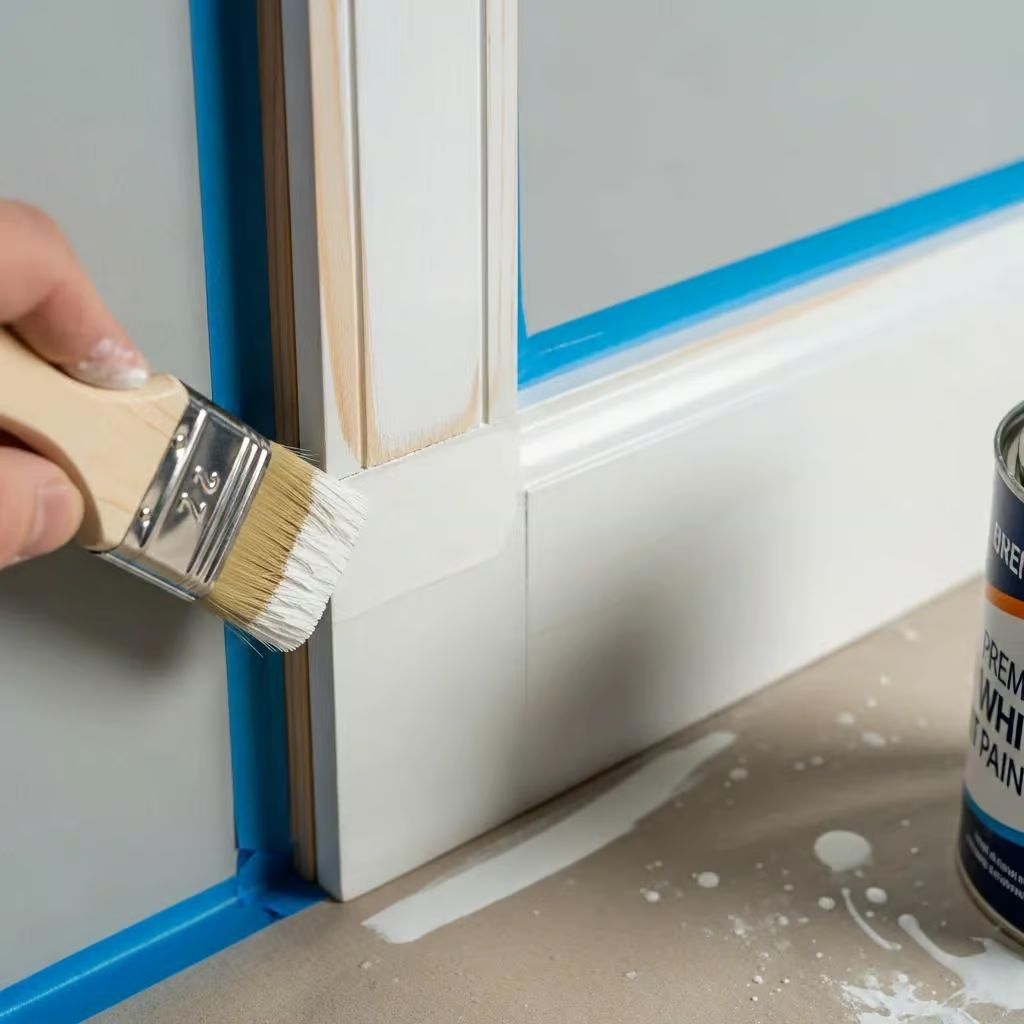
Achieving a smooth, brush-mark-free finish requires specific techniques during the painting process. Proper application methods and attention to detail can make a significant difference in the final result.
Understanding and applying professional painting methods is key to achieving a high-quality finish on interior trim.
Professional Painting Methods for Interior Trim
Interior to develop and make available to government agencies and individuals information concerning professional methods and techniques.
Proper painting and surface preparation, 1986
How to Apply Paint Using Proper Brush and Roller Methods
To apply paint effectively, start by using a high-quality brush or roller designed for trim work. Use a brush for corners and detailed areas, while a roller can cover larger flat surfaces quickly. Apply the paint in thin, even coats, and avoid overloading the brush or roller to prevent drips and brush marks. Allow each coat to dry completely before applying the next one for the best results.
What Are Common Mistakes to Avoid During Painting for a Professional Finish?
To achieve a professional finish, be mindful of these common mistakes:
- Skipping primer: Always apply a primer to ensure better paint adhesion and coverage.
- Using the wrong tools: Select brushes and rollers appropriate for trim work to avoid uneven application.
- Rushing the process: Take your time to allow each coat to dry fully before applying additional layers.
Avoiding these pitfalls will help you achieve a flawless finish on your trim and baseboards.
How to Paint Window Trim and Other Detailed Interior Trim Areas Like a Pro?
Painting detailed areas like window trim requires precision and the right tools. These specialized techniques can help you achieve a professional look.
Which Specialized Tools Help Achieve Precision on Window Trim?
For painting window trim, consider using the following specialized tools:
- Angled brushes: These allow for better control when painting corners and edges.
- Foam rollers: Ideal for smooth surfaces, they help achieve an even coat without brush marks.
- Detailing tools: Small brushes or paint pens can help with intricate designs or hard-to-reach areas.
Using the right tools will enhance your ability to paint detailed areas accurately.
How to Manage Drying Times and Multiple Coats for Best Results?
Managing drying times is crucial for a successful paint job. Follow these tips:
- Check the manufacturer’s instructions: Different paints have varying drying times; adhere to these guidelines.
- Avoid humidity: High humidity can extend drying times, so choose a dry day for painting.
- Apply thin coats: Thin layers dry faster and reduce the risk of drips.
By effectively managing drying times, you can ensure a smooth and professional finish.
What Maintenance Tips Ensure Longevity of Painted Interior Trim and Baseboards?
Maintaining your painted trim and baseboards is essential for preserving their appearance and durability. Regular care can extend the life of your paint job.
How to Clean and Touch Up Painted Trim to Preserve Appearance
To keep your painted trim looking fresh, clean it regularly with a damp cloth and mild detergent. For touch-ups, use the same paint used for the original job, applying it carefully to blend with the existing finish. This simple maintenance routine will help maintain the beauty of your trim over time.
How Interior Painting Complements Overall Home Maintenance, Including Roofing
Interior painting is an integral part of home maintenance, complementing other aspects such as roofing. A well-maintained interior enhances the overall aesthetic and value of your home, while a solid roof protects it from the elements. Regular upkeep of both interior and exterior elements ensures your home remains in excellent condition, contributing to its longevity and appeal.


