
How to Paint a Bedroom: Step-by-Step Guide for Effective Bedroom Wall Painting
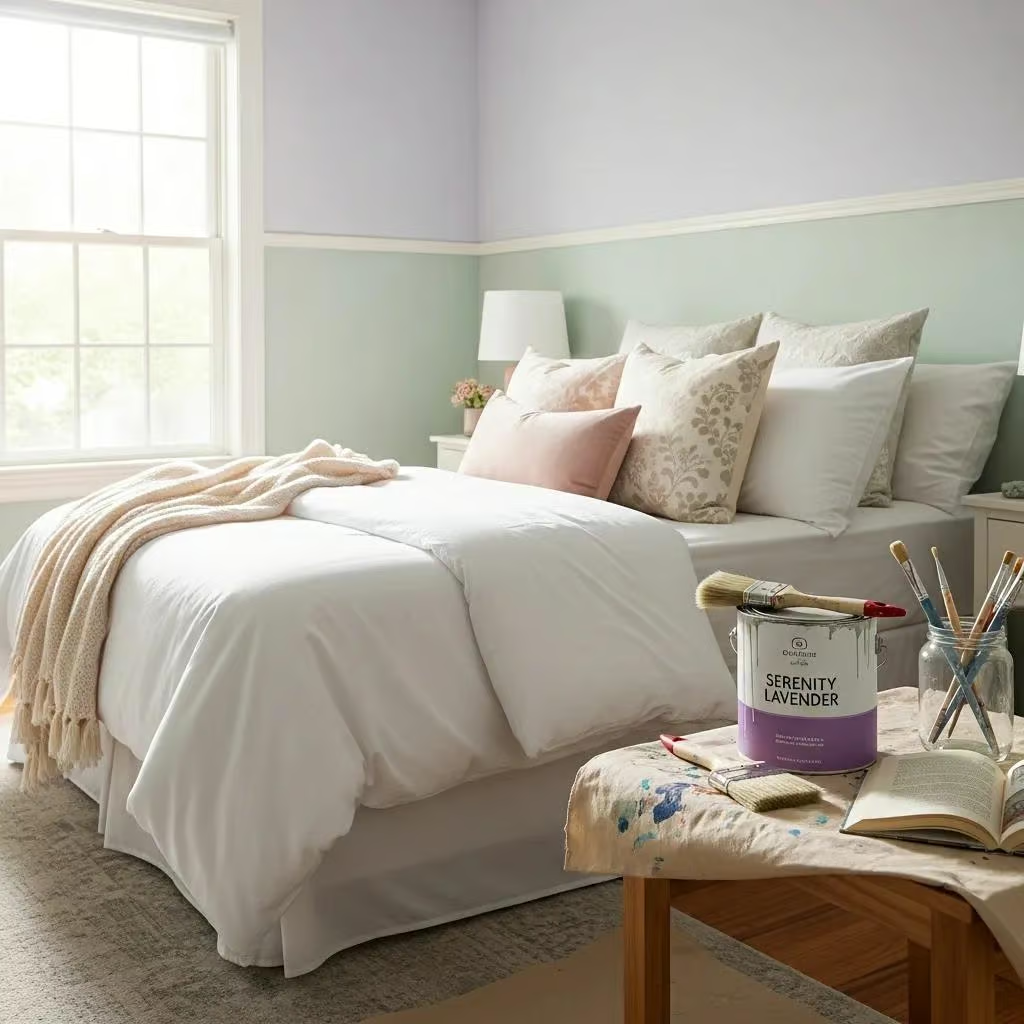
Painting a bedroom can transform the space, making it more inviting and reflective of your personal style. This step-by-step guide will walk you through the essential processes involved in painting bedroom walls effectively. You will learn how to prepare your walls, choose the right paint, and apply it like a professional. Many homeowners struggle with achieving a smooth, even finish and selecting the right colors that complement their decor. By following this guide, you will gain the confidence to tackle your painting project successfully. We will cover the preparation steps, paint types, necessary tools, proven techniques, drying times, and safety measures to ensure a smooth painting experience.
What Are the Essential Steps to Prepare Bedroom Walls for Painting?
Preparing your bedroom walls is crucial for achieving a professional-looking finish. This process involves cleaning, repairing, and priming the surfaces to ensure the paint adheres properly. Proper preparation not only enhances the paint’s durability but also improves the overall appearance of the finished project. Here are the essential steps to prepare your bedroom walls for painting:
- Free Consultation: Consider seeking a free consultation to discuss your vision and requirements for the painting project.
- Detailed Planning: Plan your color selection carefully, taking into account the room’s lighting and existing decor.
- Cleaning and Priming: Clean the walls thoroughly to remove dust and grease, and apply primer to create a smooth base for the paint.
After these steps, your walls will be ready for painting, ensuring that the final result is both beautiful and long-lasting.
How Do You Clean and Repair Bedroom Walls Before Painting?
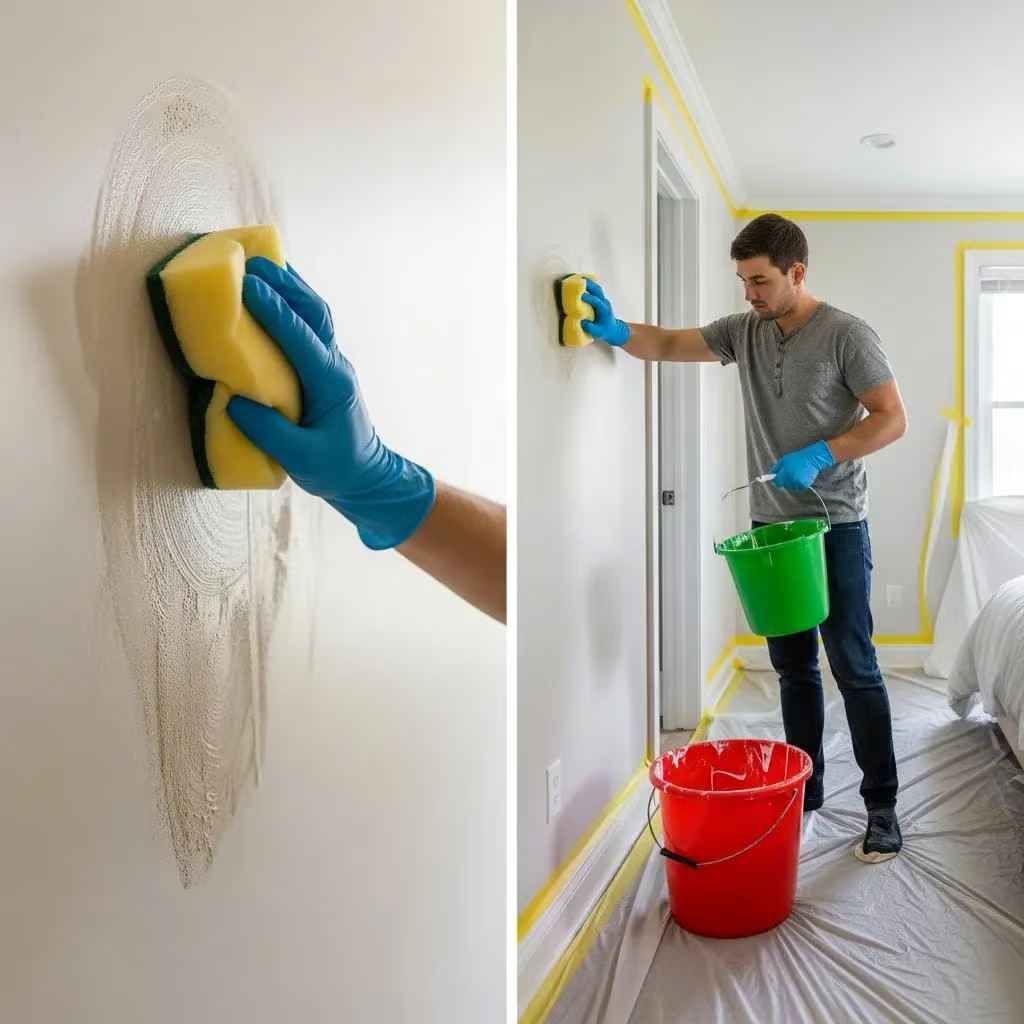
Cleaning and repairing your bedroom walls is the first step in the preparation process. Start by scrubbing the walls with a mixture of warm water and mild detergent to remove dirt and dust. Pay special attention to areas that may have accumulated grease or stains. Once cleaned, protect adjacent surfaces with painter’s tape and plastic sheeting. For any holes or cracks, fill them with spackle or joint compound, smoothing it out with a putty knife. Allow the repairs to dry completely before proceeding to the next step.
What Surface Preparation Techniques Ensure Paint Adherence?
To ensure that the paint adheres well to the walls, several surface preparation techniques should be employed. First, it is essential to apply a high-quality primer, which helps seal the surface and provides a better bond for the paint. Choose a primer that is compatible with your paint type, whether it be latex or oil-based. Additionally, lightly sanding the walls can help create a rough surface for the paint to grip onto, enhancing adhesion. Finally, ensure that the walls are completely dry before applying the paint to avoid any issues with bubbling or peeling.
Which Paint Types Are Best Suited for Bedroom Walls?
Choosing the right paint type is vital for achieving the desired look and durability in your bedroom. There are various options available, each with its unique characteristics. For bedroom walls, subtle and neutral colors are often recommended to create a calming atmosphere. Lighter colors can make a room feel more spacious, while darker shades can be used for accent walls to add depth and interest.
- Low-VOC Paints: These paints are ideal for indoor use as they emit fewer volatile organic compounds, making them safer for your health and the environment.
- Eco-Friendly Paints: Opting for eco-friendly options can enhance indoor air quality and reduce environmental impact.
- Finish Types: The finish of the paint also matters; satin and eggshell finishes are popular for bedrooms as they offer a balance between durability and aesthetic appeal.
For personalized advice on selecting the right paint for your bedroom, consider consulting with professionals who can guide you through the options available.
What Are the Benefits of Low-VOC and Eco-Friendly Paints?
Low-VOC and eco-friendly paints offer several benefits that make them an excellent choice for bedroom walls. Firstly, they contribute to a healthier indoor environment by reducing harmful emissions that can affect air quality. This is particularly important in spaces where you spend a lot of time, such as your bedroom. Secondly, these paints are often made from sustainable materials, aligning with environmentally friendly practices. Lastly, they can enhance the aesthetic appeal of your space without compromising on safety or health.
Research further emphasizes the importance of low-VOC paints in mitigating health risks associated with indoor air quality.
Low-VOC Paints: Reducing Emissions for Healthier Indoor Air
Globally, sick building syndrome remains a considerable social issue. It is primarily caused by the emission of volatile organic compounds (VOCs) from construction materials. Among these, paints and sealers are used over wide swaths of are a and their use causes chemical substances to be released in a room. To prevent sick building syndrome, it is necessary to clarify the cause of air quality changes due to the different types of paints and sealers available. Recently, low-VOC paints (containing 0.3–1.0% VOCs) have been used widely; however, the effects of reducing VOC levels have not yet been fully quantified.
Emission rates of substances from low-volatile-organic-compound paints, N Suzuki, 2019
Further research highlights how non-VOC paints contribute significantly to sustainable construction and occupant well-being.
Non-VOC Paints: Enhancing Indoor Air Quality and Occupant Health
Non-volatile organic compound (non-VOC) paints, characterized by minimal or zero emissions of volatile organic compounds, have emerged as a cornerstone of sustainable construction practices, particularly in the development of green buildings. These environmentally friendly coatings contribute to improved indoor air quality (IAQ), reduced environmental impact, and enhanced occupant health, aligning with the principles of sustainable architecture.
The Role of Non-Volatile Organic Compound Paints in Green Buildings for a Sustainable Environment, A Jain, 2026
How to Choose the Right Paint Finish for Bedroom Walls?
Selecting the right paint finish is crucial for both the look and durability of your bedroom walls. Different finishes serve various purposes and can dramatically affect the room’s ambiance. For instance, a matte finish can hide imperfections and create a soft, cozy feel, while a satin or eggshell finish offers a slight sheen that is easier to clean. When choosing a finish, consider the room’s usage; higher traffic areas may benefit from more durable finishes that can withstand wear and tear.
What Tools and Equipment Are Needed for Painting a Bedroom?
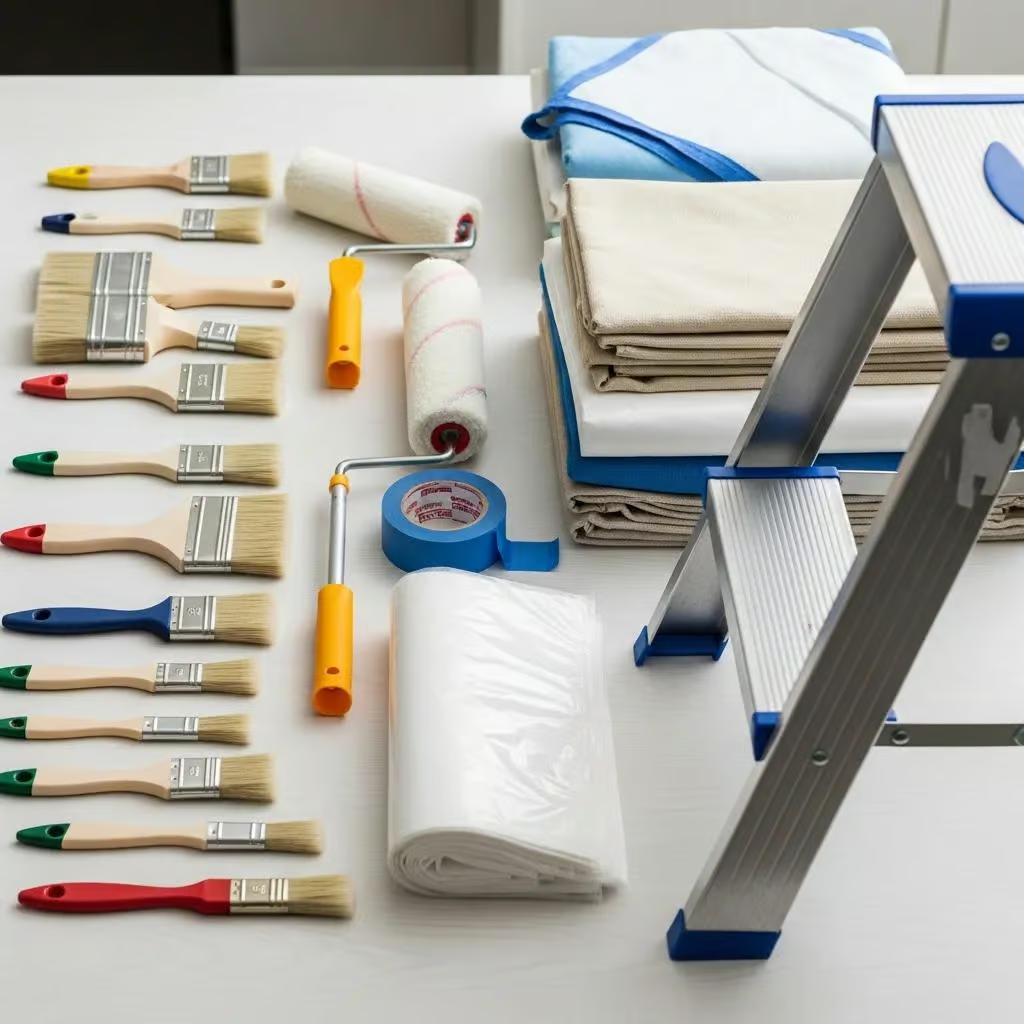
Having the right tools and equipment is essential for a successful painting project. Here’s a list of the necessary items you will need:
- Paintbrushes and Rollers: Use high-quality brushes for cutting in and rollers for larger wall areas.
- Painter’s Tape: Essential for protecting edges and ensuring clean lines.
- Drop Cloths: To protect your flooring and furniture from paint splatters.
- Ladder: For reaching high areas, especially if your bedroom has tall ceilings.
Which Painting Tools Are Recommended for Walls, Trim, and Ceilings?
When it comes to painting tools, selecting the right ones can make a significant difference in the outcome of your project. For walls, a 9-inch roller is typically recommended for smooth application, while a 2- to 3-inch angled brush is ideal for trim and corners. Specialty tools, such as a paint edger, can help achieve clean lines without the need for tape. Additionally, safety gear, including gloves and masks, should be worn to protect yourself from paint fumes and splatters.
How to Use Painting Tools Effectively for a Professional Finish?
Using painting tools effectively requires some technique and practice. Start by loading your roller with paint and rolling it on a tray to remove excess. Apply paint in a W or M pattern to ensure even coverage, then fill in the gaps without lifting the roller. For edges and corners, use your angled brush to carefully cut in before rolling the larger areas. Finally, inspect your work for any missed spots and touch them up as needed.
What Are the Proven Techniques for Painting Bedroom Walls, Trim, and Ceilings?
Achieving a professional finish when painting bedroom walls, trim, and ceilings involves several proven techniques. Start by ensuring that your workspace is well-ventilated and that you have all your materials ready. When applying paint, work in sections to maintain a wet edge, which helps prevent lap marks. For trim and ceilings, use a brush to carefully apply paint, ensuring that you take your time for precision.
How to Apply Paint Evenly on Bedroom Walls?
To apply paint evenly on bedroom walls, begin by using a roller for large areas and a brush for edges. Start at the top of the wall and work your way down, using long, even strokes. Avoid overloading your roller with paint, as this can lead to drips and uneven coverage. If you notice any imperfections, allow the paint to dry and then lightly sand the area before applying a second coat.
What Are the Best Practices for Painting Bedroom Trim and Ceilings?
When painting bedroom trim and ceilings, precision is key. Use painter’s tape to mask off areas where the trim meets the wall to ensure clean lines. For ceilings, a flat finish is often preferred, while semi-gloss is ideal for trim to provide durability and ease of cleaning. Always allow adequate drying time between coats to achieve the best results.
How Long Does Paint Take to Dry and What Are the Finishing Steps?
Understanding drying times and finishing steps is essential for a successful painting project. Most latex paints will dry to the touch within 1-2 hours, but it is advisable to wait at least 4-6 hours before applying a second coat. Oil-based paints may take longer, often requiring 6-8 hours before re-coating.
What Is the Typical Drying Time for Bedroom Wall Paint?
The typical drying time for bedroom wall paint varies based on the type of paint used. Latex paints generally dry faster than oil-based paints. Factors such as humidity, temperature, and ventilation can also affect drying times. It is crucial to follow the manufacturer’s recommendations for the best results.
How to Inspect and Touch Up Painted Surfaces for Lasting Results?
After the paint has dried, inspect the surfaces for any missed spots or imperfections. Touch up these areas with a small brush, ensuring that the paint matches the surrounding areas. Regular maintenance, such as cleaning the walls and checking for wear, will help keep your painted surfaces looking fresh and vibrant.
What Safety Measures and Cleanup Tips Should Be Followed When Painting a Bedroom?
Safety should always be a priority when painting. Ensure that the room is well-ventilated by opening windows and using fans to circulate air. Wear appropriate safety gear, including masks and gloves, to protect yourself from fumes and paint splatters.
How to Ensure Proper Ventilation and Use Safety Equipment?
To ensure proper ventilation, open windows and doors to allow fresh air to flow through the room. Use fans to help circulate air and reduce the concentration of fumes. Wearing a mask can help protect your lungs from inhaling harmful particles, while gloves will keep your skin safe from paint.
What Are the Best Practices for Cleaning Brushes and Disposing of Paint?
After completing your painting project, it is essential to clean your brushes and dispose of paint properly. For water-based paints, rinse brushes in warm, soapy water until the water runs clear. For oil-based paints, use mineral spirits for cleaning. Dispose of any leftover paint according to local regulations, as improper disposal can harm the environment.


