
How to Choose the Best Roofing Materials for Your Home
How to Choose the Best Roofing Materials for Your Home: Expert Guidance on Types, Durability, Cost, and Eco-Friendly Options
Selecting the right roofing materials for your home is a crucial decision that impacts not only the aesthetic appeal but also the durability and energy efficiency of your property. With a variety of options available, understanding the characteristics, costs, and benefits of each type is essential. This guide will provide you with expert insights on how to choose roofing materials that align with your needs and preferences. You will learn about different roofing types, their lifespans, cost considerations, and eco-friendly options. By the end of this article, you will be equipped to make an informed decision that enhances your home’s value and sustainability.
Overview of Roofing Materials
When it comes to roofing materials, homeowners have several options to consider, each with its unique advantages and disadvantages. The choice of roofing material can significantly affect the longevity, maintenance, and overall performance of your roof. Understanding the various types of roofing materials available will help you make a more informed decision. This section will cover the most common roofing materials, including their durability, cost, and eco-friendly options.
Asphalt Shingles
Asphalt shingles are one of the most popular roofing materials due to their affordability and ease of installation. They typically last between 20 to 30 years, making them a reliable choice for many homeowners. Available in two main styles—strip and architectural—these shingles offer a variety of colors and designs to suit different architectural styles. Their cost is generally lower compared to other roofing materials, making them an attractive option for budget-conscious homeowners.
Metal Roofing
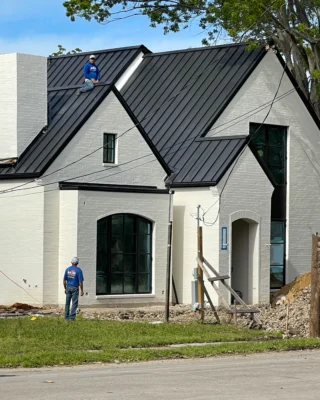
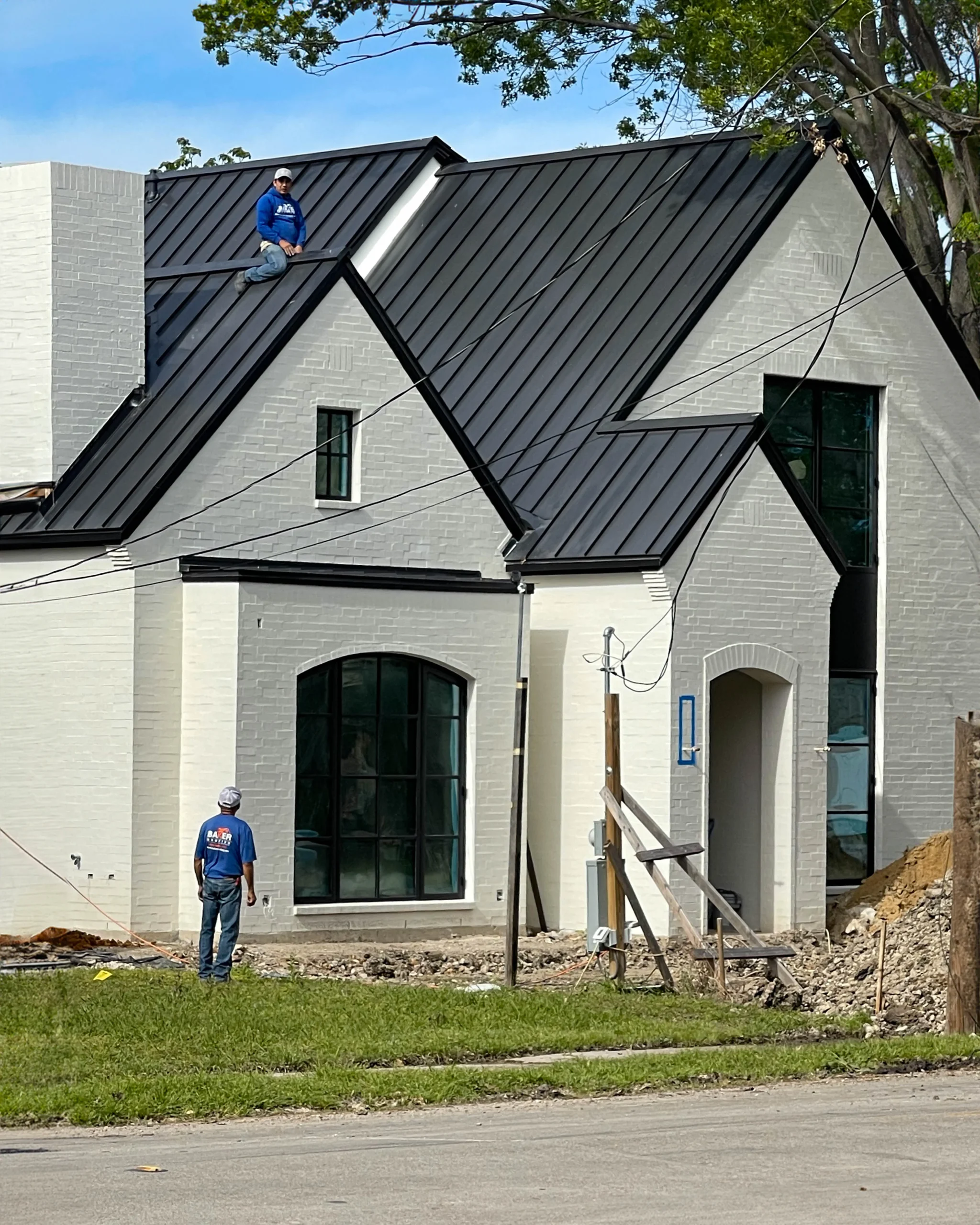
Metal roofing is known for its exceptional durability, with a lifespan ranging from 40 to 70 years. This type of roofing is available in various materials, including steel, aluminum, and copper, each offering unique benefits. While the upfront cost of metal roofing is higher than asphalt shingles, its longevity and low maintenance requirements can lead to significant savings over time. Additionally, metal roofs are energy-efficient, reflecting solar heat and reducing cooling costs.
Tile Roofing
Tile roofing, made from clay or concrete, is another durable option that can last over 50 years. While the initial investment is higher, the long-term benefits often outweigh the costs. Tile roofs are highly resistant to fire and can withstand harsh weather conditions, making them a popular choice in areas prone to extreme weather. Their aesthetic appeal adds value to homes, and they are available in various styles and colors.
Slate Roofing
Slate roofing is renowned for its beauty and longevity, often lasting over 100 years. This natural stone material is highly durable and resistant to fire, making it an excellent choice for homeowners seeking a long-term investment. However, slate roofing comes with a high initial cost and requires professional installation due to its weight and complexity. Its unique appearance can enhance the curb appeal of any home.
Modified Bitumen
Modified bitumen roofing is a popular choice for flat or low-slope roofs. It offers a moderate level of durability, with a lifespan that varies based on installation and maintenance. This material is typically self-adhered or heat-applied, providing a reliable waterproof barrier. The cost of modified bitumen is generally moderate, making it a practical option for commercial and residential properties alike.
TPO (Thermoplastic Polyolefin)
TPO roofing is a single-ply membrane that is gaining popularity for its energy efficiency and cost-effectiveness. With a lifespan of 20 to 30 years, TPO is known for its high reflectivity, which helps reduce energy costs by keeping buildings cooler. The competitive pricing and ease of installation make TPO an attractive option for flat roofs, particularly in commercial applications.
Comparing Top Roofing Materials: Durability, Cost, and Efficiency
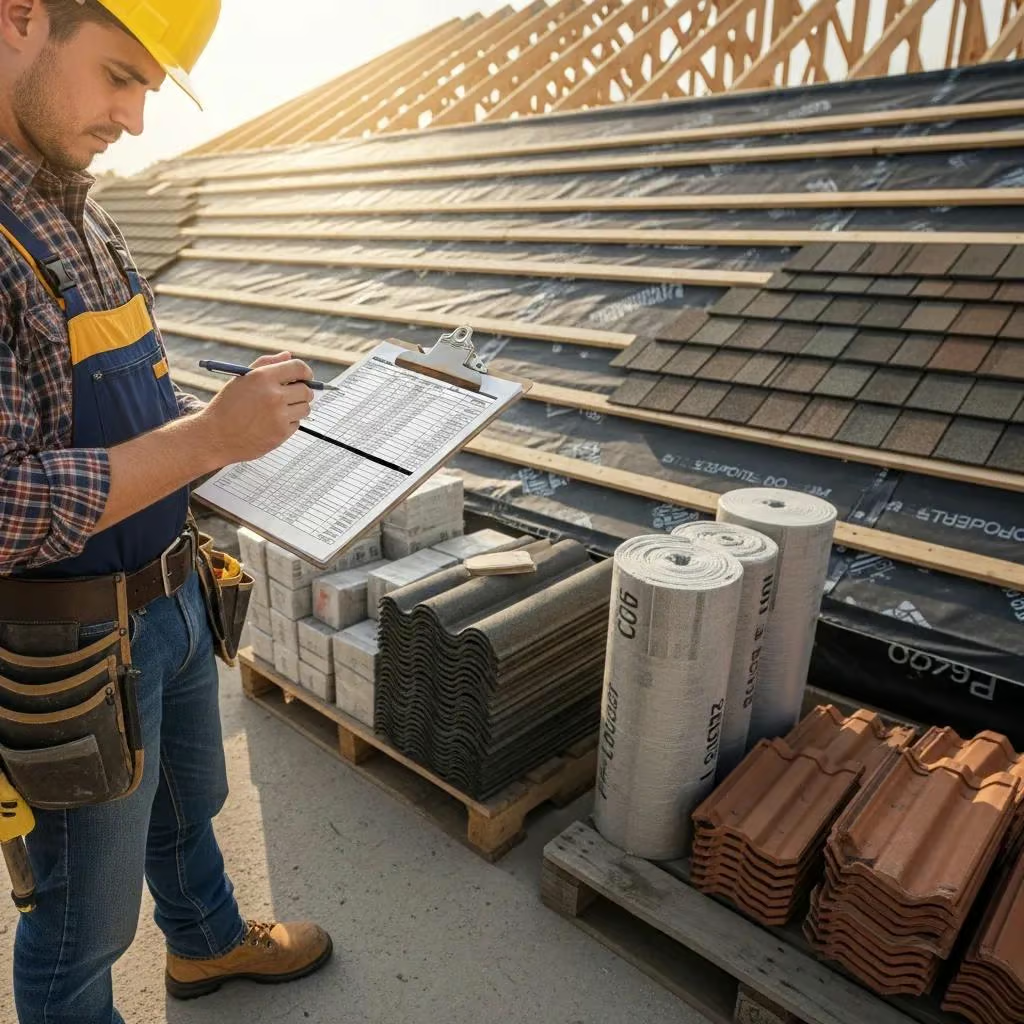
When choosing roofing materials, understanding the cost implications is essential. Several factors influence the overall cost of a roofing project, including the type of material, labor costs, and the size of the home. Here are some key considerations to keep in mind:
- Material Selection: The choice of roofing material significantly impacts the overall cost. For instance, while asphalt shingles are generally more affordable, materials like slate and tile come with a higher price tag due to their durability and aesthetic appeal.
- Home Square Footage: The size of your home will directly affect the amount of material needed and, consequently, the total cost. Larger homes will require more roofing material, increasing the overall expense.
- Labor Costs: Installation costs can vary based on the complexity of the roofing system and the experience of the contractor. It’s essential to obtain multiple quotes to ensure you are getting a fair price for the installation.
This table provides a comparison of different roofing materials based on their cost and lifespan, helping you make a more informed decision.
For those considering a roofing project, consulting with professionals can provide valuable insights into the best materials for your specific needs. Baker Roofing Company specializes in installation, repair, and maintenance of various roofing types, offering expert guidance on selecting the right materials for your home.
Eco-Friendly Options
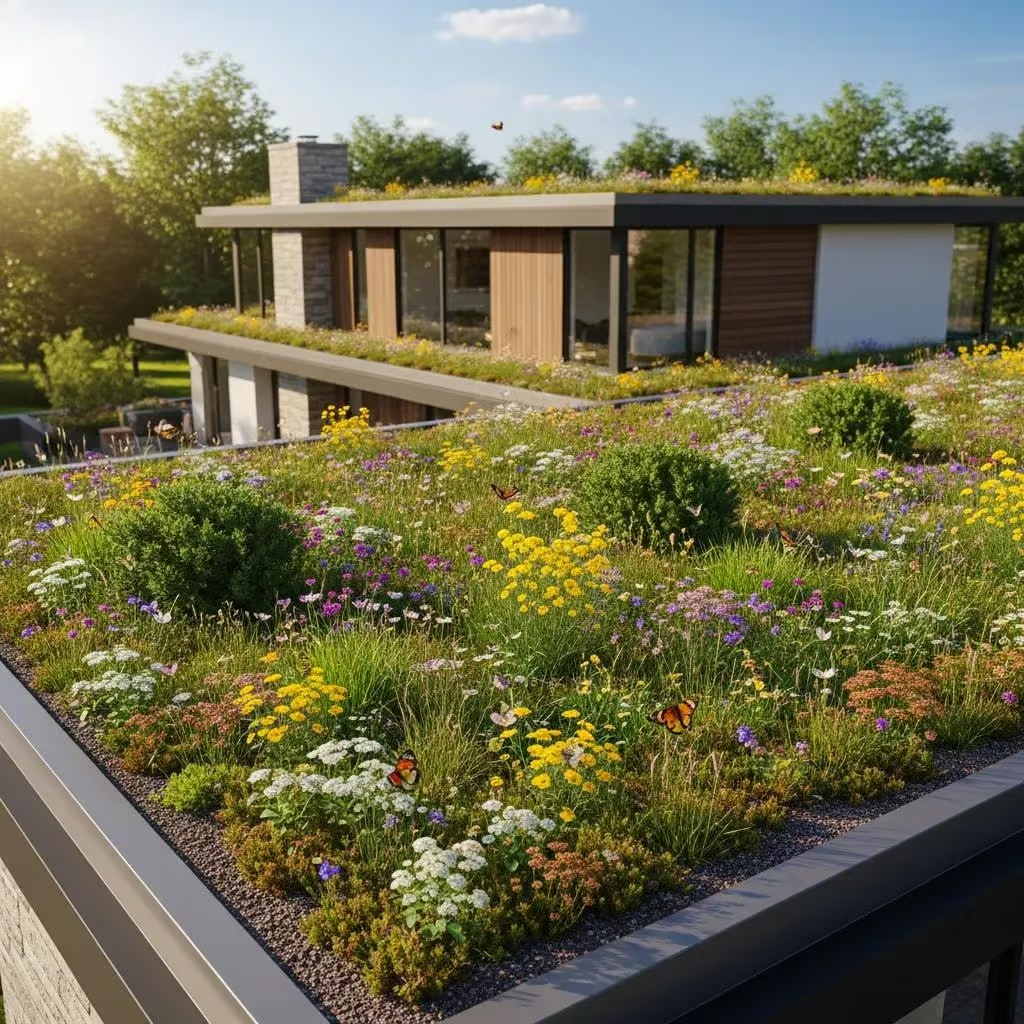
As sustainability becomes increasingly important, many homeowners are looking for eco-friendly roofing options. Sustainable materials not only reduce environmental impact but can also lead to long-term savings on energy costs. Here are some eco-friendly roofing options to consider:
- Metal Roofing: Often made from recycled materials, metal roofing is highly durable and energy-efficient, reflecting solar heat and reducing cooling costs.
- Clay and Concrete Tiles: These materials are made from natural resources and can last for decades, reducing the need for frequent replacements.
- Green Roofs: Incorporating vegetation into your roofing system can improve insulation, reduce stormwater runoff, and enhance biodiversity.
By choosing eco-friendly roofing materials, homeowners can contribute to a more sustainable future while enjoying the benefits of energy efficiency and reduced maintenance costs.
How Can Proper Maintenance Extend Your Roofing Material’s Lifespan?
Proper maintenance is crucial for extending the lifespan of your roofing materials. Regular inspections and timely repairs can prevent minor issues from escalating into significant problems. Here are some recommended maintenance practices:
- Routine Inspections: Schedule professional inspections at least once a year to identify potential issues early.
- Debris Removal: Keep your roof clear of leaves, branches, and other debris that can trap moisture and lead to damage.
- Gutter Maintenance: Regularly clean gutters to ensure proper drainage and prevent water damage to your roof and home.
What Routine Maintenance Practices Are Recommended?
To maintain the integrity of your roof, consider implementing the following routine practices:
- Inspect for Damage: Regularly check for missing or damaged shingles and replace them promptly.
- Clean Roof Surfaces: Remove moss, algae, and debris to prevent deterioration.
- Check Flashing: Ensure that flashing around chimneys and vents is intact to prevent leaks.
When Should You Schedule Professional Roofing Inspections?
Professional roofing inspections should be scheduled annually, but additional checks are recommended after severe weather events. Look for visible signs of damage, such as missing shingles or leaks, and address them immediately to avoid further complications.


