
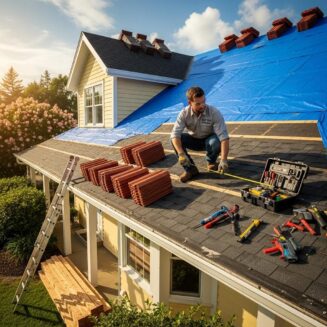
Home Remodel Mistakes to Avoid: Lessons From Experienced Contractors
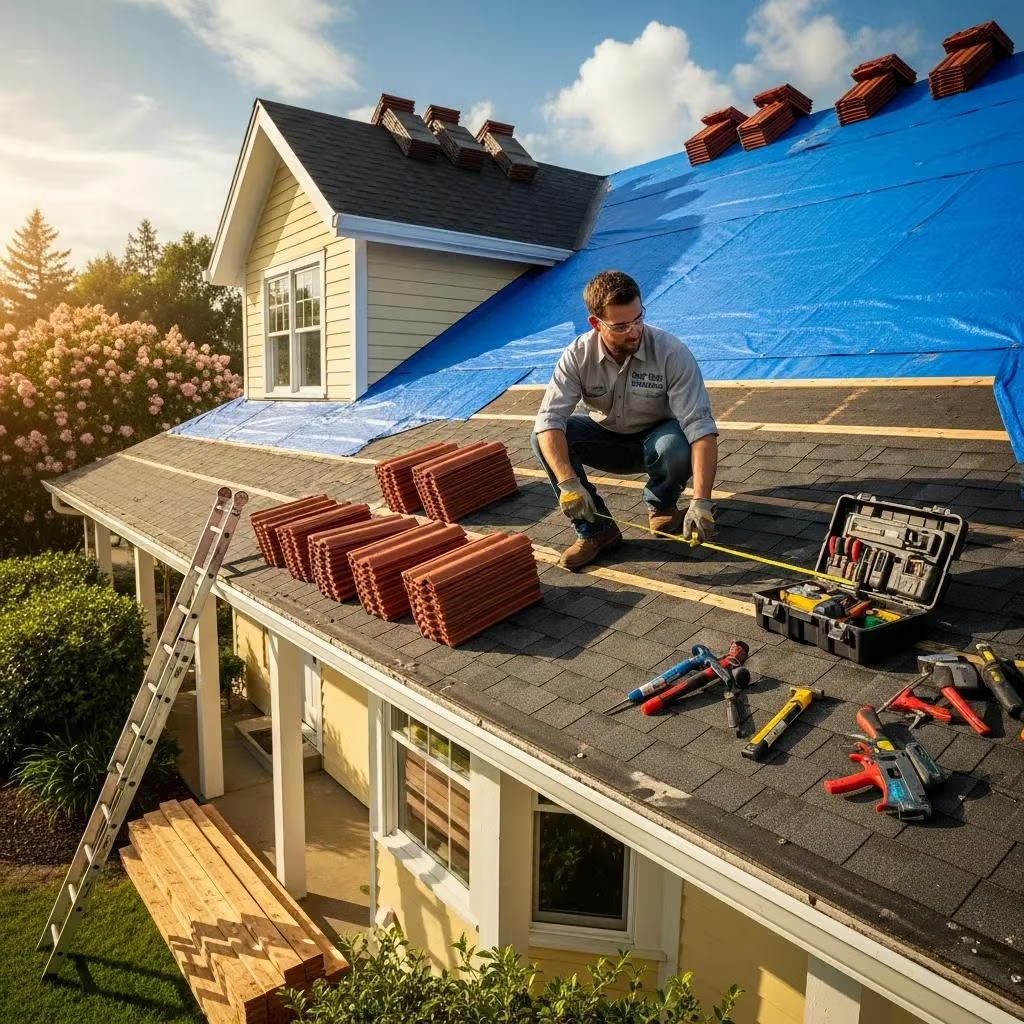
Home Remodel Mistakes to Avoid: Expert Roofing and Contractor Lessons for Successful Renovations
Home remodeling can be an exciting yet daunting task, especially when it comes to roofing projects. Many homeowners face challenges that can lead to costly mistakes, often stemming from a lack of knowledge or experience. This article aims to provide valuable insights into common home remodel mistakes to avoid, particularly in roofing, drawing lessons from experienced contractors. By understanding these pitfalls, homeowners can save time, money, and stress during their renovation journey. We will explore critical areas such as roofing installation errors, contractor selection, budgeting mistakes, material choices, and essential maintenance tips.
Common Home Remodeling Mistakes to Avoid
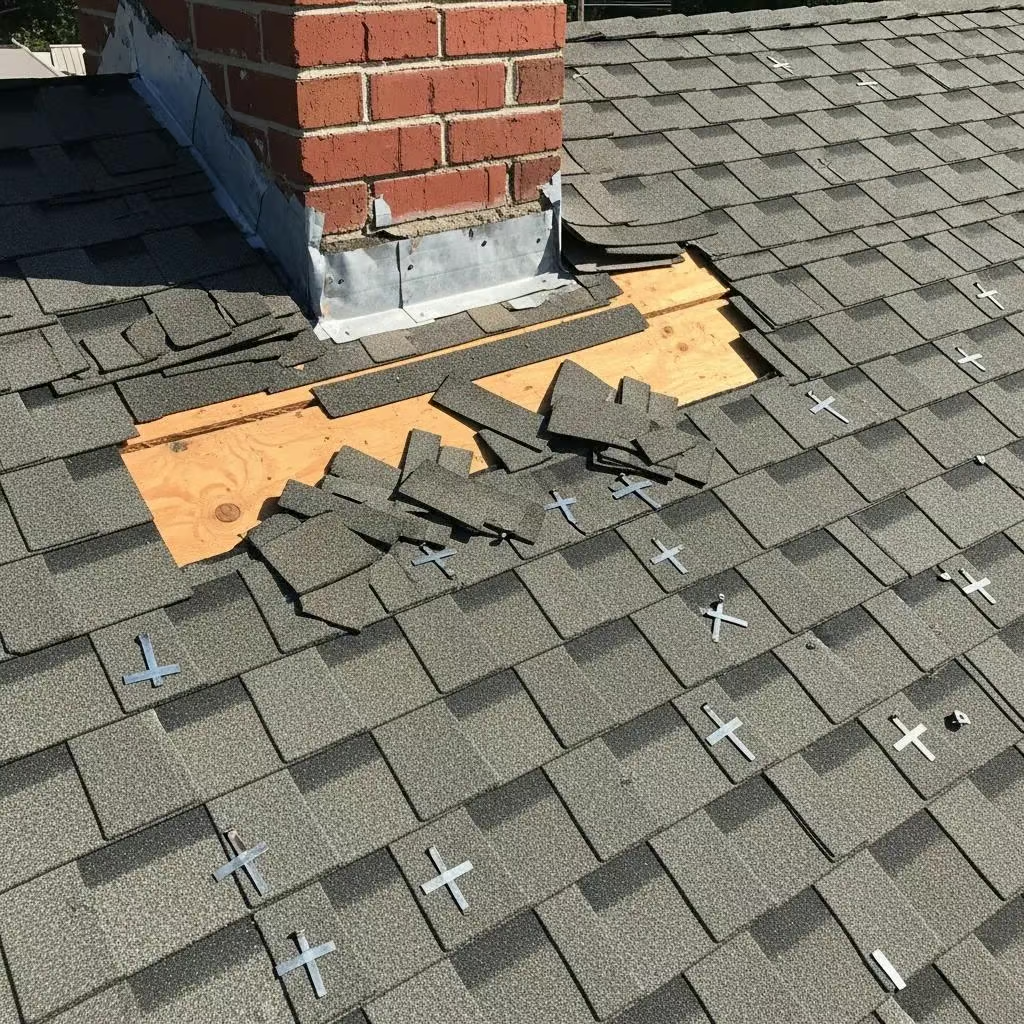
Roofing installation is a crucial aspect of home remodeling, and several common mistakes can lead to significant issues down the line. Understanding these errors can help homeowners make informed decisions and avoid costly repairs.
- Improper Flashing: This can lead to water damage and leaks, compromising the integrity of the roof.
- Incorrect Shingle Installation: A frequent error that can result in shingle curling, cracking, and reduced lifespan.
- Neglecting Ventilation: Poor ventilation can cause heat buildup and moisture retention, leading to premature roof deterioration.
By recognizing these common roofing installation mistakes, homeowners can take proactive steps to ensure a successful remodeling project.
How Does Improper Flashing Cause Roof Damage?
Improper flashing is one of the leading causes of roof damage during home remodels. Flashing is the material used to direct water away from critical areas of the roof, such as chimneys and vents. When installed incorrectly, it can lead to water intrusion, resulting in leaks that may cause structural damage over time. Continuous exposure to moisture can weaken the roof’s framework and lead to mold growth, increasing repair costs significantly. Therefore, ensuring proper flashing installation is essential for maintaining a watertight roof.
Why Is Incorrect Shingle Installation a Frequent Remodeling Error?
Incorrect shingle installation is a common mistake that many homeowners encounter during roofing projects. Factors such as poor ventilation and improper fastening can cause shingles to curl or crack, leading to premature wear and tear. Additionally, brittle or low-quality shingles may break easily, complicating repairs and increasing maintenance costs. Wind damage is another concern, as improperly installed shingles can be easily dislodged, exposing the roof to further damage. Homeowners should prioritize hiring qualified contractors to ensure proper shingle installation and avoid these frequent errors.
Ensuring proper installation often hinges on robust quality control measures, as highlighted by research on contractor performance.
Improving Roofing Contractor Quality Control
The quality of the CQC function depends to a great extent on the capabilities of the CQC representative and the number of other duties he must perform. CQC can best be improved by insuring that the quality assurance representative spends enough time on the roof during its construction to note and correct deficiencies in a timely manner and to insure that the CQC representative is performing properly.
Evaluation of Contractor Quality Control of Built-Up Roofing., 1983
How Can Homeowners Avoid Contractor Selection and Communication Errors?
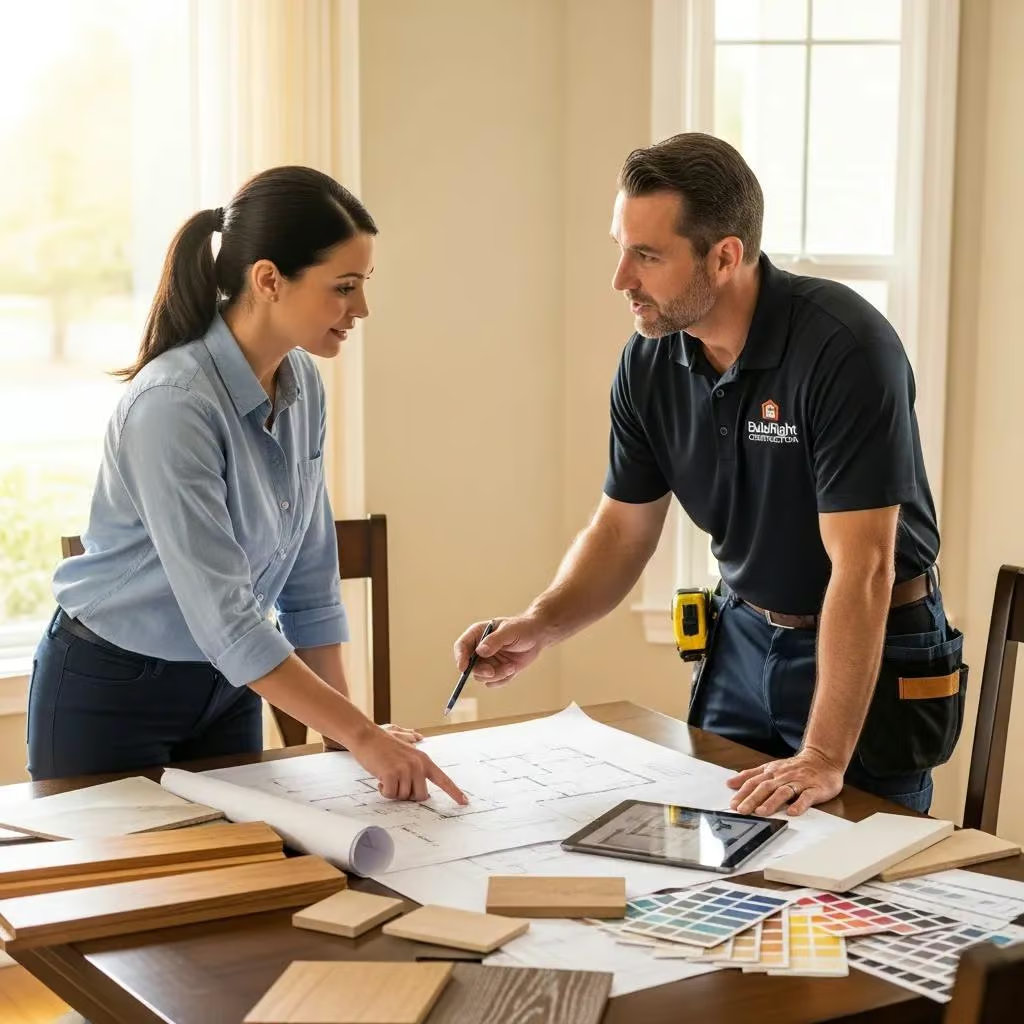
Selecting the right contractor is vital for the success of any home remodeling project. Homeowners must be vigilant in their selection process to avoid common pitfalls associated with contractor errors.
- Verify Contractor Insurance: Ensuring that the contractor has proper insurance protects homeowners from liability in case of accidents.
- Check Reviews and References: Researching past work and client feedback can provide insights into a contractor’s reliability and quality of work.
- Prioritize Clear Communication: Establishing open lines of communication helps prevent misunderstandings and keeps the project on track.
By following these guidelines, homeowners can significantly reduce the risk of contractor-related issues during their remodeling projects.
What Are the Signs of Unqualified Roofing Contractors?
Identifying unqualified roofing contractors is crucial for homeowners looking to avoid costly mistakes. Key signs to watch for include:
- Lack of Proper Licensing: A legitimate contractor should have the necessary licenses to operate legally in your area.
- Negative Reviews or No References: A contractor with poor reviews or no references may not have a proven track record.
- Poor Communication Skills: If a contractor struggles to communicate effectively, it may indicate a lack of professionalism.
Being aware of these signs can help homeowners make informed decisions when selecting a roofing contractor.
How Does Effective Communication Prevent Remodeling Mistakes?
Effective communication is essential in preventing remodeling mistakes. Clear dialogue between homeowners and contractors can reduce misunderstandings and ensure that everyone is on the same page regarding project expectations. Timely updates from contractors keep homeowners informed about progress and any potential issues that may arise. Additionally, fostering trust through open communication can lead to a more collaborative and successful remodeling experience.
What Budgeting Mistakes Should Be Avoided in Roofing Projects?
Budgeting is a critical aspect of any home remodeling project, and several common mistakes can derail financial plans.
- Unexpected Costs: Homeowners should anticipate unforeseen expenses that can arise during roofing projects.
- Setting a Realistic Budget: It’s essential to create a budget that reflects the true costs of materials and labor.
- Researching Materials: Understanding the costs associated with different roofing materials can help avoid budget overruns.
By being aware of these budgeting mistakes, homeowners can better prepare for their roofing projects and manage their finances effectively.
How Do Unexpected Roofing Costs Impact Home Remodel Budgets?
Unexpected roofing costs can significantly impact home remodel budgets. For instance, unforeseen repairs may arise due to hidden damage, requiring additional funds. Design changes during the project can also lead to increased expenses, as can permit fees and disposal costs that may not have been initially considered. Homeowners should set aside a contingency fund to cover these unexpected costs and ensure their remodeling project stays on track financially.
What Strategies Help Prevent Cost Overruns in Roofing Renovations?
Preventing cost overruns in roofing renovations requires careful planning and execution. Effective strategies include:
- Budget for Preventative Maintenance: Allocating funds for regular maintenance can help avoid larger expenses in the future.
- Conduct Thorough Inspections Before Work: Identifying potential issues before starting the project can prevent surprises later on.
- Communicate Clearly with Contractors: Establishing a clear understanding of costs and expectations can help keep the project within budget.
Implementing these strategies can help homeowners manage their roofing renovation costs more effectively.
Which Roofing Materials Are Best to Choose for Remodels and Why?
Choosing the right roofing materials is crucial for the success of any remodeling project. Different materials offer various benefits, and understanding these can help homeowners make informed decisions.
- Asphalt Shingles: Affordable, widely available, and effective, asphalt shingles are a popular choice for many homeowners.
- Metal Roofing: Known for its durability, longevity, and energy efficiency, metal roofing is an excellent long-term investment.
- Tile Roofing: Offering aesthetic appeal and excellent durability, tile roofing can enhance the overall look of a home, especially in warmer climates.
By considering these options, homeowners can select roofing materials that best suit their needs and preferences.
What Common Material Mistakes Lead to Roof Repair Pitfalls?
Common material mistakes can lead to significant roof repair pitfalls. For example, improper installation of roofing materials can result in leaks and structural damage. Neglecting roof penetrations, such as vents and chimneys, can also cause issues if not adequately sealed. Additionally, using low-quality or incompatible materials can compromise the roof’s integrity, leading to costly repairs down the line. Homeowners should work closely with their contractors to ensure the right materials are selected and installed correctly.
How Do Material Choices Affect Long-Term Roof Maintenance?
Material choices play a significant role in long-term roof maintenance. Different roofing materials require varying levels of upkeep, with some needing more frequent inspections and repairs than others. Regular inspections are crucial for identifying potential issues early and extending the roof’s lifespan. Additionally, the quality of the materials used can impact long-term costs, as higher-quality options may require less maintenance over time. Homeowners should consider these factors when selecting roofing materials for their remodels.
What Are Essential Roof Maintenance Tips After a Home Remodel?
After completing a home remodel, maintaining the roof is essential to ensure its longevity and performance. Key maintenance tips include:
- Inspect the Roof for Damage: Regular inspections can help identify issues before they escalate.
- Clear Debris to Prevent Moisture Retention: Keeping the roof free of debris can prevent moisture buildup and potential damage.
- Schedule Professional Inspections Regularly: Engaging professionals for routine inspections can provide peace of mind and ensure the roof remains in good condition.
By following these maintenance tips, homeowners can protect their investment and extend the life of their roofs.
How Can Regular Inspections Prevent Future Roofing Problems?
Regular inspections are vital for preventing future roofing problems. Early detection of issues can save homeowners significant costs in repairs and replacements. Inspections help identify potential leaks, structural weaknesses, and other concerns that may arise over time. By addressing these problems promptly, homeowners can maintain the integrity of their roofs and avoid more extensive damage in the future.
What Are the Recommended Steps for Post-Remodel Roof Care?
Post-remodel roof care involves several essential steps to ensure the roof remains in optimal condition. Homeowners should:
- Conduct Annual Inspections: Regular inspections help catch issues early and maintain the roof’s integrity.
- Clean Gutters to Prevent Water Damage: Keeping gutters clear of debris prevents water from backing up and causing damage to the roof.
- Ensure Proper Ventilation: Adequate ventilation is crucial for preventing heat buildup and moisture retention, prolonging the roof’s lifespan.
By implementing these steps, homeowners can effectively care for their roofs after a remodel and ensure long-term performance.


