
Hail Damage Roof Inspection Texas: Essential Guidance for Homeowners to Protect Their Property
Hail damage can significantly impact the integrity of roofs in Texas, making inspections critical following intense storms. Homeowners often overlook the importance of timely roof inspections, which can lead to severe consequences like leaks and structural failure. This article provides essential insights into hail damage roof inspections, highlighting what homeowners need to know to protect their properties effectively. We will explore the importance of roof inspections, self-inspection techniques, common signs of hail damage, available repair options, preventive measures to reduce risks, the insurance claims process, and emergency actions to take after a storm. Whether you’re in Dallas or any other region of Texas, understanding these aspects will help you safeguard your investment.
Importance of Roof Inspections:
Roof inspections are vital after hailstorms to identify potential damages that can compromise the safety and value of a home. Following a hail event, roof integrity may be affected by various hidden issues, including dents or granule loss that, if undetected, can lead to more extensive and costly repairs. Regular roof inspections can prevent these consequences by allowing homeowners to address issues proactively. Neglecting this crucial step could result in severe structural damage, leading to higher repair costs and valuable property loss.
Self-Inspection Techniques:
Homeowners can perform initial self-inspections to assess the condition of their roofs after hailstorms. These techniques include checking for visible signs of damage, such as bruising on shingles or detached granules, which are indicators of underlying issues. It’s essential to maintain safety during these inspections, avoiding any risky climbing or use of ladders. Utilizing binoculars from the ground can help homeowners identify potential problems without putting themselves at risk. This self-check can provide early warning signs and help schedule professional inspections if necessary.
Common Signs of Hail Damage:
Recognizing the signs of hail damage is critical for homeowners in Texas. Here are some common indicators to look for:
- Bruising on shingles: Dark spots or indentations on asphalt shingles indicate possible damage.
- Granule loss: Excessive granules seen in gutters or around the property’s perimeter can indicate severe wear.
- Dents in metal roofing: Indentations on metal panels can signal hail impact, compromising the roofing integrity.
These signs can serve as red flags that warrant further professional investigation to assess the extent of damage.
Repair Options:

When hail damage occurs, various repair options are available to homeowners. The type of repair required often depends on the extent of the damage identified during an inspection. Homeowners can choose options ranging from minor patching to complete shingle replacement. Consulting with professionals for detailed assessments is crucial, as they can provide tailored solutions based on the specific conditions of your roof. Cost considerations will vary depending on the severity of the damage and the materials used.
| Service Type | Description | Cost Estimate |
|---|---|---|
| Minor Repairs | Patching small leaks or replacements | $500 – $1,500 |
| Partial Replacement | Replacing damaged sections | $1,000 – $3,500 |
| Full Replacement | Complete roof tear-off and install | $5,000 – $12,000 |
Understanding these repair options enables homeowners to make informed decisions when addressing hail damage.
Preventive Measures:
Taking preventive measures can significantly help mitigate hail damage risks. Here are some strategies homeowners can use:
- Regular roof inspections: Schedule annual inspections and assess post-storm conditions to catch potential issues early.
- Using hail-resistant materials: Invest in impact-resistant roofing materials to enhance protection against future hailstorms.
- Maintaining gutters and drainage: Ensure that gutters are free from debris, facilitating proper water drainage to reduce building pressure on the roof.
Implementing these proactive strategies can greatly reduce the risk of severe damage during hail events.
Insurance Claims Process:

Navigating the insurance claims process for hail damage can be complex but is essential for recovering repair costs. Homeowners should document all aspects of the damage thoroughly, including taking photos and keeping records of conversations with their insurance adjuster. Working closely with the insurance representative increases the chances of a smoother claims process and ensures all damages are covered. Being aware of common pitfalls, such as failing to document all damage or waiting too long to file a claim, can prevent delays in receiving assistance.
Emergency Actions Post-Hail Damage:
After experiencing hail damage, homeowners should take immediate actions to minimize further impacts:
- Documenting damage: Photographic evidence should be gathered to support claims.
- Temporary fixes: Implementing quick, temporary solutions like tarps can help prevent further water intrusion.
- Contacting professionals quickly: Engaging roofing specialists soon after the damage can provide guidance on next steps and repair options.
Fast action can safeguard the home’s condition and minimize long-term impacts from the storm.
How to Recognize Signs of Hail Damage on Your Texas Roof
Identifying hail damage on your roof extends beyond mere visual inspections. Homeowners need to look for specific indicators that signify potential harm. Key visual signs include granule loss, bruised shingles, and dents in gutters or flashings. Understanding the indications of hail damage allows homeowners to address issues promptly, reducing the potential for costly repairs in the future.
What Are Common Indicators of Roof Hail Damage to Watch For?
Several roof hail damage indicators are especially prevalent. Homeowners should be vigilant for:
- Granule loss on asphalt shingles: Visible loss indicates weakening.
- Dents in gutters and flashings: These impacts often suggest potential roof damage.
- Broken or cracked shingles: Direct signs of hail impacts on the roof surface.
By recognizing these indicators, homeowners can respond appropriately to protect their properties.
How Do Different Roofing Materials Show Hail Impact Differently?
Various roofing materials respond differently to hail impacts. Asphalt shingles can lose granules or bruise, while metal roofs often show dents. Wood shingles might crack or split, and tile roofs can chip or break. Understanding how each material behaves during hail events helps homeowners evaluate potential damage based on their roofing choice and allows for more targeted inspections and repairs.
What to Expect During a Professional Hail Damage Roof Inspection in Texas
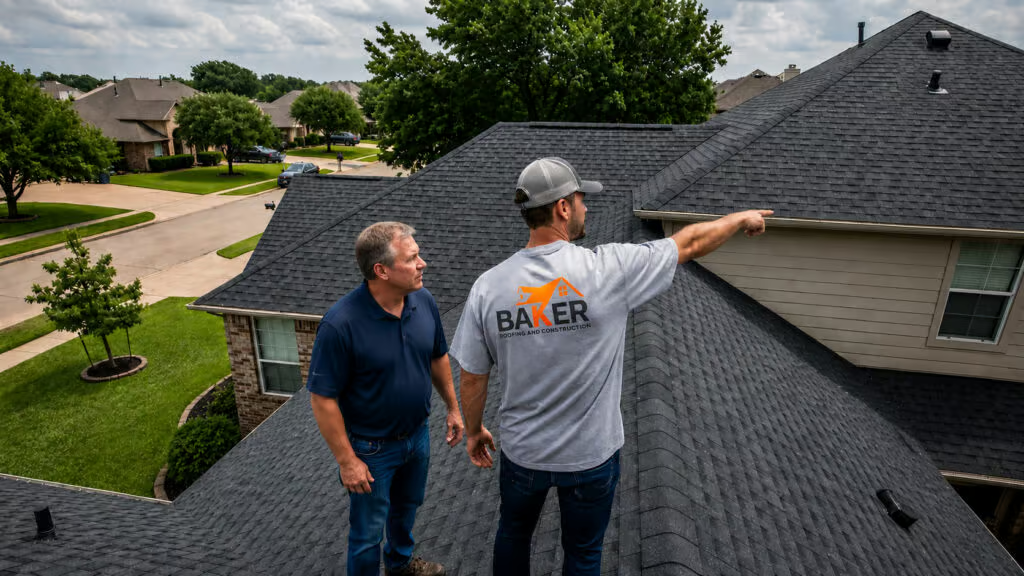
A professional hail damage roof inspection in Texas typically involves a comprehensive assessment, ensuring every aspect of the roof is thoroughly examined. From visual evaluations to the use of specialized tools, professionals meticulously document findings to determine the extent of issues. Homeowners should expect a detailed report highlighting both immediate repairs needed and recommendations for future maintenance.
What Are the Key Steps in a Comprehensive Roof Inspection After Hail?
During a thorough roof inspection, key steps include:
- Initial visual assessments: Roofers assess the roof’s surface for clear signs of damage.
- Detailed examination techniques: Check underneath shingles, check for leaks and inspect the structure.
- Documentation practices: Note all findings and capture photographs for insurance purposes.
These steps ensure that the damage is documented and addressed properly.
How Do Certified Contractors Assess and Document Hail Damage?
Certified roofing contractors have specific protocols for assessing and documenting hail damage. They examine the entire roof, using detailed checklists to ensure no damage goes unnoticed. Professional contractors capture photographic evidence and provide reports that outline the damage types and suggested remedies. This thorough documentation is crucial for homeowners to process insurance claims successfully.
How Texas Homeowners Can Navigate Insurance Claims for Hail Damage
Texas homeowners can simplify their insurance claims by adhering to a few essential guidelines. Obtaining professional inspections shortly after a hailstorm enables accurate documentation of all visible damage. It’s also critical to contact the insurance company immediately following the incident. This prompt action can significantly smooth the claims process and reduce delays in recovery.
What Is the Typical Process for Filing a Roof Hail Damage Claim in Texas?
The typical process for filing a hail damage claim includes:
- Reporting damage to the insurance company: Notify them promptly about the incident.
- Scheduling adjuster inspections: The insurer will send an adjuster to assess the damage.
- Reviewing settlement offers: Understand the insurer’s offer and ensure it accurately covers the repair costs.
Following these steps will help streamline the claims procedure.
How Can Baker Roofing Company Assist with Claims to Maximize Approval?
Baker Roofing Company can assist homeowners throughout the claims process to maximize the chances of approval. By providing thorough inspections and detailed documentation, they ensure a comprehensive review of your damage claims. Additionally, their expertise in negotiation helps advocate for clients during adjuster visits, aiming to secure fair settlements.
What Are Your Roof Repair and Replacement Options After Hail Damage?
Homeowners facing hail damage have several options when it comes to repair and replacement. Minor damage often requires quick patch-ups, while severe damage might necessitate complete replacements. Consulting with professionals enables homeowners to choose the best resolution based on their specific needs and budget, ensuring long-term resilience for their roofs.
When Is Roof Repair Sufficient Versus Full Replacement?
Determining whether roof repair is sufficient or if a full replacement is necessary depends on various factors, including the extent of the damage and the roof’s age. If damage is localized and the roof is relatively new, repairs may be adequate. However, if a significant portion of the roof is affected or it’s nearing the end of its lifespan, full replacement is likely the more prudent choice.
What Are Estimated Costs and Timelines for Hail Damage Roof Services in Texas?
Understanding the estimated costs and timelines associated with hail damage services is crucial for budgeting. Minor repairs may cost around $500 to $1,500, while full replacements could range from $5,000 to $12,000. Timelines also vary, with minor repairs often completed within a week while replacements may take several weeks.
Why Choose Local Texas Roof Inspection Companies Specializing in Hail Damage?
Selecting local Texas roof inspection companies that specialize in hail damage provides added advantages. These experts have a keen understanding of local weather conditions and the specific types of damage prevalent in the area. Their experience leads to quicker response times and more accurate assessments.
How Do Local Experts Provide Faster and More Accurate Hail Damage Assessments?
Local experts can offer faster and more accurate assessments thanks to their familiarity with regional issues and typical weather patterns. They use efficient inspection techniques that have been honed through experience, ensuring thorough evaluations. Furthermore, their local knowledge supports homeowners throughout the claims process, providing invaluable assistance.
What Certification and Experience Should You Look for in Texas Roofing Contractors?
When searching for roofing contractors in Texas, it’s crucial to consider essential credentials. Key factors include:
- Proper licensing and insurance: Ensure contractors are licensed and have adequate insurance coverage.
- Experience in hail damage assessments: Choose professionals experienced with local hail issues.
- Reputation and references: Look for positive reviews and be sure to check references to gauge reliability and quality of work.
How to Prepare for the Texas Hail Season to Minimize Roof Damage Risks
Preparing ahead of the Texas hail season can greatly reduce future damage risks. Homeowners should consider the following actions:
- Choosing durable roofing materials: Invest in hail-resistant options to protect against severe impacts.
- Regular roof maintenance: Maintain gutters and ensure shingles are secure to reduce vulnerability.
- Timely inspections before storms: Schedule roof assessments before the hail season to address any existing issues.
What Preventive Measures Can Homeowners Take Before Hailstorms?
Before hailstorms, homeowners can take several preventive measures to safeguard their properties effectively:
- Installation of protective features: Consider using shields or barriers to protect roofs from hail.
- Choosing impact-resistant products: Invest in architectural shingles or metal roofing known for their resistance to hail damage.
- Pre-storm maintenance: Cleaning gutters and securing loose shingles can help bolster defenses.
When Should You Schedule Routine Inspections to Stay Ahead of Damage?
Routine inspections should occur at least annually and immediately following significant storms to ensure roofs remain in optimal condition. Post-storm assessments are particularly critical after severe weather events to document any changes that might affect a roof’s long-term health.


