
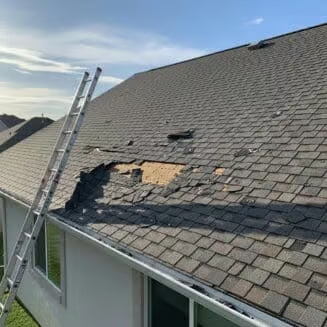
Hail Damage Repair Process Step by Step: From Inspection to Completion
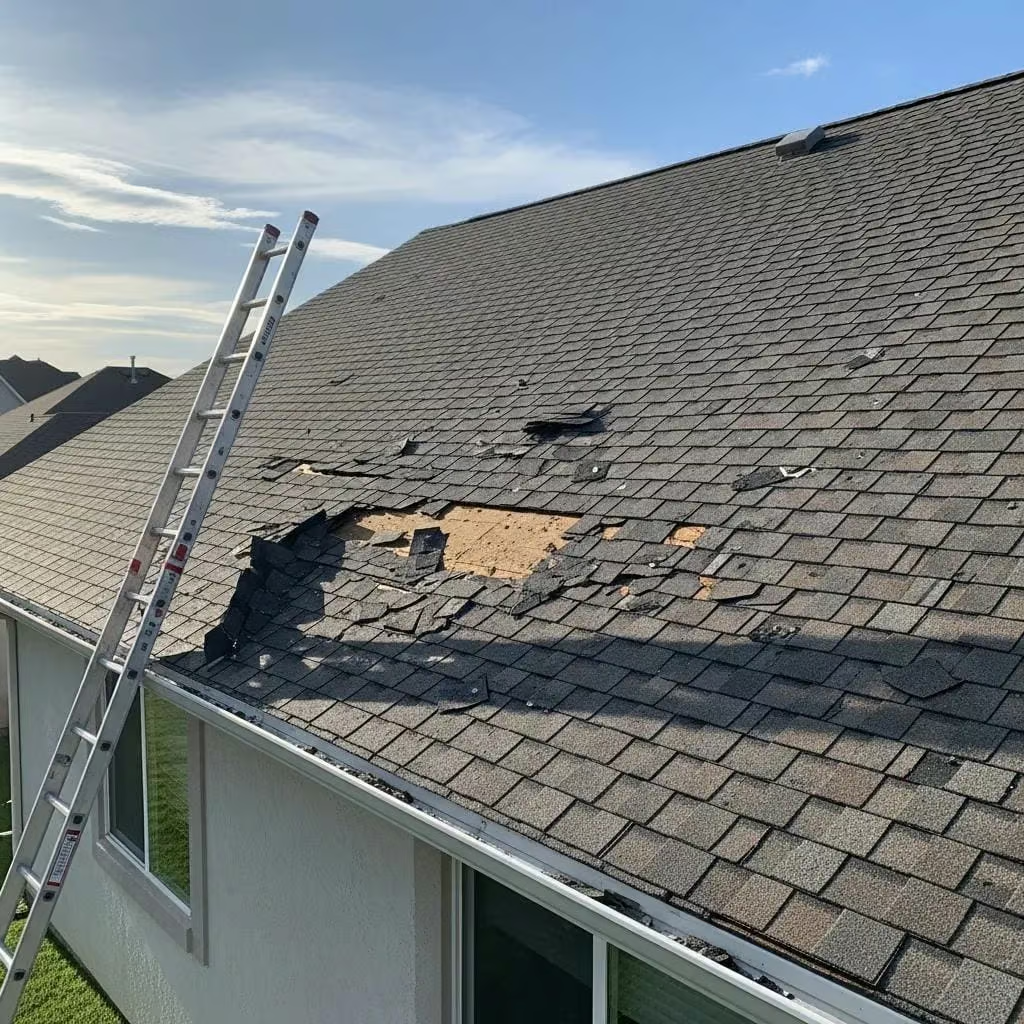
Step-by-Step Hail Damage Roof Repair: Inspection to Completion
Hail damage can significantly impact the integrity of your roof, leading to costly repairs if not addressed promptly. Understanding the hail damage repair process is crucial for homeowners to ensure their roofs are restored effectively and efficiently. This comprehensive guide will walk you through the step-by-step process of hail damage repair, from the initial inspection to the final touches of project completion. You will learn how to conduct a thorough roof inspection, navigate the insurance claim process, select the best materials for repair, and understand the typical timeline for project completion. By the end of this article, you will be equipped with the knowledge to manage hail damage repairs confidently and effectively.
How to Conduct a Thorough Hail Roof Inspection and Damage Assessment
A thorough hail roof inspection is essential to assess the extent of damage and determine the necessary repairs. This process involves checking for visible signs of damage and documenting findings for insurance claims. Homeowners should be proactive in identifying issues early to prevent further complications.
What Are the Key Items on a Hail Damage Roof Inspection Checklist?
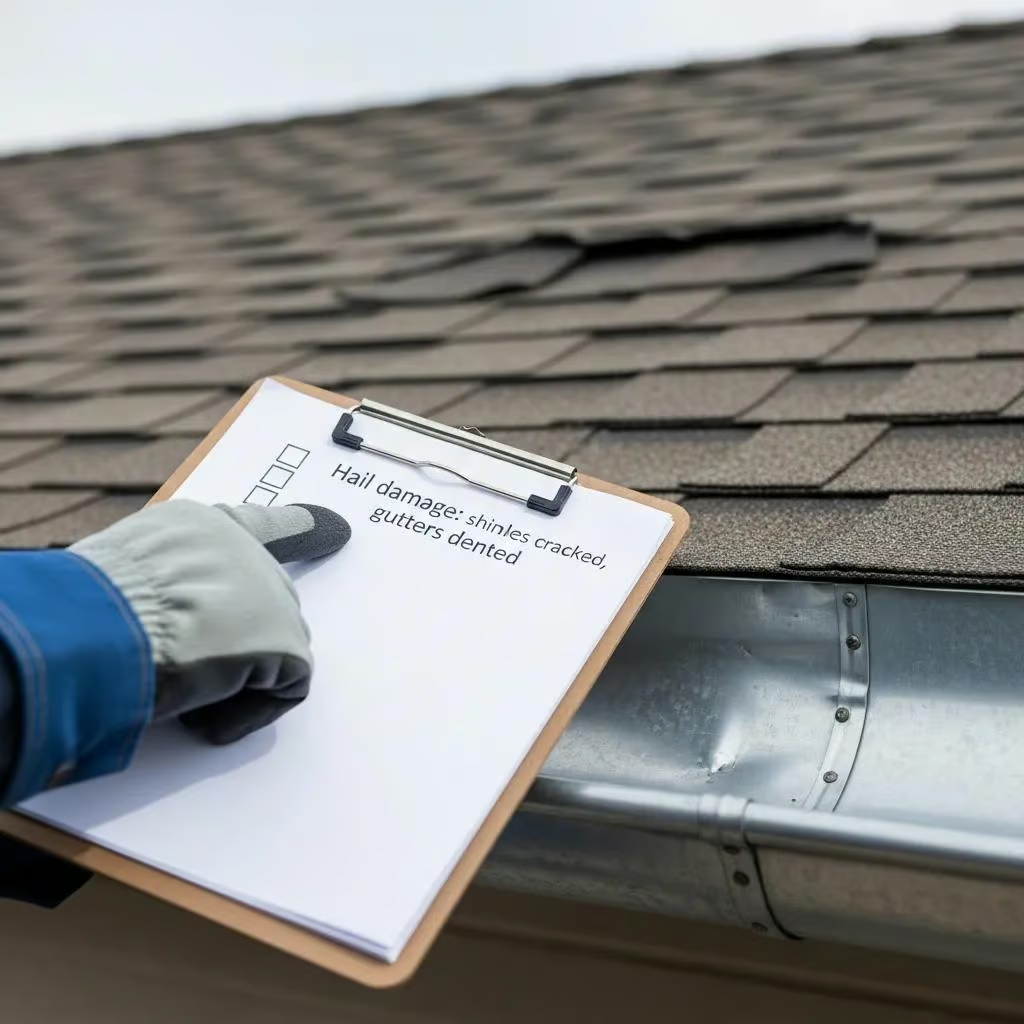
When inspecting your roof for hail damage, consider the following key items:
- Shingles: Inspect shingles for cracks, dents, or bruising, as these are common indicators of hail damage.
- Siding and Gutters: Check the siding and gutters for dents or damage, which can also signal hail impact.
- Documentation: Document all findings with photographs to support your insurance claim.
By following this checklist, you can ensure a comprehensive assessment of your roof’s condition.
How to Identify and Document Roof Damage Caused by Hail
Identifying and documenting hail damage involves several steps:
- Visual Inspection: Start with a visual inspection of the roof and surrounding areas for any signs of damage.
- Photographic Evidence: Take clear photographs of any damage, focusing on shingles, gutters, and siding.
- Notify Your Insurance Company: Once you have documented the damage, notify your insurance company to initiate the claims process.
This systematic approach will help you effectively communicate the extent of the damage to your insurance provider.
What Is the Step-by-Step Roof Damage Insurance Claim Process for Hail Damage?
Filing an insurance claim for hail damage can be a complex process, but understanding the steps involved can simplify it. This section outlines the essential procedures to follow when filing a claim.
How to File a Hail Damage Claim: Essential Documentation and Procedures
To file a hail damage claim, follow these essential steps:
- Document the Damage: Ensure you have detailed documentation of all visible damage, including photographs and notes.
- Contact Your Insurance Provider: Reach out to your insurance provider to report the damage and begin the claims process.
- Submit Necessary Documentation: Provide all required documentation, including your inspection findings and any additional information requested by your insurer.
By adhering to these steps, you can streamline the claims process and increase the likelihood of a successful outcome.
What Role Does a Roofing Contractor Play in the Insurance Claim Process?
A roofing contractor plays a vital role in assisting homeowners with the insurance claim process. Their responsibilities include:
- Documentation Assistance: Contractors can help document the damage accurately, ensuring all necessary details are captured.
- Liaison with Insurance Adjusters: They often communicate directly with insurance adjusters to clarify the extent of the damage and the required repairs.
- Advocacy for Homeowners: A reputable contractor will advocate for the homeowner’s best interests, ensuring that the claim reflects the true cost of repairs.
Engaging a qualified roofing contractor can significantly ease the burden of navigating the insurance claim process.
Which Materials and Repair Methods Are Best for Hail Damage Roof Repair?
Choosing the right materials and repair methods is crucial for effective hail damage repair. This section explores the best options available to homeowners.
How to Choose Durable Roofing Materials for Effective Hail Damage Repair

When selecting roofing materials for hail damage repair, consider the following criteria:
- Impact Resistance: Look for materials classified as Class 4 impact-resistant according to UL 2218 standards to withstand future hail storms.
- Longevity and Maintenance: Evaluate the longevity of materials and their maintenance requirements to ensure long-term performance.
- Cost-Effectiveness: Assess the cost of materials in relation to their durability and warranty coverage.
By focusing on these criteria, homeowners can make informed decisions that enhance the resilience of their roofs.
Research has extensively studied the impact resistance of various roofing materials to help homeowners make informed choices.
Hail Damage Thresholds & Roof Material Impact Testing
The authors’ firm had impacted common roofing materials with simulated hailstones to determine threshold sizes needed to initiate damage. A mechanical launcher was developed to propel freezer ice stones at desired velocities. This paper will present the methodology and findings of our impact tests. Further, test results compared favorably with field observations of roof damage in natural hailstorms.
Testing of Impact-Resistant Asphalt Shingles, 2020
What Are the Professional Repair Techniques Used by Roofing Contractors?
Professional roofing contractors employ various techniques to repair hail damage effectively:
- Inspection and Leak Detection: Thorough inspections help identify all areas of damage, including hidden leaks.
- Spot Repairs and Shingle Replacement: Contractors may perform spot repairs or replace damaged shingles to restore the roof’s integrity.
- Preventative Maintenance: Implementing preventative maintenance strategies can help extend the life of the roof and prevent future damage.
Understanding these techniques can help homeowners appreciate the value of professional repair services.
What Is the Typical Timeline and Process for Project Completion After Hail Damage?
The timeline for completing hail damage repairs can vary based on several factors, including the extent of the damage and the materials used. This section outlines the typical process and expected duration for repairs.
How Long Does Hail Damage Roof Repair Usually Take?
Hail damage roof repair typically takes between a few days to 2 weeks, depending on the severity of the damage and the availability of materials. Factors that can influence the timeline include:
- Extent of Damage: More extensive damage may require additional time for repairs.
- Weather Conditions: Adverse weather can delay the repair process.
- Contractor Availability: The availability of skilled contractors can also impact the timeline.
By understanding these factors, homeowners can set realistic expectations for the repair process.
What Are the Final Quality Assurance Steps Before Project Completion?
Before completing the hail damage repair project, several quality assurance steps should be taken:
- Final Inspections: Conduct thorough inspections to ensure all repairs meet industry standards.
- Customer Feedback: Engage with customers to gather feedback on the repair process and address any concerns.
- Standards Compliance: Ensure that all work complies with local building codes and regulations.
These final steps are crucial for ensuring the quality and durability of the repair work.
How to Maintain Your Roof and Understand Warranty Coverage After Hail Damage Repair?
Proper maintenance and understanding warranty coverage are essential for protecting your investment after hail damage repair. This section provides insights into effective maintenance practices and warranty details.
What Maintenance Practices Extend the Life of a Repaired Roof?
To extend the life of a repaired roof, homeowners should implement the following maintenance practices:
- Regular Inspections: Schedule regular roof inspections to identify potential issues early.
- Gutter Cleaning: Keep gutters clean and free of debris to prevent water damage.
- Tree Trimming: Trim overhanging branches to reduce the risk of future hail damage.
By following these practices, homeowners can enhance the longevity of their roofs.
How Does a Hail Damage Roof Repair Warranty Protect Homeowners?
A hail damage roof repair warranty provides homeowners with essential protections, including:
- Coverage Details: Warranties typically cover defects in materials and workmanship for a specified period.
- Claim Filing: Homeowners should understand the process for filing claims within the warranty period to ensure coverage.
- Peace of Mind: A warranty offers peace of mind, knowing that repairs are protected against unforeseen issues.
Understanding warranty coverage is vital for homeowners to safeguard their investment in roof repairs.


