
Hail Damage Repair and Insurance Adjusters: How the Process Works
Hail Damage Repair and Insurance Adjusters: Understanding the Roof Insurance Claim Process for Effective Resolution
Hail damage can significantly impact the integrity of your roof, leading to costly repairs and insurance claims. Understanding the process of hail damage repair and how insurance adjusters operate is crucial for homeowners and property managers alike. This article will guide you through the complexities of hail damage, the insurance claim process, and how to effectively work with insurance adjusters to ensure a smooth resolution. By the end, you will have a comprehensive understanding of the steps involved, the documentation required, and the best practices for navigating this challenging situation.
What Is Hail Damage and How Does It Affect Your Roof?
Hail damage refers to the physical harm caused to roofing materials by hailstones during a storm. The impact of hail can compromise the roof’s integrity, leading to leaks and structural issues. Understanding the effects of hail damage is essential for timely repairs and maintaining the safety of your home. Regular inspections after hailstorms can help identify damage early, preventing more extensive and costly repairs down the line.
How to Identify Signs of Hail Damage on Residential and Commercial Roofs
Identifying hail damage can be challenging, but there are several key indicators to look for:
- Dents and Dings: Look for visible dents on shingles, gutters, and downspouts.
- Granule Loss: Check for granules from shingles in gutters or on the ground, indicating wear.
- Cracks and Breaks: Inspect for cracks in shingles or other roofing materials that may have been compromised.
Professional inspections are recommended to accurately assess the extent of the damage and determine necessary repairs.
What Are the Common Types of Roof Damage Caused by Hailstorms?
Hailstorms can cause various types of damage to roofs, including:
- Shingle Damage: Hail can create cracks, bruises, or holes in shingles, leading to leaks.
- Gutter Damage: Hail can dent or dislodge gutters, affecting drainage.
- Wind Damage: Hail often accompanies strong winds, which can further damage roofing materials.
Understanding these types of damage is crucial for homeowners to address issues promptly and effectively.
How Does the Roof Insurance Claim Process Work After Hail Damage?
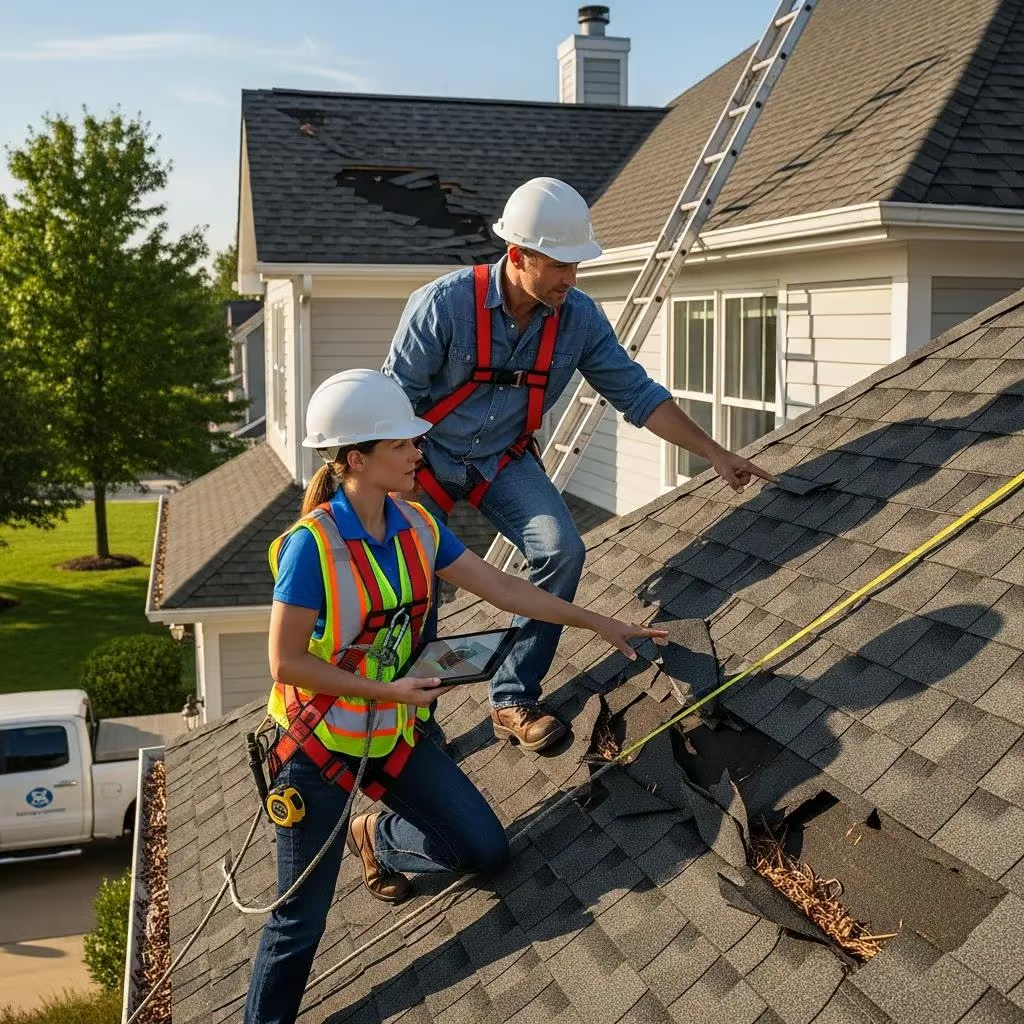
The roof insurance claim process can be complex, but understanding the steps involved can simplify the experience. Homeowners must navigate through documentation, inspections, and negotiations with insurance adjusters to ensure their claims are processed efficiently.
What Are the Step-by-Step Procedures for Filing a Roof Damage Insurance Claim?
Filing a roof damage insurance claim typically involves the following steps:
- Document the Damage: Take clear photos of the damage to your roof and surrounding areas.
- Contact Your Insurance Company: Notify your insurer about the damage and initiate the claim process.
- Schedule an Inspection: Arrange for an insurance adjuster to assess the damage.
Following these steps can help streamline the claims process and ensure that all necessary information is provided.
Which Documents and Evidence Are Required for a Successful Claim?
To support your insurance claim, you will need to gather specific documentation, including:
- Photo Documentation: Clear images of the damage to your roof.
- Inspection Reports: Any reports from professional roof inspections.
- Contractor Estimates: Quotes from roofing contractors for repair costs.
Having these documents ready can significantly enhance the chances of a successful claim.
Navigating Roof Insurance Claims for Hail Damage Repairs
Working with insurance adjusters can be daunting, but understanding their role and expectations can facilitate a smoother process. Adjusters are responsible for evaluating the damage and determining the claim amount.
What Does an Insurance Adjuster Look for During a Hail Damage Roof Inspection?
During a roof inspection, insurance adjusters typically assess:
- Extent of Damage: They evaluate the overall damage to the roof and surrounding structures.
- Documentation Importance: Adjusters will review the documentation provided by the homeowner.
- Potential Future Damage: They consider any risks of future damage that may arise from the current state of the roof.
Being prepared with thorough documentation can help ensure that the adjuster has all the necessary information to make an informed decision.
How Can Homeowners and Property Managers Facilitate a Smooth Adjuster Inspection?
To facilitate a smooth inspection process, homeowners and property managers should:
- Organize Documentation: Have all relevant documents ready for the adjuster.
- Identify Damaged Areas: Clearly point out areas of concern to the adjuster.
- Have a Professional Present: Consider having a roofing professional accompany the adjuster to provide expert insights.
These steps can help ensure that the inspection is thorough and efficient.
What Roof Repair Options Are Available After Hail Damage and Insurance Approval?

Once your insurance claim is approved, various roof repair options are available depending on the severity of the damage. Understanding these options can help you make informed decisions about the best course of action.
How to Choose the Right Roof Repair Service Based on Damage Severity and Insurance Coverage
When selecting a roof repair service, consider the following factors:
- Professional Inspection Importance: Ensure the contractor conducts a thorough inspection to assess the damage.
- Understanding Insurance Coverage: Choose a contractor familiar with your insurance policy to help navigate the claims process.
- Reputation of Contractors: Research and select contractors with positive reviews and a solid track record.
Choosing the right service can significantly impact the quality and efficiency of the repairs.
What Are the Typical Costs and Timelines for Hail Damage Roof Repairs?
The costs and timelines for hail damage roof repairs can vary widely based on several factors:
Typically, minor repairs can be completed within a few days, while full replacements may take several weeks, depending on the scope of work and weather conditions.
What Are Common Issues and FAQs in Roof Insurance Claims for Hail Damage?
Navigating roof insurance claims can lead to various questions and concerns. Understanding common issues can help homeowners prepare for potential challenges.
How Long Does the Roof Insurance Claim Process Usually Take?
The roof insurance claim process can vary in duration, but on average, it takes:
- Initial Claim Review: 1-2 weeks
- Adjuster Inspection: 1 week
- Claim Approval: 2-4 weeks
Factors such as the complexity of the claim and the insurance company’s workload can affect these timelines.
What Steps Should You Take If Your Roof Insurance Claim Is Denied?
If your roof insurance claim is denied, consider the following steps:
- Contact the Roofing Company: Discuss the denial with your contractor for insights.
- Request a Re-Inspection: Ask for a second inspection if you believe the damage was overlooked.
- Gather Documentation: Compile all relevant documents to support your case for appeal.
Taking these steps can help you address the denial and potentially reverse the decision.


