
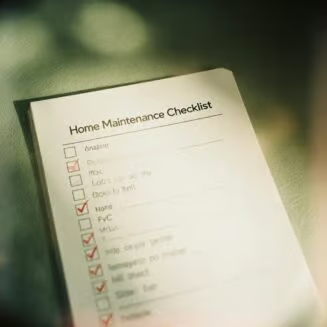
The Complete Homeowner’s Guide to Seasonal Home Maintenance
A well-cared-for home lasts longer, performs better, and protects your family from unnecessary stress and costly repairs. While homeownership brings tremendous rewards, it also requires consistent attention. Seasonal maintenance is the key to detecting early signs of wear, improving efficiency, and ensuring your home remains structurally sound year after year. This guide breaks down the essential tasks every homeowner should perform each season, explaining why each step matters and how it helps preserve your home’s value.
Spring: Renew, Repair, and Prepare for Warmer Weather
Spring is the ideal time for homeowners to inspect the integrity of their home after months of winter weather. Begin by inspecting your roof for any shingles that may have cracked, lifted, or lost granules during heavy rain or wind. Even minor roofing issues can lead to water intrusion, so early detection is crucial. Gutters should also be thoroughly cleaned in the spring to ensure rainwater can flow freely away from your home. When gutters are clogged, water often pools near the foundation, which can lead to shifting soil, settlement, and long-term structural issues.
Siding and exterior trim deserve careful attention as well. Temperature changes can cause paint to peel or surfaces to crack, which exposes wood to moisture and rot. The foundation perimeter should also be examined for new cracks or signs of soil movement. Many homeowners discover sprinkler issues in the spring, which is why testing the system early gives time for repairs and helps prevent overwatering areas near the home. Inside the home, spring is the perfect time to replace HVAC filters and schedule an air-conditioning tune-up before summer heat places heavy demands on the system. Checking the attic for signs of leaks, mold, or pest activity helps prevent hidden issues from worsening. This season is also an excellent opportunity to test smoke and carbon monoxide detectors, inspect plumbing under sinks, flush the water heater, and complete any deep cleaning that refreshes the home for the months ahead.
Summer: Protect Your Home From Heat, Moisture, and Storm Activity
Summer conditions introduce a different set of challenges, especially in regions that experience severe heat or sudden storms. Roof inspections during the summer months are important because strong UV exposure and late-spring storms often weaken shingles or flashing. Power washing the home’s exterior helps remove dirt, mildew, and pollen that accumulate quickly during warm weather. Trees and landscaping should be trimmed back to prevent branches from rubbing against the roof during windstorms, which can cause damage to shingles or gutters.
Outdoor plumbing also sees heavy use during the summer season, making it essential to check faucets, irrigation lines, and sprinkler heads for leaks or low pressure. Indoors, HVAC filters often need to be replaced more frequently to maintain airflow and energy efficiency. Summer is also the best time to walk through your home and feel for air leaks around windows and doors, as escaping cool air often becomes more noticeable. Dryer vent maintenance is extremely important this time of year because lint buildup increases the risk of fire. Bathrooms and kitchens should be checked for failing caulking, which can allow water to penetrate surfaces and create long-term moisture problems. Because warm weather attracts pests, homeowners should stay alert for signs of ants, termites, or rodents and address any activity promptly before it becomes an infestation.
Fall: Prepare Your Home for Colder Temperatures and Seasonal Shifts
Fall serves as a natural transition period, allowing homeowners to prepare for harsher winter conditions. Cleaning gutters again in the fall is particularly important because leaves and debris accumulate quickly, preventing proper drainage during winter freezes. Roofs should be inspected for any signs of heat damage, aging, or storm wear that may have developed throughout the summer. Sealing exterior gaps around windows and doors is an effective way to improve energy efficiency, keeping warm air inside while reducing heating costs.
The soil around the foundation should be checked during the fall months to confirm that water flows away from the home rather than collecting in low spots. This helps prevent foundation movement during winter moisture cycles. It’s also important to store garden hoses and protect exterior faucets before overnight temperatures begin to drop. Inside the home, fall is the time to schedule a furnace or heating system tune-up to ensure it operates safely and efficiently throughout winter. Exposed interior pipes located in attics, garages, or utility rooms should be insulated to reduce the risk of freezing. Smoke and carbon monoxide detector batteries should be replaced as part of fall preparation, and GFCI outlets should be tested to confirm they are providing proper electrical protection. Reversing ceiling fans to push warm air downward helps maintain an even temperature, and deep cleaning floors or carpets prepares the home for more time spent indoors during cooler months.
Winter: Safeguard Your Home From Ice, Moisture, and Freeze Damage
Winter maintenance focuses on freeze protection and monitoring for subtle issues that develop when temperatures drop. Gutters should be monitored throughout the season because freeze-thaw cycles can create ice blockages that lead to water overflow. Roof inspections are equally important during winter since ice, snow, or strong winds can loosen shingles or damage flashing. Exterior faucets and any exposed plumbing require special attention to ensure insulation remains secure and effective.
Inside the home, HVAC filters should be replaced to support heating system performance, especially when the system runs continuously. The attic should be checked periodically for signs of condensation or frost, both of which indicate ventilation issues that could lead to mold or wood rot. Homeowners should also monitor indoor humidity levels, as excessively dry or damp air can damage wood flooring, furniture, and windows. GFCI outlets should be tested and reset monthly during winter when electrical loads tend to be heavier. Plumbing should be monitored closely for slow drains or small leaks, as colder temperatures often worsen hidden issues.
Annual Home Maintenance: The Yearly Essentials Every Homeowner Should Complete
Beyond seasonal upkeep, several crucial tasks should be completed at least once a year. A professional roof inspection ensures that small problems are identified long before they develop into leaks. The home’s foundation should be reviewed both inside and outside, watching for new cracks, separating trim, or doors and windows that suddenly stick—often early signs of settlement. Plumbing systems benefit from annual checks of water pressure, inspection of exposed pipes for corrosion, and testing of shutoff valves to ensure they operate correctly during emergencies.
Electrical systems require periodic review as well. The breaker panel should be inspected for signs of rust, heat, or wear, and GFCI or AFCI outlets should be tested to confirm they are functioning correctly and providing essential protection. HVAC systems need servicing twice a year; once for cooling and once for heating, to keep them running efficiently and extend their lifespan. Major appliances also require basic maintenance, such as cleaning refrigerator coils, inspecting dishwasher seals, and checking washing machine hoses for wear. Safety equipment should never be overlooked; smoke and carbon monoxide detectors should be replaced every ten years, while fire extinguishers should be inspected to ensure they are fully charged. Homeowners should also take time each year to review the locations of emergency shutoff valves and circuit breakers to stay prepared for unexpected situations.
Why Consistent Home Maintenance Matters More Than Homeowners Realize
Ignoring maintenance does not simply shorten the lifespan of your home’s systems—it allows issues to develop quietly behind the scenes. A clogged gutter may seem harmless, but it can eventually cause foundation movement. A cracked shingle may look minor, but it can allow water intrusion that spreads across the decking and insulation. Even small gaps in caulking can result in moisture damage that costs thousands to repair. When homeowners stay proactive, they save money, prevent emergencies, and maintain the long-term value of their property.


