
Flat Roof Repair: Methods, Costs, and When to Call a Professional
Flat Roof Repair Guide: Methods, Costs & Pro Advice
Flat roof repair is a critical aspect of maintaining the integrity of both residential and commercial buildings. These roofs, while popular for their modern aesthetic and efficient use of space, can be prone to various issues such as leaks and structural damage. Understanding the methods available for flat roof repair, the associated costs, and when to seek professional help is essential for property owners. This article will delve into effective repair methods, cost factors, and maintenance tips, providing a comprehensive guide to ensure your flat roof remains in optimal condition. We will also explore the importance of professional services, particularly from specialized providers like Baker Roofing Company, to ensure quality and longevity in your roofing solutions.
Indeed, ensuring the long-term performance and durability of building components like flat roofs requires careful planning from the design stage, as highlighted by research on building life cycle maintenance.
Building Durability & Life Cycle Maintenance Planning
Many buildings experience durability issues, including water leakage, corrosion, etc. well within their assumed 50 year life. Components may also require routine replacement which is not communicated to the owners or properly planned for. Decisions made at design stage have a profound impact on these in-service performance, maintenance and whole of life cycle issues.
Planning for durability and life cycle maintenance of buildings during design, 2015
What Are the Most Effective Flat Roof Repair Methods?
When it comes to flat roof repair, several methods can effectively address common issues. These methods vary based on the type of damage and the materials used in the roofing system. Understanding these options can help property owners make informed decisions about their repair needs.
How Does Flat Roof Patching Address Common Leak Issues?
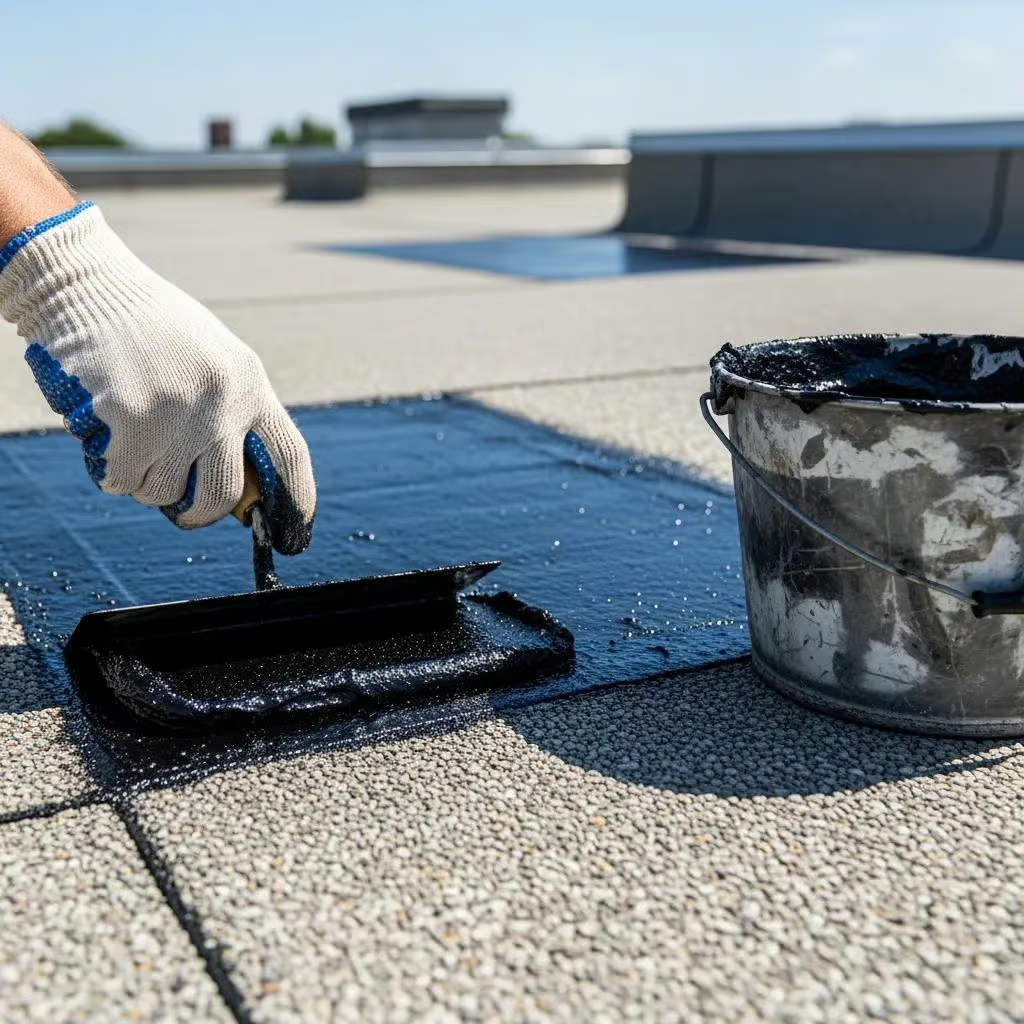
Flat roof patching is a common method used to address leaks and minor damage. This technique involves applying a patching material over the affected area, effectively sealing leaks and preventing further water intrusion. The benefits of patching include:
- Prevention of Further Damage: By sealing leaks promptly, patching helps prevent water from causing more extensive damage to the roof structure and interior spaces.
- Cost-Effectiveness: Patching is often less expensive than more extensive repair methods, making it a budget-friendly option for property owners.
- Safety and Aesthetic Maintenance: Quick repairs can maintain the roof’s appearance and safety, ensuring that it remains functional and visually appealing.
What Are the Benefits of Membrane Replacement and Sealing Techniques?
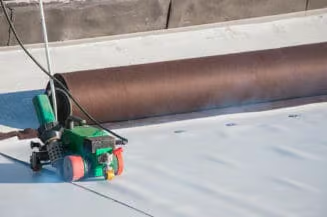
Membrane replacement and sealing techniques are essential for maintaining the integrity of flat roofs. These methods involve replacing or applying a new waterproof membrane to the roof surface. The advantages include:
- Cost Savings Compared to Full Replacement: Replacing a membrane can be significantly cheaper than a complete roof replacement, especially if the underlying structure is still sound.
- Waterproofing Benefits: A new membrane provides enhanced waterproofing, reducing the risk of leaks and water damage.
- Energy Efficiency Improvements: Modern membranes often come with reflective properties that can improve energy efficiency by reducing heat absorption.
How Much Does It Cost to Fix a Flat Roof?
The cost of fixing a flat roof can vary widely based on several factors, including the extent of the damage, the materials used, and the complexity of the repair. Understanding these factors can help property owners budget effectively for their roofing needs.
What Factors Influence the Cost of Flat Roof Repair?
Several key factors influence the cost of flat roof repair:
- Type of Roof Material: Different materials, such as EPDM, TPO, or modified bitumen, have varying costs associated with repairs.
- Cause of Damage: The underlying cause of the damage, whether due to weather, wear and tear, or improper installation, can affect repair costs.
- Height and Complexity of the Roof: Roofs that are higher or have complex designs may require more labor and specialized equipment, increasing overall costs.
Can You See a Cost Breakdown for Common Repair Scenarios?
Here’s a breakdown of typical costs associated with common flat roof repair scenarios:
This table illustrates the potential costs associated with various repair scenarios, helping property owners understand what to expect.
When Should You Call a Professional for Flat Roof Repair?
Knowing when to call a professional for flat roof repair is crucial for maintaining the longevity of your roof. Certain signs indicate that professional intervention is necessary to prevent further damage.
What Are the Signs Indicating Professional Intervention Is Needed?
Several signs suggest that it may be time to call in a professional:
- Ponding Water: If water remains on the roof for more than 48 hours after a rainstorm, it can indicate drainage issues that require professional assessment.
- Blistering and Cracking Seams: Visible damage to seams can lead to leaks and should be addressed by a professional.
- Visible Damage on the Roof: Any signs of significant wear, such as large cracks or holes, warrant immediate professional attention.
The critical nature of addressing ponding water is further emphasized by studies on flat roof defects, which establish clear criteria for proper drainage.
Flat Roof Defects: Ponding Water & Drainage Criteria
drainage and suggests criteria for judging proper slope. The criteria are “that there be no ponding water on the roof
Concrete flat roof defects in equatorial climates, A Mohd Sarman, 2015
How Do Professional Contractors Ensure Quality and Warranty?
Professional contractors, such as those from Baker Roofing Company, ensure quality through several practices:
- Licensing and Insurance: Licensed contractors are more likely to adhere to industry standards and regulations, providing peace of mind to property owners.
- Use of High-Quality Materials: Professionals typically use superior materials that enhance the durability and longevity of repairs.
- Post-Project Support: Many contractors offer warranties on their work, ensuring that any issues that arise post-repair can be addressed without additional costs.
What Are Essential Flat Roof Maintenance Tips to Prevent Damage?
Regular maintenance is key to extending the lifespan of flat roofs. Implementing a proactive maintenance plan can help prevent costly repairs down the line.
How Can Regular Inspections Detect Early Leak Problems?
Conducting regular inspections is vital for early detection of potential issues. Inspections can help identify:
- Early Detection of Issues: Spotting small leaks or damage before they escalate can save significant repair costs.
- Comprehensive Assessment: Regular checks allow for a thorough evaluation of the roof’s condition, ensuring all areas are monitored.
- Documentation for Insurance: Keeping records of inspections can be beneficial for insurance claims in case of significant damage.
Effective inspections, particularly for specific materials like EPDM, often require specialized knowledge and training to ensure thoroughness and accuracy.
EPDM Flat Roof Repair & Inspection Training
repair of EPDM roofs. Many stated that they are not adequately knowledgeable about inspection procedures, and suggested that training methods for proper inspection of EPDM roofing
EPDM Roofing at Air Force Facilities
Which Maintenance Practices Extend Flat Roof Lifespan?
Several maintenance practices can help prolong the life of a flat roof:
- Regular Inspections: Schedule inspections at least twice a year to catch issues early.
- Debris Removal: Keeping the roof clear of debris prevents water pooling and damage.
- Gutter Maintenance: Ensuring gutters are clean and functional helps direct water away from the roof.
How Is Commercial Flat Roof Repair Different from Residential Solutions?
Commercial flat roof repair often involves different materials and methods compared to residential solutions. Understanding these differences can help property managers make informed decisions.
What Specialized Materials and Methods Are Used in Commercial Repairs?
Commercial repairs typically utilize specialized materials designed for larger structures. These may include:
- Types of Materials Used: Commercial roofs often use materials like TPO, PVC, or modified bitumen, which are designed for durability and energy efficiency.
- Environmental Considerations: Many commercial roofing solutions are designed to meet specific environmental standards, enhancing sustainability.
- Durability and Maintenance: Commercial roofs are built to withstand heavier foot traffic and equipment, requiring different maintenance approaches.
When Should Commercial Property Managers Schedule Repairs?
Timing is crucial for commercial property managers. Key considerations include:
- Best Time for Inspections: Scheduling inspections before and after severe weather seasons can help identify potential issues.
- Preventative Maintenance Importance: Regular maintenance can prevent costly repairs and extend the roof’s lifespan.
- Impact of Seasonal Weather: Understanding how seasonal changes affect roofing materials can help in planning maintenance schedules.
What Emergency Flat Roof Repair Options Are Available?
In the event of sudden damage, knowing emergency repair options can minimize property damage and ensure safety.
How Can Immediate Leak Repairs Minimize Property Damage?
Immediate leak repairs are essential for preventing further damage. The benefits include:
- Prevention of Further Damage: Quick action can stop leaks from spreading and causing more extensive damage.
- Cost Savings: Addressing leaks promptly can save on more significant repair costs later.
- Maintaining Property Value: Keeping the roof in good condition helps maintain the overall value of the property.
When Is Temporary Patching Appropriate Before Full Repair?
Temporary patching can be a viable solution in certain situations:
- Situations Requiring Immediate Attention: If a leak is detected during a storm, temporary patches can provide immediate relief.
- Temporary vs Permanent Solutions: Understanding the difference can help property owners make informed decisions about when to seek permanent repairs.
- Impact of Weather on Repairs: Weather conditions can affect the timing and method of repairs, making temporary solutions necessary until conditions improve.


