
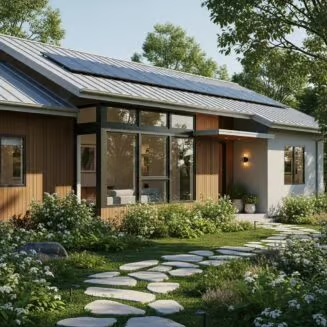
Energy-Efficient Home Remodel: Roofing and Insulation Upgrades to Lower Bills and Boost Comfort
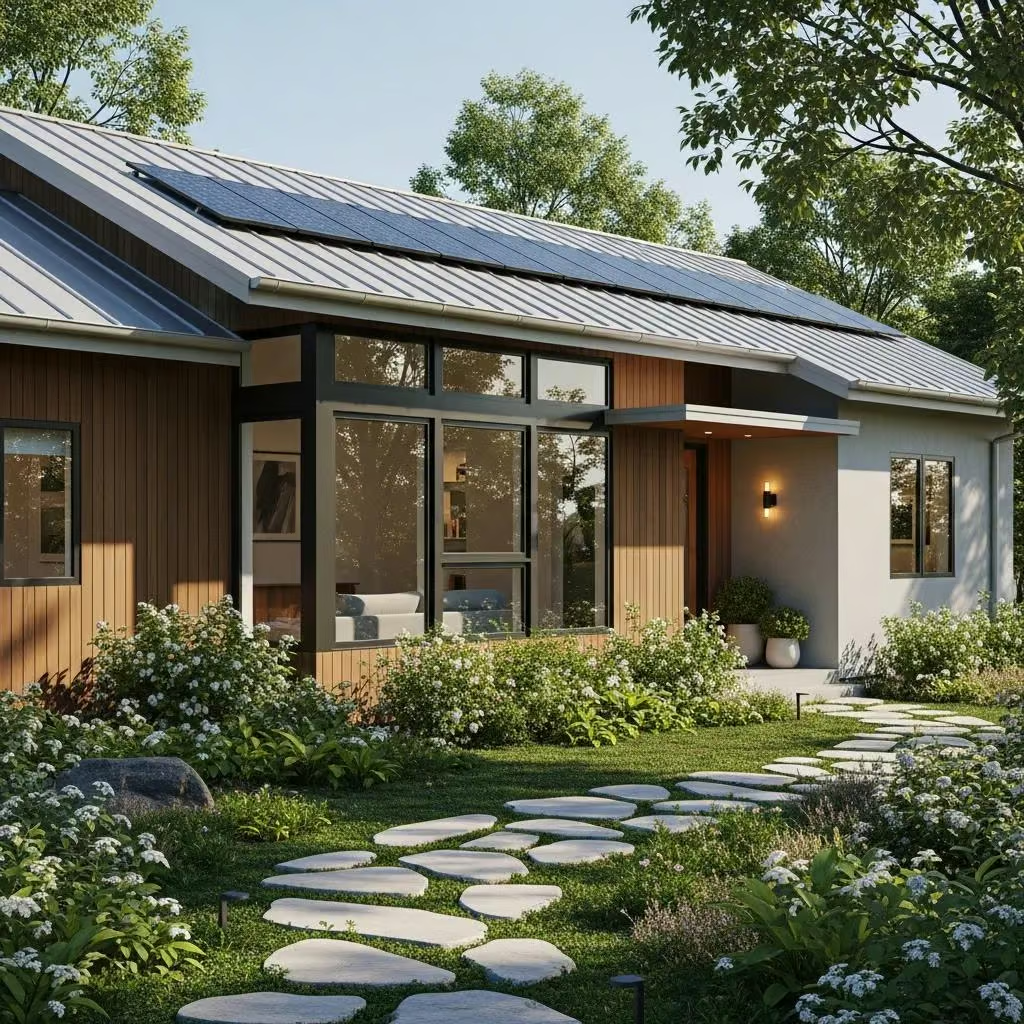
In the quest for sustainable living, energy-efficient home remodels have emerged as a vital solution for homeowners looking to reduce their utility bills while enhancing comfort. This article delves into various upgrades, particularly focusing on roofing and insulation, which play a crucial role in improving energy efficiency. Readers will learn about the best roofing options, insulation techniques, and the benefits of integrating solar energy solutions into their homes. As energy costs continue to rise, understanding these upgrades can provide significant long-term savings and comfort improvements. We will explore the best energy-efficient roofing options, the impact of insulation upgrades, the advantages of solar panel roofing, and the financial implications of these renovations.
What Are the Best Energy Efficient Roofing Options for Your Home?
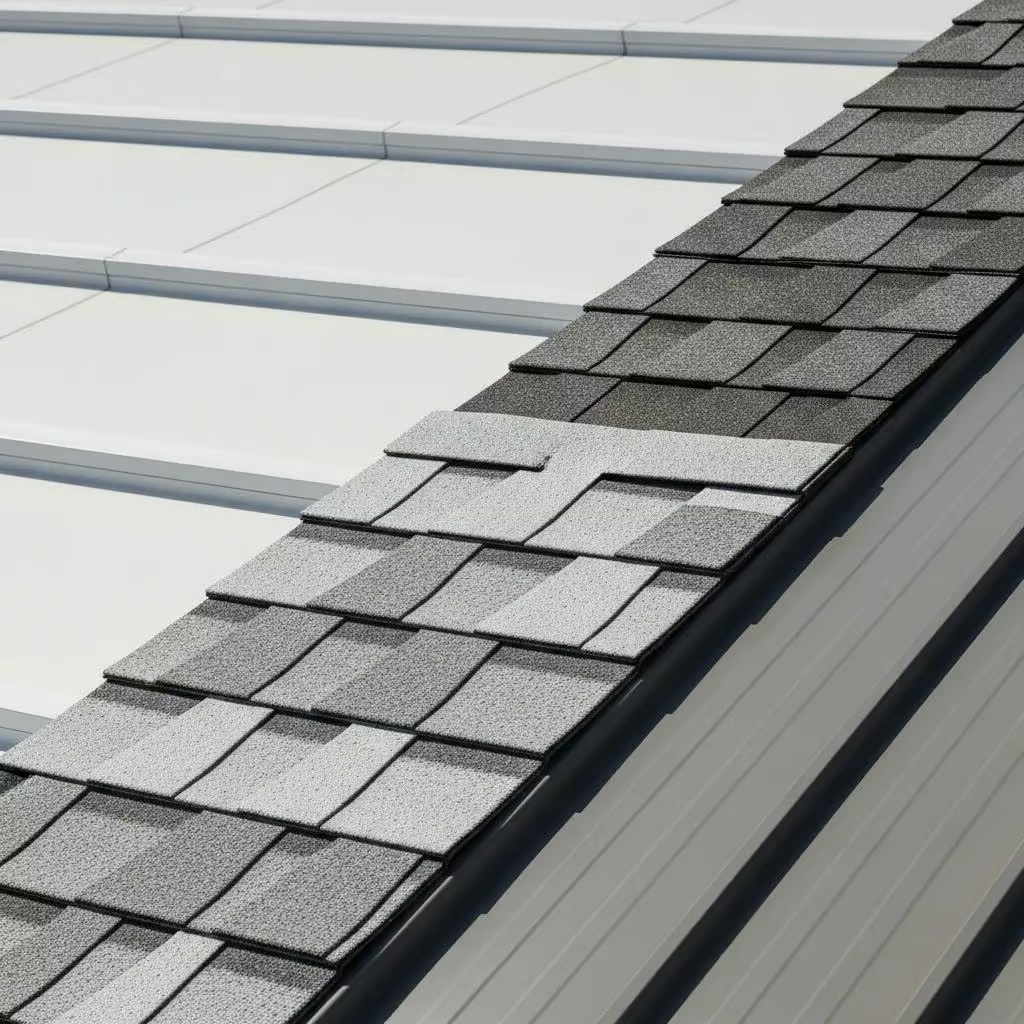
When considering energy-efficient roofing options, homeowners have several materials to choose from that can significantly lower energy costs. These roofing materials not only enhance the aesthetic appeal of a home but also contribute to energy savings through improved insulation and reflectivity. The most effective options include “cool roofs,” reflective shingles, and energy-efficient roofing materials, each offering unique benefits that can lead to substantial reductions in energy consumption.
How Does Cool Roof Technology Reduce Energy Costs?
Cool roof technology works by reflecting more sunlight and absorbing less heat than standard roofs. This is achieved through the use of reflective materials and coatings that can lower roof surface temperatures significantly. Studies show that cool roofs can reduce energy costs by up to 15% during peak summer months, leading to lower air conditioning demands. Additionally, this technology contributes to a more comfortable indoor environment, making it an excellent choice for homeowners looking to enhance their living spaces while saving on energy bills.
Which Sustainable Roofing Materials Offer Durability and Reflectivity?
Sustainable roofing materials such as metal, slate, and certain types of shingles provide both durability and reflectivity. Metal roofs, for instance, can last 40 to 70 years and are highly reflective, reducing heat absorption. Similarly, slate roofs are not only long-lasting but also provide excellent insulation properties. Reflective shingles, designed specifically for energy efficiency, can help maintain cooler indoor temperatures, further contributing to energy savings. Homeowners should consider these materials for their longevity and energy-saving potential.
How Can Home Insulation Upgrades Improve Energy Efficiency and Comfort?
Upgrading home insulation is a critical step in enhancing energy efficiency and comfort. Proper insulation helps maintain a consistent indoor temperature, reducing the need for heating and cooling systems to work overtime. This not only lowers energy bills but also improves overall comfort by eliminating drafts and cold spots. Advanced insulation techniques, such as spray foam and blown-in cellulose, offer superior thermal resistance compared to traditional fiberglass insulation, making them ideal choices for modern homes.
What Are the Benefits of Advanced Roof Insulation Techniques?
Advanced roof insulation techniques provide several benefits, including improved energy efficiency and increased comfort. For example, spray foam insulation expands to fill gaps and cracks, creating an airtight seal that prevents heat loss. This can lead to energy savings of up to 20-30% on heating and cooling costs. Additionally, these techniques can enhance the longevity of roofing systems by reducing the risk of moisture buildup and related damage, ultimately protecting the homeowner’s investment.
Further research highlights the effectiveness of advanced insulation systems, including innovative materials like aerogel-based rendering, in significantly improving the thermal performance of both new and retrofitted buildings.
Advanced Insulation for Energy-Efficient Home Retrofits The building sector offers significant potential for improved energy efficiency through the use of high-performance insulation and energy-efficient systems. In this study, the thermal behaviour of buildings with an advanced thermal insulation system, particularly, with an aerogel-based rendering/mortar exterior insulation system is examined. In addition to new buildings, the rendering is very suitable for application to retrofit existing ones since it offers high insulation performance and its application is easy, compatible with traditional masonry facades, and using common well-known techniques. Performance evaluation of buildings with advanced thermal insulation system: A numerical study, M Ibrahim, 2016
How Does Proper Roof Ventilation Enhance Thermal Regulation?
Proper roof ventilation is essential for maintaining thermal regulation within a home. It allows for the circulation of air, preventing heat buildup in the attic during hot months and reducing the risk of ice dams in winter. Effective ventilation systems, such as ridge vents and soffit vents, work together to create a balanced airflow that enhances the performance of insulation. This synergy between ventilation and insulation is crucial for maximizing energy efficiency and ensuring a comfortable living environment.
What Are the Advantages of Solar Panel Roofing in Energy-Efficient Remodels?
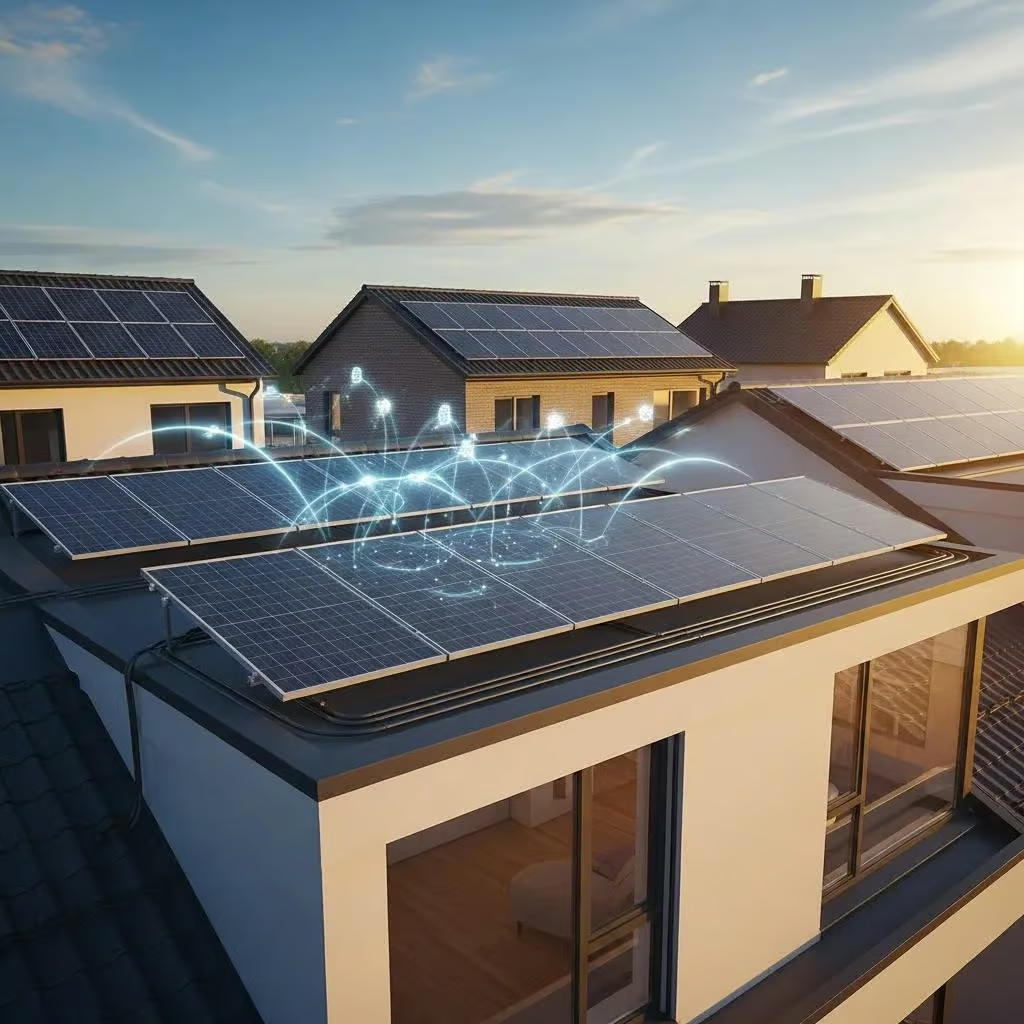
Solar panel roofing offers a sustainable solution for homeowners looking to reduce their reliance on traditional energy sources. By harnessing solar energy, homeowners can significantly lower their electricity bills and even generate income through net metering programs. Additionally, solar panels can increase property value and provide a hedge against rising energy costs. As technology advances, the efficiency and affordability of solar roofing systems continue to improve, making them an attractive option for energy-efficient remodels.
How Do Solar Roofing Systems Contribute to Lower Energy Bills?
Solar roofing systems can drastically reduce energy bills by generating electricity from sunlight. Homeowners can save an average of 50-70% on their monthly energy costs, depending on their location and energy consumption patterns. Furthermore, many states and the federal government offer tax incentives and rebates for solar installations, making the initial investment more manageable. This financial benefit, combined with the environmental advantages of renewable energy, makes solar roofing a compelling choice for energy-conscious homeowners.
What Are the Installation Considerations for Solar Panel Roofs?
When considering solar panel installation, several factors must be taken into account. Homeowners should evaluate their roof type, orientation, and shading to determine the best solar solution. Compliance with local regulations and obtaining necessary permits is also crucial. Additionally, working with experienced professionals, such as Baker Roofing Company, can ensure that the installation is performed correctly and efficiently, maximizing the system’s performance and longevity.
How Do Roof Ventilation Improvements Impact Home Energy Savings?
Improving roof ventilation can have a significant impact on home energy savings. By allowing for proper airflow, ventilation systems help regulate indoor temperatures, reducing the workload on heating and cooling systems. This can lead to lower energy bills and a more comfortable living environment. Homeowners should consider upgrading their ventilation systems to optimize energy efficiency and enhance the overall performance of their homes.
What Types of Ventilation Systems Optimize Roof Performance?
Several types of ventilation systems can optimize roof performance, including ridge vents, gable vents, and turbine vents. Ridge vents are installed at the peak of the roof, allowing hot air to escape while drawing in cooler air from the eaves. Gable vents are positioned on the sides of the roof, promoting cross-ventilation. Turbine vents use wind power to enhance airflow, making them effective in various weather conditions. Each system has its advantages, and homeowners should choose based on their specific needs and roof design.
How Does Ventilation Work Together with Insulation for Maximum Efficiency?
Ventilation and insulation work in tandem to achieve maximum energy efficiency. Proper insulation minimizes heat transfer, while effective ventilation ensures that any excess heat is expelled from the attic. This combination prevents overheating in the summer and reduces the risk of ice dams in the winter, ultimately leading to lower energy costs and improved comfort. Homeowners should prioritize both aspects when planning energy-efficient upgrades to their homes.
What Are the Cost Savings and Return on Investment for Energy-Efficient Roofing Upgrades?
Investing in energy-efficient roofing upgrades can yield significant cost savings and a favorable return on investment. Homeowners can expect to see reductions in their energy bills, often recouping their initial investment within 3 to 7 years. Additionally, energy-efficient upgrades can increase property value, making them a wise financial decision for those looking to sell in the future.
How Much Can You Save with Energy Efficient Roofing Solutions?
Homeowners can save an average of 10-30% on their energy bills by implementing energy-efficient roofing solutions. This translates to hundreds of dollars in savings annually, depending on the size of the home and local energy costs. Over time, these savings can offset the initial costs of roofing upgrades, making them a financially sound choice.
What Financing Options and Incentives Are Available for Homeowners?
Various financing options and incentives are available for homeowners looking to invest in energy-efficient upgrades. Many states offer tax credits, rebates, and low-interest loans to encourage the adoption of sustainable practices. Additionally, some utility companies provide incentives for energy-efficient home improvements, further reducing the financial burden on homeowners. Exploring these options can make energy-efficient remodeling more accessible and affordable.
Frequently Asked Questions
What is the most effective roofing upgrade for energy efficiency?
Cool roof technology is one of the most effective upgrades, as it reflects sunlight and absorbs less heat than standard roofing, cutting energy costs by up to 15% during peak summer months. Pairing a cool roof with proper insulation and ventilation delivers the greatest overall savings.
How much can homeowners save with energy-efficient roofing?
Homeowners typically save 10-30% on energy bills after installing energy-efficient roofing solutions, with many recouping their investment within 3 to 7 years through lower utility costs and increased property value.
Which insulation type offers the best performance for a roof remodel?
Spray foam insulation is among the top performers, creating an airtight seal that can reduce heating and cooling costs by 20-30%. Blown-in cellulose is another strong option, offering superior thermal resistance compared to traditional fiberglass.
Do solar panel roofs really lower electricity bills?
Yes. Solar roofing systems can reduce monthly energy costs by 50-70%, and many homeowners can further offset installation costs through state and federal tax incentives and rebates.
Why is roof ventilation important in an energy-efficient remodel?
Proper ventilation works alongside insulation to regulate attic temperatures, preventing heat buildup in summer and ice dams in winter. This balance reduces strain on heating and cooling systems and helps insulation perform at its best.


