
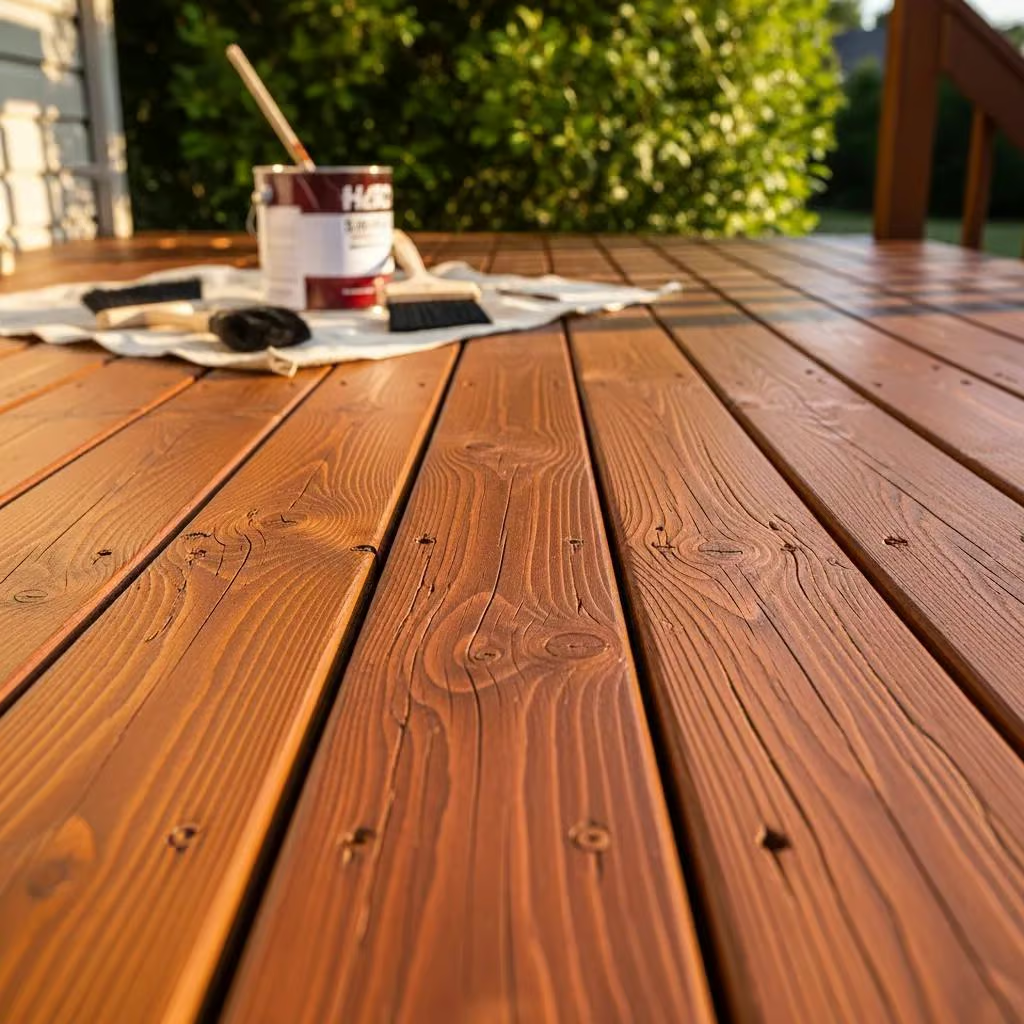
Comprehensive Deck Staining Cost and Quality Comparison: DIY vs Professional Services
When it comes to maintaining the beauty and longevity of your wooden deck, the choice between DIY staining and hiring a professional service can be daunting. This article delves into the cost and quality differences between these two approaches, helping you make an informed decision. You’ll learn about the financial implications of both methods, the quality of results you can expect, and the tools and materials necessary for effective deck staining. Many homeowners struggle with the decision of whether to invest in professional services or tackle the project themselves, often weighing the potential savings against the risk of subpar results. By exploring the costs, benefits, and best practices associated with deck staining, this guide aims to clarify your options and enhance your deck’s appearance and durability.
What Are the Cost Differences Between DIY and Professional Deck Staining?
Understanding the cost differences between DIY and professional deck staining is crucial for homeowners looking to maintain their outdoor spaces. Professional services typically come with a higher price tag due to labor, expertise, and quality assurance. In contrast, DIY staining may seem more economical, but it involves various hidden costs that can add up quickly.
How Much Does Professional Deck Staining Typically Cost?
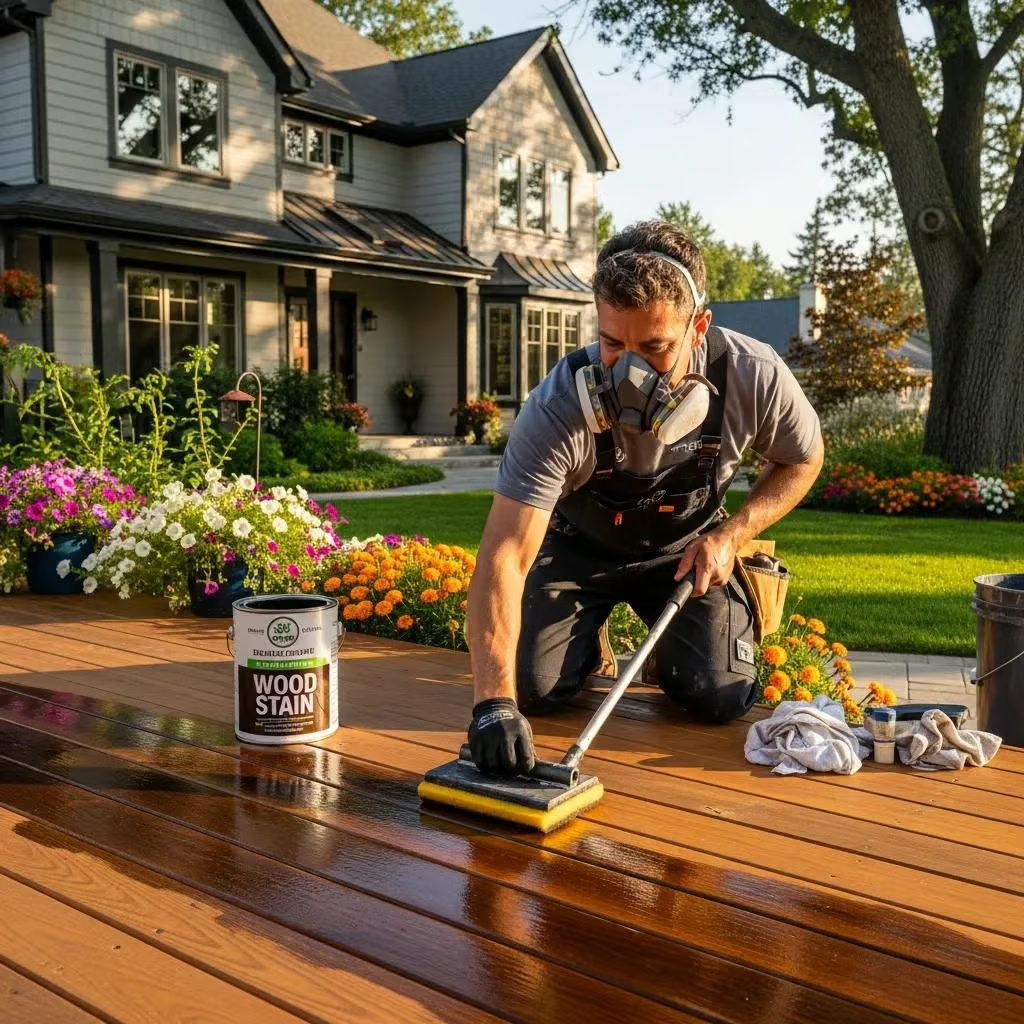
Professional deck staining services generally range from $2 to $5 per square foot, depending on factors such as the size of the deck, the type of stain used, and the complexity of the job. For an average-sized deck of 300 square feet, homeowners can expect to pay between $600 and $1,500. This cost includes labor, materials, and the expertise of professionals who ensure a high-quality finish that lasts longer.
What Are the Expenses Involved in DIY Deck Sealing?
When opting for DIY deck sealing, homeowners should consider the costs of materials and tools. Basic supplies such as stains, sealants, brushes, and rollers can range from $100 to $400, depending on the quality and quantity needed. Additionally, if you lack the necessary tools, you may need to invest in items like a power washer or sprayer, which can further increase your expenses. While DIY may save on labor costs, the total investment can be comparable to professional services when all factors are considered.
How Does Quality and Durability Compare Between DIY and Professional Staining?
The quality and durability of deck staining can significantly impact the longevity of your deck. Professional services often utilize high-grade materials and techniques that ensure a more durable finish compared to typical DIY methods. Understanding these differences can help you decide which option best suits your needs.
What Are the Long-Term Benefits of Professional Deck Sealing?
Professional deck sealing offers several long-term benefits, including enhanced protection against weather elements, UV rays, and wear and tear. Professionals are trained to apply stains evenly and effectively, resulting in a finish that can last up to five to seven years or more. This longevity not only preserves the aesthetic appeal of your deck but also reduces the frequency of maintenance and reapplication, ultimately saving you time and money in the long run.
Understanding the inherent properties of wood and the science behind its preservation further emphasizes why proper sealing and staining are crucial for long-term durability.
Understanding Wood Preservation & Finishes for Deck Longevity
Because of the abundant forests of the world, wood is one of the most common materials found in historic buildings. Wood is relatively easy to fabricate into beams, columns, and roof systems using simple hand tools. However, because of its biological origin, wood is one of the most complex constructions materials. It is produced by thousands of different species of trees, and each type of wood has unique properties. Wood has an affinity for moisture and this can lead to biological deterioration caused by insects and decay fungi. This chapter presents information on understanding and preventing the mechanisms of wood deterioration in historic buildings. The chapter includes a discussion of wood preservation and technology, including wood finishes and wood preservative treatments, diffusible preservatives, and naturally durable wood species. A brief discussion about the repair of deteriorated timbers in buildings is also included.
Technologies for wood preservation in historic preservation, 1999
What Risks and Common Mistakes Affect DIY Staining Quality?
DIY staining can lead to several common mistakes that compromise the quality of the finish. Inadequate surface preparation, improper application techniques, and the use of low-quality materials can result in peeling, fading, and uneven coloring. Additionally, many homeowners underestimate the importance of weather conditions during application, which can further affect the outcome. Understanding these risks is essential for anyone considering a DIY approach to deck staining.
Which Tools and Materials Are Essential for Effective Deck Staining?
To achieve a professional-looking finish, certain tools and materials are essential for effective deck staining. Knowing what to use can make a significant difference in the quality of your work, whether you choose to go the DIY route or hire a professional.
What Professional-Grade Products Enhance Deck Longevity?
Professional-grade products often include high-quality stains and sealants that provide superior protection and durability. Brands like Behr and Sherwin-Williams offer products specifically designed for outdoor use, ensuring that your deck withstands the elements. These products typically contain advanced formulations that resist fading and wear, making them a worthwhile investment for long-term maintenance.
What DIY Tools and Materials Are Recommended for Homeowners?
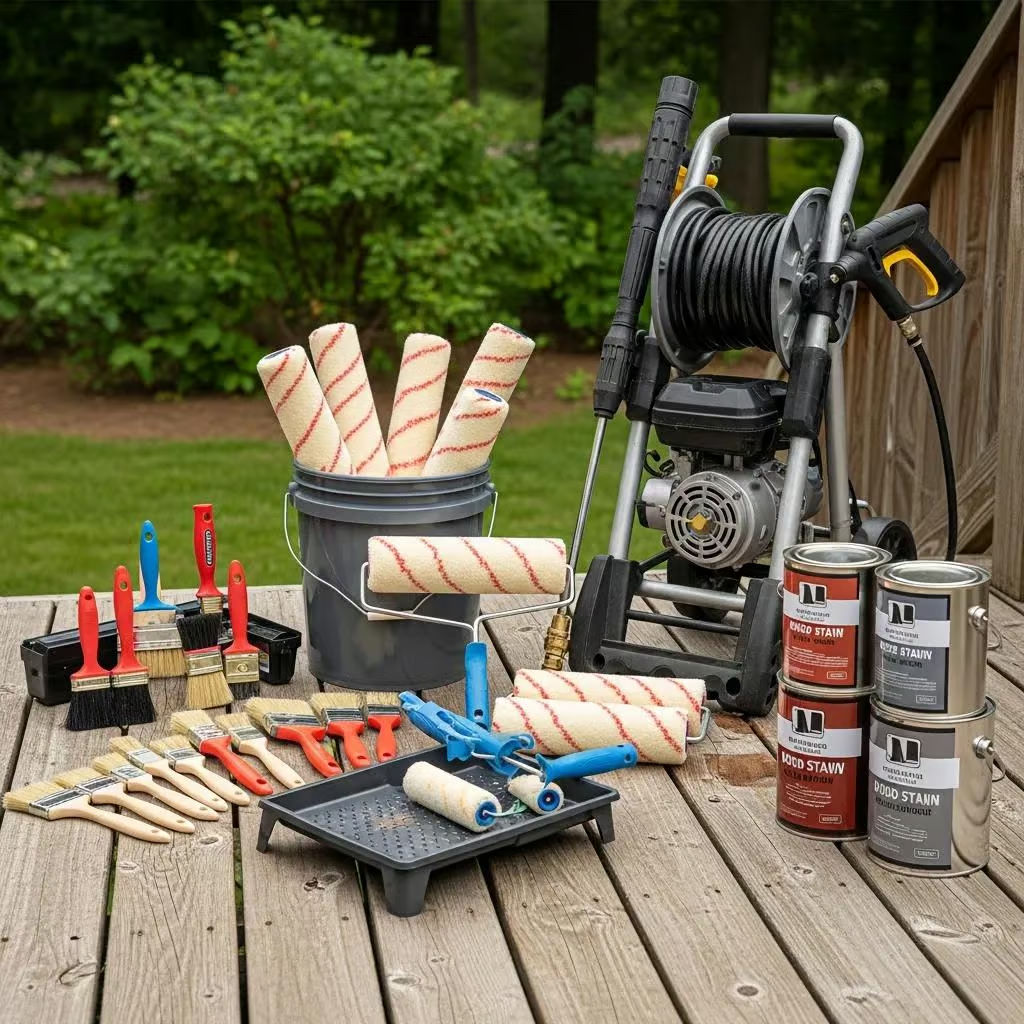
For homeowners opting for a DIY approach, essential tools include a power washer for surface preparation, brushes or rollers for application, and drop cloths to protect surrounding areas. Additionally, selecting the right stain is crucial; water-based stains are easier to clean up and dry faster, while oil-based stains offer deeper penetration and longer-lasting protection. Investing in quality tools and materials can significantly enhance the final result of your DIY project.
When Should You Hire a Professional for Deck Staining and Sealing?
Deciding when to hire a professional for deck staining and sealing can be challenging. Several factors can indicate that professional services may be the best choice for your project.
What Factors Indicate the Need for Professional Services?
If your deck is large, has intricate designs, or requires extensive repairs, hiring a professional may be advisable. Additionally, if you lack the time, tools, or experience to complete the job effectively, a professional can ensure that the work is done correctly and efficiently. Recognizing these factors can help you make a more informed decision about your deck maintenance.
How Can Professional Consultation Improve Deck Maintenance Outcomes?
Consulting with a professional can provide valuable insights into the best practices for deck maintenance. Professionals can assess the condition of your deck, recommend appropriate products, and offer guidance on the best application techniques. This expertise can lead to better outcomes and a longer-lasting finish, ultimately enhancing the overall value of your property.
What Are the Best Practices for Wood Deck Maintenance and Re-Sealing Frequency?
Maintaining your wood deck involves understanding the best practices for care and re-sealing frequency. Regular maintenance can significantly extend the life of your deck and keep it looking its best.
How Often Should You Seal a Wood Deck for Optimal Protection?
For optimal protection, it is generally recommended to seal a wood deck every 1 to 3 years, depending on factors such as climate, usage, and the type of stain used. Regular inspections can help determine when re-sealing is necessary, ensuring that your deck remains protected from moisture and UV damage.
What Maintenance Tips Extend the Life of Deck Staining?
To extend the life of your deck staining, consider the following maintenance tips:
- Regular Cleaning: Sweep and wash your deck regularly to remove dirt and debris that can cause wear.
- Prompt Repairs: Address any signs of damage or wear immediately to prevent further deterioration.
- Seasonal Inspections: Conduct seasonal inspections to check for signs of fading or peeling, allowing for timely re-sealing.
By following these best practices, you can ensure that your deck remains in excellent condition for years to come.


