
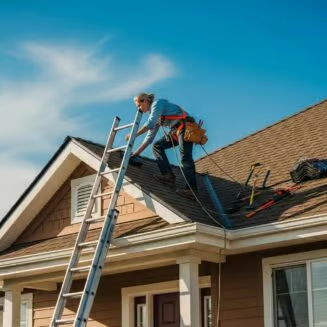
DIY vs Professional Roof Repair: Which Is Right for You?
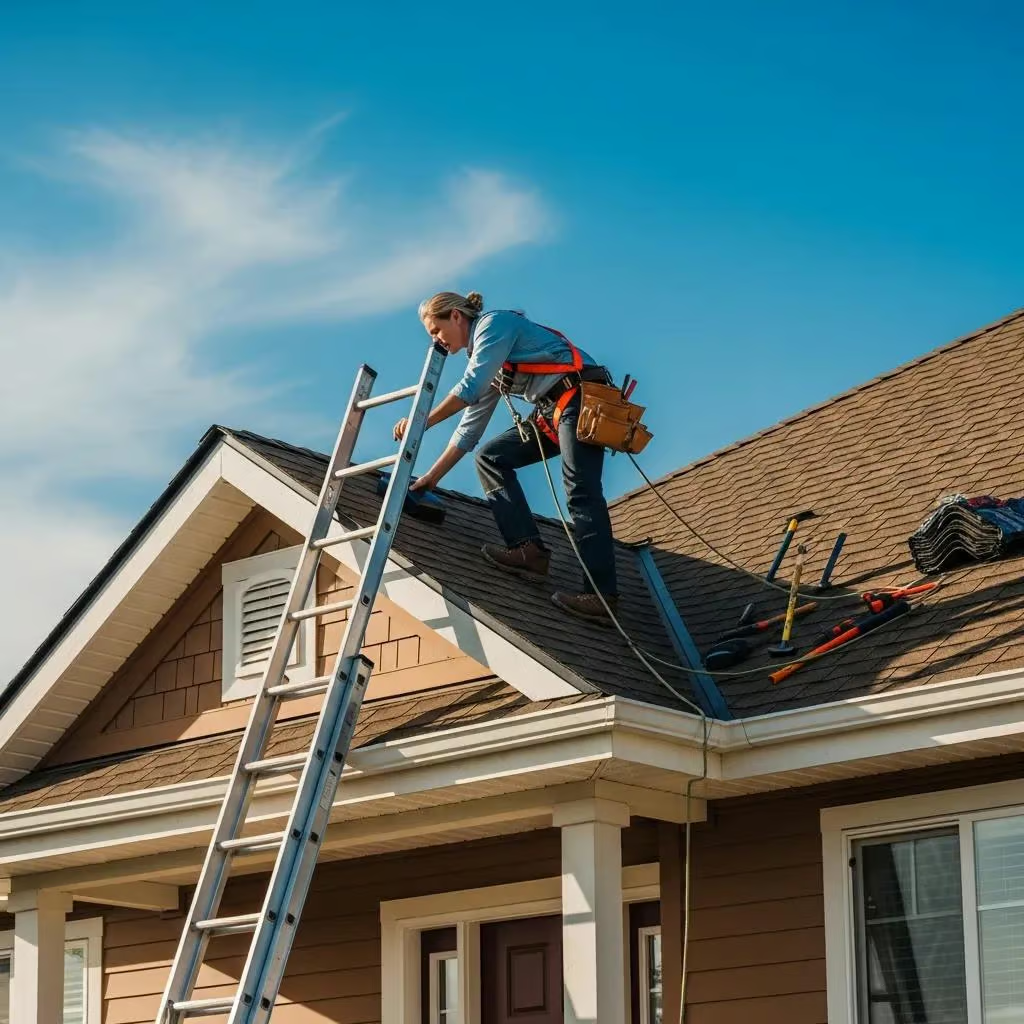
DIY vs Professional Roof Repair: Expert Guidance to Choose the Right Solution for Your Home
When it comes to maintaining the integrity of your home, the roof is one of the most critical components. Homeowners often face the dilemma of whether to tackle roof repairs themselves or hire a professional. This article provides a comprehensive comparison of DIY versus professional roof repair, helping you make an informed decision based on your specific needs. You will learn about the common signs that indicate roof repair is necessary, the safety precautions required for DIY repairs, the benefits of hiring professionals, and how to choose the right roofing contractor. By understanding the pros and cons of each approach, you can effectively address your roofing issues while ensuring the longevity of your home.
What Are the Common Signs You Need Roof Repair?
Identifying the signs that your roof needs repair is crucial for maintaining your home’s safety and value. Common indicators include missing or damaged shingles, water stains on ceilings, sagging roof deck, and increased energy bills. These signs often suggest underlying issues that could lead to more significant problems if left unaddressed. Regular inspections can help catch these issues early, preventing costly repairs down the line.
Indeed, the inherent vulnerability of roofing materials to environmental factors makes consistent vigilance and timely intervention paramount for homeowners.
Understanding Roof Deterioration and Repair Decisions
Roofing is one of the building components which is most subject to deterioration. Maintenance and renewal of roofs are, therefore, crucial and require frequent inspection and good understanding of roof deterioration with time. In an effort towards facilitating roof condition assessment and subsequent repair decisions, this article first discusses the previous studies related to roof inspection and deterioration, followed by a two-stage survey among roofing experts.
Roof deterioration and impact: A questionnaire survey, T Hegazy, 2010
How to Identify Roof Damage Early with a Roof Inspection Checklist
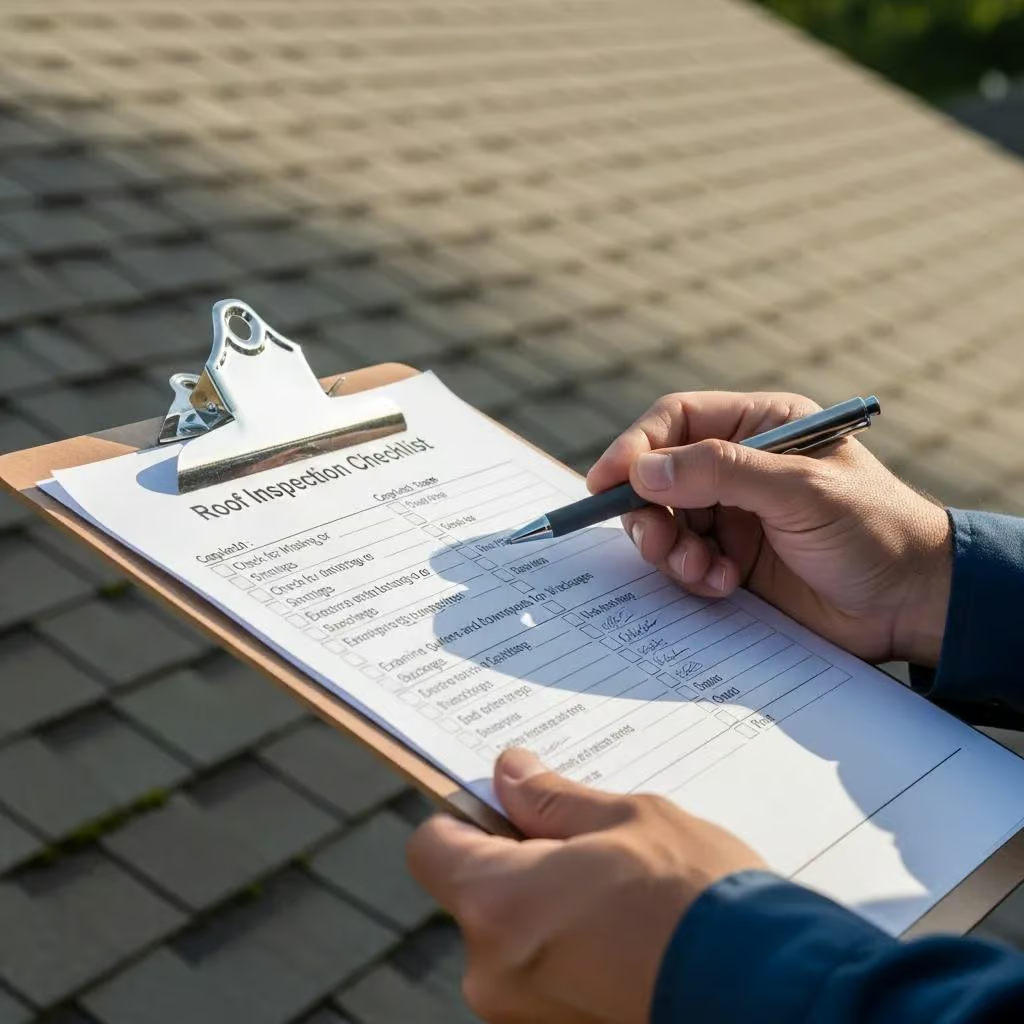
To effectively identify roof damage, homeowners should conduct regular inspections using a comprehensive checklist. Key steps include:
- Visual Examination: Look for missing, cracked, or curled shingles, which can indicate wear and tear.
- Use of Diagnostic Tools: Employ tools like moisture meters to detect hidden leaks.
- Comprehensive Reporting: Document findings to track changes over time and prioritize repairs.
By following this checklist, homeowners can proactively manage their roof’s health and address issues before they escalate.
What Risks Do Unaddressed Roof Issues Pose to Your Property?
Ignoring roof issues can lead to severe consequences for your property. The risks include:
- Compromised Structural Integrity: Water leaks can weaken the roof’s structure and underlying materials, leading to potential collapse.
- Increased Repair Costs: Small issues can escalate into major repairs if not addressed promptly.
- Decreased Property Value: A damaged roof can significantly lower your home’s market value, making it less appealing to potential buyers.
Understanding these risks emphasizes the importance of timely roof repairs.
What Are the Safety Precautions and Tools Required for DIY Roof Repair?
For homeowners considering DIY roof repairs, safety should be the top priority. Proper precautions and tools are essential to ensure a safe working environment.
Which Safety Equipment Is Essential for Homeowners Performing Roof Repairs?
Essential safety equipment includes:
- Safety Harnesses: To prevent falls from heights.
- Hard Hats: To protect against falling debris or accidental bumps.
- Non-slip Footwear: To maintain grip on slippery or steep surfaces.
Using the right safety gear can significantly reduce the risk of accidents during roof repairs.
What Basic Tools and Techniques Should You Know Before Attempting DIY Repairs?
Before starting DIY repairs, familiarize yourself with the necessary tools and techniques. Key tools include:
- Inspection Techniques: Use binoculars for a distant view of the roof and a sturdy ladder for closer inspection.
- Sealing Methods: Learn how to apply roofing sealants or patching materials effectively to prevent leaks.
- Debris Removal: Keep the work area clear of debris to avoid accidents.
Equipping yourself with the right knowledge and tools can make DIY repairs more manageable and safer.
It’s important to note that while inspection is vital, direct access to the roof by homeowners can pose significant risks, as highlighted by safety guidelines.
Homeowner Roof Safety: Why You Should Not Walk on Your Roof
A Homeowner should never walk on his or her roof. Not only can walking on the roof be a slip, trip, or fall hazard, but it can also damage the roof itself.
California Building Performance Guidelines for Residential Construction and Homeowner Maintenance Guide
What Are the Benefits of Choosing Professional Roof Repair Services?
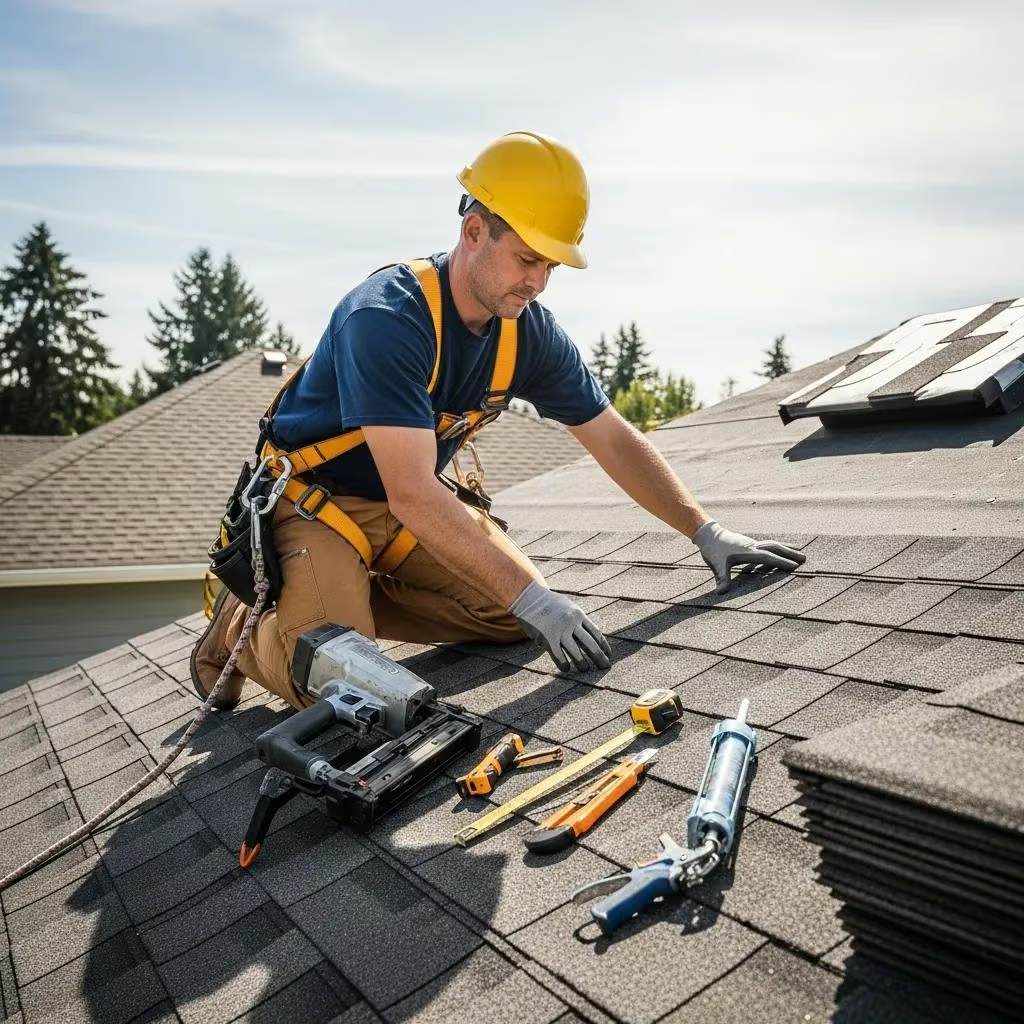
Hiring a professional roofing service can provide numerous advantages that DIY repairs may not offer. Professionals bring expertise, experience, and access to high-quality materials, ensuring that repairs are done correctly and efficiently.
How Do Licensed Roofing Contractors Ensure Quality and Durability?
Licensed roofing contractors ensure quality through:
- Use of High-Quality Materials: Professionals source materials that meet industry standards for durability.
- Skilled Professionals: Experienced contractors have the training to handle various roofing issues effectively.
- Regular Maintenance Recommendations: They provide guidance on maintaining your roof to extend its lifespan.
These factors contribute to a more reliable and long-lasting repair.
The emphasis on quality control by professional contractors is a critical aspect that distinguishes their services, ensuring adherence to rigorous standards.
Contractor Quality Control for Built-Up Roofing
Special requirements for contractor quality control CQC of built-up roofing were written and incorporated into the contract for construction of three tactical equipment maintenance shops. The site was visited during the construction of each shop to observe the roofing application and evaluate the effectiveness of the CQC specification.
Evaluation of Contractor Quality Control of Built-Up Roofing., 1983
What Warranty and Safety Standards Do Professionals Provide?
Professional roofing services often come with warranties and adhere to safety standards, including:
- Warranty on Workmanship: Many contractors provide warranties typically ranging from 1 to 10 years, depending on the company and scope of work.
- Manufacturer Warranties: Many roofing materials come with their own warranties, providing additional peace of mind.
- Safety Compliance: Professionals follow OSHA and local safety regulations to protect both themselves and the homeowner.
These assurances make hiring a professional a wise investment for your roofing needs.
How Do DIY and Professional Roof Repair Costs Compare?
Understanding the cost implications of DIY versus professional roof repairs is essential for budgeting. While DIY repairs may seem cheaper initially, they can lead to higher costs if mistakes are made or if the repairs are incomplete.
What Factors Influence Roof Repair Cost Estimates for Both Options?
Several factors influence the cost of roof repairs, including:
- Type of Roof Material: Different materials have varying costs associated with repairs.
- Height and Complexity: Steeper roofs or those with multiple levels may require more labor and safety measures.
- Local Building Codes: Compliance with local regulations and permit requirements can affect overall costs.
These factors should be considered when estimating repair costs.
How Can Investing in Professional Repair Save Money Long-Term?
Investing in professional repairs can lead to long-term savings by:
- Preventing Major Issues: Professionals can identify and address potential problems before they escalate.
- Warranty Benefits: Warranties on workmanship and materials can save money on future repairs.
- Regular Maintenance: Professionals often provide maintenance services that help extend the life of your roof.
These benefits highlight the value of professional services in the long run.
How to Choose the Right Roofing Contractor for Your Repair Needs?
Selecting the right roofing contractor is crucial for ensuring quality repairs. Homeowners should consider several factors when making their choice.
What Credentials and Experience Should You Look for in a Roofing Contractor?
When evaluating contractors, look for:
- Proper Licensing: Ensure the contractor is licensed to operate in your area.
- Insurance Coverage: Verify that they have liability insurance and workers’ compensation to protect against accidents.
- Local References: Ask for references from previous clients to gauge their reputation and work quality.
These credentials can help ensure you choose a qualified contractor.
How to Request a Quote and Consultation from Baker Roofing Company?
To request a quote from Baker Roofing Company, follow these steps:
- Contact Methods: Reach out via phone at 855-ROOF-777 or email at [email protected].
- Free Inspection Offer: Inquire about their free roof inspection service to assess your needs.
- Discussion of Needs: Discuss your specific roofing issues and any concerns you may have.
This process can help you get a clear understanding of the services offered and the associated costs.
What Roof Maintenance Tips Can Extend the Life of Your Roof?
Regular maintenance is key to prolonging the life of your roof. Implementing simple practices can prevent costly repairs in the future.
Which Regular Maintenance Practices Prevent Costly Repairs?
To avoid expensive repairs, consider these maintenance practices:
- Seasonal Inspections: Conduct inspections at least twice a year, ideally in spring and fall, to catch issues early.
- Clearing Drains: Ensure gutters and downspouts are free of debris to prevent water damage and ice dams.
- Monitoring for Mold: Check for signs of mold, mildew, or algae, which can indicate moisture problems and damage.
These practices can help maintain your roof’s integrity and performance.
How Does Professional Roof Inspection Support Long-Term Roof Health?
Professional roof inspections provide several benefits, including:
- Early Detection of Issues: Professionals can identify problems that may not be visible to the untrained eye.
- Cost Savings: Addressing issues early can prevent more extensive and expensive repairs later.
- Extended Roof Lifespan: Regular inspections and maintenance can significantly prolong the life of your roof.
Investing in professional inspections is a proactive approach to roof care.


