
Comprehensive Roofing Terms Glossary for Homeowners and Property Managers
Understanding roofing terminology is essential for both homeowners and property managers. This comprehensive glossary covers vital terms related to roofing components, materials, installation, maintenance, and management. By familiarizing yourself with these concepts, you can make informed decisions regarding roof maintenance, repairs, and installations. This article will help clarify key roofing terms and their significance, as well as improve your communication with roofing professionals. Topics we will cover include essential roof components, common roofing materials, installation and repair terminology, maintenance terms, and warranty considerations.
Essential Roofing Terms: A Guide for Property Owners
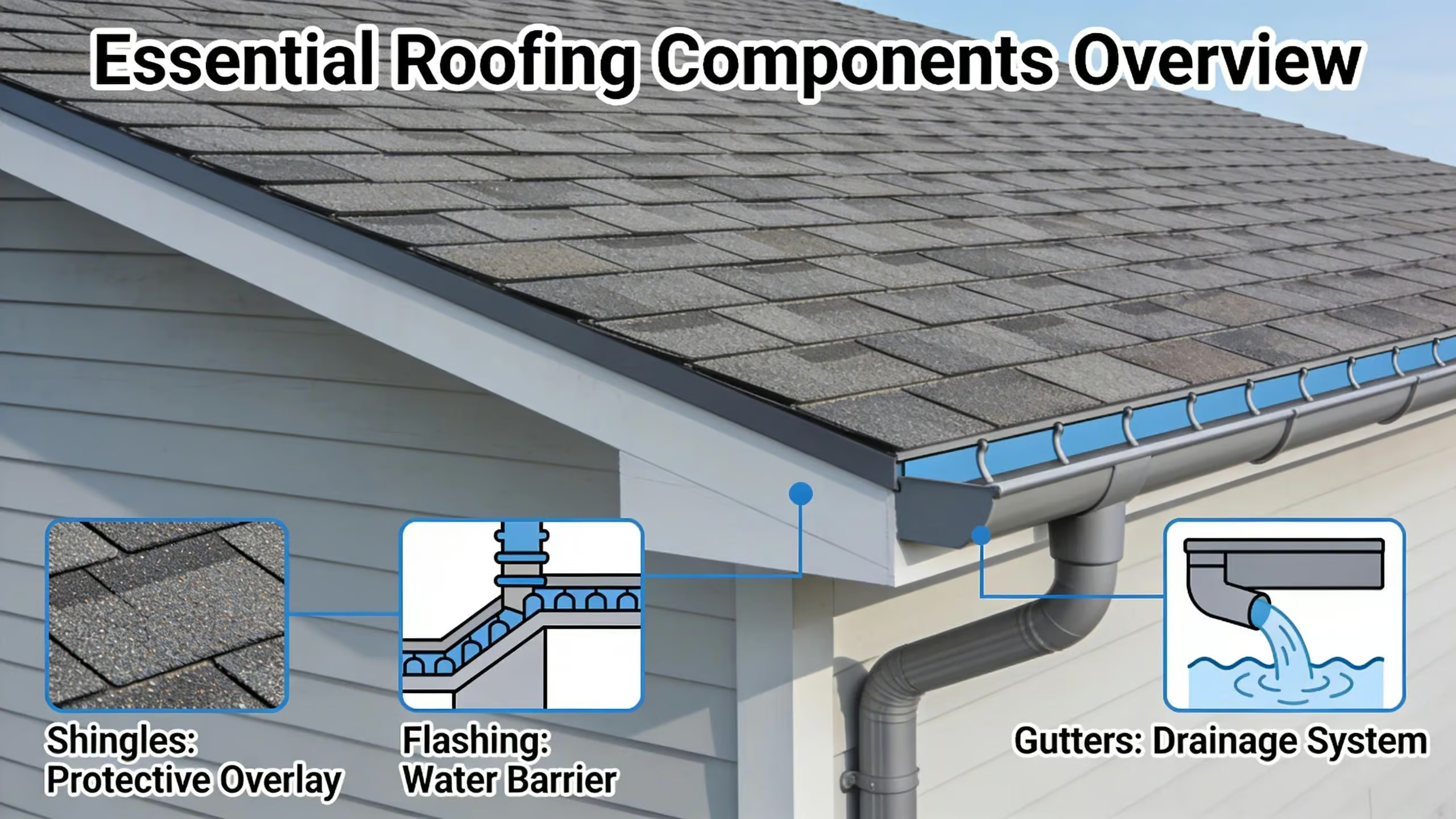
Roofing consists of various components that work together to ensure structural integrity and protect your property. Understanding these components is crucial for effective maintenance and repair. Key elements include shingles, flashing, gutters, soffits, and valleys. Each of these components plays a specific role in directing water away from the structure, preventing leaks, and maintaining overall roof health. Proper knowledge of these parts can also help homeowners discuss issues and solutions with contractors more effectively.
Indeed, a complete roofing system is a complex assembly where each part, from the substrate to the membrane, contributes to its overall integrity and function.
Key Components of a Complete Roofing System Roof assemblies consist of substrate, the framing or surface under the roof, the insulation installed over this substrate and the roofing membrane material, and each component plays an important role in the overall integrity of the roofing system. Roofing—Thermal and Moisture Protection, 1992
How Do Shingles, Ridge Caps, and Flashing Define Roof Structure?
Shingles are the most visible part of a roof, serving both functional and aesthetic purposes. They are designed to protect the underlying layers from moisture, debris, and UV rays. Ridge caps are installed at the peak of the roof and provide an extra layer of protection against wind-driven rain and snow. Flashing, on the other hand, is a material used in various areas, such as chimneys and valleys, to prevent water infiltration. Together, these components create a well-structured roof that protects your home from the elements.
What Roles Do Gutters, Soffits, and Valleys Play in Roof Design?
Gutters are essential for directing rainwater away from the roof and foundation, reducing the risk of water damage. Soffits, located beneath the roof overhang, facilitate ventilation and help maintain proper airflow in the attic. Valleys are the areas where two roof planes intersect, allowing water to flow off the roof effectively. Understanding the functions of gutters, soffits, and valleys is important for homeowners to ensure their roofs remain in good condition and sanitary.
Which Common Roofing Materials Are Used and How Do They Compare?
Selecting the right roofing material is critical for durability, appearance, and maintenance. Homeowners often choose between asphalt shingles, metal roofing, and membrane materials. Each type presents distinct advantages regarding lifespan, weather resistance, and aesthetic appeal. For instance, asphalt shingles are budget-friendly but may require more frequent replacements than metal roofing, which tends to last longer but comes with a higher initial cost.
What Are Asphalt Shingles, Metal Roofing, and Membrane Materials?
The most common roofing materials include:
- Asphalt Shingles: Known for their affordability and wide range of colors and styles.
- Metal Roofing: Offers durability and energy efficiency, often lasting up to 40-70 years, depending on the material and installation.
- Membrane Materials: Used primarily for flat roofs, these materials provide excellent waterproofing and durability.
Below is a comparison of these materials based on specific characteristics:
Homeowners should weigh these factors while considering their roof’s longevity and aesthetic requirements.
How Do Material Types Affect Roof Longevity and Maintenance Needs?
Different roofing materials come with unique maintenance needs that affect longevity and cost effectiveness. Asphalt shingles may need replacement every 15-30 years, depending on climate conditions. By contrast, metal roofs can last up to 70 years with minimal maintenance if properly installed. Regular inspections and upkeep, like cleaning gutters, can yield a longer lifespan for any roofing material. Being proactive with maintenance ensures the roof serves its purpose effectively for years to come.
What Installation and Repair Terms Should Homeowners Understand?
Understanding terminology related to roofing installation and repairs is crucial for effectively communicating with contractors. Knowing these terms can help homeowners better interpret estimates and project scopes. Critical terms in this category include roof pitch, flashing installation, and underlayment. Each factor directly influences the roof’s performance, aesthetics, and durability.
How Is Roof Pitch Measured and Why Is It Important?
Roof pitch refers to the steepness of the roof’s slope, calculated as a ratio of vertical rise to horizontal run. For example, a roof with a 4:12 pitch rises 4 inches for every 12 inches it extends horizontally. Understanding roof pitch is essential, as it affects drainage and the roof’s ability to shed snow and water. Higher pitches generally improve drainage, reducing the likelihood of leaks, while lower pitches may require additional considerations for water management.
What Is Flashing Installation and Its Role in Roof Protection?
Flashing installation involves placing thin pieces of metal at joints and transitions in the roof to prevent water from entering the underlying structure. Proper installation is crucial, as improperly positioned flashing can lead to leaks and water damage. Homeowners should ensure that flashing is included in their roofing contractor’s plan, especially around chimneys, vents, and valleys, where water accumulation is most likely.
Which Maintenance and Inspection Terms Help Preserve Roof Integrity?
Routine maintenance and inspections are key to preserving the integrity of your roof. Familiarizing yourself with common inspection terms and maintenance schedules can help homeowners better anticipate problems and react accordingly. Regular inspections can identify potential issues before they escalate, ultimately prolonging the lifespan of the roof.
What Are Common Roof Inspection Terms and Schedules Homeowners Should Know?
Common inspection terms include “visible inspection,” where inspectors check easily accessible areas, and “infrared scanning,” which can reveal hidden moisture problems. Homeowners are encouraged to schedule roof inspections at least once a year, particularly following major weather events. This proactive approach to roofing can prevent costly repairs down the road.
How Does Ventilation Affect Roof Health and What Terms Describe It?
Roof ventilation refers to the design and installation that allows air to flow in and out of the attic space. Proper ventilation helps regulate temperature, preventing moisture buildup that can lead to mildew and structural damage. Key terms related to ventilation include “soffit vents” and “ridge vents,” which work together to ensure air circulation. Maintaining an appropriate balance between intake and exhaust can greatly extend the lifespan of roofing materials.
What Property Management and Warranty Terms Affect Roofing Decisions?
Understanding warranty and property management terms is essential for homeowners and property managers. These terms can influence decisions regarding materials, contractors, and repairs. Engaging with a roofing warranty correctly can save time and money while ensuring proper coverage for unexpected issues.
How Are Roofing Warranties Defined and What Coverage Should Owners Expect?
Roofing warranties typically cover defects in materials and craftsmanship for a specified period, ranging from 5 to 50 years, depending on the material and manufacturer. Coverage specifics—like transferability and pro-rated discounts on replacements—should be clearly understood by homeowners. Engaging with a reputable contractor ensures a complete and effective warranty protection plan.
What Roofing Insurance Terms Must Homeowners and Managers Understand?
Homeowners and property managers should be familiar with common roofing insurance terms, such as “deductibles,” “premiums,” and “coverage limits.” Knowing these terms can significantly impact the decision-making process during claims for repairs due to storm damage or wear and tear. Conducting regular property evaluations can provide leverage in understanding what should be covered and what costs need to be anticipated when a roofing issue arises.
Frequently Asked Questions
What is the difference between roof flashing and roofing underlayment?
Flashing is thin metal installed at joints, valleys, chimneys, and vents to direct water away from vulnerable transitions, while underlayment is a protective layer installed beneath the shingles across the entire roof deck to provide a secondary barrier against moisture. Both work together, but they protect different parts of the roofing system.
How often should a roof be inspected?
Homeowners should schedule a roof inspection at least once a year, and additionally after any major weather event such as a hailstorm or high winds. Regular inspections help catch minor issues, like damaged flashing or worn shingles, before they develop into costly leaks or structural damage.
How long does a roof typically last depending on the material?
Lifespan varies by material: asphalt shingles typically last 15-30 years, membrane materials used on flat roofs last 20-30 years, and metal roofing can last 40-70 years with proper installation and minimal maintenance.
What does a roofing warranty usually cover?
Roofing warranties generally cover defects in materials and workmanship for a period ranging from 5 to 50 years, depending on the material and manufacturer. Homeowners should confirm details like transferability and pro-rated replacement discounts with their contractor to understand their full coverage.
Why is roof ventilation important?
Proper ventilation, achieved through a balance of soffit vents and ridge vents, allows air to circulate through the attic space. This regulates temperature and prevents moisture buildup that can lead to mildew growth and structural damage, helping roofing materials last longer.


