
Best Roofing Materials for Your Replacement Needs
Best Roofing Materials for Your Replacement Needs
Selecting the correct roofing material is a critical decision that affects your home’s durability, appearance, and overall value. This article examines the leading replacement materials, their benefits, and guidance to help you choose the right option. Homeowners frequently balance cost, longevity, and environmental impact; understanding each material’s characteristics enables a reasoned decision. We cover material types, selection factors, cost comparisons, maintenance, and current sustainable roofing trends.
What Are the Top Roofing Material Types for Replacement?
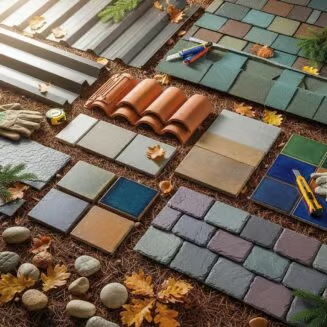
Several materials stand out for durability, cost‑effectiveness, and aesthetic appeal. The most common replacement options include:
- Asphalt Shingles : Known for their affordability and ease of installation, asphalt shingles are a common choice for many homeowners. They come in various styles and colors, making them versatile for different architectural designs.
- Metal Roofing : This option is gaining popularity due to its longevity and energy efficiency. Metal roofs can last 40-70 years and are resistant to extreme weather conditions.
- Tile Roofing : Tile roofs, made from clay or concrete, offer a distinctive look and excellent durability. They are particularly well-suited for warmer climates and can last over 100 years with proper maintenance.
- Slate Roofing : Known for its natural beauty and longevity, slate roofing can last over a century. It is a premium option that requires professional installation due to its weight and complexity.
- Stone Coated Steel : This material combines the durability of steel with the aesthetic appeal of traditional roofing materials. It is lightweight, resistant to rust, and can mimic the look of tile or shingles.
Understanding these types will help you select the appropriate replacement material for your home.
How Do Asphalt Shingles Compare in Durability and Cost?
Asphalt shingles are widely used for their cost efficiency and straightforward installation. Common options are 25‑year and 30‑year shingles. The 25‑year shingles typically cost $1.50–$2.50 per square foot, while 30‑year laminated shingles range $2.50–$3.00 per square foot.
The 30‑year shingles provide greater durability and improved resistance to wind and weather. While asphalt remains an economical choice, consider the long‑term value and potential replacement costs associated with shorter‑lived products.
What Are the Benefits of Metal Roofing for Your Property?
Metal roofing offers notable longevity—typically 40–70 years depending on the material—and strong resistance to heavy rain, snow, and high winds. This makes it suitable for a wide range of climates.
Metal also reflects solar heat, which can reduce cooling costs, and requires minimal maintenance beyond periodic inspections and cleaning. For homeowners prioritizing lifespan and energy efficiency, metal roofing represents a sound investment.
How to Choose the Right Roofing Material for Your Replacement Project?
Choosing a replacement material requires assessing a set of key factors to ensure the decision matches your needs and budget.
Which Factors Affect Roofing Material Selection?
When choosing roofing materials, consider the following factors:
- Material Costs : Different materials come with varying price points, impacting your overall budget.
- Home Square Footage : The size of your home will influence the amount of material needed and, consequently, the total cost.
- Local Climate Considerations : Certain materials perform better in specific climates, so it’s essential to choose a material that can withstand local weather conditions.
Evaluating these elements will narrow your options and guide the final selection.
How Do Environmental and Sustainability Considerations Influence Choice?
Sustainability is an increasingly important consideration. Eco‑friendly materials—such as metal and some asphalt shingles—can improve energy efficiency and reduce a home’s carbon footprint.
Many manufacturers now use recycled or sustainable inputs, which makes it easier to choose environmentally responsible options. Weighing these factors helps homeowners align their selection with environmental priorities.
What Is the Cost Comparison Among Popular Roofing Materials?
Understanding material costs is essential for budgeting your replacement project. Below is a breakdown of installation and maintenance costs for common materials.
How Do Installation and Maintenance Costs Vary by Material?
Installation and maintenance costs vary markedly by material. Comparison:
The table highlights cost differences to support budget planning and long‑term decisions.
What Are the Long-Term Value and Warranty Differences?
Assess long‑term value by reviewing warranty terms and expected lifespan. Warranties can range from 25 years to a lifetime, depending on the product and manufacturer.
For example, asphalt shingles commonly carry 25–30 year warranties, while metal roofing often includes 40‑year or longer warranties. Understanding these terms clarifies expected durability and informs the investment decision.
How to Maintain Different Roofing Materials for Longevity?
Proper maintenance extends a roof’s service life. Each material has specific care requirements homeowners should follow.
What Are Best Practices for Asphalt Shingle Maintenance?
For asphalt shingles, follow these practices:
- Regular Cleaning : Remove debris, leaves, and moss to prevent water damage and deterioration.
- Inspections : Conduct annual inspections to identify and address any damaged or missing shingles promptly.
- Gutter Maintenance : Ensure gutters are clear to allow proper water drainage and prevent water pooling on the roof.
Adhering to these practices can substantially extend an asphalt roof’s service life.
How to Care for Metal and Tile Roofing Systems?
Metal and tile roofs require tailored care:
- Metal Roofing : Regularly inspect for rust and corrosion, especially in coastal areas. Cleaning with a mild detergent can help maintain its appearance.
- Tile Roofing : Inspect tiles for cracks or damage and replace them as needed. Regular cleaning can prevent algae and moss growth, which can lead to further damage.
Following these guidelines helps keep metal and tile roofs in good condition over time.
What Are the Latest Trends in Sustainable and Smart Roofing Materials?
Industry trends emphasize sustainability and smart technologies. Homeowners increasingly seek materials that deliver reliable performance while improving energy efficiency and environmental outcomes.
Which Eco-Friendly Roofing Options Are Available?
- Solar Roofing Systems : These systems integrate solar panels into the roofing material, providing renewable energy and reducing electricity costs.
- Recycled Materials : Many manufacturers are now producing roofing materials from recycled content, reducing waste and environmental impact.
- Energy-Efficient Options : Reflective roofing materials can help reduce heat absorption, leading to lower cooling costs in warmer climates.
These choices reduce environmental impact and can lower energy bills.
This research examines the decision‑making process for selecting sustainable roofing technologies.
Sustainable Roofing: Multi-Criteria Decision Analysis
Public and private initiatives to improve built‑environment sustainability require quantifying trade‑offs among relevant metrics. This paper demonstrates decision‑analytical techniques to frame and assess sustainable roofing alternatives—reflective, vegetated, and solar—while evaluating trade‑offs across multiple performance criteria. It applies multi‑criteria decision analysis within the triple‑bottom‑line framework (economic, societal, and environmental concerns).
Sustainable roofing technology under multiple constraints: a decision-analytical approach, ZA Collier, 2013
How Are Smart Roofing Technologies Enhancing Roof Replacement?
Smart roofing technologies improve performance and efficiency by integrating advanced features. Examples include:
- Smart Sensors : These devices monitor roof conditions, alerting homeowners to potential issues before they become significant problems.
- Energy Management Systems : Integrated systems can optimize energy use, helping homeowners reduce costs and improve efficiency.
- Advanced Insulation Materials : New insulation technologies improve energy efficiency, contributing to lower heating and cooling costs.
Adopting these innovations can improve roof performance and sustainability.
Further research emphasizes that advanced waterproofing and smart monitoring are key to improving roof durability and performance.
Advanced Waterproofing & Smart Monitoring for Roof Durability
Rooftop materials are evolving to enhance user comfort and product life cycles, but current commercial waterproofing solutions face quality anomalies caused by cracks and infiltrations that reduce overall durability. To address this, the paper presents the Advanced Roofs Waterproofing System for conventional flat or inverted roofs. It comprises a water‑based polymeric membrane with infrared (IR) reflective additives to ensure high thermal reflectance (helping prevent overheating and cracking), reinforced by a smart textile substrate that includes coupled moisture‑and‑temperature sensors for monitoring water infiltration.
Smart Roofs System: Moisture and Temperature Monitoring on Smart Roofs, C Ferreira, 2023
For more information on roofing solutions, visit Baker Roofing .
Frequently Asked Questions
What are the most common mistakes homeowners make when choosing roofing materials?
Homeowners frequently underestimate the role of local climate when selecting materials. Using an unsuitable product can cause premature deterioration and costly repairs. Many also overlook long‑term maintenance and energy costs, and prioritize upfront price over durability and warranty. Conducting research and consulting professionals reduces these risks.
How can I assess the quality of roofing materials before purchasing?
Assess quality by checking industry certifications and ratings (for example, ASTM). Review warranties as indicators of manufacturer confidence. Consider lifespan, weather resistance, and maintenance needs. Customer reviews and recommendations from roofing professionals provide additional practical insight.
What are the signs that my roof needs to be replaced?
Signs a roof may need replacement include missing or damaged shingles, significant granule loss, visible sagging, water stains on ceilings or walls, and excessive moss or algae indicating retained moisture. If the roof nears its expected lifespan—about 20–30 years for asphalt or longer for metal and tile—seek a professional assessment. Regular inspections help detect issues early.
Are there financing options available for roofing replacements?
Many roofing companies offer financing options such as payment plans, low‑interest loans, or credit programs. Some homeowners may qualify for government grants or incentives for energy‑efficient materials. Discuss available options with your contractor and explore local programs for assistance.
How do I find a reputable roofing contractor?
To find a reputable contractor, ask for recommendations from friends, family, or neighbors. Check online reviews and ratings. Verify that the contractor is licensed, insured, and has a good standing with the Better Business Bureau. Request multiple quotes and ask for references from past clients. A reliable contractor will provide a detailed written estimate and warranty information.
What maintenance should I perform on my roof to extend its lifespan?
Regular maintenance extends a roof’s lifespan. Schedule annual inspections to identify damage or debris. Keep gutters clear to ensure proper drainage and trim overhanging branches to reduce storm damage. Follow material‑specific practices—such as cleaning metal roofs with mild detergent or checking tile roofs for algae. Consistent upkeep prevents costly repairs.
Making an Informed Choice for Your Roof Replacement
Selecting the right roofing material improves your home’s durability, appearance, and long‑term value. By comparing benefits cost, longevity, and sustainability, you can make an informed choice that meets your requirements. Consult available resources to identify the roofing solution best suited to your project.


