

Comprehensive Basement Insulation Guide for Remodeling Projects: Materials, Installation, and Energy Efficiency

Basement insulation is a crucial aspect of remodeling projects, significantly impacting energy efficiency and overall comfort in homes. This guide will explore the best materials for basement insulation, installation techniques, cost considerations, and the benefits of professional services. Many homeowners face challenges in selecting the right insulation, understanding installation processes, and ensuring energy efficiency. This article aims to provide clear solutions and insights into these common issues. We will cover essential topics, including the best insulation materials, installation methods, cost considerations, and moisture control strategies, ensuring you have a comprehensive understanding of basement insulation for your remodeling needs.
Indeed, integrating energy efficiency into home remodeling is a key focus for many, as highlighted by research from the U.S. Department of Energy.
Integrating Energy Efficiency into Home Remodeling Projects
In this report, the U.S Department of Energy Building America Retrofit Alliance research team looks at the improvement of a home’s energy performance in an opportunistic way: it examines what can be done to incorporate energy efficiency measures into general remodeling work and home repair projects.
Energy efficiency measures to incorporate into remodeling projects, 2014
What Are the Best Basement Insulation Materials for Remodeling?
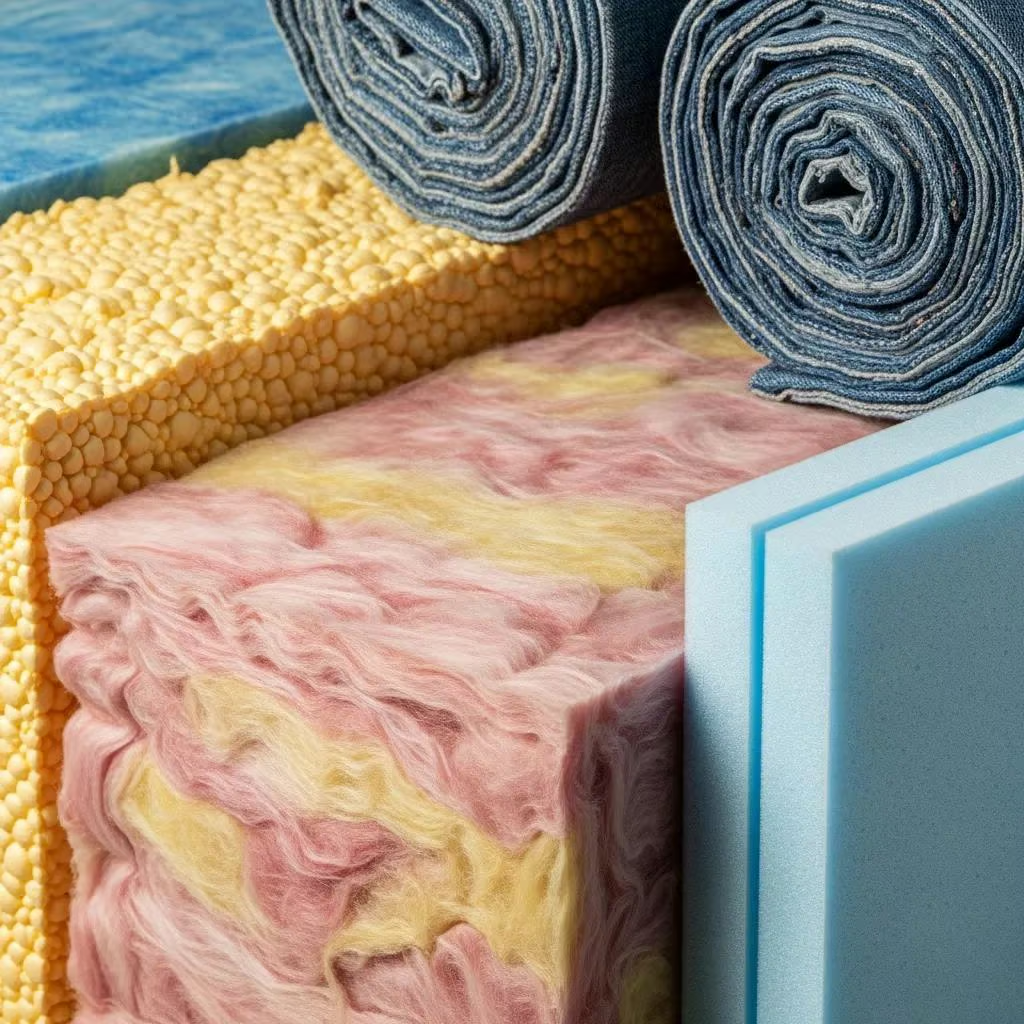
Choosing the right insulation material is vital for effective basement insulation. The best materials not only provide thermal resistance but also contribute to moisture control and energy efficiency. Common insulation materials include fiberglass, cellulose, and spray foam, each with unique properties and benefits. Understanding these materials helps homeowners make informed decisions that align with their remodeling goals.
Considering all aspects of basement insulation, including moisture control, is paramount for a successful project.
Basement Interior Insulation & Moisture Control Strategies
All recommended basement interior insulation strategies properly insulating a basement while controlling moisture should be considered.
Basement insulation systems, 2002
How Do Spray Foam, Rigid Foam, and Fiberglass Compare?
Spray foam insulation is known for its superior air sealing capabilities, expanding to fill gaps and cracks, which enhances energy efficiency. Rigid foam insulation offers high R-values per inch, making it an excellent choice for space-constrained areas. Fiberglass insulation, while cost-effective, requires careful installation to avoid air leaks. Each material has its pros and cons, and the choice often depends on specific project requirements and budget constraints.
What Are the R-Values and Moisture Resistance of Each Material?
R-value measures insulation’s thermal resistance, with higher values indicating better insulation performance. Spray foam typically has an R-value of 6 to 7 per inch, while rigid foam ranges from 5 to 6. Fiberglass insulation usually has an R-value of about 2.9 to 4.3 per inch. Moisture resistance is also crucial; spray foam acts as a vapor barrier, while rigid foam can resist moisture but may require additional vapor barriers. Understanding these values helps homeowners select the most effective insulation for their basements.
How Is Basement Insulation Installed During Remodeling Projects?
The installation of basement insulation is a critical step in ensuring energy efficiency and comfort. Proper installation techniques can significantly affect the performance of the insulation and the overall success of the remodeling project.
What Are the Step-by-Step Installation Techniques?
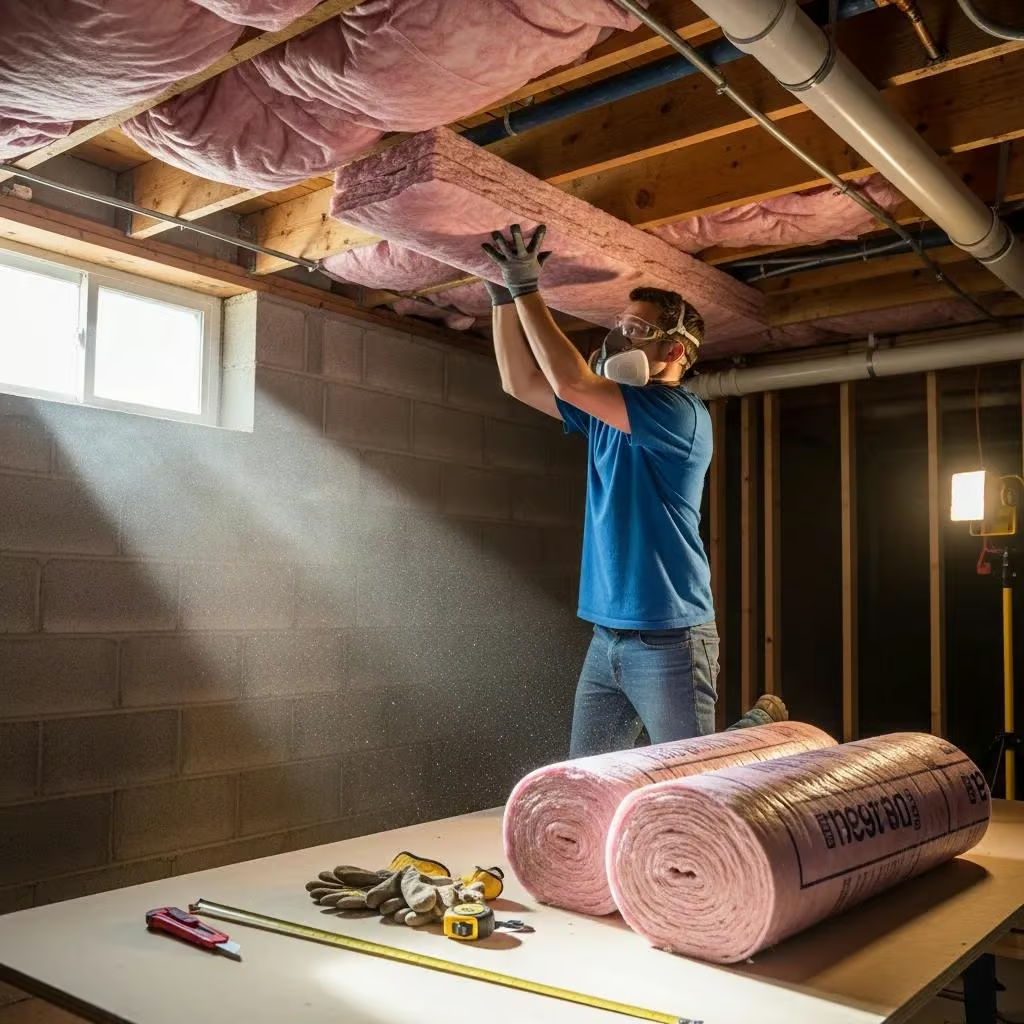
- Assessment: Begin by assessing the existing insulation and identifying areas that require improvement.
- Choosing Insulation Type: Select the appropriate insulation material based on R-value, moisture resistance, and budget.
- Preparation: Prepare the area by cleaning and sealing any gaps or cracks to prevent air leaks.
- Installation: Follow manufacturer guidelines for installing the chosen insulation, ensuring a snug fit.
- Final Checks: After installation, conduct a thorough inspection to ensure all areas are properly insulated and sealed.
How Do Vapor Barriers and Moisture Control Fit Into Installation?
Vapor barriers are essential in basement insulation to prevent moisture from penetrating the insulation and causing damage. During installation, a vapor barrier should be placed on the warm side of the insulation to protect against moisture buildup. Techniques for moisture control include ensuring proper drainage around the foundation and using dehumidifiers to maintain optimal humidity levels. These measures enhance the effectiveness of the insulation and prolong its lifespan.
Further emphasizing the importance of these strategies, research delves into specific moisture control and thermal insulation methods for habitable basements.
Habitable Basement Moisture Control & Thermal Insulation
moisture control strategies for habitable basements in damp proofing of walls, use and position of dimpled membranes and vapour barriers, and use of permeable thermal insulation.
Moisture control strategies of habitable basements in cold climates, T Kvande, 2020
What Are the Cost Considerations and Energy Efficiency Benefits of Basement Insulation?
Investing in basement insulation can lead to significant long-term savings on energy bills and improve overall home comfort. Understanding the costs associated with different insulation materials and installation methods is essential for homeowners.
How Does Insulation Impact Energy Savings and Home Comfort?
Proper insulation can reduce heating and cooling costs by up to 20%, leading to substantial savings over time. Additionally, well-insulated basements contribute to a more comfortable living environment by maintaining consistent temperatures and reducing drafts. Homeowners can enjoy improved energy efficiency and comfort by investing in quality insulation.
What Is the Typical Cost Range for Basement Insulation Materials and Services?
The cost of basement insulation materials varies widely based on the type and quality. For example, fiberglass insulation typically ranges from $0.50 to $1.00 per square foot, while spray foam can cost between $1.00 and $3.00 per square foot. Installation costs may add an additional $1.50 to $2.00 per square foot, depending on the complexity of the project. Homeowners should consider these factors when budgeting for their remodeling projects.
How Can Professional Services Enhance Basement Insulation in Remodeling?
Engaging professional services for basement insulation can provide numerous benefits, including expertise in material selection, installation techniques, and moisture control strategies. Professionals can ensure that the insulation is installed correctly and meets local building codes.
What Expertise Does Baker Roofing Company Provide for Insulation Projects?
Baker Roofing Company specializes in insulation installation, offering a range of services tailored to meet the unique needs of each project. With extensive experience in the industry, they provide expert guidance on selecting the best insulation materials and techniques for optimal energy efficiency. Their commitment to quality ensures that homeowners receive the best possible results for their remodeling projects.
How to Request a Consultation or Quote for Basement Insulation Services?
To request a consultation or quote for basement insulation services, homeowners can contact Baker Roofing Company directly at 855-ROOF-777 or via email at [email protected]. Providing details about the project, including the size of the basement and any specific concerns, will help the team offer a tailored solution. Expect a prompt response and professional guidance throughout the process.
What Are Effective Moisture Control Strategies for Basement Insulation?
Moisture control is a critical aspect of basement insulation that can significantly impact the effectiveness and longevity of the insulation. Implementing effective strategies is essential for maintaining a healthy and comfortable living environment.
Why Is Moisture Control Critical in Basement Insulation?
Moisture can lead to mold growth, structural damage, and reduced insulation performance. Effective moisture control strategies help prevent these issues, ensuring that the insulation remains effective and the basement stays dry. Homeowners should prioritize moisture management as part of their insulation strategy.
Which Vapor Barriers and Techniques Prevent Moisture Damage?
Using high-quality vapor barriers is essential for preventing moisture damage in basements. Techniques such as proper drainage, sealing cracks, and using dehumidifiers can further enhance moisture control. Regular monitoring of humidity levels and addressing any signs of moisture intrusion promptly will help maintain the integrity of the insulation and the overall health of the basement.
How to Choose the Right Basement Insulation for Your Remodeling Needs?
Selecting the right insulation for a basement remodeling project involves considering various factors, including material properties, budget, and specific project goals.
What Factors Should Influence Your Insulation Material Choice?
Key factors influencing insulation material choice include R-value, moisture resistance, and installation ease. Homeowners should also consider their budget and the long-term benefits of each material. Consulting with professionals can provide valuable insights into the best options for specific remodeling needs.
How Do Remodeling Goals Affect Insulation Options?
Remodeling goals play a significant role in determining insulation options. For instance, if the goal is to create a livable space, higher R-values and moisture-resistant materials may be prioritized. Understanding how insulation aligns with overall remodeling objectives will help homeowners make informed decisions that enhance both comfort and energy efficiency.


