
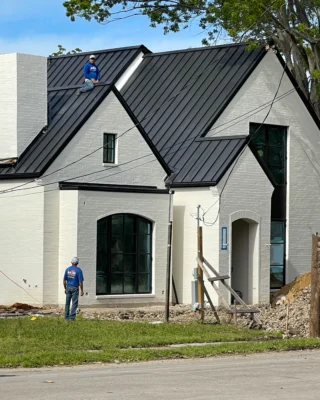
Average Roof Replacement Timeline: What to Expect
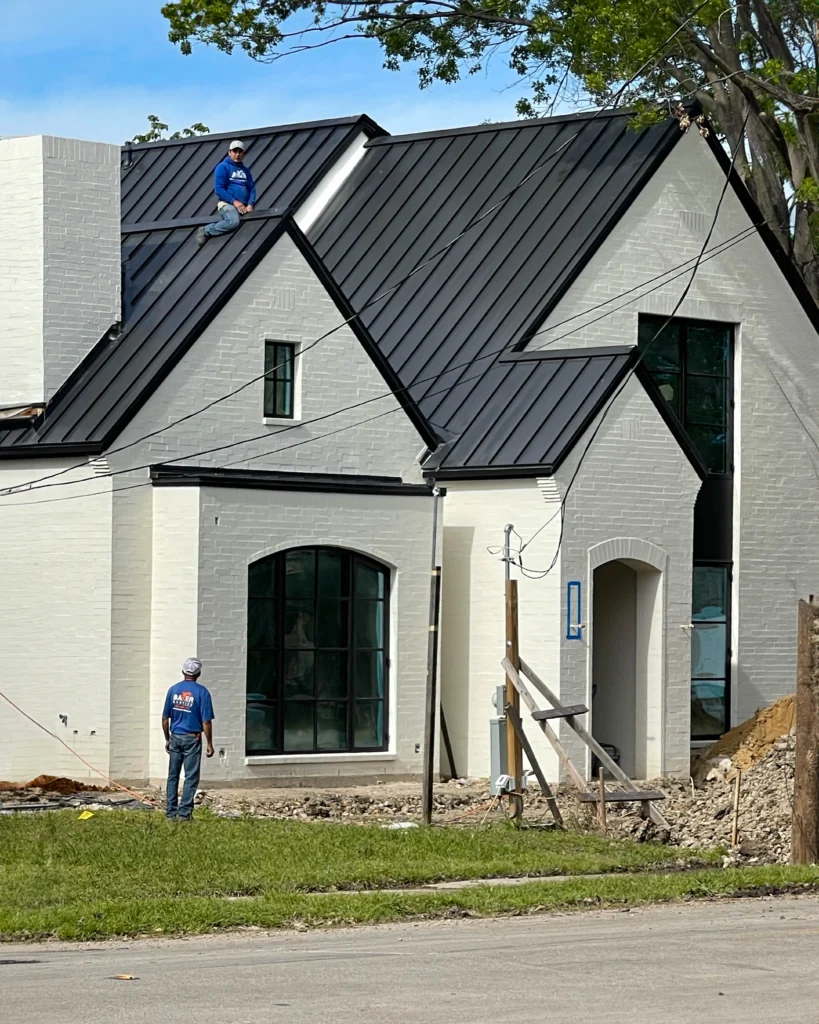
Average Roof Replacement Timeline: What Homeowners and Property Managers Should Expect
Replacing a roof is a major investment for homeowners and property managers. Understanding the typical timeline is essential for effective planning. This article summarises the stages of roof replacement, the factors that influence duration, and the preparation steps required. Uncertainty about project length can cause stress; this guide clarifies expectations and supports a smoother project experience. We examine the replacement stages, scheduling impacts, and practical preparation measures.
How Long Does the Roof Replacement Process Typically Take?
The roof replacement process typically takes 1to 3 days , depending on roof size, material selection, and weather. Knowing this range allows homeowners and property managers to plan and limit disruption. Effective scheduling further improves the likelihood of timely completion.
What Are the Key Stages in a Roof Replacement Timeline?
The roof replacement process proceeds through several key stages that determine the overall timeline:
- Preparation Steps : This initial phase includes assessing the current roof condition and preparing the site for work. Homeowners should document any existing damage and clear the area around the house to facilitate access for the roofing crew.
- Inspection and Assessment : A thorough inspection is conducted to identify any underlying issues that may need addressing before installation begins. This step is crucial for ensuring the longevity of the new roof.
- Installation and Cleanup : The actual installation of the new roofing material takes place during this stage, followed by a thorough cleanup of the site to remove debris and ensure safety.
Recognising these stages enables homeowners to estimate timelines more accurately.
How Does Project Scheduling Impact Completion Time?
Scheduling directly affects total completion time. Early scheduling secures contractor and material availability and reduces the risk of avoidable delays. Factors that influence scheduling include:
- Contractor Availability : The demand for roofing services can fluctuate, and securing a reputable contractor may require advance planning.
- Material Procurement : Certain roofing materials may have longer lead times, which can delay the start of the project.
Planning ahead and choosing a less busy season can help ensure a smoother and quicker roof replacement.
Research underscores the value of strategic planning and resource management to meet project objectives.
Optimizing Roof Replacement Timelines & Costs
This study examines the use of Goal Programming (GP) to optimise project management decisions in the construction industry, using a roof replacement case study. It applies GP to address the time–cost trade-off, aiming to minimize project costs while meeting deadlines and quality requirements. The GP model accounts for constraints such as worker and equipment availability, project duration, and budget limits.
Enhancing Efficiency in Industrial Metal Roof Replacement: Utilizing Goal Programming for Cost Optimization, SH Prajitna, 2024
Which Factors Influence the Duration of Roof Replacement Projects?
Multiple factors affect the duration of roof replacement projects. Homeowners should consider these elements when planning to avoid unexpected delays.
How Do Weather Conditions Affect Roof Replacement Timelines?
Weather can substantially affect the schedule. Heavy rain, snow, or extreme temperatures may delay work. Contractors monitor forecasts and avoid scheduling during unfavorable conditions. Homeowners should expect possible delays and keep open communication with their contractor about weather-related concerns.
What Role Do Roofing Materials Play in Installation Time?
Material selection influences installation time. Different products require different procedures and levels of complexity. For example:
- Asphalt Shingles : Generally, these are quicker to install and may take less time compared to other materials.
- Metal Roofing : Installation can be more complex and may require additional time due to the need for specialized tools and techniques.
- Tile Systems : These often take longer to install due to their weight and the need for precise alignment.
Understanding how material choice affects timing helps homeowners set realistic expectations.
How Should Homeowners Prepare for a Roof Replacement?
Effective preparation reduces disruption and supports a timely replacement. Homeowners can complete several tasks to assist the project and minimize interruptions.
What Steps Can Customers Take Before Installation Begins?
Prior to installation, homeowners should complete the following steps:
- Inspect the Current Roof : Document any existing damage and communicate this with the contractor to ensure all issues are addressed.
- Prepare the Home : Clear the area around the house, including removing outdoor furniture and vehicles, to provide easy access for the roofing crew.
- Document Existing Damage : Take photos of the current roof condition to have a record for future reference.
These preparatory actions streamline the installation and reduce the likelihood of unexpected issues.
How Does Preparation Facilitate a Smooth Replacement Process?
Thorough preparation improves contractor efficiency. A ready site and complete documentation reduce delays and help keep the project on schedule.
Effective project management extends beyond preparation and addresses time, cost, quality, and customer satisfaction.
Key Strategies for Successful Roof Replacement Projects
This analysis examined strategies to manage future construction projects efficiently, with particular focus on success measures: time, cost, quality, and customer satisfaction.
A critical analysis of a roof dispute with an emphasis on project management, PS Kupakuwana, 2006
Roof Replacement Timeline Guide: What to Expect & When
Roofing materials differ in installation time, which affects the overall project duration. Understanding these differences helps homeowners set realistic schedules.
How Long Does It Take to Install Shingle Roofs?
Installing asphalt shingle roofs typically takes about 1to 3 days , depending on roof size and installation complexity. Shingles are commonly selected for their affordability and straightforward installation.
What Is the Timeline for Metal Roof Installation?
Metal roof installation generally requires 2to 4 days . The process demands precision in measurement and cutting, which extends the timeline. Metal roofing offers notable durability and longevity.
What Happens After Roof Replacement: Inspection and Maintenance?
After replacement, a set of follow-up steps helps protect the new roof and maximize its service life.
Why Is Post-Replacement Inspection Important?
A post-replacement inspection identifies any installation issues. Schedule a follow-up with the contractor to confirm correct installation and address concerns promptly.
How Can Proper Maintenance Extend Roof Longevity?
Proper maintenance preserves the new roof’s condition. Homeowners should consider the following maintenance practices:
- Regular Inspections : Schedule annual inspections to identify potential issues early.
- Debris Removal : Keep the roof clear of leaves, branches, and other debris that can cause damage.
- Gutter Maintenance : Ensure gutters are clean and functioning properly to prevent water damage.
Following these maintenance practices helps ensure the new roof remains in good condition for years.
For homeowners seeking reliable roofing services, Baker Roofing offers comprehensive solutions.
Frequently Asked Questions
What should I expect during the roof replacement process?
Expect organized stages: preparation, inspection, installation, and cleanup. The site is prepared, inspected for hidden issues, the new roofing is installed, and the area is cleaned. Each stage supports a secure outcome. Maintain clear communication with the contractor to manage expectations.
How can I choose the right roofing contractor?
Verify licenses and insurance, review customer feedback, and request references. Obtain multiple quotes to compare pricing and services. Confirm the contractor’s experience with your chosen roofing material, as that experience affects installation quality and schedule.
What are the signs that my roof needs replacement?
Signs a roof may need replacement include missing or damaged shingles, significant granule loss, or visible sagging. Water stains on ceilings or walls often indicate leaks. Excessive moss or algae suggests retained moisture. Asphalt shingles typically last 20–25 years; if your roof is near that range, consult a professional. Early assessment helps prevent greater damage and higher repair costs.
How can I minimize disruptions during the roof replacement?
To minimize disruption, communicate the project timeline and concerns with your contractor. Clear outdoor furniture and vehicles to facilitate crew access. If possible, schedule work when you can be away from home. Keep communication open to resolve unexpected issues promptly.
What should I do if my roof replacement is delayed?
If a delay occurs, contact your contractor to learn the cause and the revised timeline. Common causes include weather, material delays, or unforeseen structural issues. Remain flexible and follow the contractor’s guidance. Use tarps or temporary measures recommended by the contractor to protect the home in the interim.
Are there financing options available for roof replacement?
Many roofing contractors offer financing options, such as payment plans, loans, or credit programs for home improvement projects. Some homeowners may also qualify for government grants or low-interest loans focused on energy efficiency or safety improvements. Discuss financing with your contractor and investigate local assistance programs that may be available.
Conclusion
Understanding the typical roof replacement timeline enables homeowners and property managers to plan effectively and reduce disruption. Recognizing key stages and influencing factors supports informed decisions and a smoother project. Adequate preparation and appropriate material selection improve efficiency. For expert guidance and reliable roofing services, contact our team.


