
Bathroom Remodel Permit Requirements: Essential Guide for Homeowners and Contractors
Navigating the complexities of bathroom remodel permit requirements can be daunting for homeowners and contractors alike. Understanding when a permit is necessary, the application process, and compliance with local building codes is crucial for a successful renovation. This guide aims to clarify the essential aspects of bathroom remodel permits, ensuring that you are well-informed before starting your project. By addressing common questions and providing a step-by-step approach, this article will help you avoid potential pitfalls and ensure your renovation meets all legal requirements. We will cover when permits are required, how to apply for them, roofing considerations, inspection requirements, and the influence of local building codes.
When Is a Building Permit Required for Bathroom Remodeling?
A building permit is typically required for bathroom remodeling when significant changes are made to the structure, plumbing, or electrical systems. These permits ensure that renovations comply with safety standards and local building codes. Homeowners should be aware that even minor updates, such as changing fixtures, may require a permit depending on local regulations. Understanding the specific conditions that necessitate a permit is essential for avoiding fines and ensuring the safety of the renovation.
What Types of Bathroom Renovations Typically Require Permits?
Certain types of bathroom renovations are more likely to require permits, including:
- Major Renovations: Any structural changes, such as moving walls or altering the layout, typically necessitate a permit.
- Plumbing Work: Installing new plumbing systems or making significant changes to existing plumbing often requires a permit to ensure compliance with health and safety standards.
- Electrical Work: Upgrading electrical systems or adding new circuits for lighting or appliances usually mandates a permit to ensure safety and code compliance.
These examples highlight the importance of consulting local regulations before beginning any renovation project.
How Do Local Bathroom Remodel Codes Affect Permit Necessity?
Local bathroom remodel codes can significantly impact whether a permit is required. These codes vary by region and can dictate specific requirements for plumbing, electrical work, and structural changes. Homeowners should research their local codes to understand what is permissible without a permit. Consulting with local authorities or a licensed contractor can provide clarity on the necessary permits for specific renovations.
Indeed, local codes often evolve to address broader urban goals, such as energy efficiency and emissions reduction, making permit compliance even more critical.
Renovation Permit Compliance & Processes
Since 2015, the City has introduced energy efficiency upgrade requirements when existing buildings seek renovation permits. Given that this policy pathway was chosen, compliance with renovation permitting requirements is paramount to achieving the City’s building targets. This thesis examines residential building retrofits and permitting processes in Vancouver from the perspectives of those administering the program and stakeholders who have to respond to it.
Renovation permits and the challenge of reducing emissions from legacy buildings, 2018
How to Apply for Bathroom Remodel Permits: Step-by-Step Process
Applying for a bathroom remodel permit involves several steps to ensure compliance with local regulations. Understanding this process can help streamline your renovation project and avoid delays.
What Documents and Information Are Needed for Permit Applications?
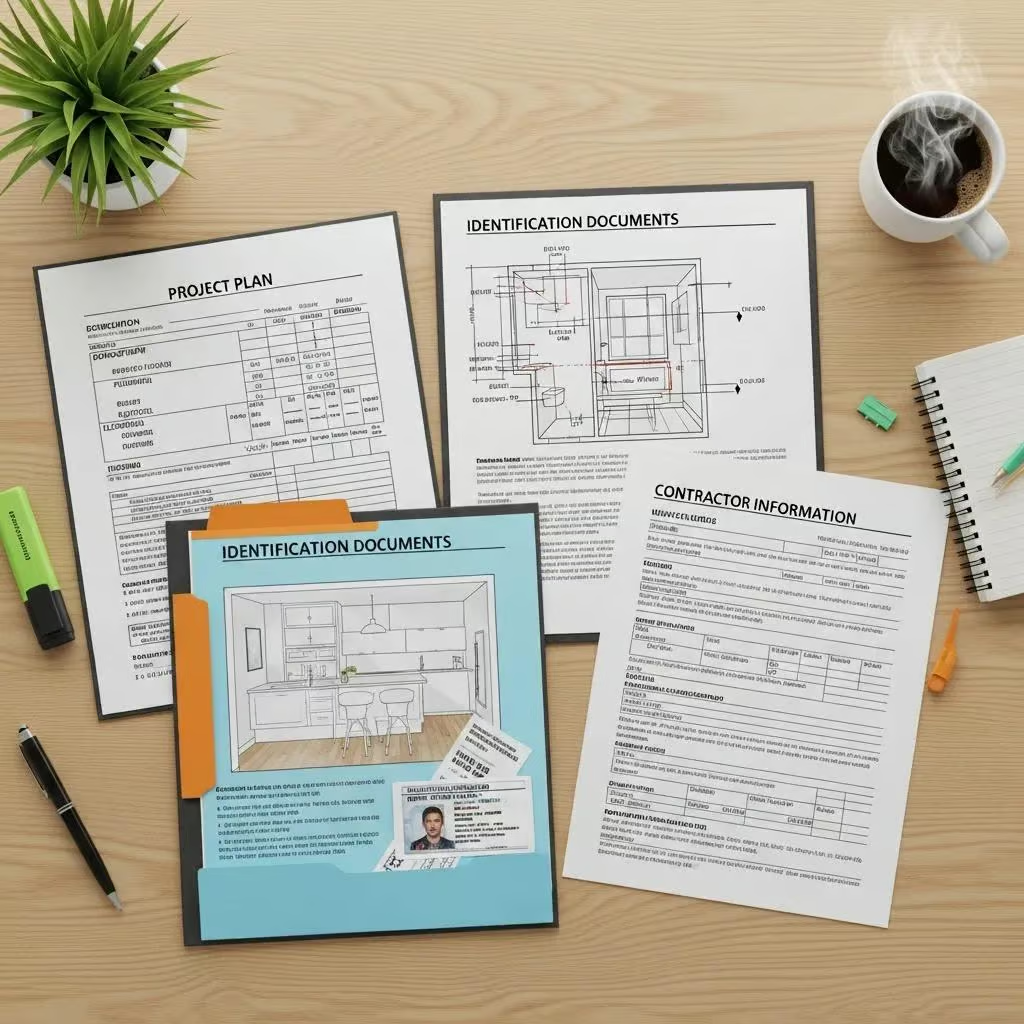
When applying for a bathroom remodel permit, you typically need to provide the following documents:
- Identification Documents: Proof of identity, such as a driver’s license or state ID.
- Project Plans: Detailed plans of the proposed renovations, including layouts and specifications.
- Contractor Information: If hiring a contractor, their license and insurance information may be required.
Having these documents ready can expedite the application process and help ensure a smooth approval.
How Long Does the Bathroom Remodel Permit Approval Take?
The approval time for a bathroom remodel permit can vary based on several factors, including the complexity of the project and the local jurisdiction’s workload. Generally, homeowners can expect the approval process to take anywhere from 1 week for straightforward applications to 8-12 weeks for more complex renovations. To expedite the process, ensure that all required documents are complete and accurate before submission.
What Are the Roofing Considerations During Bathroom Remodels?
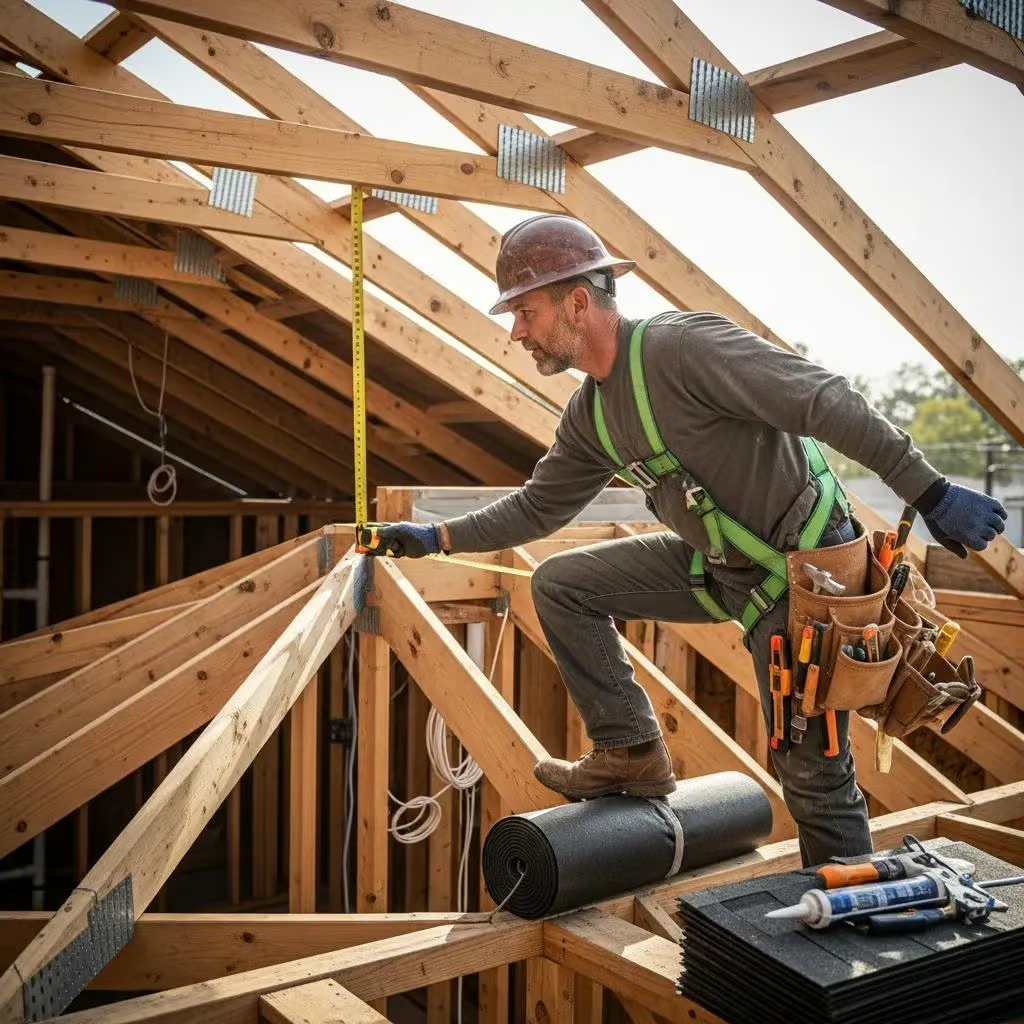
Roofing considerations are crucial during bathroom remodels, especially if the renovation involves structural changes that could impact the roof. Understanding these aspects can help prevent future issues and ensure compliance with local regulations.
When Do Bathroom Remodels Impact Roofing Structures and Require Roofing Permits?
Bathroom remodels may impact roofing structures when significant changes are made, such as adding skylights or altering rooflines. In these cases, a roofing permit is often required to ensure that the modifications comply with safety standards and local building codes. Homeowners should consult with a roofing professional to assess whether their renovation will necessitate a roofing permit.
How Can Baker Roofing Company Support Roofing Needs in Bathroom Renovations?
Baker Roofing Company specializes in roofing installation, repair, and maintenance services, making them an excellent resource for homeowners undertaking bathroom renovations. Their expertise can help ensure that any roofing modifications are performed safely and in compliance with local regulations. Whether you need consultation services or professional installation, Baker Roofing Company can support your roofing needs during your bathroom remodel.
What Are the Inspection and Compliance Requirements for Bathroom Remodel Permits?
Inspections are a critical component of the bathroom remodel permit process, ensuring that all work complies with local building codes and safety standards. Understanding these requirements can help homeowners prepare for inspections and avoid potential issues.
What Is Included in a Bathroom Remodel Inspection Checklist?
A bathroom remodel inspection checklist typically includes the following items:
- Structural Integrity: Verification that all structural changes comply with safety standards.
- Plumbing and Electrical Systems: Inspection of plumbing and electrical work to ensure compliance with local codes.
- Ventilation and Safety Features: Assessment of ventilation systems and safety features, such as smoke detectors.
Being aware of these inspection criteria can help homeowners prepare adequately and ensure a successful inspection.
How to Ensure Compliance with Local Building Codes During Renovations?
To ensure compliance with local building codes during renovations, homeowners should:
- Obtain Necessary Permits: Always secure the required permits before starting any work.
- Hire Licensed Contractors: Work with licensed professionals who are familiar with local codes and regulations.
- Schedule Regular Inspections: Arrange for inspections at various stages of the renovation to catch any issues early.
Following these steps can help ensure that your bathroom remodel meets all legal requirements and is completed safely.
How Do Local Building Codes Influence Bathroom Remodel Permit Requirements?
Local building codes play a significant role in determining the requirements for bathroom remodel permits. These codes can vary widely, affecting everything from structural changes to plumbing and electrical work.
What Are Common Local Code Variations Affecting Bathroom Remodels?
Common local code variations that may affect bathroom remodels include:
- Minimum Space Requirements: Some jurisdictions have specific requirements for the minimum size of bathrooms and clearances around fixtures.
- Plumbing Standards: Local codes may dictate specific plumbing materials and installation methods to ensure safety and compliance.
- Electrical Regulations: Variations in electrical codes can affect the types of wiring and fixtures allowed in bathroom renovations.
Understanding these variations is essential for homeowners to ensure compliance and avoid potential fines.
Where Can Homeowners Find Official Local Building Code Information?
Homeowners can find official local building code information through several resources:
- Local Government Websites: Many municipalities provide access to building codes and regulations online.
- Building Departments: Visiting or contacting local building departments can provide direct access to code information and permit requirements.
- Professional Associations: Organizations such as the National Association of Home Builders (NAHB) often provide resources and guidance on local building codes.
Utilizing these resources can help homeowners stay informed and compliant with local regulations.
How Can Homeowners and Commercial Property Managers Benefit from Proper Permit Compliance?
Proper permit compliance offers numerous benefits for homeowners and commercial property managers. Understanding these advantages can motivate individuals to prioritize compliance during renovations.
- Cost Savings: Complying with permit requirements can prevent costly fines and rework due to non-compliance.
- Property Value Maintenance: Ensuring that renovations meet local codes can help maintain or increase property value.
- Safety Assurance: Compliance with building codes ensures that renovations are safe and meet health standards, protecting occupants.
By prioritizing permit compliance, homeowners and property managers can enjoy peace of mind and the benefits of a well-executed renovation.


