
Bathtub to Shower Conversion: Complete Guide to Cost, Installation, and Design Options
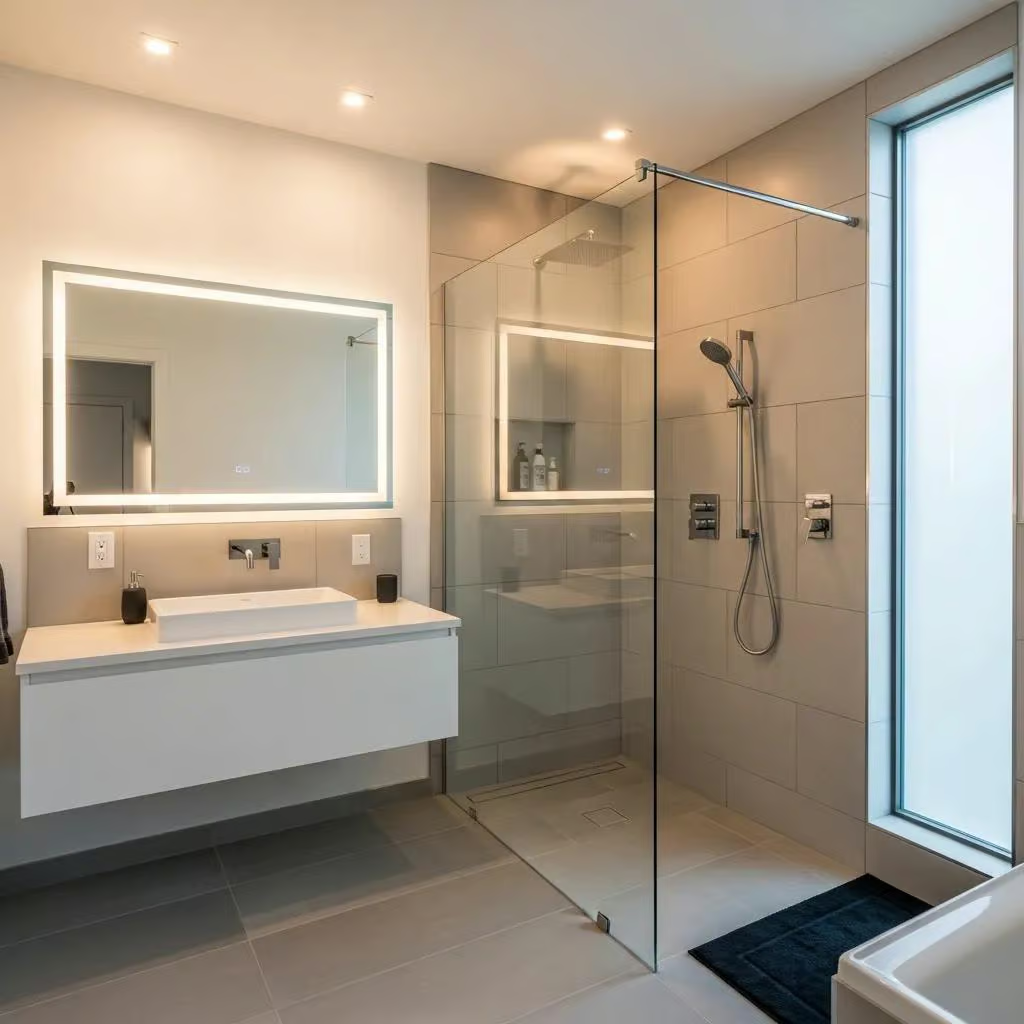
Converting a bathtub to a shower can significantly enhance the functionality and aesthetics of your bathroom. This comprehensive guide will explore the various aspects of bathtub to shower conversion, including cost factors, installation processes, and design options. Many homeowners face challenges when deciding to make this change, often due to concerns about costs and the complexity of installation. However, understanding the process and potential benefits can alleviate these worries. In this article, we will cover key cost factors, the step-by-step conversion process, popular design ideas, contractor selection tips, and essential maintenance practices. By the end, you will have a clear roadmap for your bathtub to shower conversion project.
What Are the Key Cost Factors in Bathtub to Shower Conversion?
The cost of converting a bathtub to a shower can vary widely based on several key factors. Understanding these factors can help you budget effectively and make informed decisions throughout the process.
- Labor Costs: Labor costs can account for a significant portion of the total conversion expense. Skilled labor is essential for ensuring a safe and effective installation.
- Materials: The choice of materials, including tiles, shower pans, and fixtures, can greatly influence the overall cost. Higher-quality materials typically come with a higher price tag but can enhance durability and aesthetics.
- Plumbing Modifications: Depending on your existing plumbing setup, you may need to make adjustments, which can add to the overall cost.
Understanding these cost factors will help you prepare for the financial aspects of your conversion project.
How Does Shower Replacement Cost Compare to Bathroom Remodeling Cost?
When considering a shower replacement, it’s essential to compare the costs with a full bathroom remodel. Generally, a shower replacement is less expensive than a complete remodel, which can involve extensive changes to layout, plumbing, and electrical systems.
- Shower Replacement: Typically ranges from $1,500 to $4,500, depending on materials and labor.
- Bathroom Remodeling: Can range from $10,000 to $30,000 or more, depending on the scope of work.
This comparison highlights the cost-effectiveness of opting for a shower replacement over a full remodel, especially if your primary goal is to enhance functionality without extensive renovations.
What Are Typical Price Ranges for Tub Removal Services and Walk In Shower Installation?
The costs associated with tub removal and walk-in shower installation can vary based on several factors, including location and the complexity of the job.
- Tub Removal: Typically costs between $200 and $1,000, depending on the type of tub and disposal fees.
- Walk-In Shower Installation: The installation of a walk-in shower can range from $1,500 to $6,000, influenced by the choice of materials and design features.
These price ranges provide a general idea of what to expect when planning your conversion project.
What Is the Step-by-Step Process for Converting a Bathtub to a Shower?
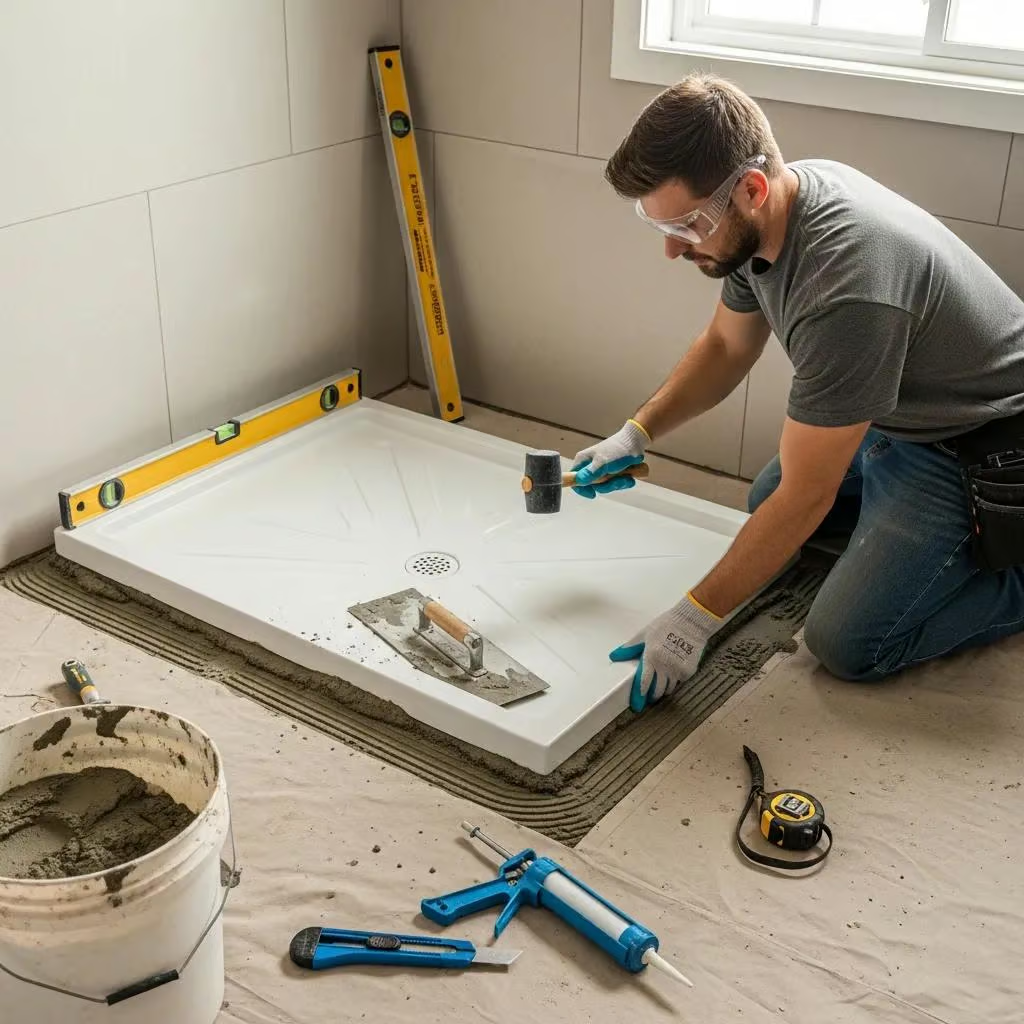
Converting a bathtub to a shower involves several critical steps to ensure a successful transformation. Understanding this process can help you prepare for the project and anticipate any challenges.
- Planning and Design: Begin by planning the layout and design of your new shower. Consider factors such as size, style, and accessibility features.
- Tub Removal: Safely remove the existing bathtub, ensuring that plumbing and surrounding structures are not damaged in the process.
- Shower Pan Installation: Install the shower pan, which serves as the base for your new shower. Proper installation is crucial for preventing leaks and ensuring durability.
How Is Tub Removal and Shower Pan Installation Performed Safely?
Safety is paramount during the tub removal and shower pan installation process. Here are some essential safety measures:
- Use Protective Gear: Always wear gloves, goggles, and a mask to protect against debris and dust.
- Turn Off Water Supply: Ensure the water supply is turned off before beginning any work to prevent leaks and flooding.
- Follow Manufacturer Instructions: Adhere to the manufacturer’s guidelines for installing the shower pan to ensure proper fit and function.
By following these safety protocols, you can minimize risks and ensure a smooth installation process.
What Plumbing and Waterproofing Techniques Ensure Long-Term Durability?
Proper plumbing and waterproofing techniques are vital for the longevity of your new shower. Key practices include:
- Quality Materials: Use high-quality waterproofing membranes and sealants to prevent water damage.
- Proper Drainage: Ensure that the shower pan is installed with adequate drainage to avoid standing water and potential leaks.
- Regular Inspections: Conduct regular inspections of plumbing and waterproofing systems to identify and address any issues early.
Implementing these techniques will help ensure that your shower remains functional and free from water damage for years to come.
Which Shower Conversion Ideas and Design Options Best Suit Your Bathroom?
When converting a bathtub to a shower, there are numerous design options to consider that can enhance both functionality and aesthetics.
- Walk-In Showers: These provide easy access and a modern look, making them a popular choice for many homeowners.
- Custom Shower Features: Consider adding features such as built-in shelves, benches, or multiple showerheads for added convenience and luxury.
- Accessibility Adaptations: Incorporating grab bars, non-slip flooring, and adjustable showerheads can enhance safety and comfort, especially for individuals with mobility challenges.
What Are Popular Walk In Shower Designs and Custom Shower Features?
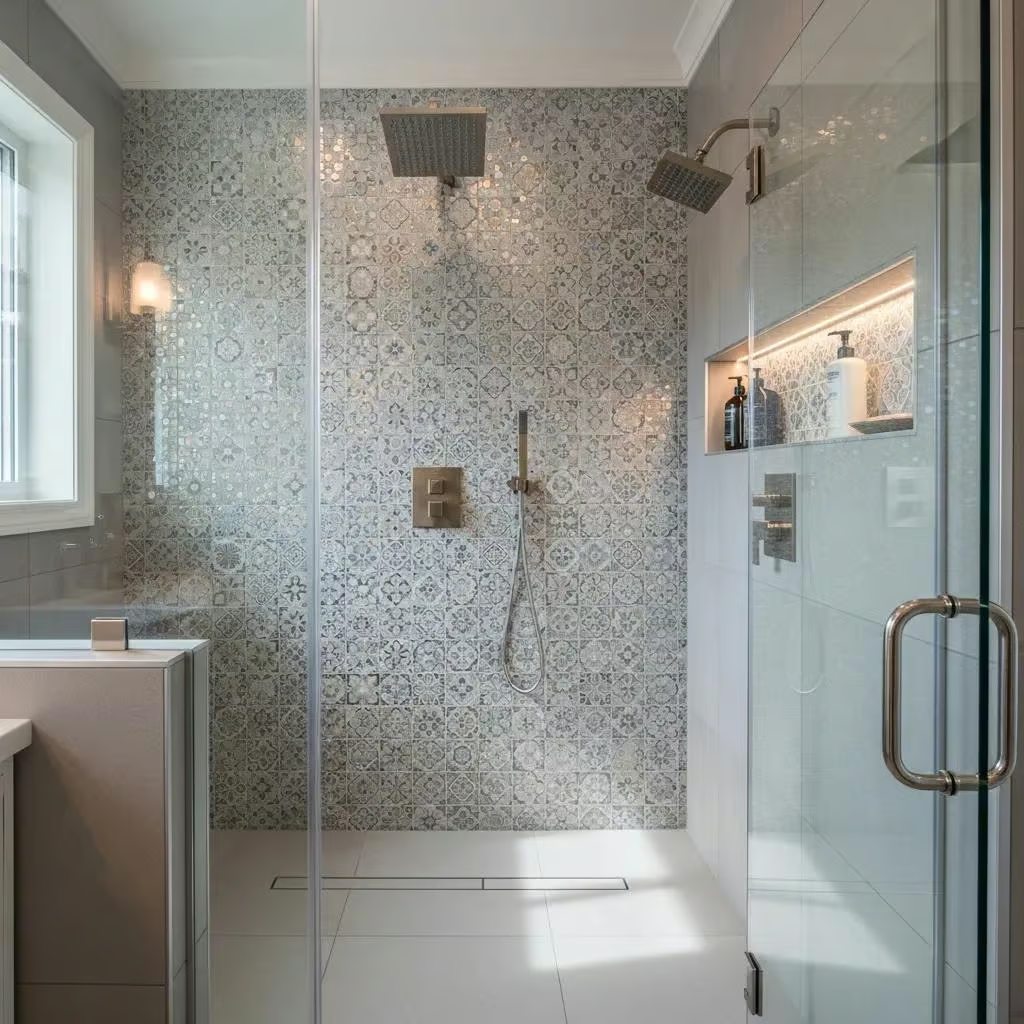
Popular walk-in shower designs often include:
- Frameless Glass Enclosures: These create a sleek, modern look while maximizing light and space.
- Tile Designs: Unique tile patterns can add visual interest and personalization to your shower.
- Rain Showerheads: These provide a luxurious showering experience and can be combined with handheld options for versatility.
Custom features can elevate your shower experience, making it a personal retreat within your home.
How Can Accessibility Adaptations Enhance Shower Safety and Comfort?
Accessibility adaptations are essential for ensuring that your shower is safe and comfortable for all users. Research further emphasizes the critical role of thoughtful bathroom design in improving the quality of life for elderly individuals requiring showering assistance.
Accessible Shower Design for Elderly: Improving Quality of Life
There is increasing demand for housing that enables elderly people with high-care needs to live independently. Assistance with showering is the most common personal care requirement and the experience of showering has a high impact on Quality of Life (QoL). This article explores the requirements for bathroom design to improve the QoL for those elderly people who require assistance. The research finds that many showering spaces were too small to comfortably accommodate assistance. Common spatial requirements lacking included: level shower entrances, space sufficiency.
Bathroom Design for Assisted Showering That Improves the Quality of Life of the Elderly, J McIntosh, 2018
Key adaptations include:
- Grab Bars: Installing grab bars can provide support and stability for individuals entering and exiting the shower.
- Non-Slip Flooring: This reduces the risk of slips and falls, enhancing safety for all users.
- Adjustable Showerheads: These allow users of varying heights to comfortably use the shower.
Incorporating these adaptations not only improves safety but also enhances the overall user experience.
How Do You Choose the Right Contractor for Bathtub to Shower Conversion?
Selecting the right contractor for your bathtub to shower conversion is crucial for ensuring a successful project. Here are some key factors to consider:
- Experience and Credentials: Look for contractors with experience in bathroom remodeling and specific expertise in shower installations.
- Licensing and Insurance: Ensure that the contractor is licensed and insured to protect yourself from potential liabilities.
- References and Reviews: Check references and online reviews to gauge the contractor’s reputation and quality of work.
What Credentials and Experience Should Licensed Bathroom Contractors Have?
Licensed bathroom contractors should possess the following credentials:
- State Licensing: Verify that the contractor holds the necessary state licenses for bathroom remodeling.
- Insurance Coverage: Ensure that the contractor has liability insurance and worker’s compensation coverage.
- Experience in Similar Projects: Look for contractors who have successfully completed similar bathtub to shower conversions.
These credentials are essential for ensuring that your project is handled by a qualified professional.
How Can You Evaluate Contractor Quotes and Service Guarantees?
When evaluating contractor quotes, consider the following tips:
- Detailed Estimates: Request detailed estimates that outline all costs, including labor, materials, and any additional fees.
- Service Guarantees: Inquire about service guarantees and warranties on both labor and materials to protect your investment.
- Communication: Assess the contractor’s communication style and responsiveness, as this can impact the overall project experience.
By carefully evaluating quotes and guarantees, you can make an informed decision and select a contractor who meets your needs.
What Are Essential Maintenance Tips for Your New Shower Installation?
Maintaining your new shower is crucial for ensuring its longevity and functionality. Here are some essential maintenance tips:
- Regular Cleaning: Clean your shower regularly to prevent mold and mildew buildup. Use appropriate cleaners for your shower materials.
- Inspect Seals and Grout: Regularly check seals and grout for signs of wear or damage, and address any issues promptly to prevent leaks.
- Water Softening: If you have hard water, consider installing a water softener to reduce mineral buildup in your shower fixtures.
How to Maintain Waterproofing and Prevent Mold Growth?
To maintain waterproofing and prevent mold growth, follow these practices:
- Regular Inspections: Conduct regular inspections of waterproofing membranes and seals to ensure they remain intact.
- Ventilation: Ensure proper ventilation in your bathroom to reduce humidity levels, which can contribute to mold growth.
- Prompt Repairs: Address any leaks or water damage immediately to prevent mold from taking hold.
Implementing these maintenance practices will help keep your shower in excellent condition for years to come.
What Are Recommended Cleaning Practices for Shower Doors and Surfaces?
To keep your shower doors and surfaces clean, consider the following practices:
- Use Non-Abrasive Cleaners: Opt for non-abrasive cleaners to avoid scratching glass and tiles.
- Squeegee After Use: Use a squeegee after each shower to remove water and prevent soap scum buildup.
- Regular Deep Cleaning: Schedule regular deep cleaning sessions to tackle any stubborn stains or buildup.
By following these cleaning practices, you can maintain the appearance and functionality of your shower for the long term.


