

DIY vs. Professional Interior Painting: Comprehensive Cost, Benefits, and Decision Guide for Homeowners
Choosing between DIY and professional interior painting can be a daunting task for homeowners. This decision often hinges on various factors, including cost, quality, and personal skill level. In this comprehensive guide, we will explore the key differences between DIY and professional interior painting, helping you make an informed choice that aligns with your needs and budget. You will learn about the cost implications, the benefits and risks of hiring professionals, and essential tips for executing a successful DIY project. Additionally, we will discuss how to choose between a painting contractor and a DIY approach, and the synergies between interior painting and other home improvement services.
Understanding the broader context of consumer behavior in home improvement can shed light on the motivations behind these choices.
Home Improvement Choices: Consumer Behavior
that home improvement activities present to consumers, what drives their behaviour and how they make their choices about what improvements to
10
Home improvements, PE Earl, 2011
What Are the Key Cost Differences Between DIY and Professional Interior Painting?

Understanding the cost differences between DIY and professional interior painting is crucial for homeowners. DIY projects may seem more economical at first glance, but hidden costs can quickly add up. Professional painters, while more expensive upfront, often provide value through their expertise and efficiency. This section will break down the costs associated with both approaches, helping you assess which option is more financially viable for your project.
How Does Professional Interior Painting Cost Compare to DIY Expenses?
When comparing the costs of professional interior painting to DIY expenses, several factors come into play. Professional painters typically charge for labor, materials, and overhead, which can range from $2 to $6 per square foot, depending on the complexity of the job. In contrast, DIY painting costs primarily involve materials such as paint, brushes, and rollers, which can total around $100 to $400 for an average-sized room. However, the hidden costs of DIY, such as time investment and potential mistakes, can significantly impact the overall expense.
Further analysis of professional painting costs reveals the intricate factors that contribute to their pricing structures.
Understanding Professional Painting Costs & Pricing
“true” cost of the products in order to help make better pricing costs more accurately to using the cost information to support strategic decision making. Specifically, Amy wants to make
Alternative costing methods: Precision Paint Shop’s dilemma, P Juras, 2010
What Hidden Costs Should Homeowners Consider in DIY Painting?
Homeowners should be aware of several hidden costs associated with DIY painting projects. These include:
- Material Costs: While paint may seem inexpensive, high-quality materials can add up quickly.
- Time Investment: DIY projects often take longer than anticipated, leading to lost time that could be spent on other tasks.
- Potential Mistakes: Errors in technique or application can result in additional costs for touch-ups or redoing sections.
By considering these hidden costs, homeowners can better evaluate the true expense of a DIY painting project.
What Are the Benefits and Risks of Hiring a Professional Painter?
Hiring a professional painter comes with its own set of advantages and disadvantages. Understanding these can help homeowners make a more informed decision about their painting project.
How Does Professional Expertise Impact Painting Quality and Longevity?
Professional painters bring a wealth of experience and knowledge to the table, which can significantly impact the quality and longevity of the paint job. Their expertise ensures that the right techniques and materials are used, resulting in a finish that not only looks great but also lasts longer. Additionally, professionals are equipped to handle any unforeseen issues that may arise during the painting process, further enhancing the overall quality of the work.
What Are the Common Risks Associated with DIY Interior Painting?
While DIY painting can be rewarding, it also comes with several risks. Common pitfalls include:
- Mistakes Leading to Extra Costs: Inexperienced painters may make errors that require costly corrections.
- Time Consumption: DIY projects can take significantly longer than expected, leading to frustration and delays.
- Safety Concerns: Improper handling of tools and materials can pose safety risks, especially for those unfamiliar with painting techniques.
By weighing these risks against the benefits of hiring a professional, homeowners can make a more informed choice.
How Can Homeowners Successfully Execute a DIY Interior Painting Project?
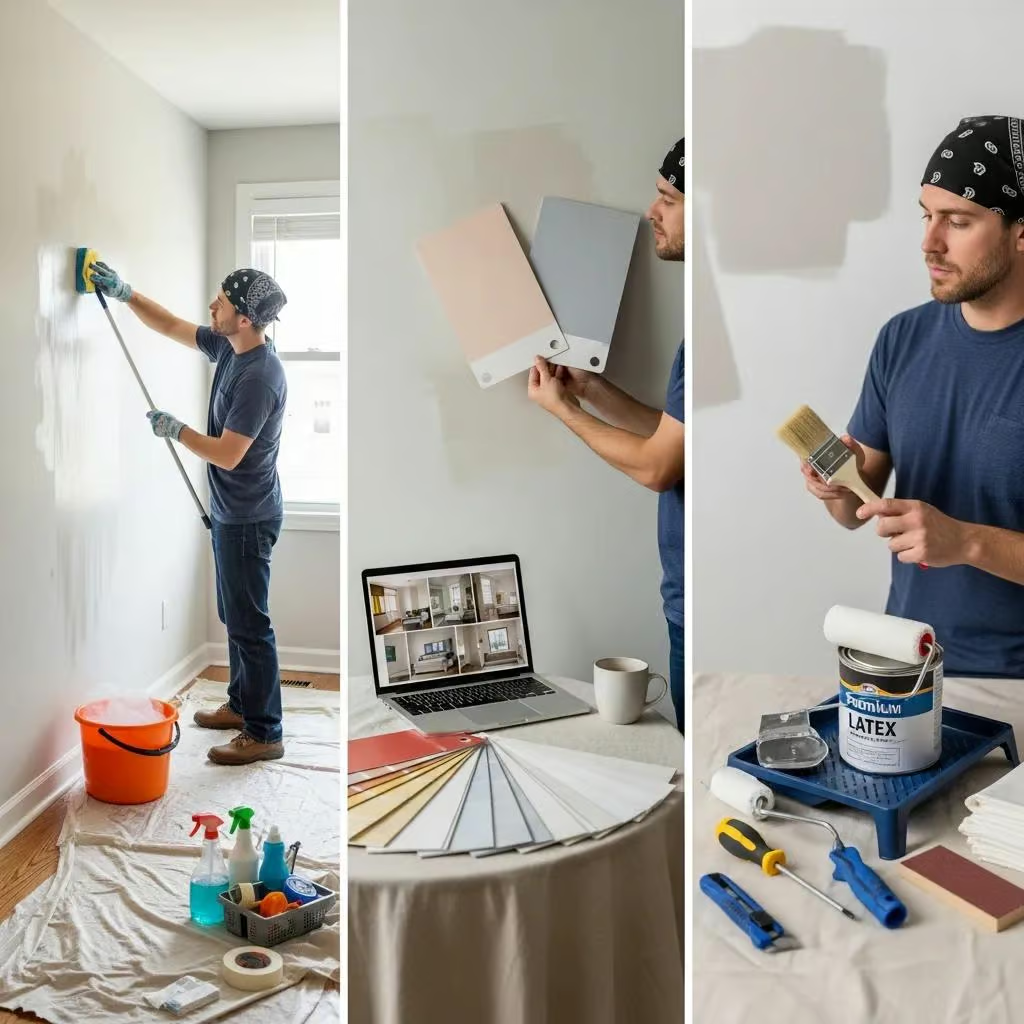
For those who choose to tackle a DIY painting project, several strategies can help ensure success. Preparation and technique are key components of a successful outcome.
What Essential Interior Painting Tips Should Homeowners Follow?
To achieve the best results in a DIY painting project, homeowners should consider the following tips:
- Surface Cleaning: Ensure walls are clean and free of dust or grease before painting.
- Choosing the Right Tools: Invest in quality brushes and rollers to achieve a smooth finish.
- Color Selection: Test paint colors in small areas to see how they look in different lighting conditions.
How to Paint Interior Walls Like a Pro: Step-by-Step Guide
To paint interior walls like a professional, follow these steps:
- Preparation: Move furniture and cover floors with drop cloths.
- Priming: Apply primer to ensure better paint adhesion and coverage.
- Painting: Use even strokes and work in sections for a uniform finish.
- Final Inspection: Check for missed spots and touch up as needed.
By following these steps, homeowners can achieve a professional-looking paint job.
How to Choose Between a Painting Contractor and DIY Approach?
Deciding whether to hire a painting contractor or take the DIY route involves evaluating several factors. Homeowners should consider their skill level, the complexity of the project, and their budget.
What Factors Should Influence the Decision to Hire a Professional Painter?
Several key factors should influence the decision to hire a professional painter:
- Experience and Expertise: Professionals have the skills necessary to handle complex projects efficiently.
- Licensing and Insurance: Hiring a licensed and insured contractor protects homeowners from liability.
- Communication and Planning: A professional painter can provide a clear timeline and plan for the project.
How to Evaluate and Select a Reliable Painting Contractor?
When selecting a painting contractor, homeowners should follow these steps:
- Insurance Verification: Ensure the contractor has liability insurance to protect against accidents.
- Reviewing References: Ask for references and check online reviews to gauge the contractor’s reputation.
- Communication Assessment: Evaluate how well the contractor communicates and addresses your concerns.
By carefully evaluating potential contractors, homeowners can find a reliable professional for their painting needs.
The selection process for a reliable painting contractor often involves evaluating specific criteria to ensure quality and trustworthiness.
Professional Painter Selection: Key Criteria
criterion to evaluate the contractor, ie the duration, experience, quality of performance, project safety, or discounted cash flow as approaches to introduce tangible selection criteria in
A multi‐criteria approach to contractor selection, IM Mahdi, 2002
What Are the Synergies Between Interior Painting and Other Home Improvement Services?
Interior painting often intersects with other home improvement services, creating opportunities for comprehensive renovations. Understanding these synergies can enhance the overall value of home improvement projects.
How Can Professional Roofing Services Complement Interior Painting Projects?
Professional roofing services can significantly impact interior painting projects. A well-maintained roof prevents moisture issues that can damage interior walls and paint. By addressing roofing concerns before painting, homeowners can ensure a longer-lasting finish and protect their investment.
Why Consider Combined Consultations for Painting and Roofing?
Combining consultations for painting and roofing offers several advantages:
- Cost-Effectiveness: Bundling services can lead to discounts and savings.
- Time Efficiency: Coordinating projects can reduce the overall timeline for home improvements.
- Quality Assurance: Working with the same contractor for both services ensures consistency in quality and execution.
By considering these synergies, homeowners can maximize the benefits of their home improvement projects.


