

Comprehensive Bathroom Vanity Replacement Guide: Installation, Costs, and Style Selection

Replacing a bathroom vanity can significantly enhance the functionality and aesthetics of your space. This guide will walk you through the essential steps of selecting, installing, and maintaining a new bathroom vanity, ensuring you make informed decisions that align with your style and budget. Whether you’re looking to upgrade for personal enjoyment or to increase your home’s value, understanding the nuances of bathroom vanity replacement is crucial. We will cover how to measure and choose the right vanity, explore various materials and styles, outline the installation process, discuss costs, and provide maintenance tips. By the end of this guide, you’ll be equipped with the knowledge to confidently tackle your bathroom vanity project.
How do you measure and choose the right bathroom vanity?
Choosing the right bathroom vanity involves careful measurement and consideration of your bathroom’s layout. A well-selected vanity not only fits your space but also complements your overall design. Understanding the essential dimensions and how to match them with your bathroom layout is key to a successful installation.
What are the essential bathroom vanity dimensions to consider?
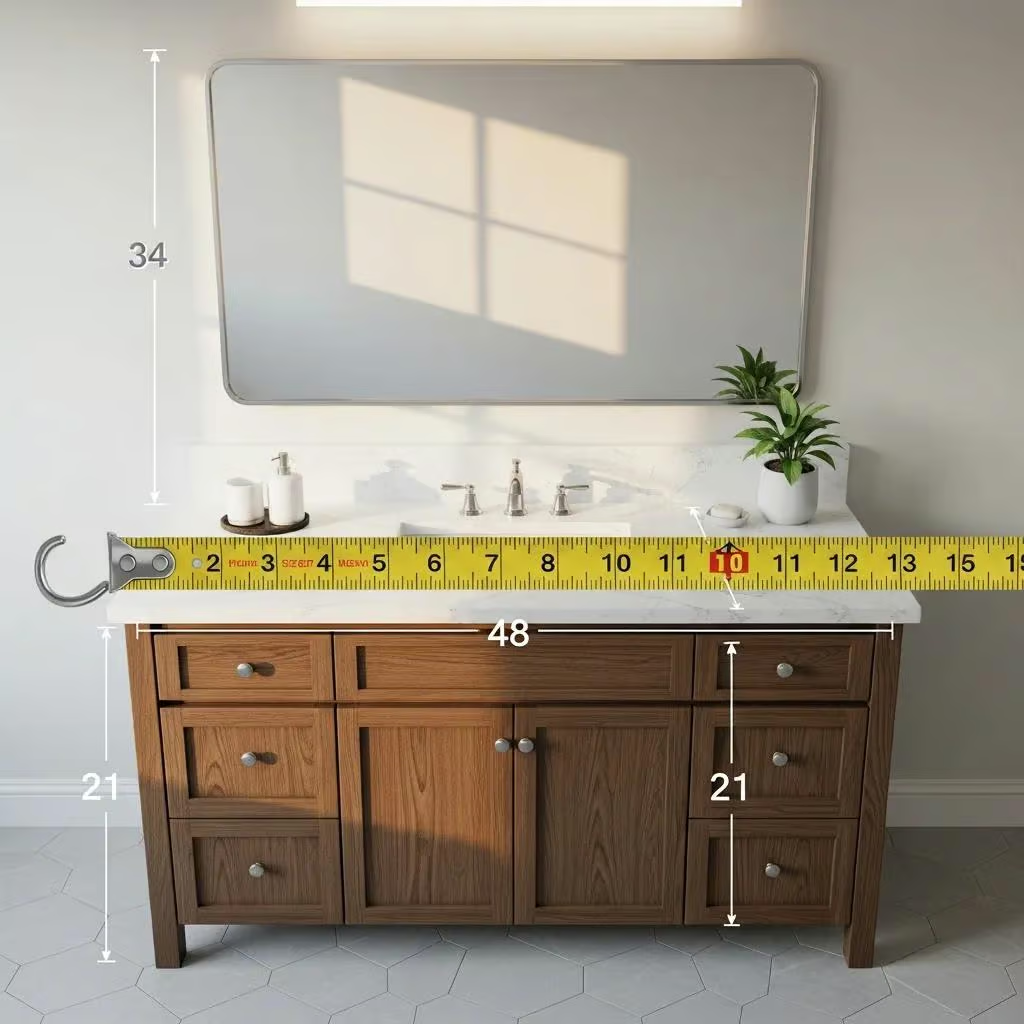
When selecting a bathroom vanity, several key dimensions must be taken into account:
- Height: Standard vanity heights range from 30 to 36 inches. Taller vanities are becoming increasingly popular, providing a more comfortable experience for adults.
- Width: The width of the vanity should correspond to the available space. Common widths range from 24 to 72 inches, accommodating single or double sinks.
- Depth: Most vanities are 18 to 24 inches deep. For smaller bathrooms, a shallower depth can help maximize space without sacrificing functionality.
These dimensions ensure that the vanity fits well within your bathroom while providing adequate storage and usability.
How to select a vanity size that fits your bathroom layout?
To select a vanity size that fits your bathroom layout, consider the following:
- Layout Type: Identify whether your bathroom is a full, half, or powder room. Full bathrooms can accommodate larger vanities, while half and powder rooms may require more compact options.
- Space Utilization: Measure the available space, including door swings and any fixtures that may obstruct the vanity. Ensure there is enough clearance for movement and access.
- Style Compatibility: Choose a vanity size that complements the overall style of your bathroom. A larger vanity can serve as a focal point in a spacious bathroom, while a smaller one can maintain a minimalist aesthetic in tighter spaces.
Which bathroom vanity materials and styles best suit your needs?
The materials and styles of bathroom vanities can greatly influence both their appearance and durability. Understanding the advantages of different materials and how they align with your design preferences is essential for making the right choice.
What are the advantages of different vanity materials like wood, MDF, and metal?
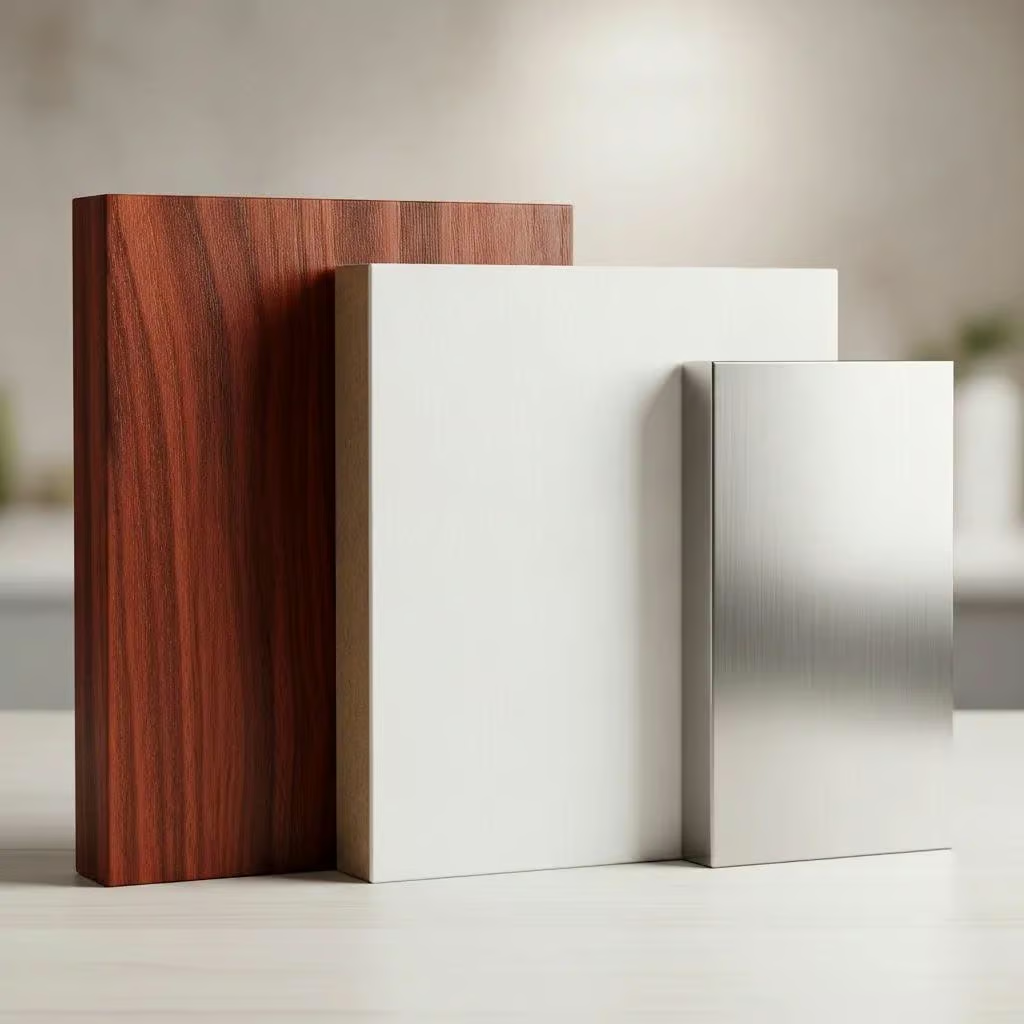
Different materials offer unique benefits:
- Wood: Known for its durability and classic appeal, wood can be stained or painted to match any decor. However, it requires regular maintenance to prevent water damage.
- MDF (Medium Density Fiberboard): This engineered wood product is cost-effective and resistant to warping. It can be finished in various styles but may not be as durable as solid wood.
- Metal: Metal vanities provide a modern, industrial look and are highly durable. They are often used in contemporary designs but may require special care to prevent rust.
Choosing the right material depends on your budget, style preferences, and the level of maintenance you are willing to commit to.
How to choose the best bathroom vanity style for your home?
Selecting a vanity style involves considering your home’s overall aesthetic. Here are some popular styles:
- Traditional: Characterized by ornate details and rich finishes, traditional vanities often feature wood construction and classic hardware.
- Modern: Sleek lines and minimalistic designs define modern vanities, often incorporating materials like glass and metal for a contemporary feel.
- Rustic: Rustic vanities embrace natural materials and finishes, often featuring reclaimed wood and vintage hardware for a cozy, farmhouse look.
By aligning your vanity style with your home’s decor, you can create a cohesive and inviting bathroom environment.
What is the step-by-step process for bathroom vanity replacement?
Replacing a bathroom vanity involves several steps, from preparation to installation. Understanding this process can help ensure a smooth transition to your new vanity.
Which tools and preparations are required for vanity removal and installation?
Before starting the replacement, gather the necessary tools:
- Tools: You will need a screwdriver, wrench, level, measuring tape, and possibly a saw for adjustments.
- Preparation: Turn off the water supply and disconnect plumbing fixtures. Remove the old vanity carefully, ensuring not to damage surrounding areas.
Proper preparation sets the stage for a successful installation, minimizing potential issues.
How to handle plumbing adjustments during vanity replacement?
Plumbing adjustments may be necessary when replacing a vanity. Here are some tips:
- Disconnecting Plumbing: Carefully disconnect the sink and drain lines. Use a bucket to catch any residual water.
- Adjusting Pipes: If the new vanity has a different configuration, you may need to adjust the plumbing. This could involve cutting and fitting new pipes or using flexible connectors.
- Reconnecting: Once the new vanity is in place, reconnect the plumbing, ensuring all connections are secure to prevent leaks.
Handling plumbing adjustments with care is crucial for a successful vanity installation.
How much does bathroom vanity installation cost and how to budget effectively?
Understanding the costs associated with bathroom vanity installation is essential for effective budgeting. Various factors can influence the overall expense, from materials to labor.
What factors influence the overall cost of vanity replacement?
Several factors can affect the cost of replacing a bathroom vanity:
- Material Costs: The choice of material significantly impacts the price. Solid wood vanities tend to be more expensive than MDF or metal options.
- Labor Costs: Hiring a professional for installation can add to the overall cost. Rates vary based on location and the complexity of the installation.
- Additional Features: Features such as integrated sinks, countertops, and custom cabinetry can increase costs.
By understanding these factors, you can make informed decisions that align with your budget.
How to plan your budget for materials, labor, and unexpected expenses?
To effectively plan your budget, consider the following steps:
- Research Costs: Gather quotes for materials and labor to get a clear picture of potential expenses.
- Include Contingency Funds: Set aside an additional 10-20% of your budget for unexpected costs that may arise during installation.
- Prioritize Needs vs. Wants: Determine which features are essential and which are optional, allowing you to allocate funds accordingly.
A well-planned budget helps ensure a smooth vanity replacement process without financial surprises.
What maintenance practices ensure the longevity of your new bathroom vanity?
Maintaining your bathroom vanity is crucial for its longevity and appearance. Regular care can prevent damage and keep your vanity looking new.
How to care for different vanity materials to prevent damage?
Different materials require specific care:
- Wood: Clean with a damp cloth and avoid harsh chemicals. Regularly apply a protective finish to prevent water damage.
- MDF: Wipe with a soft cloth and avoid excessive moisture. Repair any scratches promptly to prevent swelling.
- Metal: Use a mild cleaner to avoid corrosion. Regularly check for rust and treat it immediately to maintain appearance.
By following these care guidelines, you can extend the life of your vanity and maintain its beauty.
What routine inspections and repairs help maintain vanity functionality?
Routine inspections can help identify potential issues before they become significant problems:
- Check for Leaks: Regularly inspect plumbing connections for leaks and tighten as necessary.
- Inspect Surfaces: Look for signs of wear or damage on the vanity surface and address any issues promptly.
- Hardware Maintenance: Ensure that all hardware is secure and functioning correctly, replacing any damaged components as needed.
Routine maintenance practices help ensure that your bathroom vanity remains functional and visually appealing for years to come.


