
How Long Does Interior Painting Take? A Room-by-Room Timeline for Homeowners and Property Managers
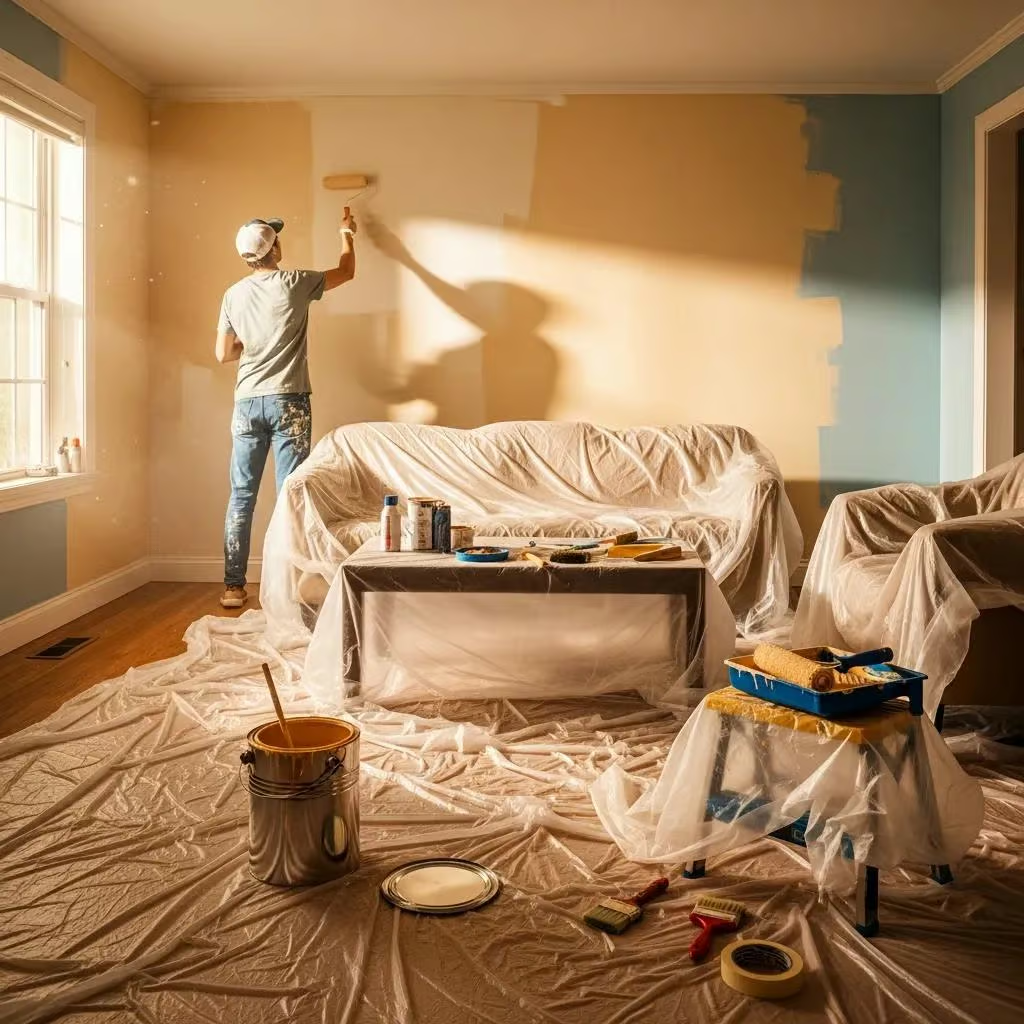
Interior painting is a significant home improvement project that can transform the look and feel of your living space. Understanding how long it takes to paint different rooms is essential for homeowners and property managers alike. This article will provide a detailed timeline for interior painting, breaking down the duration required for each room and the factors that influence these timelines. Many people underestimate the time commitment involved in painting, which can lead to frustration and delays. By knowing what to expect, you can plan your project more effectively and ensure a smoother process. We will explore the typical duration for painting various rooms, the essential steps for efficient painting, and how to coordinate painting with other renovations.
What Is the Typical Interior House Painting Duration?
The duration of an interior painting project can vary significantly based on several factors, including room size, preparation work, and the number of coats required. On average, homeowners can expect to spend anywhere from a few hours to several days painting a single room. Professional painters often complete the job more quickly due to their experience and efficiency. Understanding these timeframes is crucial for effective project planning, especially if you are coordinating with other home improvement tasks.
Which Factors Influence Painting Time Per Room?
Several factors can impact the time it takes to paint a room. These include:
- Room Size: Larger rooms naturally require more time to paint than smaller ones.
- Preparation Work: Tasks such as moving furniture, taping edges, and priming surfaces can add significant time to the overall project.
- Number of Coats: Depending on the color change and paint type, multiple coats may be necessary, extending the duration.
By considering these factors, you can better estimate the time required for your painting project.
How Do Paint Types and Drying Times Affect Overall Duration?
The type of paint used can also influence the painting timeline. Different paints have varying drying times, which can affect how quickly you can apply additional coats. For example, latex paints typically dry faster than oil-based paints, allowing for quicker project completion. Additionally, environmental factors such as humidity and temperature can impact drying times, so it’s essential to plan accordingly.
What Is the Painting Timeline for Each Room in Your Home?
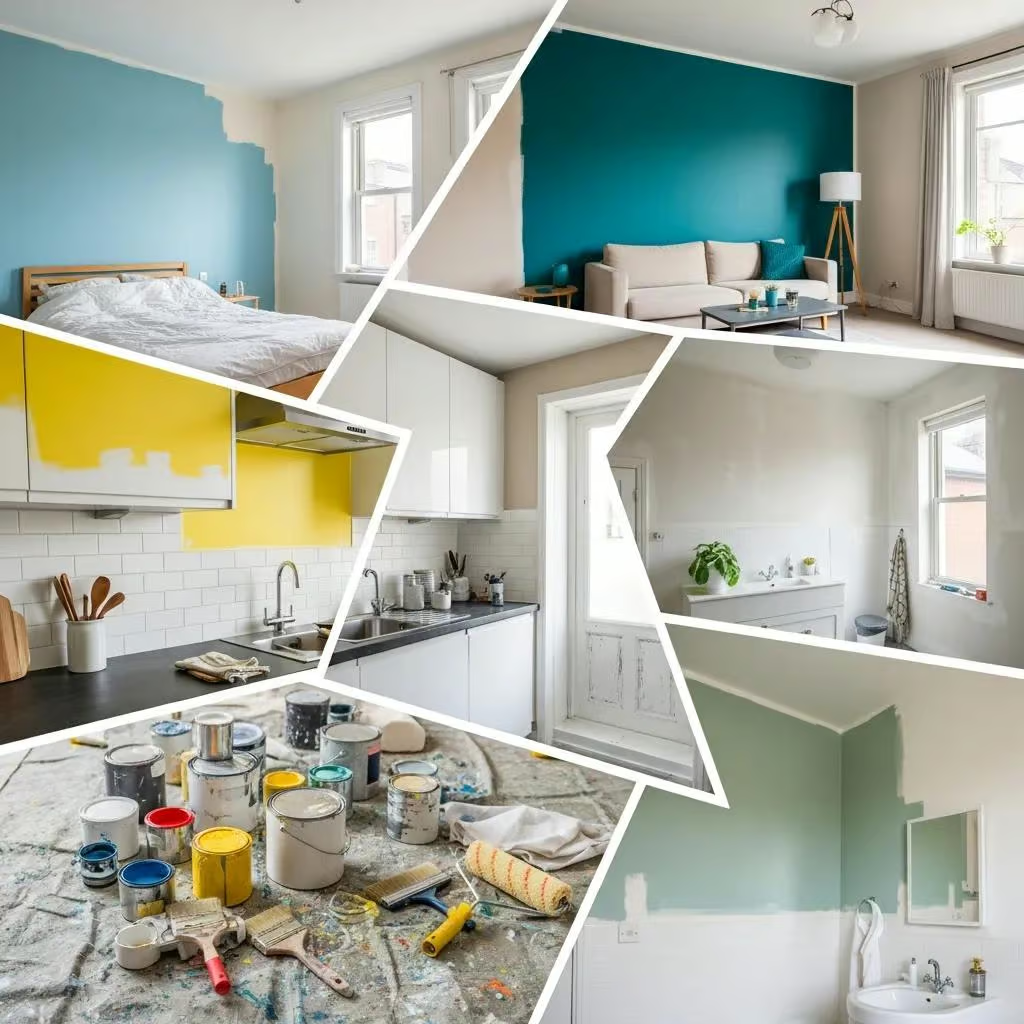
Understanding the specific timelines for painting different rooms can help you allocate your time and resources effectively. Below is a breakdown of average durations for common rooms in a home.
How Long Does It Take to Paint a Bedroom?
Painting a bedroom typically takes around 6-8 hours, depending on the size and complexity of the room. Factors such as the number of windows and doors, as well as the need for multiple coats, can influence this duration. Proper preparation, including moving furniture and taping edges, can also add to the time required.
What Is the Average Time to Paint Living Rooms, Kitchens, and Bathrooms?
Living rooms generally take longer to paint, averaging 8-10 hours due to their larger size and potential for intricate details. Kitchens can take even longer, ranging from 10-14 hours, especially if cabinets are included in the project. Bathrooms, being smaller, usually require about 4-6 hours, but preparation time can still be significant.
What Are the Essential Steps to Paint Interior Walls Efficiently?
To ensure an efficient painting process, it’s crucial to follow essential steps that can streamline the project. Proper preparation and execution can significantly reduce the time spent on painting.
How Does Preparation Impact Painting Duration?
Preparation is a critical step that can greatly affect the overall duration of your painting project. Taking the time to clean surfaces, repair any damage, and apply primer can lead to a smoother painting experience. Proper preparation helps ensure that the paint adheres well and provides a uniform finish, ultimately saving time in the long run.
What Are the Best Practices for Priming, Masking, and Cleaning?
Effective priming, masking, and cleaning are vital for achieving professional results. Here are some best practices:
- Priming: Always apply a primer before painting, especially when changing colors or painting over a darker shade.
- Masking: Use painter’s tape to protect edges and trim, ensuring clean lines and reducing the need for touch-ups.
- Cleaning: Clean walls thoroughly to remove dust and grease, which can affect paint adhesion.
These practices not only improve the quality of the finish but also help in reducing the time spent on corrections later.
How Does Professional Painting Compare to DIY in Terms of Time?
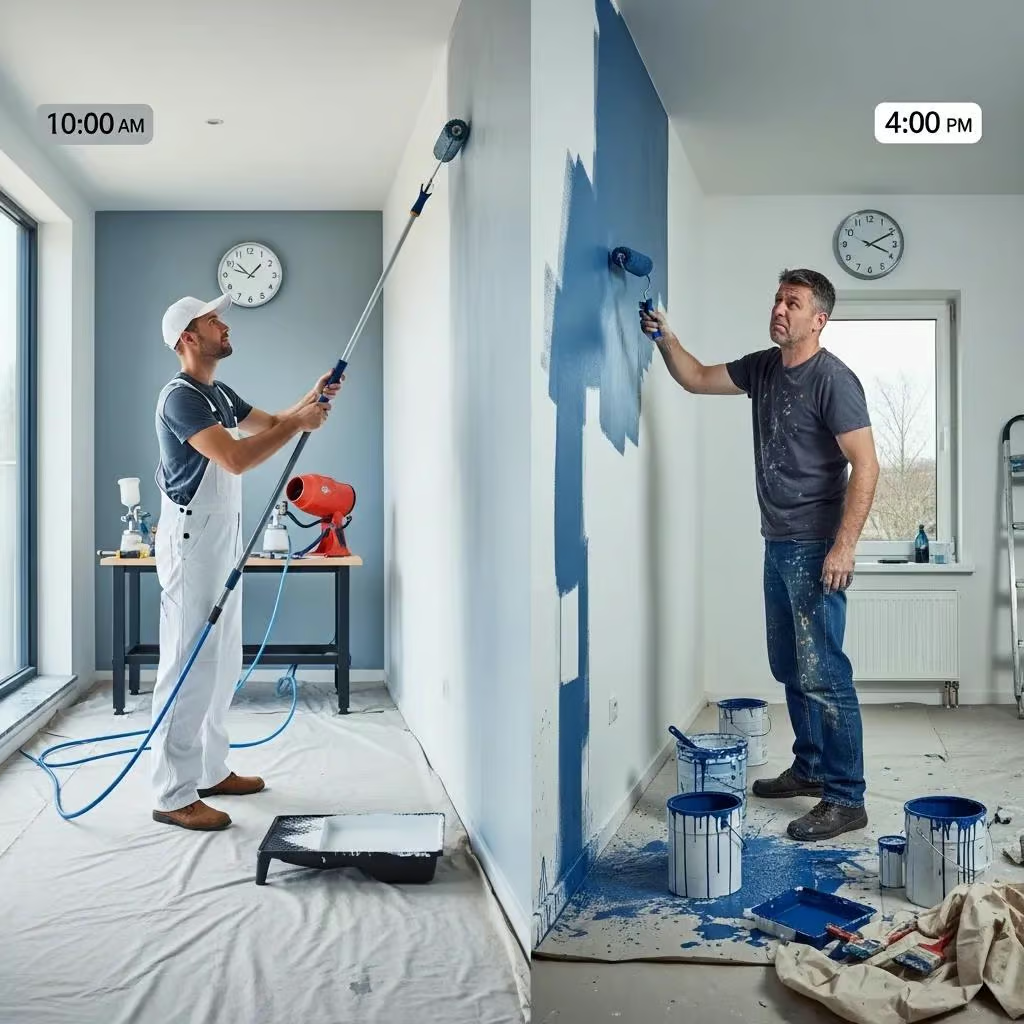
When considering whether to hire professionals or tackle the painting project yourself, it’s essential to understand the time implications of each approach.
What Are the Time Benefits of Hiring Professional Painters?
Hiring professional painters can significantly reduce the time required to complete a painting project. Professionals bring experience, efficiency, and the right tools, allowing them to finish jobs much faster than most DIYers. Additionally, they can often work on multiple rooms simultaneously, further speeding up the process.
How Much Longer Does DIY Painting Typically Take?
DIY painting typically takes longer due to the learning curve and the time spent on preparation and execution. Many homeowners underestimate the time required for tasks such as taping, priming, and cleaning up. As a result, DIY projects can often extend beyond initial estimates, leading to frustration and delays.
How Can You Schedule Interior Painting Alongside Roofing or Other Renovations?
Coordinating interior painting with other home renovations, such as roofing, requires careful planning to minimize disruption and maximize efficiency.
What Are the Best Practices for Coordinating Painting and Roofing Projects?
Effective communication and planning are key when scheduling painting alongside roofing projects. Ensure that both teams are aware of the timelines and any potential conflicts. It may be beneficial to complete roofing work first to avoid any damage to freshly painted walls.
How Does Project Scheduling Improve Efficiency and Minimize Disruption?
A well-structured project schedule can help identify potential issues early and allocate resources effectively. By coordinating tasks, you can minimize downtime and ensure that both painting and roofing projects progress smoothly, leading to a more efficient renovation process.
What Are the Common Questions About Interior Painting Duration?
Homeowners often have questions regarding the duration of interior painting projects, particularly concerning drying times and waiting periods.
How Long Should You Wait Between Paint Coats?
Typically, you should wait 2-4 hours between paint coats, depending on the type of paint used and environmental conditions. It’s essential to follow the manufacturer’s recommendations for optimal results.
What Are Typical Drying Times for Different Paint Types?
Drying times can vary significantly between paint types. For instance, latex paints usually dry to the touch within 1 hour, while oil-based paints may take 6-8 hours. Understanding these differences can help you plan your painting schedule more effectively.


