
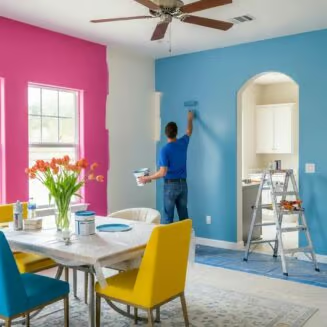
Interior Painting Mistakes to Avoid: A Professional’s Guide to Common Errors and Effective Solutions
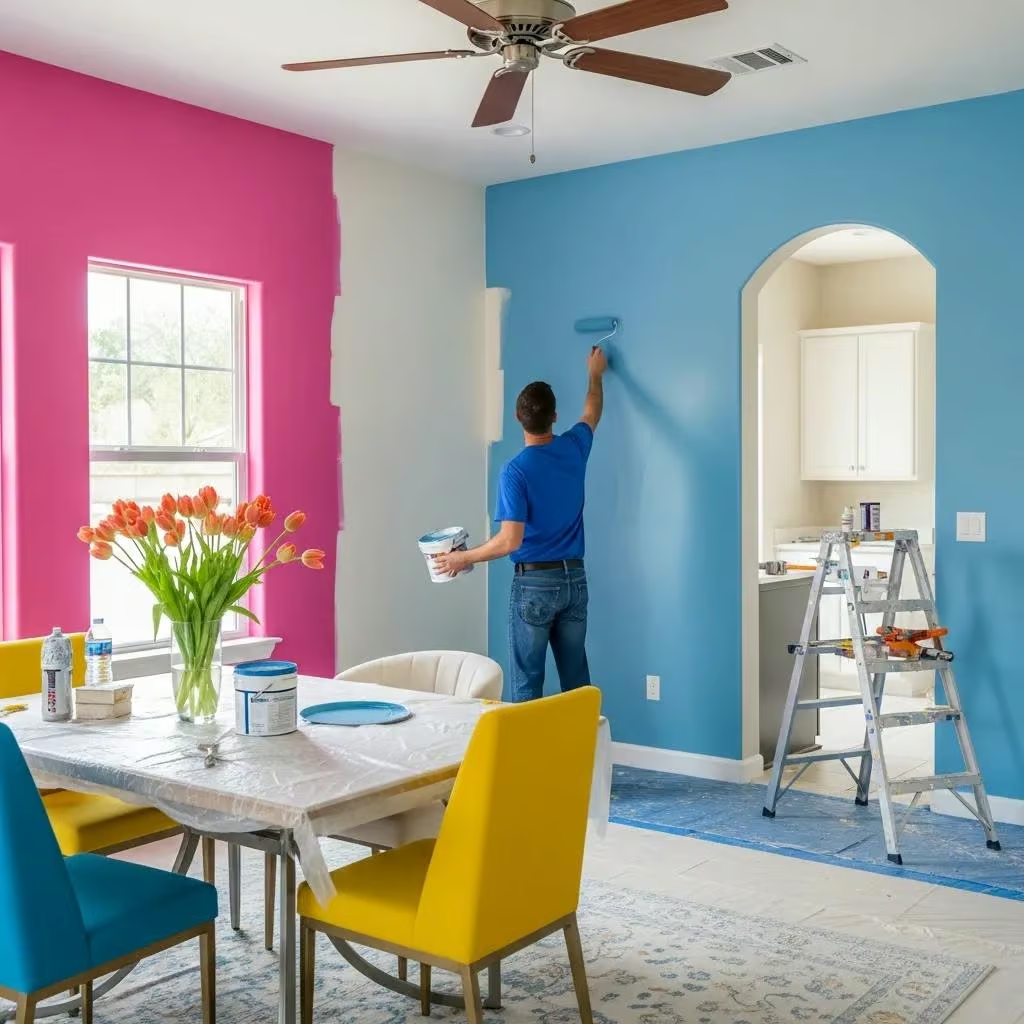
Interior painting can transform a space, but many homeowners make critical mistakes that can lead to unsatisfactory results. Understanding these common pitfalls is essential for achieving a professional finish. This guide will explore the most frequent interior painting mistakes, providing effective solutions to avoid them. By addressing issues such as surface preparation, paint application, and maintenance, you can ensure a successful painting project. Additionally, we will discuss how roofing issues can impact your interior painting efforts, emphasizing the importance of proper preparation and consultation with experts.
In this article, we will cover the following key areas: common surface preparation mistakes, paint application problems, drying and finishing issues, best practices for selecting tools and paint, maintenance tips, and the relationship between roofing and interior painting.
What Are the Most Common Surface Preparation Mistakes in Interior Painting?
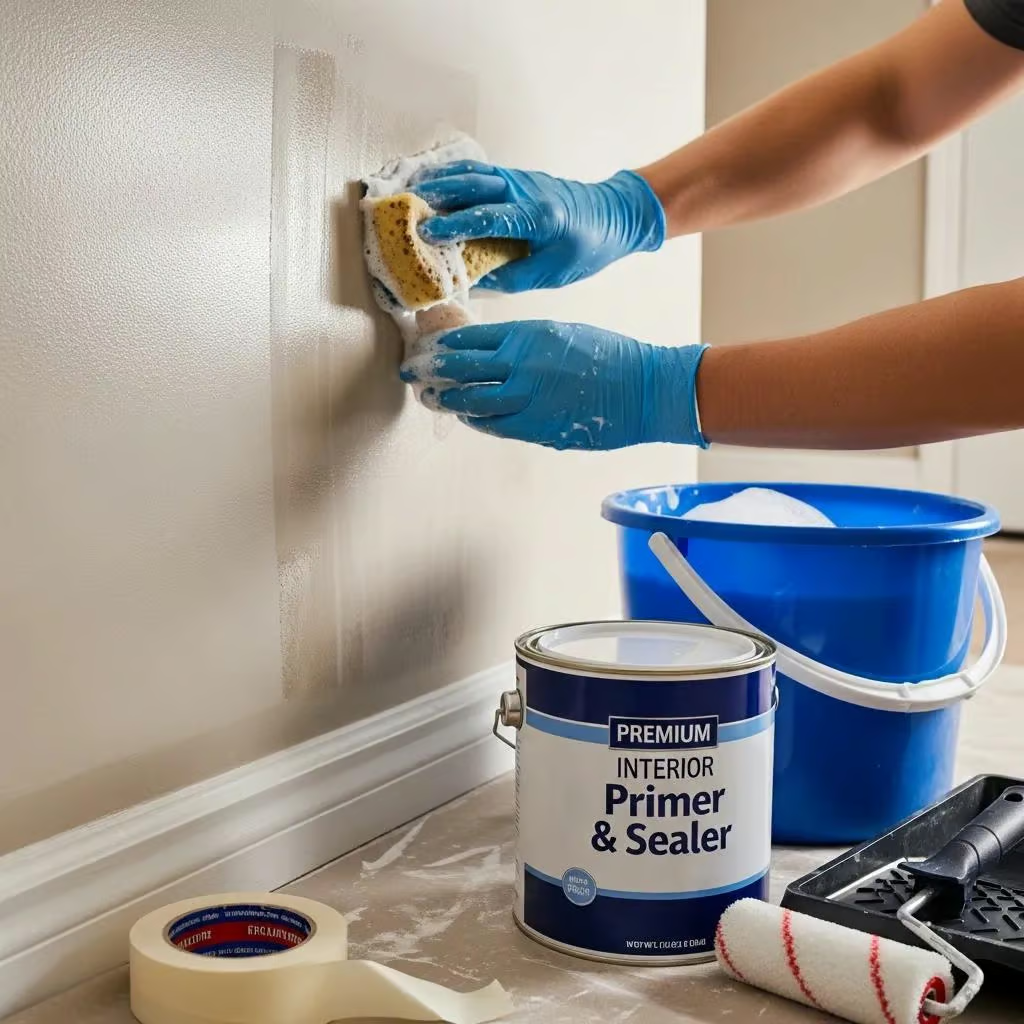
Surface preparation is crucial for a successful paint job, yet many homeowners overlook this step. Common mistakes include inadequate cleaning, neglecting to use “primer”, and failing to protect surfaces. Proper surface preparation ensures that paint adheres well and lasts longer, preventing issues like peeling and chipping.
Emphasizing the long-standing importance of these foundational steps, professional guidelines consistently highlight the necessity of proper surface preparation for any successful painting endeavor.
Professional Painting & Surface Prep Techniques
Interior to develop and make available to government agencies and individuals information concerning professional methods and techniques for the preservation of historic properties.
Proper painting and surface preparation, 1986
How Does Improper Surface Cleaning Affect Paint Adhesion?
Improper surface cleaning can significantly impact paint adhesion. Dust, dirt, and grease can create a barrier between the paint and the surface, leading to adhesion failures. For instance, if a wall is not cleaned thoroughly, the paint may peel or bubble shortly after application. Ensuring a clean surface is essential for achieving a durable finish.
Why Is Skipping Primer Application a Frequent Painting Error?
Many homeowners skip “primer application”, believing it to be unnecessary. However, primer plays a vital role in enhancing paint quality. It helps to seal the surface, improves adhesion, and provides a uniform base for the paint. Without primer, the final coat may appear uneven or require more paint, leading to increased costs and effort.
After addressing surface preparation, it’s important to consider how roofing issues can affect interior painting. For example, leaks from a damaged roof can lead to water stains and mold growth on interior walls, compromising the paint job. Consulting with roofing experts can help identify and resolve these issues before painting begins.
Which Paint Application Problems Should Homeowners Recognize and Fix?
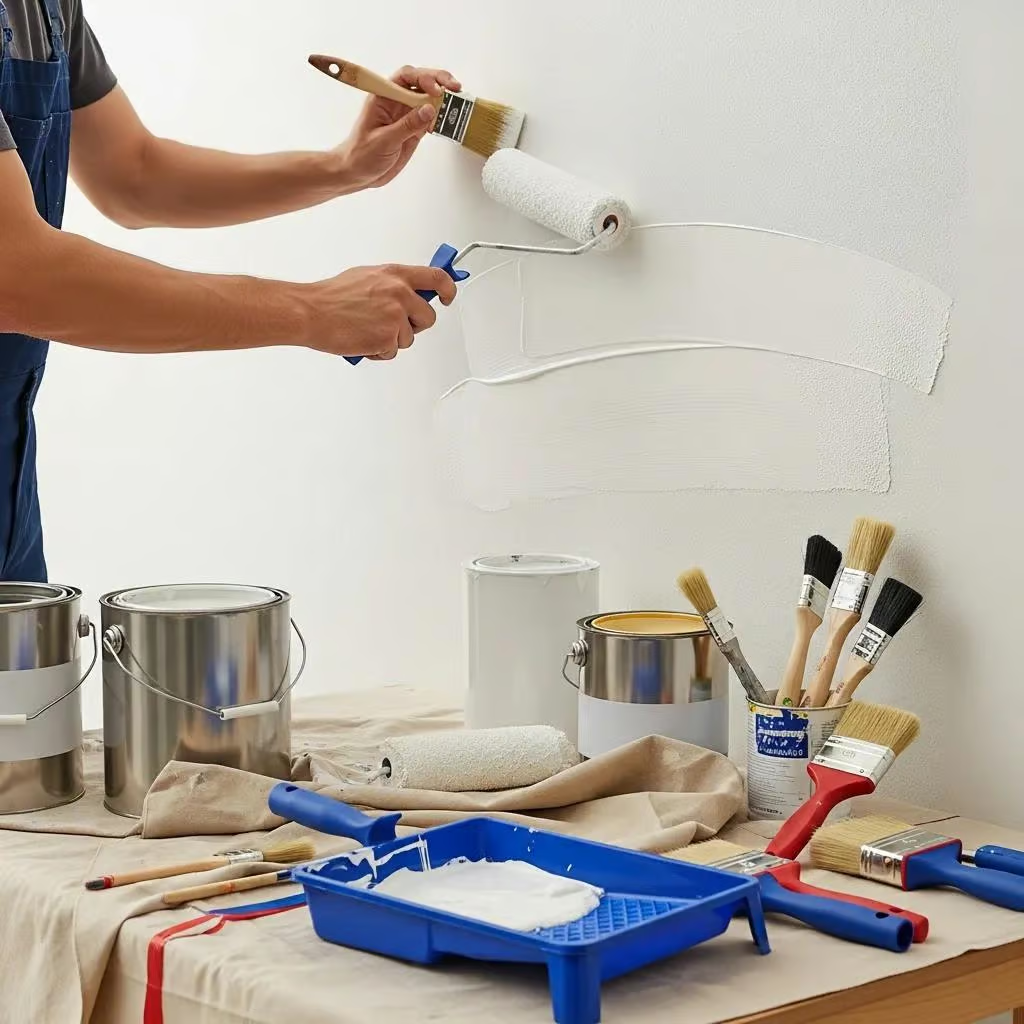
Paint application problems can ruin an otherwise well-prepared surface. Common issues include peeling, cracking, and color matching challenges. Recognizing these problems early can save time and money, ensuring a smoother painting process.
How Can Brush Marks and Roller Streaks Be Prevented?
To prevent brush marks and roller streaks, homeowners should use the right tools and techniques. Selecting high-quality brushes and rollers designed for the specific type of paint can make a significant difference. Additionally, applying paint in thin, even coats and using consistent strokes can help achieve a smooth finish.
What Causes Paint Peeling and How Can It Be Remedied?
Paint peeling is often caused by moisture issues, improper surface preparation, or using low-quality paint. To remedy peeling, homeowners should first identify the underlying cause, such as leaks or humidity. Once resolved, the affected areas should be scraped, sanded, and repainted with a suitable primer and high-quality paint to ensure longevity.
How Do Paint Drying and Finishing Issues Impact Interior Paint Quality?
Drying and finishing issues can severely impact the quality of an interior paint job. Factors such as humidity, temperature, and inadequate drying times can lead to problems like uneven finishes and blistering. Understanding these factors is essential for achieving a professional look.
What Is the Recommended Drying Time Between Coats?
The recommended drying time between coats varies depending on the type of paint used. Generally, it is advisable to wait at least 1-2 hours between coats for latex paint and 24 hours for oil-based paints. Ensuring adequate drying time allows the paint to cure properly, resulting in a more durable finish.
How Can Uneven Finishing and Blistering Be Avoided?
To avoid uneven finishing and blistering, homeowners should ensure proper ventilation during the painting process. Additionally, using high-quality paint and applying it in suitable conditions—avoiding extreme temperatures and humidity—can help achieve a smooth, even finish. Regular maintenance of painted surfaces also contributes to their longevity.
What Are the Best Practices for Selecting Tools and Paint for Interior Projects?
Choosing the right tools and paint is essential for a successful interior painting project. High-quality tools can make the application process easier and more efficient, while selecting the appropriate paint type ensures durability and aesthetic appeal.
Which Tools Optimize Paint Application and Minimize Errors?
Essential tools for optimizing paint application include high-quality brushes, rollers, and painter’s tape. Using the right tools not only improves the application process but also minimizes errors, leading to a more professional finish. Homeowners should invest in tools that suit their specific project needs.
How Do Paint Types Influence Project Success and Longevity?
Different paint types can significantly influence the success and longevity of a project. For instance, latex paints are easy to clean and quick-drying, making them ideal for interior walls. In contrast, oil-based paints offer a durable finish but require longer drying times. Understanding the characteristics of various paint types helps homeowners make informed decisions.
How Can Maintenance Tips Extend the Life of Interior Paint?
Proper maintenance is key to extending the life of interior paint. Regular cleaning and timely touch-ups can prevent deterioration and keep walls looking fresh. Homeowners should be proactive in maintaining their painted surfaces to avoid costly repainting in the future.
What Cleaning Methods Preserve Painted Surfaces?
To preserve painted surfaces, homeowners should use gentle cleaning methods. Mild soap and water are often sufficient for routine cleaning, while avoiding harsh chemicals that can damage the paint. Regular dusting and spot cleaning can help maintain the appearance of walls over time.
When Should Repainting or Touch-Ups Be Scheduled?
Repainting or touch-ups should be scheduled based on visible signs of wear, such as fading, chipping, or stains. Homeowners should also consider repainting every 5-7 years, depending on the paint quality and environmental factors. Regular assessments can help determine the best timing for maintenance.
How Can Roofing Issues Affect Interior Painting and What Preventive Steps Are Recommended?
Roofing issues can have a significant impact on interior painting projects. Leaks and water damage can lead to unsightly stains and mold growth, compromising the integrity of the paint job. Preventive measures are essential to avoid these complications.
What Interior Damage Can Result from Roofing Problems?
Roofing problems can lead to various types of interior damage, including water stains, mold growth, and structural issues. These damages not only affect the aesthetics of a space but can also pose health risks. Addressing roofing issues promptly is crucial for maintaining a safe and visually appealing environment.
Why Should Homeowners Consult Roofing Experts Before Painting?
Consulting roofing experts before painting is essential for ensuring that any underlying issues are addressed. Professionals can conduct thorough inspections, identify potential problems, and recommend appropriate solutions. This proactive approach helps prevent costly repairs and ensures a successful painting project.


