
How to Paint Interior Doors and Windows: A Complete Guide to Techniques and Best Practices
Painting interior doors and windows can significantly enhance the aesthetic appeal of your home while also providing a protective layer against wear and tear. This comprehensive guide will walk you through the essential techniques and best practices for painting these surfaces effectively. You will learn about the necessary tools and materials, preparation steps, painting techniques, drying times, and maintenance tips. Many homeowners struggle with achieving a professional finish, but with the right approach, you can transform your doors and windows into stunning focal points. This article will cover the essential tools and materials, preparation methods, step-by-step painting techniques, drying and finishing practices, and maintenance tips to keep your painted surfaces looking fresh.
What Are the Essential Tools and Materials for Painting Interior Doors and Windows?
To achieve a flawless paint job on your interior doors and windows, having the right tools and materials is crucial. The quality of your tools can significantly impact the final result, making it essential to invest in the right items.
Which Paint Types Are Best for Interior Doors and Window Frames?
When selecting paint for interior doors and window frames, consider the following options:
- Latex Paint: This water-based paint is easy to clean up and dries quickly. It offers good durability and is available in various finishes, making it a popular choice for interior applications.
- Oil-Based Paint: Known for its durability and smooth finish, oil-based paint is ideal for high-traffic areas. However, it requires mineral spirits for cleanup and has a longer drying time.
- Eco-Friendly Paints: These paints are low in volatile organic compounds (VOCs), making them a safer choice for indoor air quality. They come in both latex and oil-based formulations.
Choosing the right paint type is essential for achieving a long-lasting finish that withstands daily use.
Understanding the chemical properties of different paint types, including their drying mechanisms and the emission of volatile organic compounds (VOCs), is crucial for both product development and ensuring healthy indoor air quality.
Understanding VOC Emissions & Drying Mechanisms for Interior Paints
This report reviews research into the release of volatile organic compounds (VOCs) from paints and coatings from two perspectives: (a) drying and film formation, and (b) voc emission into indoor air. The former has been investigated by the paint industry for some decades, especially in relation to understanding drying mechanisms to assist product formulation and development. The latter is of more recent interest and is directed to predicting and controlling the impact of VOC emissions from paints and coatings on indoor air quality. The focus is traditional water-based latex paints and solvent-based coatings for use in buildings. The coating process and drying mechanisms are reviewed for each of these, including a limited review of volatile paint constituents and their health hazards.
A review of VOC emissions and drying mechanisms for interior paints and coatings., 1997
What Tools and Supplies Do You Need for Effective Painting?
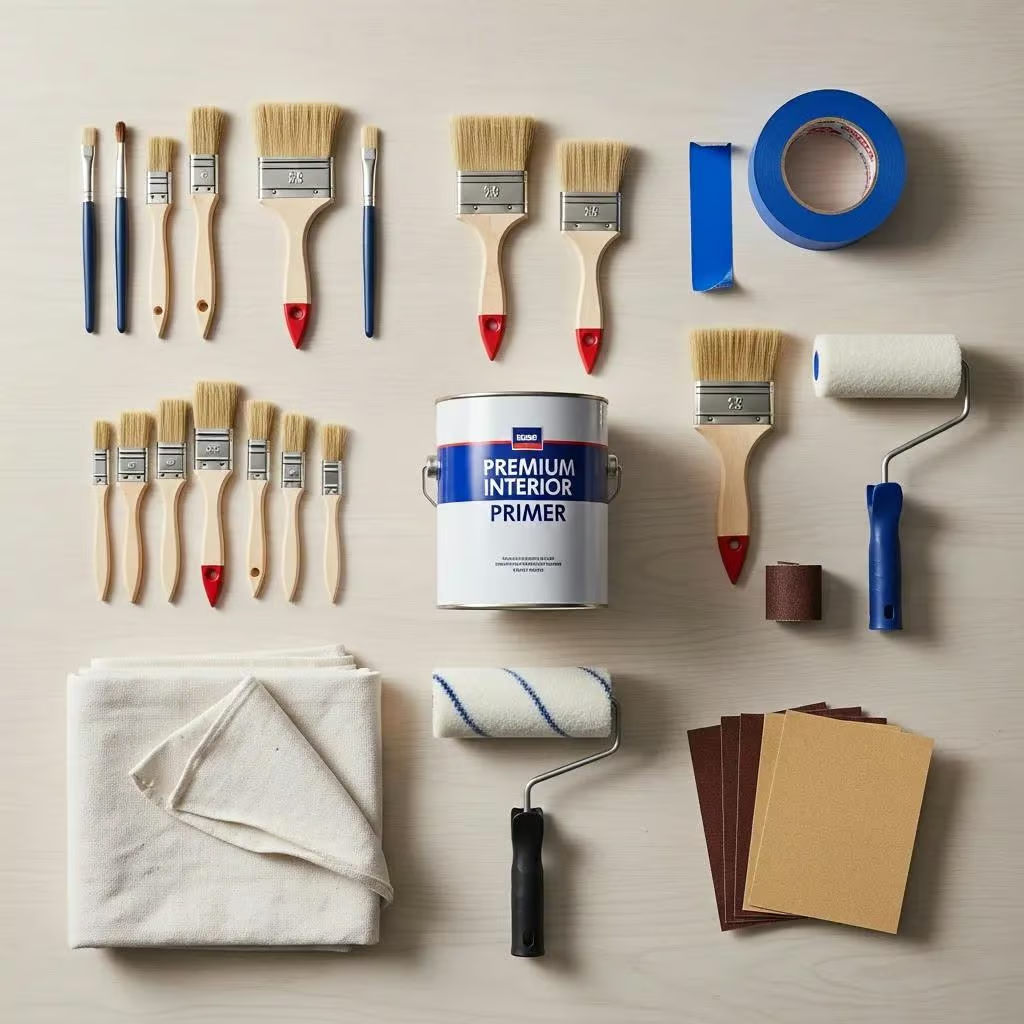
To ensure an effective painting process, gather the following tools and supplies:
- Paintbrushes: A variety of sizes, including angled brushes for trim work and larger brushes for flat surfaces.
- Rollers: Ideal for covering larger areas quickly, especially on flat doors.
- Drop Cloths: Protect your floors and furniture from paint splatters.
- Painter’s Tape: Use this to mask off areas you don’t want to paint, ensuring clean lines.
- Sandpaper: Essential for smoothing surfaces before painting.
- Primer: A good primer helps paint adhere better and improves the overall finish.
Having these tools on hand will streamline your painting process and help you achieve a professional-looking result.
How Do You Prepare Interior Doors and Windows for Painting?
Proper preparation is key to a successful paint job. It ensures that the paint adheres well and provides a smooth finish.
What Are the Steps to Properly Clean and Sand Surfaces?
- Clean the Surfaces: Use a mild detergent and water to remove dirt, grease, and grime from the doors and windows. Rinse thoroughly and allow to dry.
- Sand the Surfaces: Lightly sand the surfaces with fine-grit sandpaper to create a smooth base for the paint. This step helps the paint adhere better.
- Wipe Down: After sanding, wipe the surfaces with a damp cloth to remove dust and debris.
These steps will prepare your doors and windows for a fresh coat of paint, ensuring better adhesion and a smoother finish.
How Should You Handle Door Hardware and Trim Before Painting?
Before painting, it’s essential to handle door hardware and trim properly:
- Remove Hardware: Take off doorknobs, hinges, and any other hardware to avoid getting paint on them.
- Protect Surrounding Areas: Use painter’s tape to mask off areas around the trim and any adjacent surfaces to prevent accidental paint splatters.
- Fill Holes and Prime: If there are any holes or imperfections, fill them with wood filler and sand smooth. Apply a primer to these areas to ensure even paint coverage.
Taking these precautions will help you achieve a clean and professional-looking paint job.
What Are the Step-by-Step Techniques for Painting Interior Doors and Window Frames?
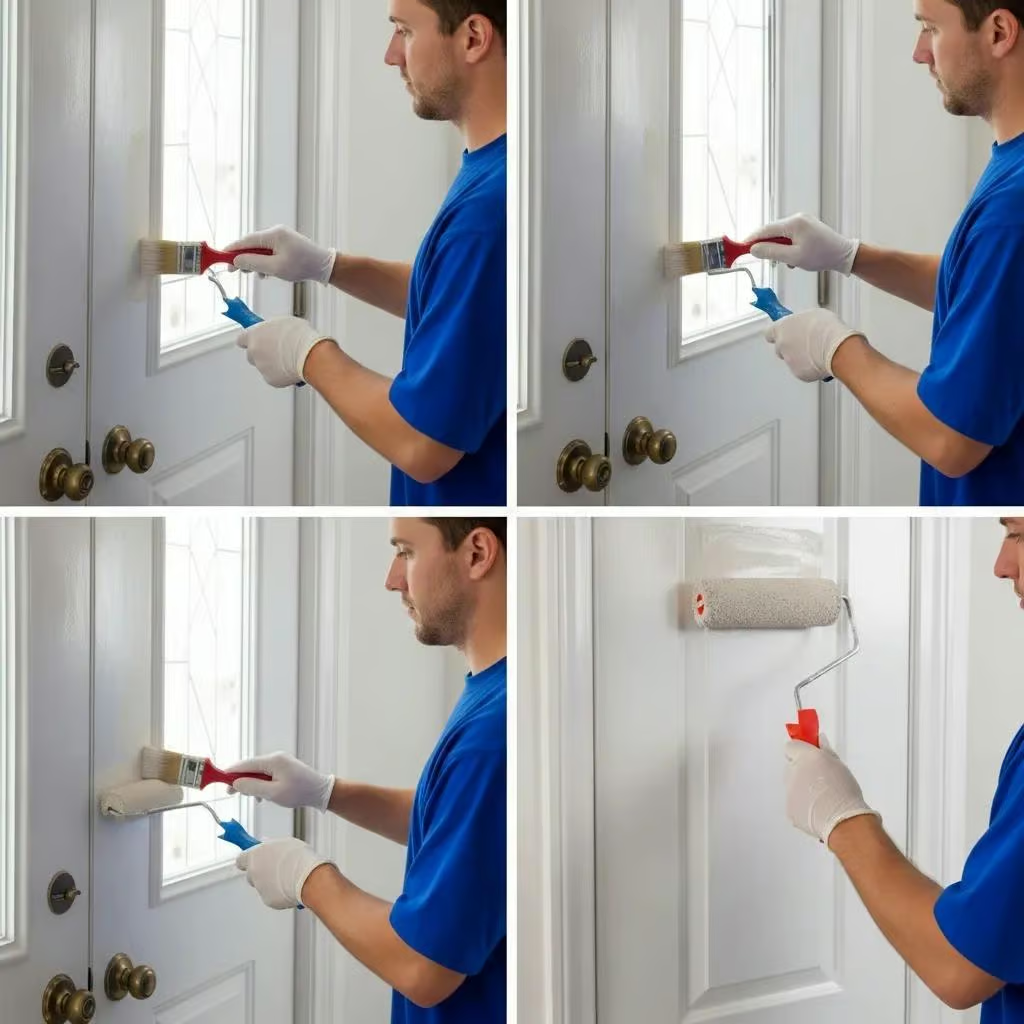
Once your surfaces are prepared, it’s time to start painting. Following a systematic approach will help you achieve the best results.
How Do You Apply Paint to Doors and Window Trim for a Smooth Finish?
- Start with Primer: Apply a coat of primer to the surfaces, especially if you’re painting over a darker color or bare wood. Allow it to dry completely.
- Use a Brush for Edges: Begin by using a brush to paint the edges and corners of the doors and window frames. This ensures that you cover all areas thoroughly.
- Roll the Flat Surfaces: Use a roller to apply paint to the flat surfaces of the doors and window frames. This method provides a smooth and even finish.
- Apply Multiple Coats: Depending on the paint color and type, you may need to apply two or more coats. Allow each coat to dry completely before applying the next.
By following these steps, you can achieve a smooth and professional finish on your interior doors and windows.
What Are Common Painting Mistakes and How Can You Avoid Them?
Avoiding common mistakes can save you time and effort:
- Skipping Primer: Failing to use primer can lead to uneven color and poor adhesion.
- Overloading the Brush: Applying too much paint at once can result in drips and uneven coverage.
- Ignoring Drying Times: Not allowing sufficient drying time between coats can lead to smudging and poor adhesion.
By being mindful of these common pitfalls, you can ensure a successful painting project.
How Long Does Paint Take to Dry and How Should You Finish the Painted Surfaces?
Understanding drying times and finishing techniques is crucial for achieving the best results.
What Factors Affect Drying Time for Interior Door and Window Paint?
- Humidity: High humidity levels can slow down the drying process, while low humidity can speed it up.
- Temperature: Warmer temperatures generally promote faster drying times.
- Paint Type: Different paint formulations have varying drying times, with oil-based paints typically taking longer to dry than latex paints.
Being aware of these factors can help you plan your painting project more effectively.
What Are the Best Practices for Finishing and Sealing Painted Surfaces?
To ensure the longevity of your paint job, consider the following best practices:
- Use a Clear Sealant: After the paint has dried, applying a clear sealant can provide additional protection against wear and tear.
- Regular Maintenance: Clean painted surfaces regularly to prevent dirt buildup and maintain their appearance.
- Touch-Up as Needed: Keep a small amount of paint for touch-ups to address any chips or scratches that may occur over time.
Implementing these practices will help preserve the quality of your painted surfaces.
How Can You Maintain and Touch Up Painted Interior Doors and Windows?
Maintaining your painted doors and windows is essential for keeping them looking fresh and new.
What Are Effective Maintenance Tips to Preserve Paint Quality?
- Regular Cleaning: Use a soft cloth and mild detergent to clean the surfaces regularly, avoiding harsh chemicals that can damage the paint.
- Inspect for Damage: Periodically check for chips, scratches, or peeling paint and address them promptly to prevent further damage.
- Avoid Excessive Moisture: Keep painted surfaces dry, as excessive moisture can lead to peeling and mold growth.
By following these maintenance tips, you can extend the life of your paint job.
When and How Should You Perform Touch-Ups on Painted Surfaces?
Touch-ups should be performed as needed:
- Identify Areas Needing Attention: Look for chips or scratches that require touch-up paint.
- Use the Same Paint: Ensure you use the same paint type and color for touch-ups to maintain consistency.
- Apply Lightly: Use a small brush to apply touch-up paint lightly, blending it with the surrounding area for a seamless finish.
Regular touch-ups will keep your painted doors and windows looking their best.


