

How to Paint a Basement: Step-by-Step Guide
Painting a basement can transform an often overlooked space into a vibrant and functional area of your home. This comprehensive guide will walk you through the essential steps to effectively paint your basement walls, ensuring a durable and aesthetically pleasing finish. Many homeowners face challenges such as moisture control and surface preparation, which can complicate the painting process. By following this step-by-step guide, you will learn how to prepare your basement walls, choose the right paint, and apply effective techniques for a long-lasting result. We will also explore the importance of maintaining your painted surfaces and how basement painting relates to overall property maintenance, including “roofing services”.
How Do You Prepare Basement Walls for Painting?
Preparing basement walls for painting is crucial to achieving a smooth and lasting finish. This process involves several key steps that ensure the surface is clean, dry, and ready for paint application. Proper preparation not only enhances the paint’s adhesion but also helps prevent issues such as peeling and mold growth. Understanding these preparation steps will set the foundation for a successful painting project.
What Are the Essential Surface Preparation Steps?
The essential surface preparation steps for painting basement walls include:
- Inspect for Damage: Check for any cracks, holes, or signs of water damage that need to be addressed before painting.
- Clear Debris: Remove dust, dirt, and any loose materials from the walls to ensure a clean surface.
- Seal Any Cracks: Use a suitable filler or sealant to repair any cracks or holes, which will help prevent moisture infiltration.
These steps are vital for ensuring that the paint adheres properly and that the finished product looks professional. Once the walls are prepared, the next consideration is how moisture control impacts wall preparation.
Emphasizing the importance of this step, experts highlight how sealing cracks is fundamental to preventing moisture and other elements from compromising the concrete.
Sealing Basement Concrete Cracks to Prevent Moisture
cracks and seal up any holes immediately to prevent moisture and carbon dioxide from entering the concrete
Design for maintainability of basements and wet areas, MYL Chew, 2021
How Does Moisture Control Impact Wall Preparation?
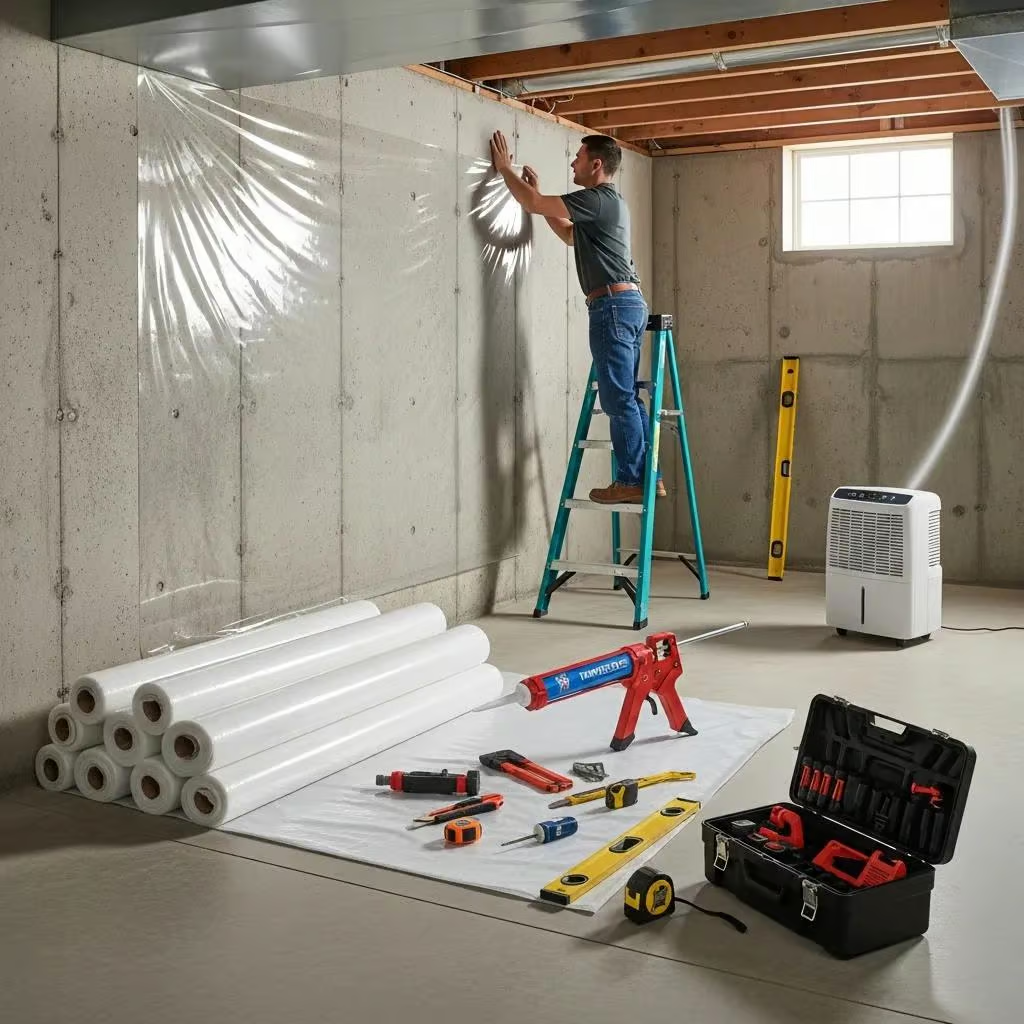
Moisture control is a critical aspect of preparing basement walls for painting. High humidity levels can lead to mold growth and paint failure. To effectively manage moisture, consider the following techniques:
- Install Moisture Barriers: Use vapor barriers on walls to prevent moisture from seeping through.
- Improve Ventilation: Ensure proper airflow in the basement to reduce humidity levels.
- Use Dehumidifiers: Employ dehumidifiers to maintain optimal humidity levels, especially in damp climates.
By implementing these moisture control measures, you can significantly enhance the longevity of your paint job and protect your basement walls from future damage.
Which Paint Types Are Best Suited for Basement Walls?
Choosing the right paint for basement walls is essential for durability and moisture resistance. Various paint types are available, each with unique properties that cater to the specific needs of basement environments. Understanding these options will help you make an informed decision.
What Are the Benefits of Moisture-Resistant and Waterproofing Paints?
Moisture-resistant and waterproofing paints offer several advantages for basement applications:
- Extended Lifespan of Paint: These paints are designed to withstand high humidity and prevent peeling or blistering.
- Leak Prevention: They create a barrier that helps prevent water from penetrating the walls, reducing the risk of mold and mildew.
- Energy Efficiency: Some moisture-resistant paints can also improve insulation, helping to maintain a comfortable temperature in the basement.
These benefits make moisture-resistant paints an excellent choice for any basement painting project.
Specifically, specialized coatings are designed to create a hydrostatic seal, offering robust protection for basement concrete and masonry surfaces.
Hydrostatic Seal Coatings for Basement Concrete & Masonry
Coating A clear or opaque coating that is labeled and formulated for application to concrete and masonry surfaces to provide a hydrostatic seal for basements and
Bay Area Air Quality Management District, 2005
How Do Eco-Friendly Paint Options Compare for Basements?
Eco-friendly paint options are becoming increasingly popular due to their low environmental impact and safety for indoor use. When comparing eco-friendly paints for basements, consider the following:
- Low-VOC Options: These paints emit fewer volatile organic compounds, making them safer for indoor air quality.
- Non-Toxic Benefits: Eco-friendly paints are often free from harmful chemicals, reducing health risks for occupants.
While eco-friendly paints may have a slightly higher upfront cost, their long-term benefits for health and the environment make them a worthwhile investment.
What Are the Recommended Painting Tools and Techniques for Basements?
Using the right tools and techniques is essential for achieving a professional finish when painting basement walls. The following tools are recommended for optimal results:
Which Tools Ensure a Professional Finish on Basement Walls?
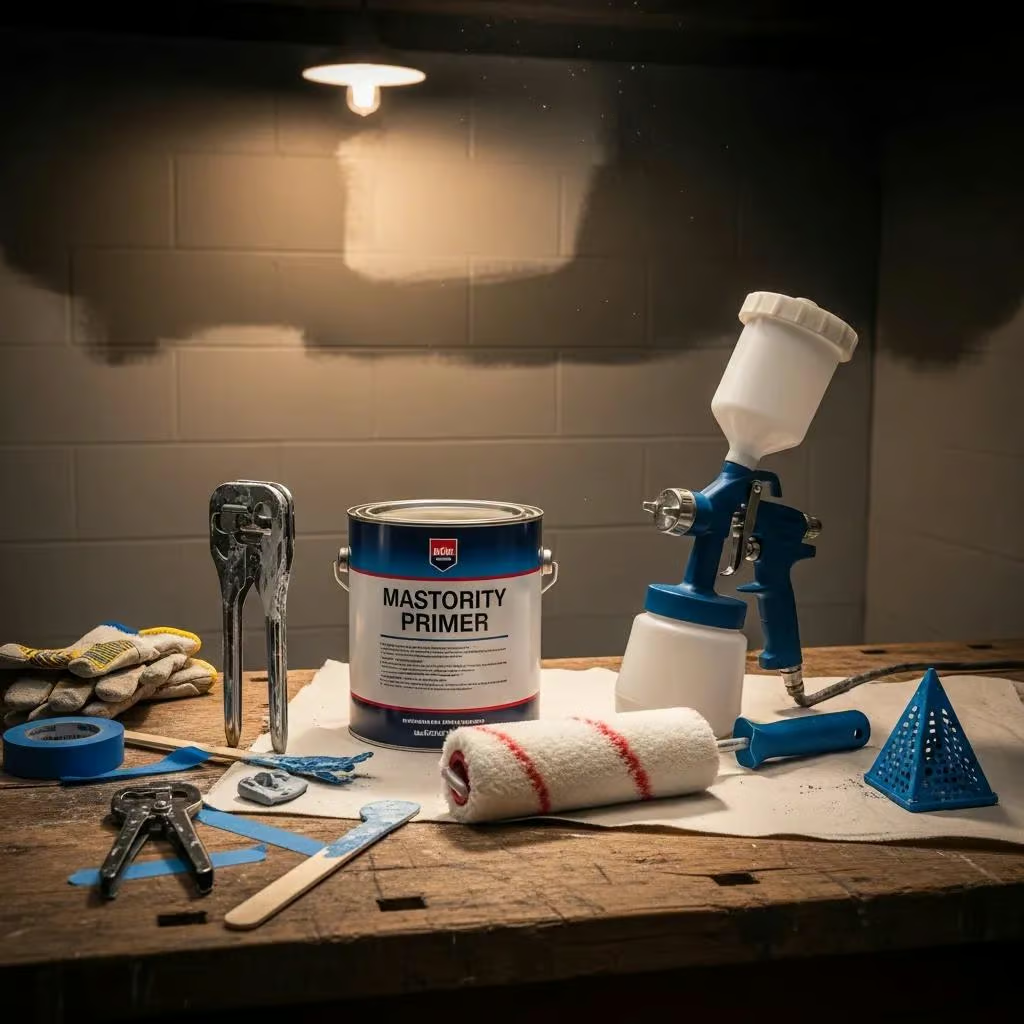
To ensure a professional finish on your basement walls, consider using the following tools:
- Masonry Primer: This is essential for sealing porous surfaces and improving paint adhesion.
- Paint Sprayer: A sprayer can provide an even coat and save time, especially for larger areas.
- Medium Nap Roller: This tool is ideal for applying paint to textured surfaces, ensuring good coverage.
These tools will help you achieve a smooth and even application, enhancing the overall appearance of your painted basement.
What Painting Techniques Improve Durability and Coverage?
Employing effective painting techniques can significantly improve the durability and coverage of your basement walls. Consider these techniques:
- Use of Roof Coatings: Applying a “roof coating” can enhance moisture resistance and durability.
- Proper Application Methods: Techniques such as back-rolling after spraying can help ensure even coverage and better adhesion.
By mastering these techniques, you can enhance the longevity of your paint job and maintain a beautiful basement environment.
How Can You Maintain and Extend the Longevity of Basement Paint?
Maintaining your painted basement walls is crucial for extending their lifespan and keeping them looking fresh. Regular maintenance practices can help you identify and address issues before they escalate.
What Are Best Practices for Inspecting and Touching Up Basement Walls?
Best practices for inspecting and touching up basement walls include:
- Frequency of Inspections: Regularly check for signs of wear, moisture, or damage, ideally every six months.
- Touch-Up Methods: Use the same paint for touch-ups to ensure color consistency and blend seamlessly with the existing paint.
These practices will help you maintain the integrity of your painted surfaces and prevent costly repairs in the future.
How Does Ongoing Moisture Monitoring Protect Painted Surfaces?
Ongoing moisture monitoring is essential for protecting painted surfaces in basements. Implementing the following strategies can help:
- Preventing Paint Peeling: Regularly check humidity levels and address any moisture issues promptly to prevent paint from peeling.
- Addressing Moisture Issues: If you notice signs of moisture, such as damp spots or mold, take immediate action to resolve the problem.
By staying vigilant about moisture levels, you can protect your investment and ensure the longevity of your basement paint.
How Does Basement Painting Relate to Overall Property Maintenance and Roofing Services?
Basement painting is an integral part of overall property maintenance, particularly in relation to “roofing services”. Understanding this connection can help homeowners make informed decisions about their property care.
Why Is Moisture Management Critical for Both Basements and Roofs?
Moisture management is critical for both basements and roofs because:
- Preventing Structural Damage: Excess moisture can lead to significant structural issues in both areas, compromising the integrity of the home.
- Long-Term Maintenance Benefits: Proper moisture management can extend the lifespan of both roofing and basement finishes, reducing the need for costly repairs.
By recognizing the importance of moisture management, homeowners can take proactive steps to protect their properties.
When Should You Consult Roofing Experts for Basement Moisture Issues?
Consulting roofing experts for basement moisture issues is advisable when:
- Signs of Moisture Problems: If you notice persistent dampness or mold growth, it may indicate a roofing issue that needs professional assessment.
- Benefits of Consulting Experts: Experts can provide tailored solutions to address moisture problems effectively, ensuring the long-term health of your home.
Engaging with professionals can provide valuable insights and solutions for maintaining both your basement and roofing systems.


