
What Makes a Complete Roofing System Superior
By Baker Roofing and Construction Editorial Team · Updated 2026-09-01
Roofing system quality depends on material durability, proper component compatibility, and installation craftsmanship working together as one unit rather than separate parts. For over 23 years, Baker Roofing & Construction has been Dallas’ best roofing, storm restoration, and general contracting company. The team evaluates shingles, underlayment, flashing, and ventilation as an integrated system to deliver long-term performance, storm resistance, and stronger warranty protection for homeowners and commercial property owners alike.
Key Takeaways
-
Metal roofing reduces energy costs by up to 40%, making it the most efficient option available.
-
EPA and U.S. Department of Energy studies consistently identify metal roofing as top-performing material.
-
Roofing systems must withstand regional weather demands like heavy snow, rain, and strong winds.
-
Complete roof systems protect homes, improve energy efficiency, and enhance curb appeal simultaneously.
What Really Separates a Superior Roofing System?
Compatibility separates a superior roof from an average one, but compatibility is only part of the equation. The quality of the individual materials matters just as much. A complete roofing system performs only as well as its weakest connected part. Every layer depends on the next to shed water, manage heat and moisture, resist wind, and protect the structure below.
Roofing systems vary significantly from one manufacturer and design to another, which explains why two roofs that look almost identical from the street can perform very differently over time. The difference may be hidden in the shingle construction, underlayment, starter course, ventilation, flashing, fasteners, ridge protection, or the way those components were designed to work together.
It is also important to understand that choosing a reputable manufacturer does not automatically mean every product they offer is equal. Owens Corning, for example, is one of the most recognized roofing manufacturers in the industry, but there are still different levels of shingles and roofing components within the Owens Corning product line. A homeowner choosing an entry level architectural shingle is not necessarily buying the same roof as someone selecting one of the manufacturer’s upgraded or premium systems.
Higher quality shingles may incorporate heavier construction, more advanced reinforcement in critical fastening areas, improved wind performance, upgraded granule technology, enhanced impact resistant options, and more dimensional profiles. Premium products may also offer richer color blends and a heavier appearance that can noticeably change the finished look of the home.
The same principle applies below the shingles. Synthetic underlayment, ice and water protection in vulnerable areas, properly designed starter shingles, compatible ridge cap shingles, quality flashing materials, and correctly balanced ventilation all contribute to the overall performance of the roof. Installing an expensive shingle over inexpensive or poorly selected supporting components does not create a premium roofing system.
Installation quality remains equally important. Even the best roofing materials available can fail prematurely when nail placement is inconsistent, flashing is reused incorrectly, ventilation is inadequate, or manufacturer installation requirements are ignored. A superior roofing system combines quality materials, compatible components, and experienced installation rather than relying on the brand name printed on the shingle wrapper.
Property owners in Dallas-Fort Worth often compare price first and materials second. That order gets the value question backward. The stronger approach starts with the roofing system components, the specific product level being proposed, and how those materials work together.
When comparing roofing estimates, do not simply ask, “What brand of shingle are you installing?” Ask which specific shingle line is being used, what underlayment is included, what starter and ridge products are being installed, how valleys and penetrations will be protected, what ventilation changes are recommended, and whether the complete assembly follows the manufacturer’s roofing system specifications.
Two contractors can both say they are installing an Owens Corning roof while actually proposing two very different roofing systems. Understanding those differences is where a homeowner begins to see the real value behind the price.
What Components Make Up a Complete Roofing System?
When homeowners think about a roof replacement, shingles usually get most of the attention. In reality, shingles are only one part of the system protecting your home.
A complete roofing system includes the roof deck, moisture protection, flashing, ventilation, edge protection, shingles, and several smaller components that all have to work together. This becomes especially important in Dallas-Fort Worth, where a roof may face severe thunderstorms, hail, high winds, intense summer heat, and sudden temperature changes over its service life.
Here are the major roofing system components we look at when evaluating a roof replacement.
• Roof decking: The decking, typically plywood or OSB, provides the structural surface that the roofing materials attach to. Soft, rotted, delaminated, or damaged decking should be addressed before a new roof is installed. Covering bad decking with new shingles does not fix the underlying problem.
• Roof underlayment: Underlayment is installed over the roof deck and beneath the shingles. It provides an additional layer of protection if wind driven rain gets past the shingles or while the roof is exposed during installation. Modern synthetic underlayments are commonly used because they offer good tear resistance and hold up well during installation.
• Ice and water shield or leak barrier: Despite the name, this material is useful for much more than ice. It is a self adhering waterproof membrane commonly used in areas where water intrusion is more likely, such as valleys, roof transitions, penetrations, and other vulnerable sections of the roof. On complicated Dallas roofs with multiple valleys, walls, dormers, and penetrations, these details can be especially important.
• Drip edge: Drip edge is the metal installed around the perimeter of the roof. Its job is to help direct water away from the roof deck and fascia rather than allowing water to work underneath the edge of the roofing system.
• Starter shingles: Starter shingles are installed along the roof edges before the main shingles. They provide the proper starting course and include an adhesive strip that helps secure shingles at areas that can be particularly vulnerable to wind uplift.
• Field shingles: These are the shingles covering the majority of the roof. This is where product quality can make a noticeable difference. Architectural shingles vary in construction, reinforcement, wind performance, impact resistance, granule technology, appearance, and warranty options. Even within a respected manufacturer such as Owens Corning, there are different product levels designed for different budgets and performance expectations.
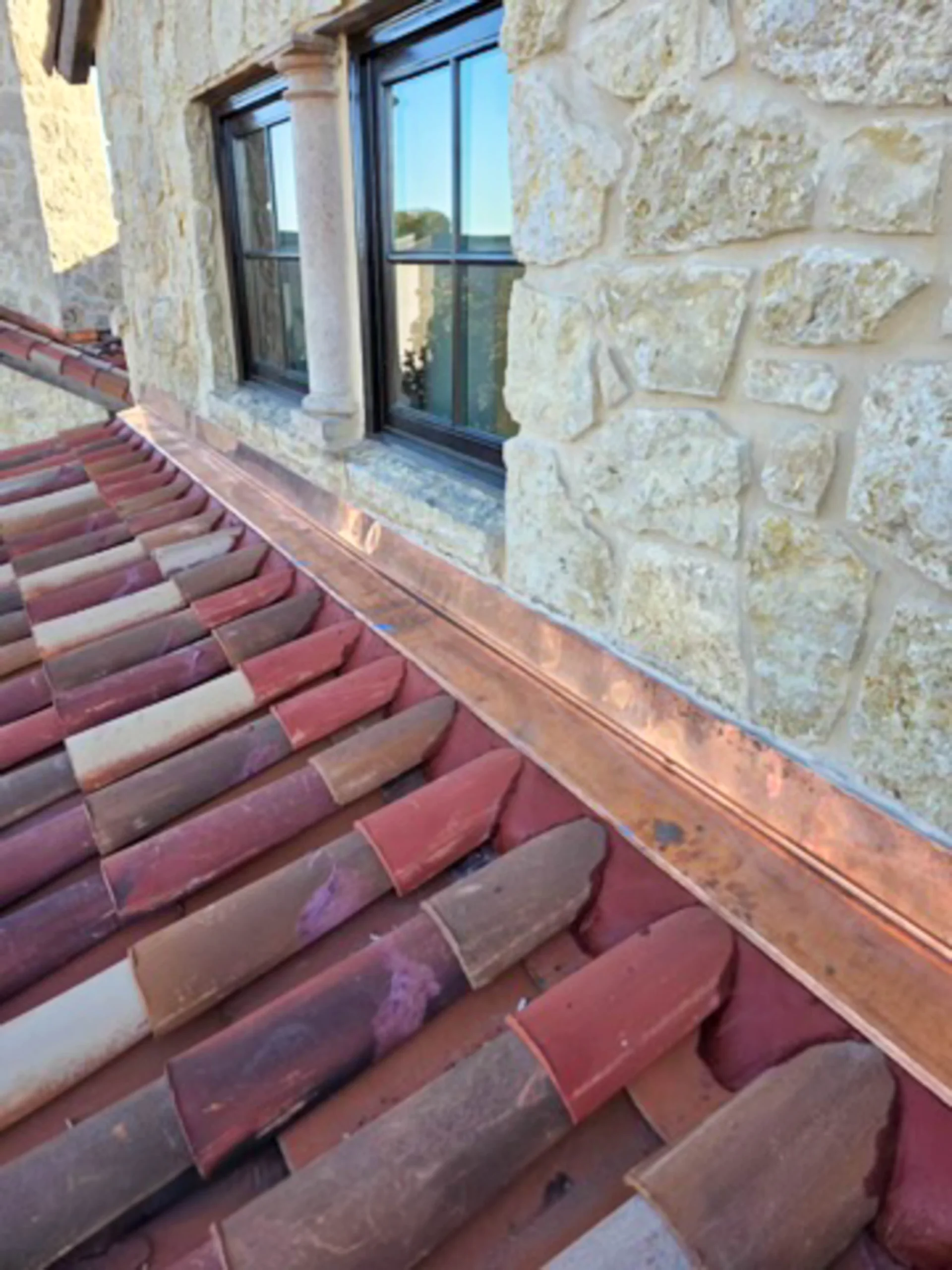
• Roof flashing: Flashing protects the transitions where shingles alone cannot reliably keep water out. This includes chimneys, walls, valleys, skylights, roof intersections, and other changes in the roof structure. Flashing is one of the details we pay close attention to because many roof leaks develop around transitions and penetrations rather than in the middle of an open shingle field.
• Pipe boots and roof penetrations: Plumbing vents, exhaust vents, and other penetrations create openings through the roofing system. Each one needs a properly fitted flashing component and appropriate sealing so water is directed around the opening rather than into the roof assembly.
• Ridge cap shingles: Hips and ridges require shingles specifically designed to cover the point where roof planes meet. Using a manufacturer approved ridge cap also gives the roof a cleaner finished appearance and helps maintain a consistent roofing system.
• Roof ventilation: A roof also has to manage what is happening underneath it. Proper attic intake and exhaust ventilation helps move heat and moisture out of the attic. In the North Texas summer, where attic temperatures can become extreme, ventilation should be evaluated as part of the roof system rather than treated as an afterthought.
• Fasteners and sealants: Roofing nails, flashing fasteners, adhesives, and sealants are small components with a large responsibility. Correct nail placement, proper penetration into the decking, and the right sealant in the right locations all affect how the roof performs once it is exposed to wind and weather.
The important point is that a quality roof replacement is not simply new shingles installed on top of a house. It is a complete water-shedding and weather protection system.
That is also why two Dallas roofing estimates can include the same shingle manufacturer and still represent very different levels of quality. One proposal may include upgraded underlayment, new flashing, proper starter shingles, manufacturer matched ridge caps, leak protection in vulnerable areas, and ventilation improvements. Another may focus almost entirely on the shingle itself.
When comparing roofing contractors in Dallas-Fort Worth, homeowners should ask exactly what is included in the roofing system, not simply which brand of shingle will be installed. The materials you cannot easily see from the ground often play just as important a role in the long-term performance of the roof as the shingles you can.
Why does contractor experience matter for system quality?
Longevity on the job signals consistency in workmanship. Baker Roofing and Construction has served the Dallas market for more than two decades, handling roof repairs, full replacements, and remodeling work from a Dallas, TX headquarters. That range of experience across storm restoration and general contracting builds the kind of judgment that catches component mismatches before they become leaks.
What roof types use these components differently?
Asphalt shingles, metal roofing, tile, and apartment roofing systems all rely on the same basic principles of layered protection, but the materials, flashing details, fastening methods, and underlayment requirements can vary significantly from one system to another.
An asphalt shingle roof may use synthetic underlayment, starter shingles, field shingles, ridge caps, flashing, and ventilation as a coordinated system. Tile roofing often requires more substantial underlayment, different flashing details, specialized fastening methods, and additional consideration for the weight of the roof covering.
Metal roofing has its own set of requirements, especially in Texas. During a Dallas summer, metal roof panels can reach extremely high surface temperatures. Because of that heat, any self-adhering ice and water shield or leak barrier installed beneath the metal should be a high-temperature membrane specifically rated for use under metal roofing.
Standard ice and water membranes are not always designed for the temperatures that can develop beneath metal panels. Excessive heat can soften lower temperature asphalt based membranes, potentially causing the adhesive to move, bleed, or deteriorate over time. A high-temperature membrane is designed to remain stable under those elevated conditions and is an important detail when building a quality metal roofing system in Dallas-Fort Worth.
The flashing requirements are also different. Standing seam metal roofing, tile roofing, and asphalt shingles each handle valleys, walls, chimneys, penetrations, and roof transitions differently. Using the wrong flashing detail or trying to apply a shingle roofing method to a metal or tile roof can create problems even when the primary roofing material itself is high quality.
Apartment and multifamily roofing can add another layer of complexity. Larger roof areas, multiple drainage paths, penetrations, mechanical equipment, low slope sections, and transitions between different roofing materials all require careful planning. These projects often demand a broader understanding of drainage, flashing, ventilation, and long-term maintenance than a typical single-family roof.
This is why Dallas roofing experience matters. A contractor should not approach every roof with the same materials and installation details. The roofing system should be designed around the specific roof type, the structure underneath it, and the conditions it will face in North Texas.
Whether the project involves shingles, metal, tile, or a larger apartment roofing system, the goal is the same: every layer should be compatible, properly installed, and selected for the environment in which it will perform.
Why does component quality matter more than the shingle brand alone?
A shingle is only as reliable as the roofing system beneath and around it. Even a premium architectural shingle can underperform if it is installed over weak underlayment, deteriorated decking, poorly designed flashing, missing starter shingles, or inadequate ventilation.
That is why comparing roofing estimates by shingle brand alone can be misleading. Two Dallas roofing contractors may both quote a well known manufacturer, but the finished roofs can be very different depending on the quality of the supporting materials and how those components are installed.
Underlayment provides secondary moisture protection. Starter shingles help secure vulnerable roof edges against wind uplift. Flashing protects chimneys, walls, valleys, and penetrations where leaks are most likely to develop. Ridge caps protect the highest transitions on the roof, while proper ventilation helps manage attic heat and moisture.
Each of these components has to perform its job for the entire system to work properly.
This is especially important in Dallas-Fort Worth, where roofing systems are exposed to hail, strong winds, intense summer heat, and severe thunderstorms. Material selection should account for those conditions rather than simply meeting the minimum requirements needed to install a new roof.
The same principle applies during roof repair. A successful Dallas roof repair should address the source of the failure, not just the visible symptom. Replacing a damaged shingle without correcting compromised flashing, underlayment, decking, or a failed penetration can leave the underlying problem in place.
Baker Roofing and Construction approaches roofing as a complete system rather than a single product. As a full-service Dallas roofing and construction company, Baker Roofing and Construction handles roofing, roof repair, gutters, windows, siding, and other exterior components that often interact with the roofing system.
That broader construction experience matters because roof problems do not always stop at the shingles. Water intrusion can involve flashing, siding, fascia, windows, decking, insulation, or interior finishes. Understanding how those components work together allows the problem to be evaluated as part of the structure rather than as an isolated roofing issue.
The best roofing system is not simply the one with the most recognizable shingle brand. It is the one built with quality components, proper installation, and materials selected to work together in the conditions the roof will actually face.
Which Roofing Materials Deliver the Best Long-Term Value?
Metal roofing delivers the strongest long-term return among common material choices, cutting energy costs by as much as 40% for many properties. That figure comes from federal-level research, not marketing claims. The EPA and the U.S. Department of Energy both identify metal as one of the most energy-efficient roofing materials on the market today. For Dallas-Fort Worth property owners comparing bids, that efficiency data matters as much as upfront price.
Does metal roofing really save money over time?
Lower cooling costs add up fast in North Texas summers, where roofs absorb months of intense heat. A 40% reduction in energy spending compounds year after year, often offsetting a higher material cost within a reasonable ownership period. Property owners weighing a roof replacement proposal comparison should treat energy performance as a line item, not an afterthought.
What separates a good material choice from a great one?
Longevity depends on more than the shingle or panel alone. Every complete roofing system performs only as well as its weakest roofing system components, including the roof underlayment, ice and water shield leak barrier, roof flashing replacement details, and starter shingles along the eaves.
Materials commonly compared by DFW homeowners include:
-
Metal panels — top-tier energy efficiency, long service life
-
Architectural asphalt shingles — widely used, cost-effective, backed by manufacturer warranties
-
Tile and specialty systems — durable but heavier, requiring structural review
Baker Roofing and Construction is a well-established name in the Dallas-Fort Worth area, providing a wide range of reliable roofing and construction services for residential and commercial clients across the Metroplex. The company goes beyond roofing alone, taking on broader construction work that supports long-term property value beyond the shingle line.
How Should You Compare Competing Roof Replacement Proposals?
Line items reveal more than price tags. A proposal that lists every material, warranty term, and labor step gives property owners a genuine basis for comparison. A one-page quote with a lump sum does not. Comparing bids demands attention to what each contractor promises to install, not just what each contractor promises to charge.
Durability separates a strong proposal from a weak one. Superior roofing choices weigh complete roofing system performance across four factors: durability, storm resistance, energy efficiency, and long-term protection. A roof engineered around these priorities withstands high winds, extreme heat, humidity, and heavy rain, and that resilience can lower insurance premiums over time.
What should a detailed roofing estimate include?
A thorough estimate breaks down every layer of the roofing system components, not just shingle brand and color. Expect line items for the roof underlayment, an ice and water shield leak barrier at vulnerable areas, roof flashing replacement around penetrations, and starter shingles along the eaves. Proposals missing these details often hide gaps that shorten roof life.
Why do proposal totals vary so widely between contractors?
Totals shift based on material grade, warranty length, and whether flashing and underlayment get replaced or reused. A roof replacement proposal comparison should account for scope, not just sticker price.
Baker Roofing and Construction, an [Owens Corning Preferred Contractor, Dallas](https://baker-roofing.com/residential-roofing-services/owens-corning-preferred-contractor/) homeowners can verify directly, applies the same A+ standard of service delivered to thousands of prior customers. Property owners weighing multiple bids can request a free estimate through the company’s online Roof Replacement Calculator, which generates results in under a minute, with no obligation.
Why Does Local Expertise and Certification Matter Most?
Local expertise separates a contractor who understands Dallas-Fort Worth weather patterns from one guessing at regional needs. Baker Roofing and Construction operates out of Dallas, TX, giving every proposal a grounding in the market conditions that shape roof performance here. Homeowners and property managers comparing bids gain a real advantage when the company assessing their complete roofing system has worked in the same neighborhoods, dealt with the same storm patterns, and stood behind the same warranties year after year.
Baker Roofing and Construction backs up its local reputation with free roof inspections for potential clients before any contract is signed. That inspection gives property owners a chance to evaluate roofing system components firsthand and ask questions before committing.
What does the company’s reputation say about its work?
Reputation within the community reflects the values driving Baker Roofing and Construction’s commitment to excellence. Property owners researching contractors can weigh that standing alongside technical credentials when comparing multiple estimates.
Why compare local reputation against out-of-town bidders?
A contractor rooted in the DFW community answers for its work long after the crew leaves. Consider these advantages when reviewing bids:
-
Familiarity with local permitting and inspection processes
-
Direct accountability tied to a fixed local presence
-
Community reputation built over repeated projects, not one-off jobs
Property owners weighing a roof replacement proposal comparison should treat local standing as a decision factor, not an afterthought.
FAQ
What makes one roofing system perform better than another?
Compatibility among layers determines performance more than any single material choice. A superior system relies on underlayment, flashing, ventilation, and shingles working together. The roof performs only as well as its weakest connected part.
Which components must a complete roofing system include?
A complete system includes roof underlayment, an ice and water shield leak barrier, roof flashing, and starter shingles. Skipping any one of these interdependent layers weakens the entire assembly, regardless of shingle quality.
Why does contractor experience affect roofing system quality?
Experienced contractors catch component mismatches before they become leaks. Baker Roofing and Construction has served the Dallas market for more than two decades, handling repairs, replacements, and remodeling from its Dallas, TX headquarters.
Conclusion
In closing, the best roofing system combines durability, proper installation, and long-term value for your specific climate and budget. Quality materials paired with expert craftsmanship ensure your roof withstands weather challenges and protects your investment for years. When evaluating roofing options, prioritize contractor credentials, warranty coverage, and proven performance in your region. A trustworthy partner guides you through the selection process and stands behind the work, delivering the reliability your home or business deserves.


