
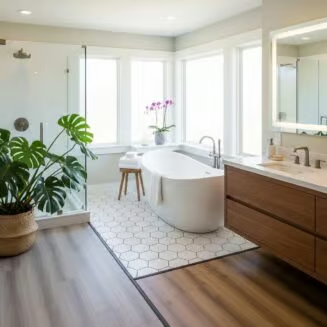
Bathroom Flooring Options: Comprehensive Guide to Pros, Cons, and Installation Costs
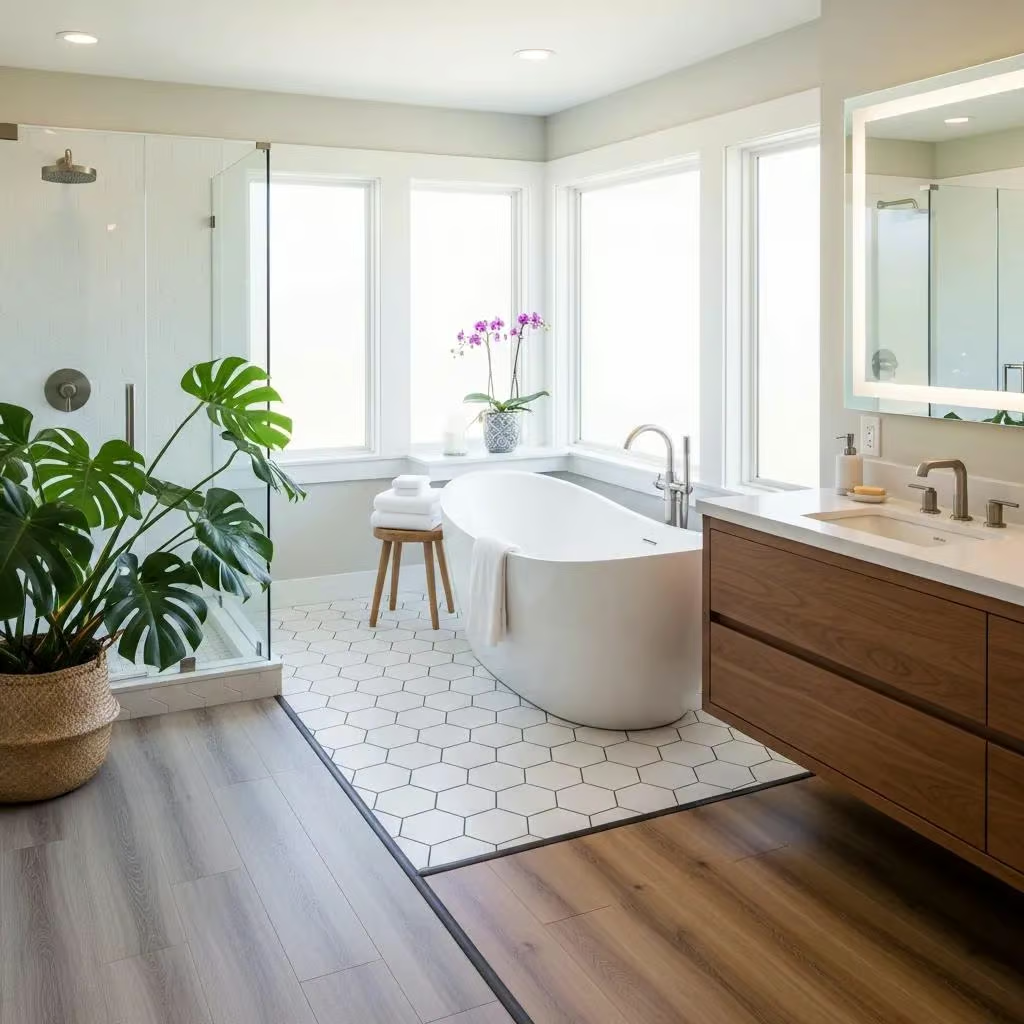
Choosing the right flooring for your bathroom is crucial, as it must withstand moisture while providing durability and aesthetic appeal. This comprehensive guide explores various bathroom flooring options, detailing their pros, cons, and associated costs. Readers will learn about the best materials for durability and waterproofing, the installation costs involved, and maintenance requirements for different flooring types. Additionally, we will discuss the latest innovations and eco-friendly trends in bathroom flooring, ensuring you make an informed decision for your next remodel. Understanding these factors can help alleviate concerns about water damage and maintenance, leading to a more enjoyable and functional bathroom space.
What Are the Best Bathroom Floor Materials for Durability and Waterproofing?
When selecting bathroom flooring, durability and waterproofing are paramount. The best materials for these criteria include vinyl, tile, laminate, and certain types of hardwood flooring. Each material offers unique benefits and drawbacks, making it essential to consider your specific needs and preferences.
How Does Vinyl Flooring Perform in Bathroom Environments?
Vinyl flooring is a popular choice for bathrooms due to its excellent water resistance and durability. It is available in various styles, including sheets, tiles, and planks, making it versatile for different design preferences. Vinyl is also cost-effective, often priced lower than other flooring options, which makes it an attractive choice for budget-conscious homeowners. However, while vinyl is resistant to moisture, it can be susceptible to scratches and dents if not properly maintained.
What Are the Advantages and Disadvantages of Bathroom Floor Tile Options?
Tile flooring is another excellent option for bathrooms, known for its aesthetic appeal and durability. Ceramic and porcelain tiles are particularly popular due to their water resistance and variety of designs. The advantages of tile include its longevity and ease of cleaning, making it a practical choice for high-traffic areas. However, tile can be cold underfoot and may require grout maintenance to prevent mold and mildew buildup. Additionally, the installation process can be labor-intensive and costly, which is a consideration for homeowners.
How Much Does Bathroom Flooring Installation Cost?
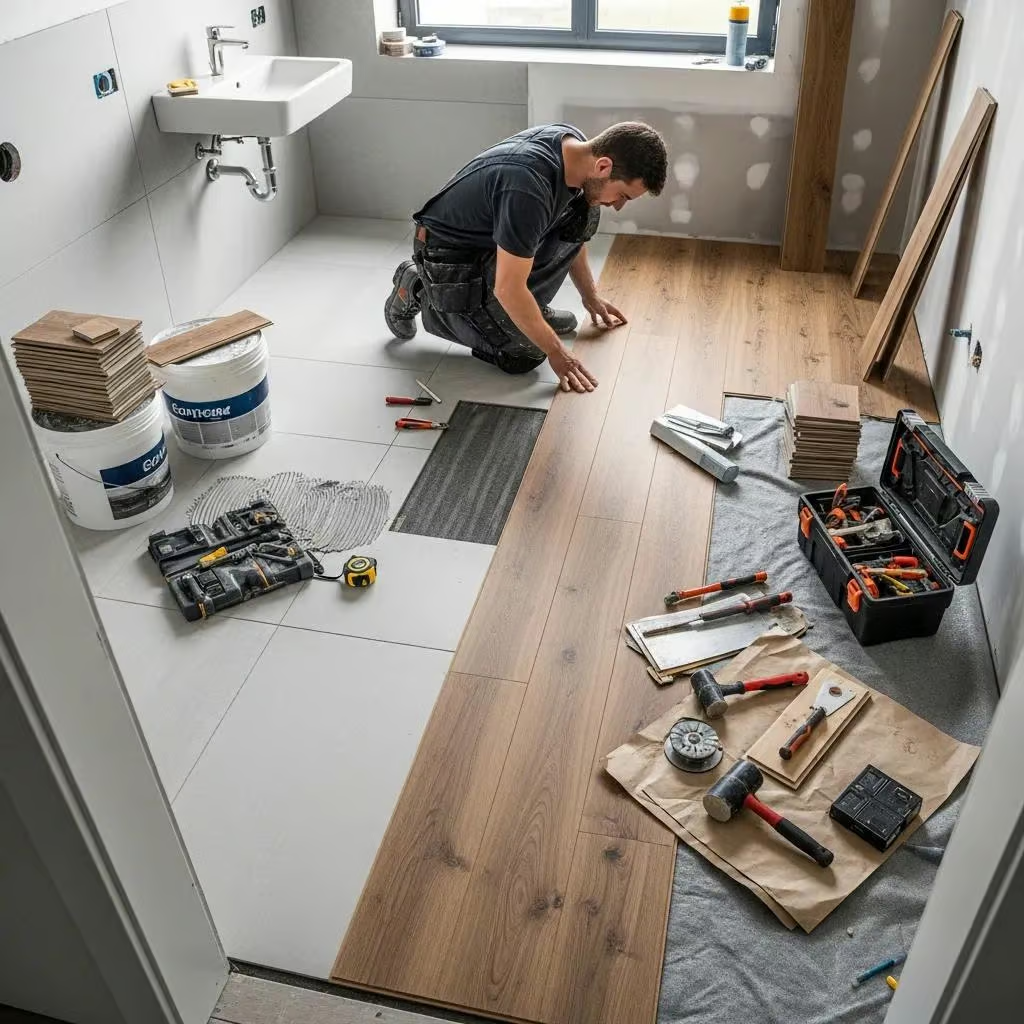
The cost of installing bathroom flooring can vary significantly based on the material chosen and the complexity of the installation. For a master bathroom, costs can start as low as $5 to $12 per square foot for a basic finish and go up to $15 to $30 for a higher-end finish. A hall bathroom typically ranges from $3 to $10 per square foot, while a half bath costs around $6 to $15 per square foot.
What Factors Influence the Cost of Bathroom Floor Installation?
Several factors can influence the overall cost of bathroom floor installation, including:
- Type of Bathroom: The size and layout of the bathroom can affect material and labor costs.
- Quality of Finishes: Higher-quality materials and finishes will increase the overall price.
- Size of the Bathroom: Larger bathrooms require more materials and labor, impacting the total cost.
How to Budget for Bathroom Flooring: Cost Comparisons by Material Type
When budgeting for bathroom flooring, it’s essential to compare costs across different materials. Here’s a breakdown of average costs for popular flooring options:
- Vinyl Flooring: Typically ranges from $2 to $7 per square foot, making it one of the most affordable options.
- Tile Flooring: Costs can range from $5 to $15 per square foot, depending on the type and quality of the tile.
- Laminate Flooring: Generally priced between $1 to $5 per square foot, laminate offers a budget-friendly alternative with a wood-like appearance.
Understanding these costs can help you allocate your budget effectively and choose the best flooring option for your needs.
Which Waterproof Bathroom Flooring Solutions Offer the Best Longevity?
Selecting waterproof flooring solutions that offer longevity is crucial for maintaining a functional and attractive bathroom. Some of the most reliable waterproof flooring materials include luxury vinyl, porcelain tile, and certain types of laminate.
What Are the Most Reliable Waterproof Flooring Materials for Bathrooms?
Luxury vinyl is highly regarded for its waterproof properties and durability, making it an ideal choice for bathrooms. Porcelain tile is another excellent option, as it is dense and less porous than ceramic tile, providing superior water resistance. Additionally, some laminate flooring products are designed specifically for wet areas, featuring waterproof cores that prevent damage from moisture.
How Does Proper Installation Enhance Bathroom Floor Waterproofing?
Proper installation is vital for enhancing the waterproofing capabilities of bathroom flooring. Techniques such as sealing grout lines in tile installations and ensuring that vinyl seams are tightly adhered can prevent water infiltration. Additionally, hiring experienced professionals for installation can help avoid common mistakes that compromise waterproofing, ensuring your bathroom floor remains in excellent condition for years to come.
What Are the Maintenance Requirements for Different Bathroom Flooring Types?
Maintaining your bathroom flooring is essential for prolonging its lifespan and appearance. Different flooring types have varying maintenance needs, which should be considered when making your selection.
How to Maintain Vinyl and Laminate Bathroom Floors Effectively
Vinyl and laminate floors are relatively low-maintenance. Regular sweeping and mopping with a gentle cleaner can keep these surfaces looking new. It’s important to avoid harsh chemicals that can damage the finish. Additionally, placing mats at entry points can help reduce dirt and moisture exposure.
What Are the Cleaning and Repair Considerations for Bathroom Floor Tiles?
Tile flooring requires specific cleaning and maintenance practices to prevent mold and mildew. Regularly cleaning grout lines with a suitable cleaner can help maintain their appearance. For repairs, replacing individual tiles is often straightforward, but it may require professional assistance for larger areas or intricate designs.
What Are the Latest Innovations and Eco-Friendly Trends in Bathroom Flooring?
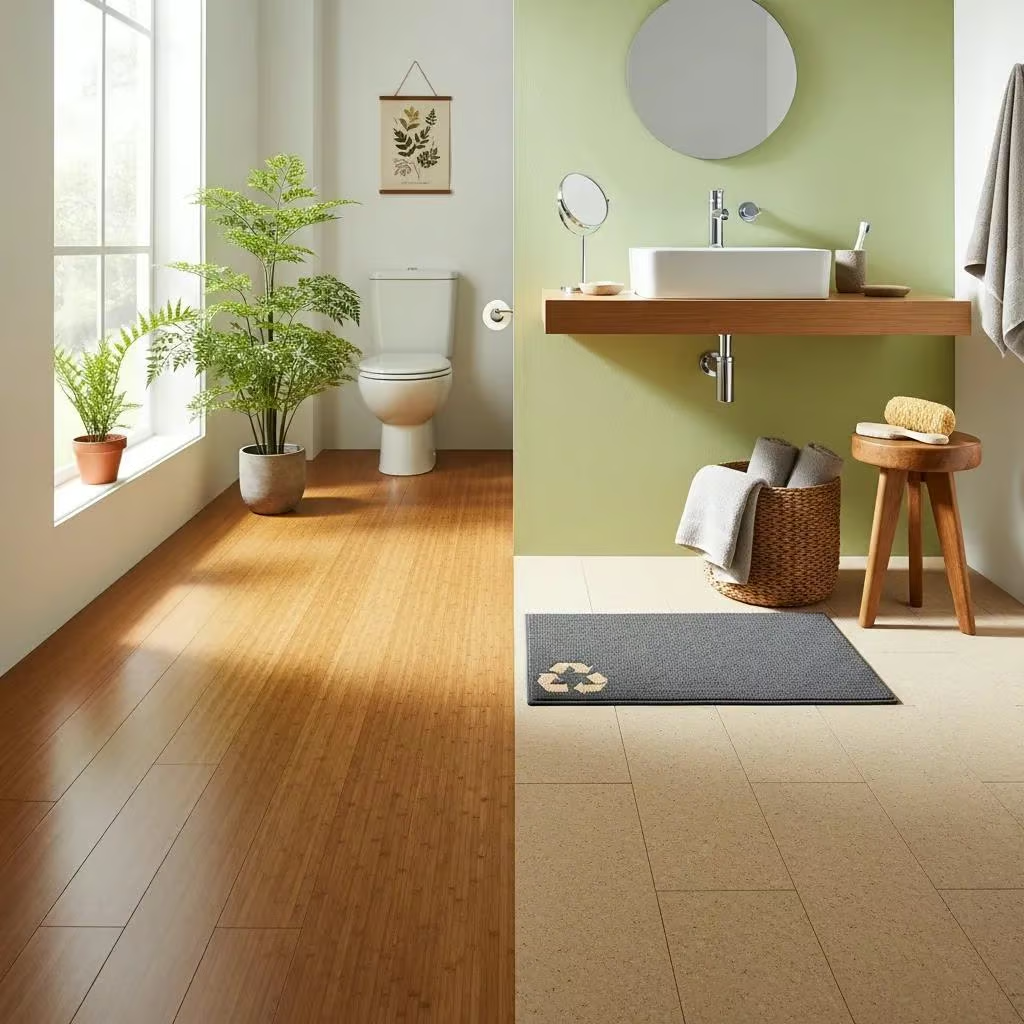
As sustainability becomes increasingly important, many homeowners are seeking eco-friendly flooring options. Innovations in materials and design are making it easier to find sustainable choices that do not compromise on style or performance.
How Do Heated Bathroom Floors Improve Comfort and Efficiency?
Heated bathroom floors are gaining popularity for their comfort and energy efficiency. These systems provide warmth during colder months, enhancing the overall bathroom experience. Additionally, they can be more energy-efficient than traditional heating methods, making them an attractive option for modern bathrooms.
What Eco-Friendly Bathroom Flooring Options Are Available in 2024-2026?
Several eco-friendly flooring options are emerging in the market, including bamboo, cork, and recycled materials. Bamboo is a rapidly renewable resource that offers durability and moisture resistance. Cork, harvested from the bark of cork oak trees, provides natural insulation and is biodegradable. Recycled materials, such as tiles made from reclaimed glass or plastic, are also gaining traction for their sustainability and unique aesthetic appeal.


