

How to Paint a Brick House Exterior: Complete Guide
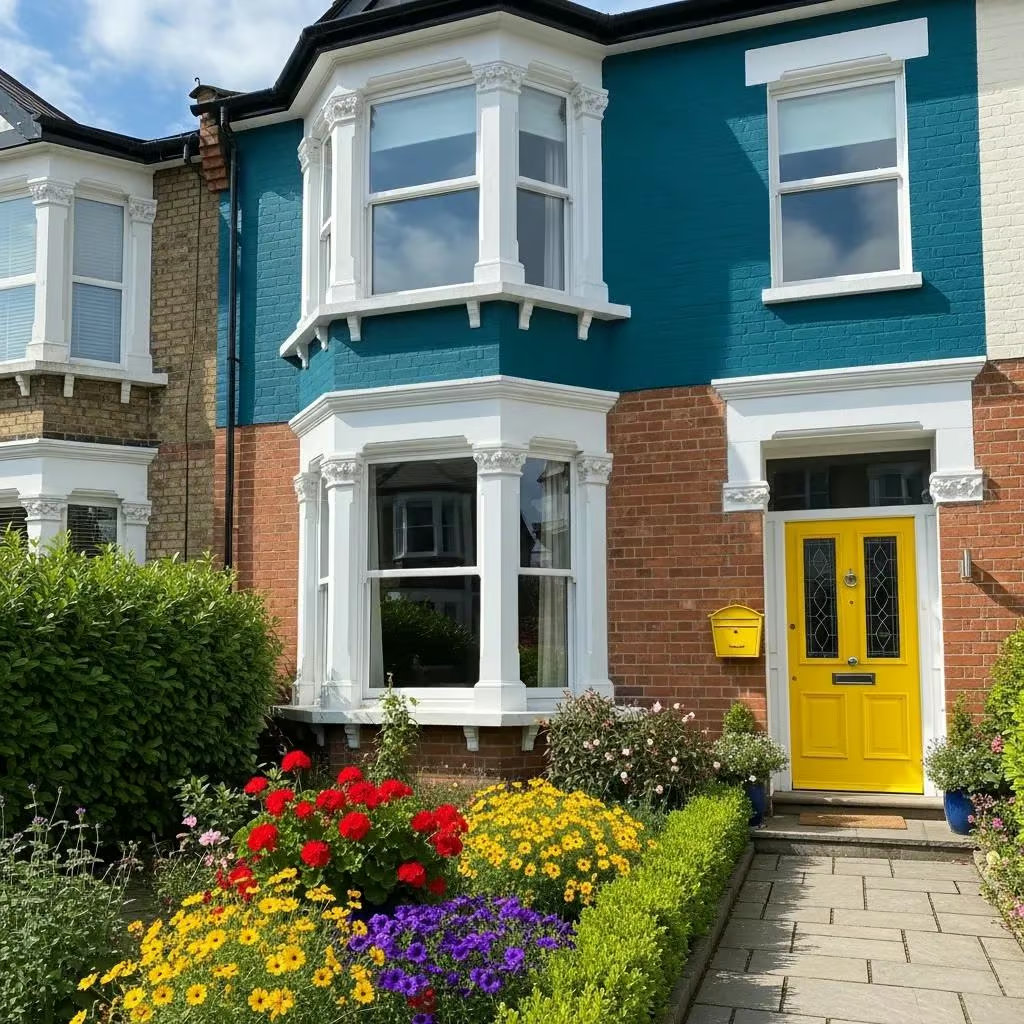
How to Paint Your Brick House: A Professional Guide
Painting a brick house exterior can significantly enhance its aesthetic appeal and protect it from the elements. This comprehensive guide will walk you through the essential steps of preparing, painting, and maintaining your brick surfaces. Many homeowners struggle with the intricacies of painting brick, often leading to unsatisfactory results or premature wear. By following this guide, you will learn how to achieve a professional finish that not only looks great but also lasts longer. We will cover the preparation process, the best paint types and colors, recommended techniques and tools, maintenance tips, cost considerations, and how painting complements roofing and home maintenance.
What Are the Essential Steps to Prepare Brick Surfaces for Painting?
Preparing brick surfaces for painting is crucial to ensure a long-lasting finish. Proper preparation involves several key steps that create a suitable surface for paint adhesion and durability. The essential steps include cleaning the surface, protecting surrounding areas, priming the surface, and finally, applying the paint. Each of these steps plays a vital role in the overall success of your painting project.
How Do You Clean and Repair Brick Before Painting?
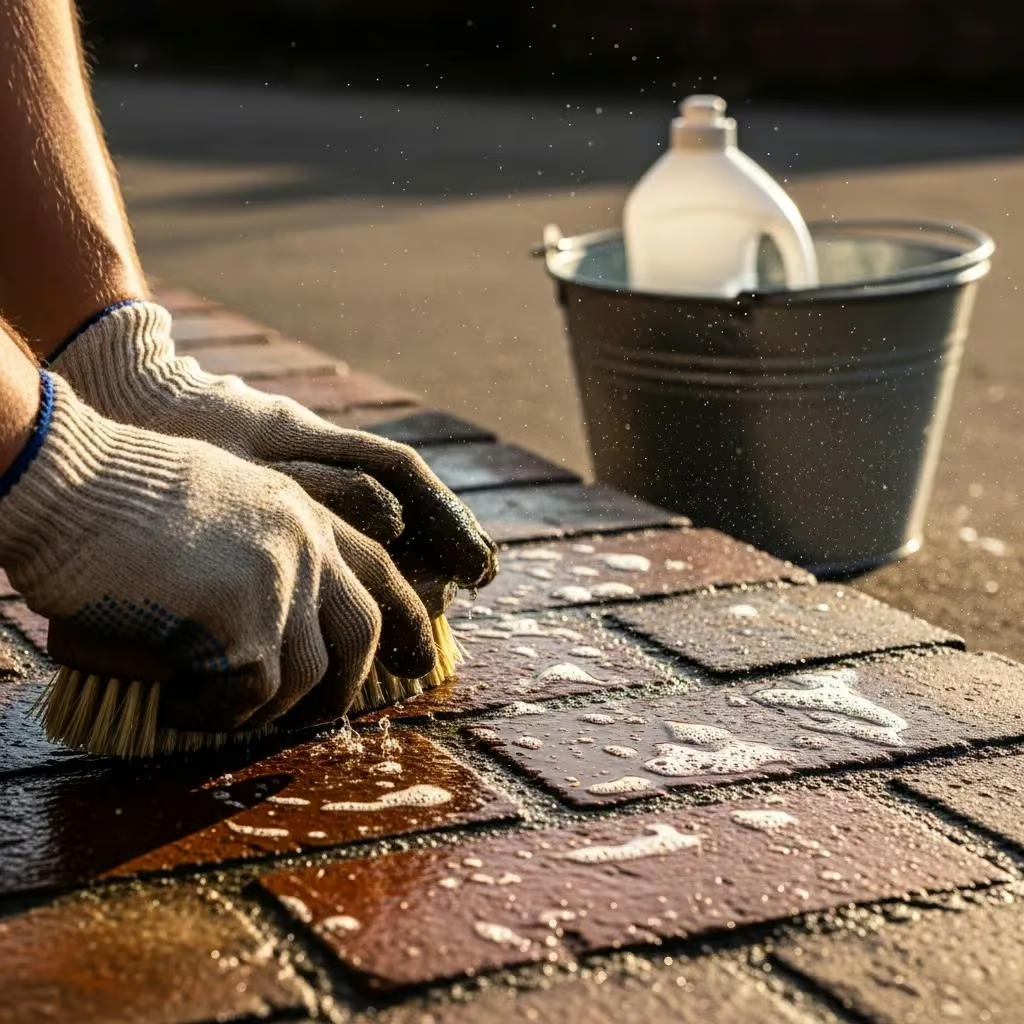
Cleaning and repairing brick surfaces is the first step in the preparation process. Start by scrubbing the brick with a stiff brush to remove dirt, soot, and any loose debris. For stubborn stains, a mixture of water and mild detergent can be used. It’s essential to protect areas that you do not want to paint, such as windows and doors, by covering them with painter’s tape or plastic sheeting. Additionally, fill any holes or cracks in the brick with appropriate materials, such as mortar or caulk, to create a smooth surface for painting.
Ensuring the cleaning process itself doesn’t harm the brick is paramount for long-term integrity.
Safe Cleaning Methods for Exterior Brick
A sequence of site and laboratory tests was performed to evaluate a method of cleaning that would not cause damage to the brick and would not increase the risk of future damage to the brick or mortar.
Evaluation of Cleaning Methods for the Exterior Brick Atthe Brooklyn Historical Society, 2003
Why Is Surface Preparation Critical for Paint Durability?
Surface preparation is critical for paint durability because it creates a bondable surface that minimizes the risk of peeling and chipping. A well-prepared surface enhances paint adhesion, ensuring that the paint adheres properly and lasts longer. By taking the time to clean and repair the brick, you significantly improve the longevity of the paint job, reducing the need for frequent touch-ups or repainting.
Which Paint Types and Colors Are Best Suited for Brick Exteriors?
Choosing the right paint type and color for your brick exterior is essential for achieving the desired look and ensuring durability. There are various paint types available, including latex, acrylic, and masonry-specific paints. Each type has its advantages, and selecting the right one can enhance the appearance and longevity of your paint job. Additionally, considering color choices that complement your home’s architecture can significantly enhance curb appeal.
What Are the Advantages of Different Paint Finishes for Brick?
Different paint finishes offer distinct advantages when painting brick. For instance, a matte finish can hide imperfections and provide a more natural look, while a satin or semi-gloss finish can enhance durability and make cleaning easier. Choosing the right finish depends on the desired aesthetic and the level of maintenance you are willing to undertake.
How to Choose Brick Exterior Paint Colors That Enhance Curb Appeal?
When selecting paint colors for your brick exterior, consider the overall style of your home and the surrounding environment. Neutral colors often work well with brick, allowing the texture to stand out, while bold colors can create a striking contrast. It’s also helpful to look at current trends in exterior colors to ensure your home remains stylish and appealing.
What Are the Recommended Techniques and Tools for Painting Brick Houses?
Using the right techniques and tools is essential for achieving a professional-looking paint job on brick surfaces. Various application methods, such as brushing, rolling, or spraying, can be employed depending on the size of the area and the desired finish. Each method has its pros and cons, and understanding these can help you choose the best approach for your project.
How to Apply Paint Using Brushes, Rollers, and Sprayers Effectively?
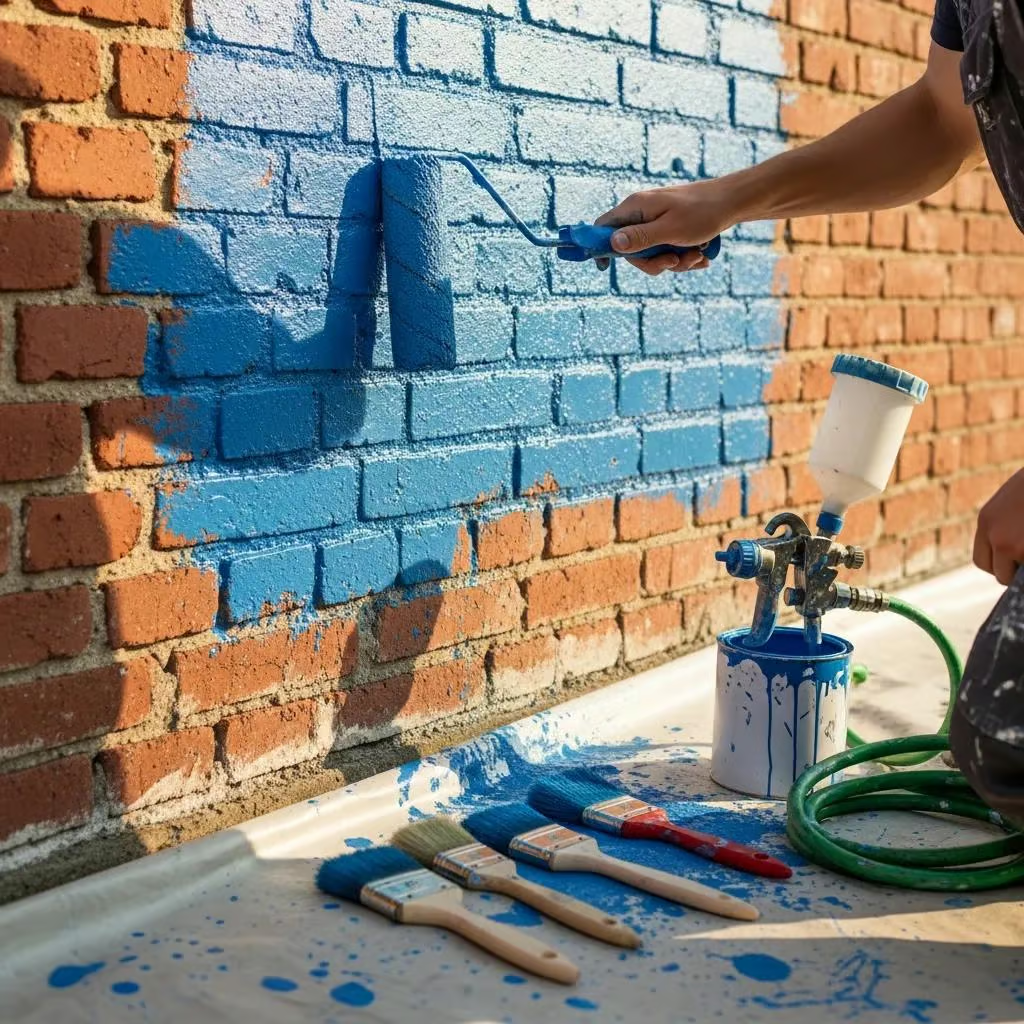
When applying paint to brick, using a combination of brushes, rollers, and sprayers can yield the best results. Brushes are ideal for getting into the crevices of the brick, while rollers can cover larger areas quickly. Sprayers can provide an even coat but require more preparation to protect surrounding areas. Whichever method you choose, ensure that you apply the paint evenly to avoid streaks and uneven coverage.
What Are Expert Tips for Achieving Even Coverage on Brick Surfaces?
To achieve even coverage on brick surfaces, start by applying a primer specifically designed for masonry. This step helps the paint adhere better and provides a uniform base. When painting, work in small sections and maintain a wet edge to prevent lap marks. Additionally, using a medium nap roller can help distribute the paint evenly across the textured surface of the brick.
Research consistently demonstrates the significant role of primer in enhancing the bond between paint and masonry.
Improving Paint Adhesion on Brick with Primer
In this work the attention was focused on the possible improvement of the bond between FRCM and masonry by means of an inorganic primer, which can be spread on the ceramic support before the application of FRCM reinforcement. Results obtained showed that, independently on the kind of brick used (more or less porous) the presence of an inorganic primer always improves bond between masonry support.
Experimental study of adhesion between FRCM and masonry support, V Corinaldesi, 2014
How Can You Maintain and Weatherproof Painted Brick Exteriors?
Maintaining and weatherproofing painted brick exteriors is crucial for prolonging the life of your paint job. Regular inspections and timely repairs can prevent minor issues from becoming major problems. Understanding how weather conditions affect painted brick can also help you take proactive measures to protect your investment.
What Maintenance Practices Extend the Life of Painted Brick?
To extend the life of painted brick, conduct regular inspections to check for signs of wear, such as peeling or fading. Clean the surfaces periodically with a gentle detergent and water to remove dirt and grime. If you notice any damage, address it promptly by touching up the paint or making necessary repairs to the brick.
How Do Weather Conditions Affect Painted Brick and How to Protect It?
Weather conditions can significantly impact painted brick. For instance, heavy rain can lead to moisture penetration, while extreme heat can cause paint to fade. To protect your painted brick, consider applying a weatherproofing sealant that can help repel water and prevent damage. Additionally, ensure that gutters and downspouts are functioning correctly to direct water away from the brick.
The application of protective coatings has long been a recognized method for safeguarding masonry from environmental factors.
Protective Coatings for Brick Masonry
Some of these coatings were designed to provide waterproofing or water-repelling properties to masonry. Throughout this time, coating masonry and brick either with paint or a water repellent has been a common practice.
Coatings on brick masonry: are they protective or can they enhance deterioration?, 2007
What Are the Cost Considerations and Essential Tools Needed for Painting Brick?
When planning a brick painting project, it’s essential to consider the costs associated with materials and labor. Understanding the tools required for the job can also help you budget effectively. Essential tools include brushes, rollers, sprayers, and cleaning supplies, all of which contribute to the overall cost of the project.
Which Tools Are Necessary for a Professional Brick Painting Project?
For a professional brick painting project, you will need several key tools, including:
- Masonry Primer: Ensures proper adhesion of paint to the brick surface.
- Paint Sprayer: Provides an even coat and saves time on larger areas.
- Medium Nap Roller: Ideal for textured surfaces to achieve even coverage.
How to Budget for Materials and Labor When Painting Brick Exteriors?
When budgeting for painting brick exteriors, consider the cost of materials, including paint, primer, and tools. Additionally, factor in labor costs if you plan to hire professionals. A rough estimate for materials can range from $1 to $3 per square foot, depending on the quality of paint and the complexity of the job.
How Does Exterior Brick Painting Complement Roofing and Home Maintenance?
Exterior brick painting can significantly complement roofing and overall home maintenance. A well-maintained exterior not only enhances the aesthetic appeal of your home but also protects it from environmental damage. Integrating painting with roofing consultations can provide a holistic approach to home maintenance.
Why Integrate Brick Painting with Roofing Consultations and Services?
Integrating brick painting with roofing consultations can lead to a more comprehensive maintenance strategy. By addressing both the roof and the exterior simultaneously, homeowners can ensure that their property is protected from the elements, potentially saving on future repair costs. This approach also allows for a cohesive aesthetic that enhances the overall appearance of the home.
How Can Baker Roofing Company Support Exterior Home Improvement Projects?
Baker Roofing Company specializes in roofing installation, repair, and maintenance services, making them an excellent resource for homeowners looking to improve their property’s exterior. Their expertise in home improvement projects can help ensure that both the roof and brick surfaces are well-maintained, providing long-lasting protection and enhancing curb appeal.


