
Best Exterior Paint Brands: A Pro’s Guide to Durability and Value
Top Exterior Paint Brands: A Comprehensive Comparison
Choosing the right exterior paint is crucial for homeowners looking to enhance their property’s curb appeal and protect it from the elements. With numerous brands available, understanding which ones offer the best durability, weather resistance, and overall value can be overwhelming. This article will compare the best exterior paint brands, focusing on their performance against harsh weather conditions, the differences between paint types, and how cost and warranty options influence your investment. By the end, you’ll have a clearer picture of which paint brands are worth your investment and how they can complement your home improvement projects.
Which Exterior Paint Brands Lead in Durability and Weather Resistance?
When it comes to exterior paint, durability and weather resistance are paramount. The top brands in this category are known for their ability to withstand harsh conditions while maintaining their aesthetic appeal. Brands like Sherwin-Williams, Benjamin Moore, and Behr consistently rank high in consumer satisfaction due to their robust formulations designed to resist fading, cracking, and peeling.
How Do Top Brands Perform Against Harsh Weather Conditions?
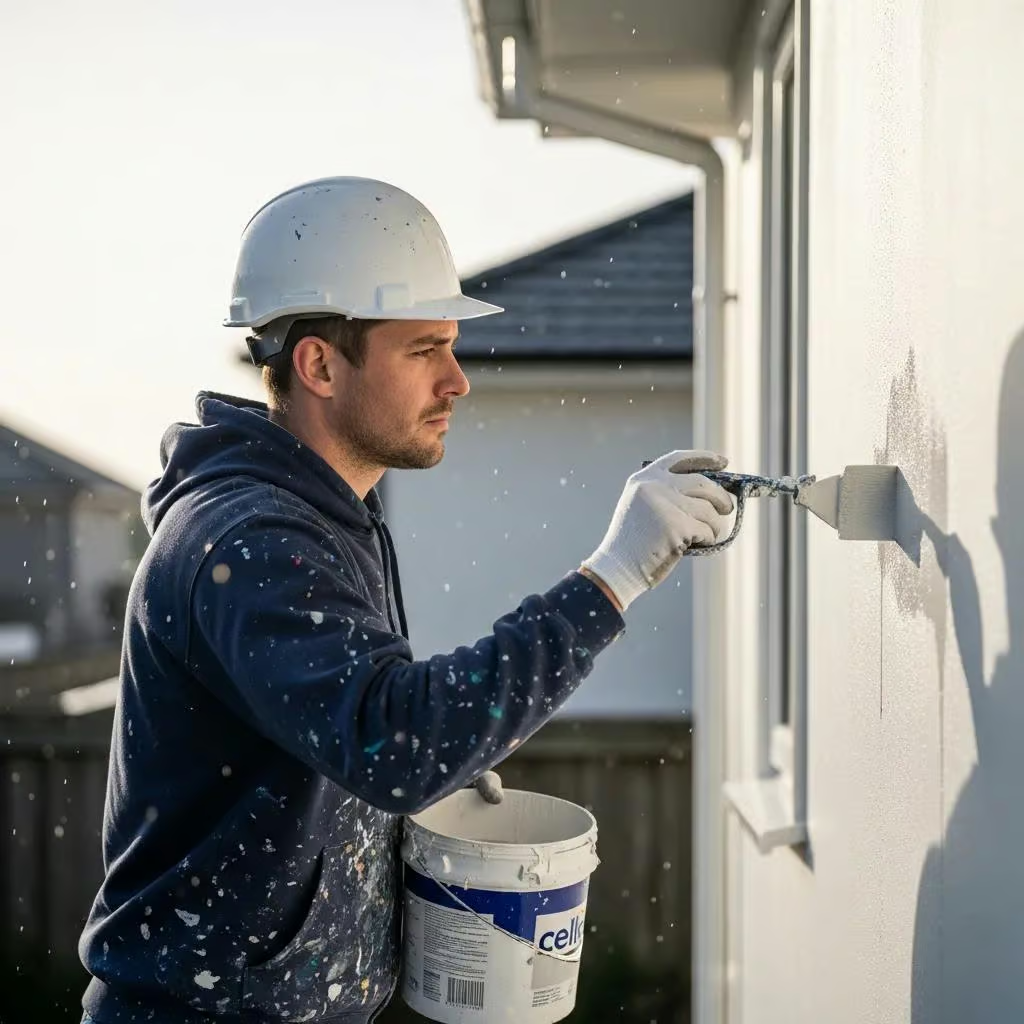
Top exterior paint brands are rigorously tested against various weather conditions, including extreme heat, heavy rain, and freezing temperatures. For instance, Sherwin-Williams’ Duration line is renowned for its exceptional adhesion and resistance to moisture, making it ideal for humid climates. Similarly, Benjamin Moore’s Regal Select offers excellent UV protection, ensuring colors remain vibrant even under intense sunlight. User testimonials often highlight these brands’ performance, noting that they maintain their integrity and appearance over time, even in challenging environments.
Further studies delve into the specific performance of acrylic paints against UV radiation, highlighting their lightfastness.
Commercial Acrylic Paint UV Resistance & Brand Comparison
The lightfastness declarations of several different commercial acrylic paints and different quality series were tested by artificial UV ageing. To evaluate their lightfastness declarations, three acrylic colours (cadmium red, ultramarine blue and chromium oxide green) from six companies (Lascaux, Liquitex, Lukas, Rembrandt, Schmincke, and Winsor & Newton) were analysed before and after UV exposure.
UV ageing studies: evaluation of lightfastness declarations of commercial acrylic paints, 2012
What Are the Durability Ratings of Leading Exterior Paints?
Durability ratings for exterior paints are typically assessed using standardized tests that measure factors such as adhesion, flexibility, and resistance to environmental stressors. For example, many leading brands score high on the ASTM D3359 test for adhesion, which evaluates how well the paint adheres to surfaces. Brands like Behr and Valspar also receive high marks for their long-lasting finishes, often lasting up to 10 years or more with proper application and maintenance. These ratings are crucial for homeowners looking to make informed decisions about their exterior paint investments.
Research consistently emphasizes the importance of both short-term laboratory tests and long-term outdoor exposure for accurately assessing paint durability and aging.
Exterior Wall Paint Durability & Aging Tests
The experimental program (conducted in cooperation between BEST and University of Applied Sciences of Southern Switzerland) requires on one hand the development of short–term laboratory accelerated aging test, and on the other hand a long–term outdoor exposure in order to verify the possibility of a time re-scaling. Research has been focused on the most external side of a typical Italian masonry, exposed in two towns (Milano–I and Lugano–CH) and covered with two different kinds of painting protection (acrylic and vinylversatic paints).
Evaluating the service life of external walls: a comparison between long-term and short-term exposure, 2005
What Are the Key Differences Between Acrylic, Latex, and Oil-Based Exterior Paints?
Understanding the differences between paint types is essential for selecting the right product for your home. Acrylic, latex, and oil-based paints each have unique properties that affect their application, finish, and maintenance requirements.
How Do Paint Types Affect Finish and Maintenance?
Acrylic paints are water-based and known for their quick drying times and ease of cleanup. They provide a flexible finish that resists cracking and fading, making them suitable for various climates. Latex paints, also water-based, offer similar benefits but are often more affordable and easier to work with. In contrast, oil-based paints provide a durable, glossy finish that is ideal for high-traffic areas but require longer drying times and more extensive cleanup. Homeowners should consider their specific needs and preferences when choosing between these options.
The specific properties of these paint types, such as their resistance to UV radiation, adhesion, and cracking, are often evaluated through rigorous testing.
UV Radiation Resistance of Exterior Paint Coatings
This study evaluated the properties of adhesion, cracking, rusting, and accumulated irradiance on the surface of four vinyl acrylic resin coatings. QUV accelerated aging technique was applied. The coatings accumulated irradiance in cyclic form and was controlled by the tests of atmospheric temperature and relative humidity.
Comparative studies on the UV radiations resistance of some painting materials, 2017
Which Paint Types Are Best Suited for Wood, Metal, and Masonry Surfaces?
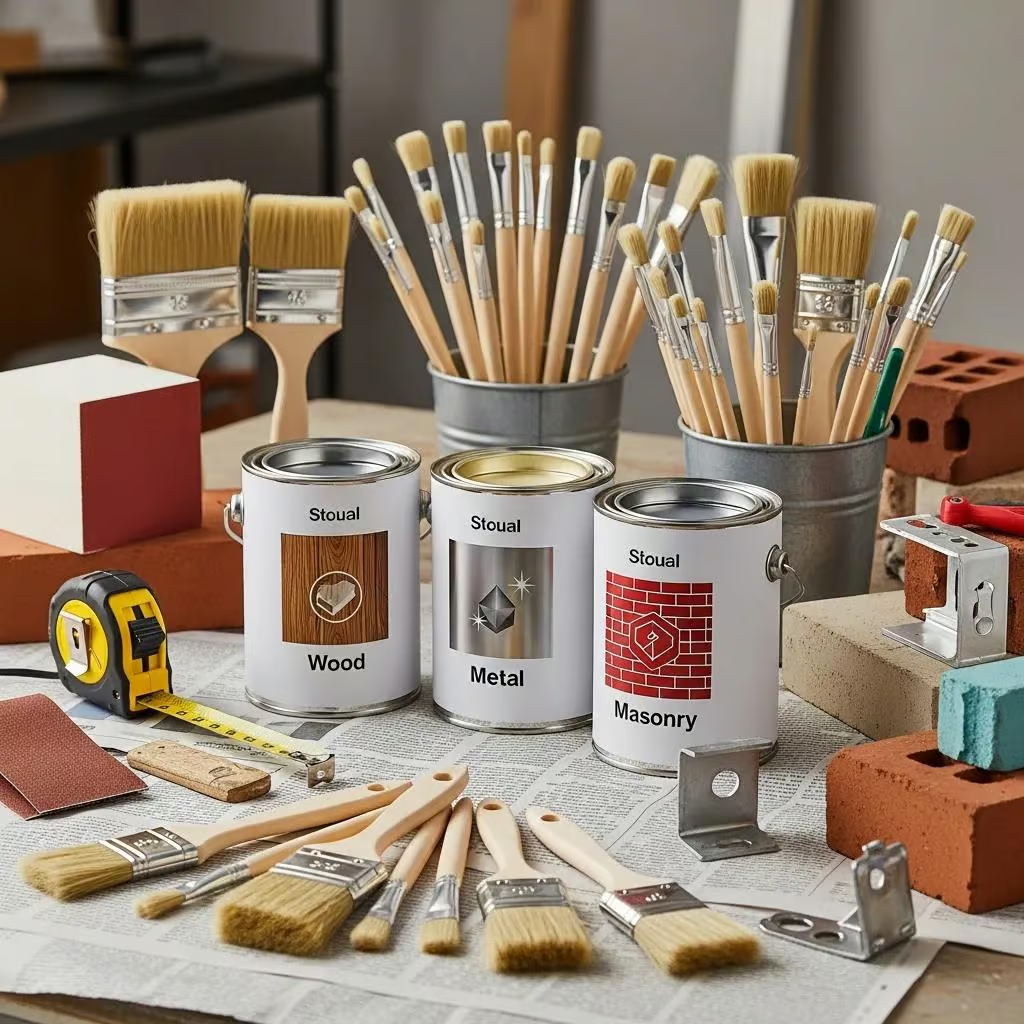
Different surfaces require specific paint types for optimal results. For wood surfaces, acrylic or latex paints are recommended due to their flexibility and resistance to moisture. Metal surfaces benefit from oil-based paints, which provide a hard, protective coating against rust and corrosion. Masonry surfaces, such as brick or concrete, are best suited for specialized masonry paints that can withstand moisture and prevent efflorescence. Understanding these compatibility factors is crucial for achieving a long-lasting finish.
How Do Cost and Warranty Options Influence the Value of Exterior Paint Investments?
Cost and warranty options play a significant role in determining the overall value of exterior paint investments. Homeowners should consider not only the initial price of the paint but also the long-term benefits associated with warranties and durability.
What Are the Typical Cost Ranges for Top-Rated Exterior Paint Brands?
The cost of top-rated exterior paints can vary significantly based on brand and formulation. On average, homeowners can expect to pay between $30 to $70 per gallon for high-quality paints from brands like Sherwin-Williams and Benjamin Moore. While these prices may seem steep, investing in premium paints often results in lower maintenance costs and longer-lasting finishes, ultimately saving money in the long run.
How Do Warranty Lengths and Coverage Impact Paint Selection?
Warranty lengths and coverage can significantly influence paint selection. Many leading brands offer warranties ranging from 5 to 30 years, covering issues like peeling, cracking, and fading. For example, Behr provides a limited lifetime warranty on its premium paints, giving homeowners peace of mind regarding their investment. When selecting paint, it’s essential to review the warranty details to ensure adequate protection against potential issues.
What Application and Maintenance Practices Maximize Exterior Paint Longevity?
Proper application and maintenance practices are vital for maximizing the longevity of exterior paint. Homeowners should follow specific guidelines to ensure their paint job stands the test of time.
What Are the Best Techniques for Preparing Surfaces Before Painting?
Surface preparation is critical for achieving a successful paint application. Homeowners should start by cleaning the surface to remove dirt, mildew, and old paint. Sanding rough areas and filling in cracks or holes will create a smooth surface for the new paint. Additionally, applying a primer can enhance adhesion and improve the overall finish. These preparation steps are essential for ensuring the paint adheres properly and lasts longer.
How Should Homeowners Maintain Painted Surfaces to Extend Durability?
Regular maintenance is key to extending the life of exterior paint. Homeowners should inspect painted surfaces annually for signs of wear, such as peeling or fading. Cleaning the surfaces with a mild detergent and water can help remove dirt and mildew, preventing damage. Additionally, touching up any areas that show signs of wear can help maintain the overall appearance and integrity of the paint job.
How Does Exterior Paint Complement Roofing Projects to Enhance Building Protection?
The synergy between exterior paint and roofing materials is often overlooked but plays a crucial role in enhancing a building’s protection and aesthetic appeal. Coordinating these elements can lead to improved durability and visual harmony.
Why Is Coordinating Paint and Roofing Materials Important for Exterior Durability?
Coordinating paint and roofing materials is essential for ensuring that both elements work together to protect the home. For instance, using a paint that reflects UV rays can help reduce heat buildup on the roof, prolonging its lifespan. Additionally, selecting colors that complement the roofing material can enhance the overall aesthetic of the property, increasing its curb appeal and value.
How Can Paint Selection Improve the Overall Aesthetic and Value of Roofing Projects?
The right paint selection can significantly impact the overall aesthetic and value of roofing projects. Homeowners should consider colors that harmonize with their roofing materials while also reflecting their personal style. For example, a modern home with a dark roof may benefit from lighter paint colors that create a striking contrast. This thoughtful approach not only enhances the property’s appearance but can also increase its market value.


