
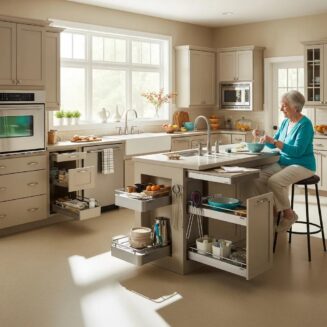
Aging-in-Place Kitchen Remodels: A Guide to Accessible Design
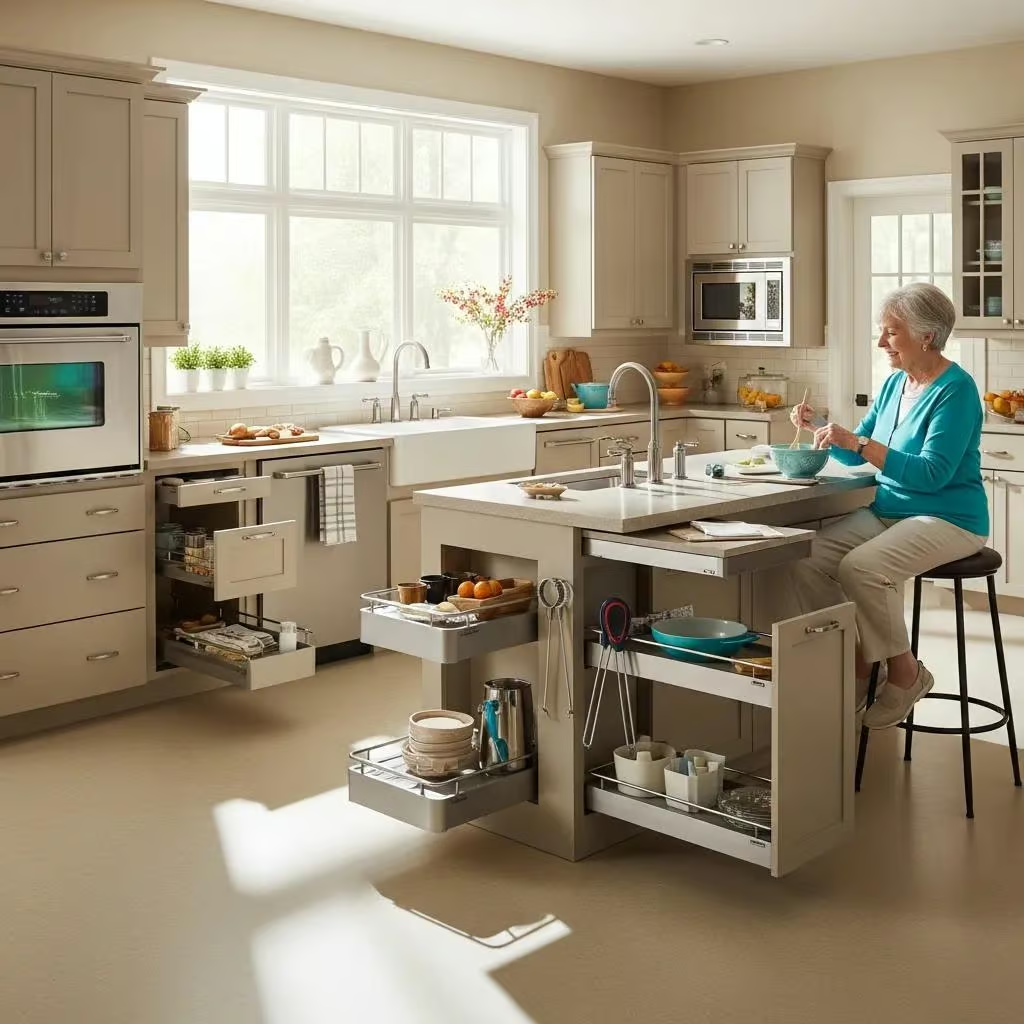
Aging-in-Place Kitchen Remodel: Accessible Design Solutions for Every Stage of Life
As our loved ones age, ensuring their comfort and safety in the kitchen becomes paramount. An aging-in-place kitchen remodel focuses on creating an accessible environment that caters to the needs of seniors and individuals with mobility challenges. This article will explore the essential principles of universal design, safety modifications, the role of smart technology, and roofing considerations that enhance kitchen accessibility. By understanding these elements, homeowners can create a functional and safe kitchen that supports independence and well-being.
Essential Strategies for an Accessible Aging-in-Place Kitchen
Universal design principles aim to create spaces that are usable by all individuals, regardless of age or ability. These principles enhance kitchen accessibility by incorporating features that accommodate various needs. The core concepts include flexibility, simplicity, perceptible information, tolerance for error, low physical effort, and size and space for approach and use, ensuring that the kitchen is not only functional but also comfortable for everyone.
How Does Universal Design Enhance Kitchen Accessibility for Seniors?
Universal design significantly benefits seniors by addressing their unique challenges in the kitchen. For instance, adjustable countertops and pull-out shelves allow for easier access to kitchen items without the need for excessive bending or reaching. Additionally, incorporating lever-style faucets and touchless appliances can simplify tasks, making daily activities more manageable. These design choices promote independence and reduce the risk of accidents, ultimately enhancing the quality of life for older adults.
Further research emphasizes the critical role of universal design in creating kitchen environments that are both accessible and safe for older adults and individuals with mobility challenges.
Universal Design for Accessible & Safe Kitchens
ABSTRACT: Universal Design in Kitchen Furniture: A Case Study on Enhancing Accessibility and Safety for the Elderly and People with Mobility Challenges. The paper aims to explore the application of universal design principles in the development of kitchen furniture that promotes accessibility, safety, and independence for the elderly and individuals with mobility challenges. The study presents how innovative product design can contribute to the creation of an inclusive and barrier-free environment, emphasizing the importance of research and development works in this under-studied area.
Universal design in kitchen furniture: a case study on enhancing accessibility and safety for the elderly and people with mobility challenges, 2023
Which Universal Design Features Are Essential in Aging-in-Place Kitchens?
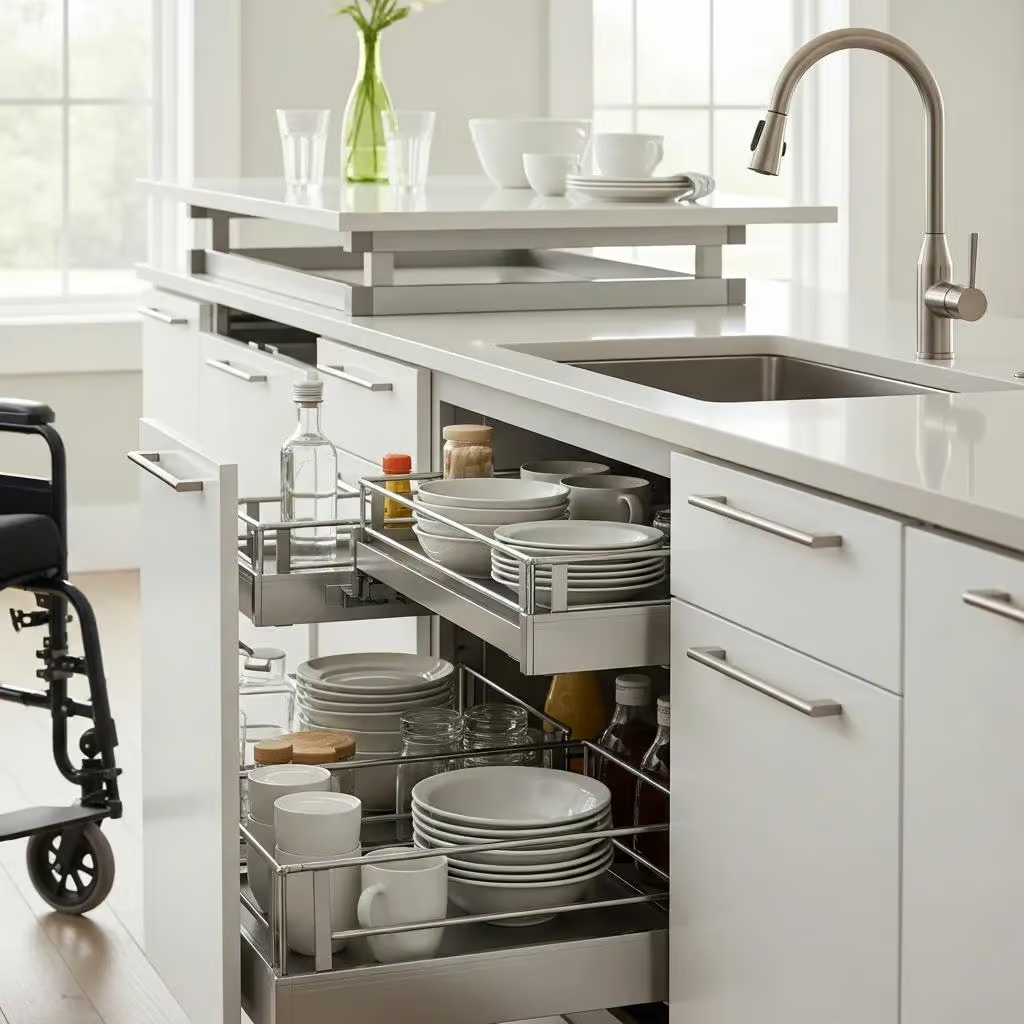
Essential features of aging-in-place kitchens include:
- Adjustable Countertops: These allow users to customize the height for comfort and accessibility.
- Pull-Out Shelves: They provide easy access to items stored in cabinets, reducing the need for bending.
- Lever-Style Faucets: These are easier to operate for individuals with limited hand strength.
- Non-Slip Flooring: This helps prevent falls, a common concern for seniors in the kitchen.
Incorporating these features not only enhances usability but also ensures a safer cooking environment.
What Safety Modifications Ensure a Barrier-Free Kitchen Environment?
Safety modifications are crucial in creating a barrier-free kitchen environment. These changes help prevent accidents and ensure that the kitchen is a safe space for all users.
Which Kitchen Safety Features Prevent Common Accidents for Older Adults?
Common kitchen accidents can be mitigated through specific safety features. For example, installing motion-sensor lighting can illuminate the kitchen when someone enters, reducing the risk of falls. Additionally, using rounded countertop edges can prevent injuries from accidental bumps. Other features include:
- Sturdy Grab Bars: These provide support when moving around the kitchen.
- Easy-to-Reach Storage: Keeping frequently used items within easy reach minimizes the need for climbing or stretching.
Implementing these safety features can significantly reduce the likelihood of accidents in the kitchen.
How Do Non-Slip Flooring and Proper Lighting Improve Kitchen Accessibility?
Non-slip flooring and proper lighting are vital components of an accessible kitchen. Non-slip surfaces help prevent falls, especially in areas prone to spills. Proper lighting, including under-cabinet lights and task lighting, ensures that work areas are well-lit, making it easier to see and perform tasks safely. Together, these modifications create a safer and more accessible kitchen environment for seniors and individuals with mobility challenges.
How Can Smart Technology Support Accessible Kitchen Design for Aging in Place?
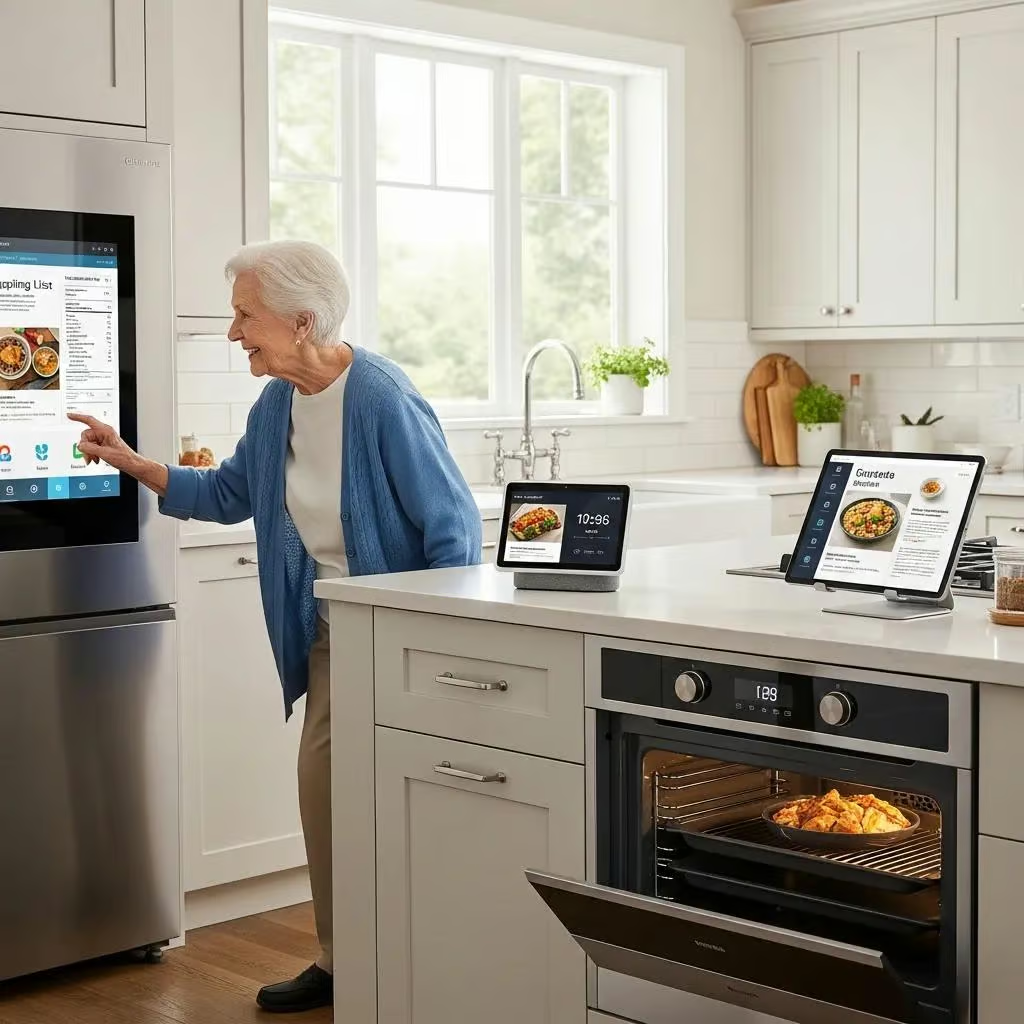
Smart technology plays a transformative role in accessible kitchen design, offering innovative solutions that enhance usability and safety. These technologies can simplify tasks and provide greater independence for aging individuals.
The integration of smart technology is particularly vital for older adults, as it can help manage the cognitive demands of kitchen activities, promoting safer and more independent living.
Smart Kitchens: Managing Cognitive Load for Aging in Place
Older adults have identified the kitchen to be important when they consider barriers to aging in place. The kitchen contains many cognitively complex activities with varying levels of safety concerns, making functional cognition sensitive to cognitive overload in the space. The use of smart technology and changes to
Exploring Spatial Arrangements and Smart Technology to Manage Cognitive Load in Kitchens for Aging in Place, M Chabot, 2025
What Smart Home Devices Facilitate Independent Kitchen Use?
Several smart home devices can facilitate independent kitchen use, including:
- Smart Refrigerators: These can provide reminders for expiration dates and help with meal planning.
- Voice-Activated Assistants: Devices like smart speakers can control kitchen appliances and provide hands-free assistance.
- Smart Ovens: These can be programmed remotely, allowing users to start cooking without needing to physically interact with the appliance.
These devices not only enhance convenience but also empower seniors to manage their kitchen tasks more effectively.
How Does Technology Integrate with Universal Design Principles?
Integrating technology with universal design principles creates a cohesive and functional kitchen environment. For instance, smart lighting systems can be programmed to adjust based on the time of day, ensuring optimal visibility. Additionally, touchless faucets and smart appliances align with universal design by promoting ease of use for individuals with limited mobility. This synergy between technology and design principles enhances the overall accessibility of the kitchen.
What Are the Roofing Considerations in Homes Undergoing Aging-in-Place Kitchen Remodels?
When remodeling a kitchen for aging in place, roofing considerations are often overlooked but are essential for ensuring the home’s overall safety and functionality. A well-maintained roof protects the home from leaks and structural damage, which can impact the kitchen’s usability.
Why Is Roofing Maintenance Important for Aging Homes with Accessible Kitchens?
Roofing maintenance is crucial for aging homes, as older roofs may be more susceptible to leaks and damage. Regular inspections can identify potential issues before they escalate, ensuring that the kitchen remains a safe and dry environment. Homeowners should consider scheduling routine maintenance to prolong the life of their roofs and protect their investments.
How Does Baker Roofing Company Support Aging-in-Place Renovations?
Baker Roofing Company specializes in supporting aging-in-place renovations by providing expert roofing services tailored to the unique needs of older homes. Their team understands the importance of maintaining a safe and functional environment, ensuring that roofing solutions align with the overall goals of accessibility and safety in kitchen remodels. Homeowners can rely on their expertise to navigate the complexities of roofing while focusing on creating an accessible kitchen.
How Do Consultation and Cost Factors Influence Aging-in-Place Kitchen Remodels?
Consultation and cost factors play a significant role in the planning and execution of aging-in-place kitchen remodels. Understanding these elements can help homeowners make informed decisions that align with their budgets and design goals.
What Is the Process for Requesting a Quote for Accessible Kitchen and Roofing Services?
Requesting a quote for accessible kitchen and roofing services typically involves a few key steps:
- Initial Consultation: Discuss your needs and preferences with a professional.
- Site Assessment: A thorough evaluation of your kitchen and roofing conditions.
- Detailed Proposal: Receive a comprehensive quote outlining the scope of work and costs involved.
This process ensures that homeowners have a clear understanding of the project and can budget accordingly.
How Much Does an Accessible Kitchen Remodel Typically Cost?
The cost of an accessible kitchen remodel can vary widely based on the scope of work and the features included. On average, homeowners can expect to invest between $20,000 to $50,000 for a comprehensive remodel that incorporates universal design principles and safety modifications. Factors influencing the cost include materials, labor, and the complexity of the design. By planning carefully and consulting with professionals, homeowners can achieve a functional and accessible kitchen within their budget.


