

Hail Damage to HVAC and Roof Vents: What to Inspect After a Storm
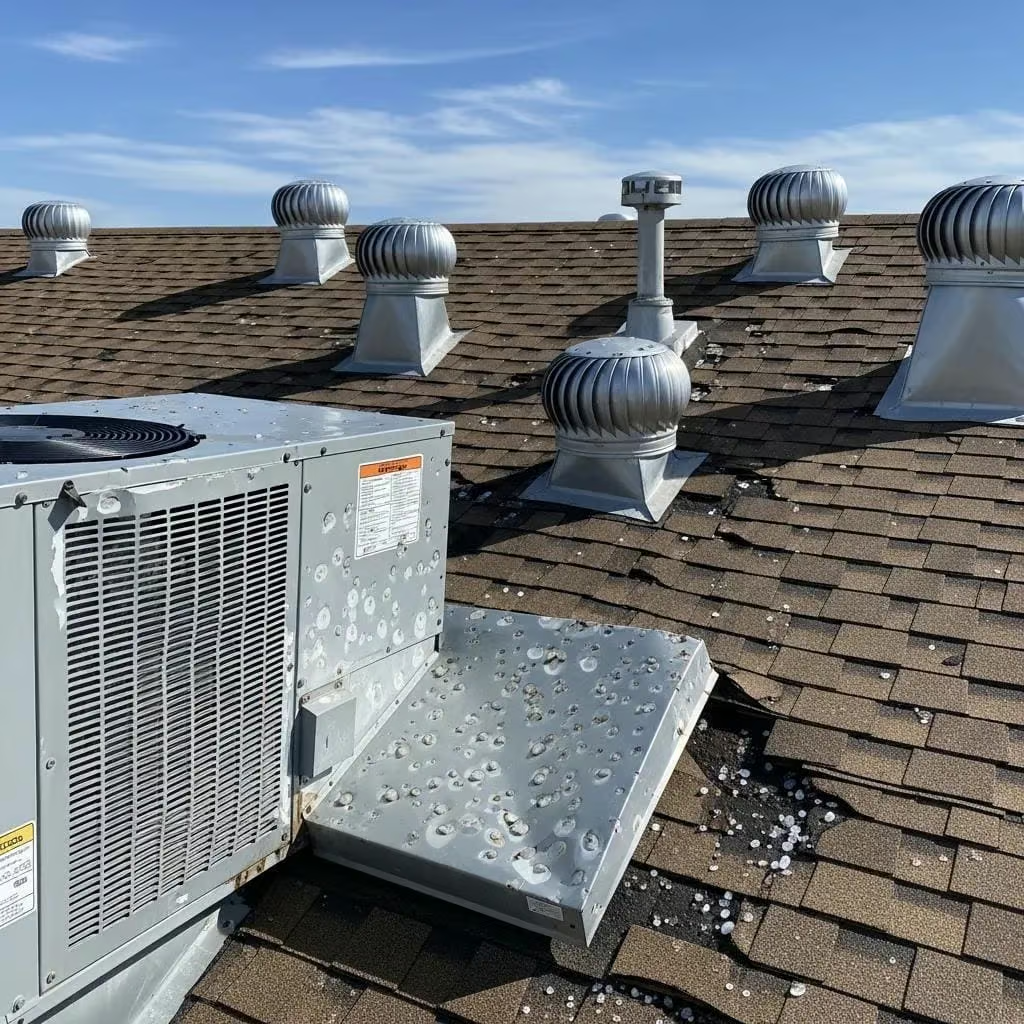
Comprehensive Hail Damage Inspection Checklist for HVAC and Roof Vents After a Storm
Hail storms can cause significant damage to residential and commercial properties, particularly to HVAC systems and roof vents. Understanding how to inspect these components after a storm is crucial for maintaining their functionality and ensuring safety. This article provides a comprehensive checklist for identifying hail damage, assessing repair options, and navigating insurance claims. Readers will learn about the signs of damage, the inspection process, and the importance of timely repairs. By following this guide, property owners can effectively manage the aftermath of a storm and protect their investments.
How to Identify Signs of Hail Damage on Roof Vents?
Identifying hail damage on roof vents is essential for preventing further issues, such as leaks or reduced ventilation efficiency. Roof vents are often exposed to the elements, making them vulnerable to hail impacts. Recognizing the visual indicators of damage can help homeowners take prompt action to mitigate potential problems. A thorough inspection should include checking for dents, cracks, and other signs of wear that may compromise the vent’s integrity.
What Visual Indicators Reveal Roof Vent Hail Damage?
Common visual indicators of hail damage on roof vents include:
- Dents and Dings: Look for noticeable indentations on the vent covers, which can indicate impact from hailstones.
- Cracks or Breaks: Inspect for any cracks or breaks in the vent material, which can lead to leaks and reduced performance.
- Discoloration: Fading or discoloration of the vent surface generally relates more to prolonged exposure to sunlight and weather rather than hail specifically, though it may show wear that can accompany damage.
These indicators are crucial for assessing the extent of damage and determining the necessary repairs.
How to Use Inspection Checklists for Roof Vent Damage Assessment?
Using an inspection checklist can streamline the process of assessing roof vent damage. Here’s a step-by-step approach:
- Initial Setup: Begin by gathering necessary tools, such as a ladder, flashlight, and camera for documentation.
- Visual Examination: Conduct a thorough visual inspection of each vent, noting any signs of damage on the checklist.
- Documentation: Take photographs of any damage for future reference and potential insurance claims.
This systematic approach ensures that no detail is overlooked during the inspection process.
What Are the Common Hail Damage Signs on HVAC Units Mounted on Roofs?
HVAC units mounted on roofs are also susceptible to hail damage, which can affect their efficiency and lifespan. Identifying the signs of damage early can prevent costly repairs and ensure the system operates effectively. Common signs include visible dents, bent components, and compromised insulation.
How to Conduct a Thorough HVAC Hail Damage Inspection?

To conduct a thorough inspection of HVAC units for hail damage, follow these steps:
- Visual Inspection: Examine the exterior of the unit for dents, scratches, or other visible damage.
- Check Components: Inspect critical components such as condenser coils and fan blades for any signs of impact.
- Functional Testing: After the visual inspection, run the unit to ensure it operates correctly and efficiently.
Documenting findings during the inspection is essential for future reference and potential claims.
Which HVAC Components Are Most Vulnerable to Hail Impact?
Certain components of HVAC systems are more vulnerable to hail impact, including:
- Condenser Coils: These are often exposed and can be easily damaged by hail, affecting the unit’s cooling efficiency.
- Fan Blades: Hail can bend or break fan blades, leading to operational issues.
- Insulation: Damage to insulation can result in energy loss and decreased system performance.
Understanding these vulnerabilities can help homeowners prioritize their inspections and repairs.
Step-by-Step Hail Damage Inspection for HVAC & Roof Vents
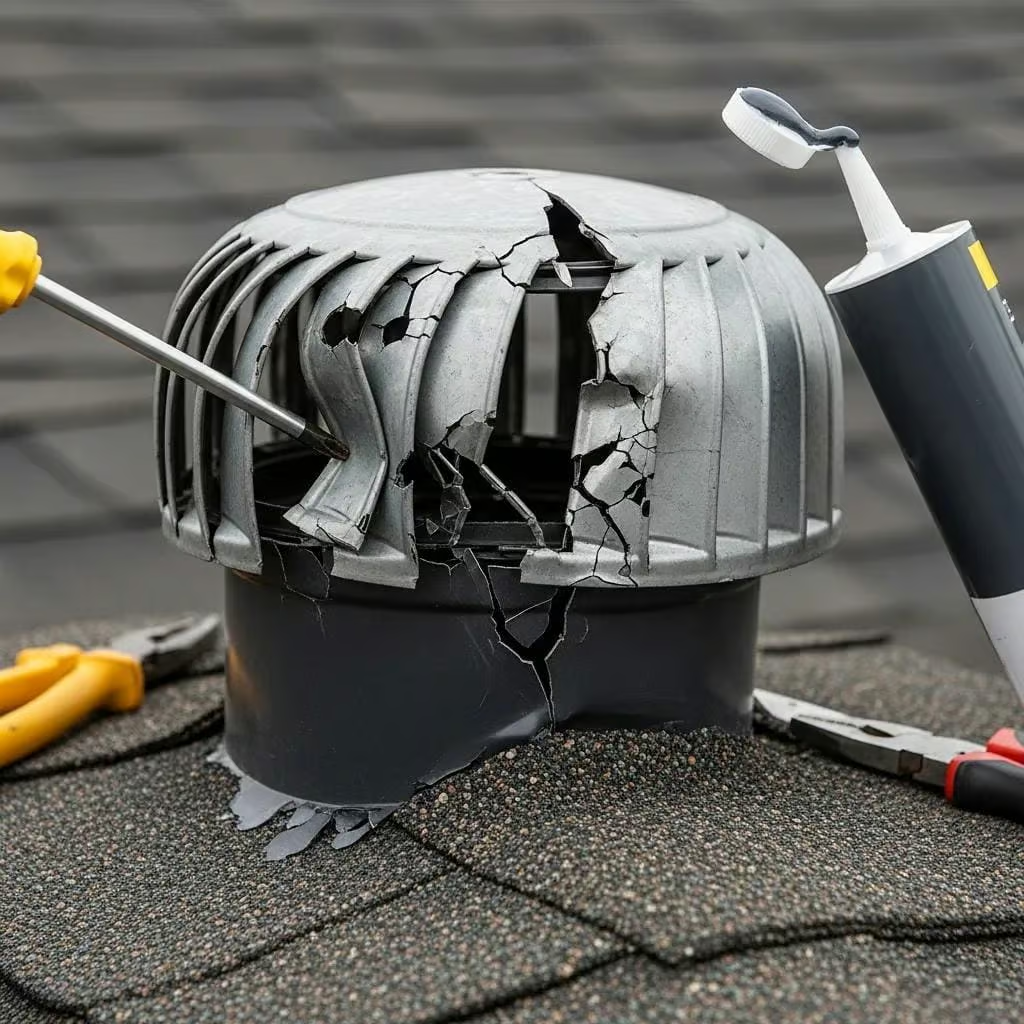
After identifying hail damage, homeowners must consider their repair and replacement options for roof vents. The decision between repair and replacement often depends on the extent of the damage and the age of the vent.
When Is Roof Vent Repair Feasible Versus Replacement?
Repairing roof vents is feasible when:
- Minor Damage: If the damage is limited to small dents or cracks that do not compromise the vent’s functionality.
- Cost-Effectiveness: Repairing is often less expensive than replacement, making it a viable option for minor issues.
Replacement may be necessary when:
- Severe Damage: Extensive damage that affects the vent’s structural integrity.
- Age of the Vent: Older vents may not be worth repairing if they are nearing the end of their lifespan.
What Are the Typical Costs Associated with Roof Vent Hail Damage Repairs?
The costs associated with roof vent repairs can vary based on several factors, including:
- Extent of Damage: Minor repairs may cost around $100-$300, while extensive damage could lead to costs exceeding $1,000.
- Labor Costs: Hiring a professional contractor can add to the overall expense, typically ranging from $50 to $100 per hour.
- Material Costs: Replacement parts or new vents can also influence the total cost, depending on the materials used.
Understanding these costs can help homeowners budget for necessary repairs.
How to Assess and Estimate Hail Damage Repair Costs for Roof and HVAC Units?
Assessing and estimating repair costs for hail damage involves several key factors. Homeowners should consider the extent of the damage, the type of repairs needed, and the potential for insurance coverage.
What Factors Influence the Cost of Hail Damage Roof Repairs?
Several factors can influence the cost of hail damage roof repairs, including:
- Type of Damage: The severity and type of damage will significantly impact repair costs.
- Material Quality: Higher-quality materials may increase costs but can provide better long-term durability.
- Labor Rates: Local labor rates can vary, affecting the overall cost of repairs.
Understanding these factors can help homeowners make informed decisions about repairs.
How to Obtain Accurate Repair Quotes from Professional Contractors?
To obtain accurate repair quotes from contractors, homeowners should:
- Document Damage: Take detailed photographs and notes of the damage to share with contractors.
- Get Multiple Quotes: Contact several contractors to compare quotes and services offered.
- Ask About Warranties: Inquire about warranties on both labor and materials to ensure quality work.
This process can help ensure that homeowners receive fair and accurate estimates for their repair needs.
When Should You Contact a Professional for Hail Damage Inspection and Repair?
Knowing when to contact a professional for hail damage inspection and repair is crucial for timely action. Delaying repairs can lead to more significant issues and increased costs.
What Are the Risks of Delaying Hail Damage Repairs?
Delaying hail damage repairs can result in:
- Increased Repair Costs: Small issues can escalate into larger problems if not addressed promptly.
- Water Damage: Compromised vents or HVAC units can lead to leaks, resulting in water damage to the property.
- Decreased Efficiency: Damaged systems may operate less efficiently, leading to higher energy bills.
Understanding these risks emphasizes the importance of timely inspections and repairs.
How Does Baker Roofing Company Support Post-Storm Damage Assessments?
Baker Roofing Company offers specialized services to assist homeowners in post-storm damage assessments. Their services include:
- Free Inspections: They provide complimentary inspections to identify hail damage and recommend necessary repairs.
- Expertise in Insurance Claims: Baker Roofing Company can assist homeowners in navigating the insurance claims process, ensuring all necessary documentation is provided.
- Quality Repairs: With a focus on both residential and commercial roofing, they ensure that repairs are conducted to the highest standards.
This support can significantly ease the burden on homeowners dealing with the aftermath of a storm.
How to Navigate Insurance Claims for Hail Damage to HVAC and Roof Vents?
Navigating insurance claims for hail damage can be complex, but understanding the process can help homeowners secure the necessary funds for repairs.
What Documentation Is Required for Successful Hail Damage Claims?
To file a successful hail damage claim, homeowners should gather the following documentation:
- Photographic Evidence: Clear photos of the damage to both roof vents and HVAC units.
- Inspection Reports: Documentation from professional inspections detailing the extent of the damage.
- Repair Estimates: Quotes from contractors outlining the expected costs for repairs.
Having this documentation ready can streamline the claims process and improve the chances of approval.
How Can Professional Inspections Facilitate Insurance Approvals?
Professional inspections can facilitate insurance approvals by providing:
- Detailed Reports: Comprehensive reports that outline the damage and necessary repairs can support claims.
- Expert Testimony: Professionals can advocate for homeowners during the claims process, ensuring that all damage is accurately represented.
- Timely Assessments: Quick inspections can help homeowners file claims promptly, reducing the risk of delays.
Utilizing professional services can enhance the likelihood of a successful insurance claim for hail damage.


