
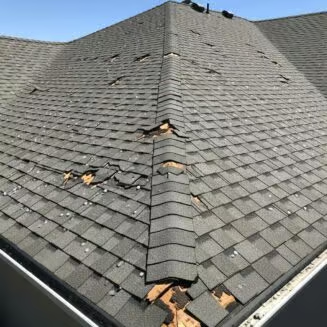
Signs of Hail Damage on Your Roof: What to Look For
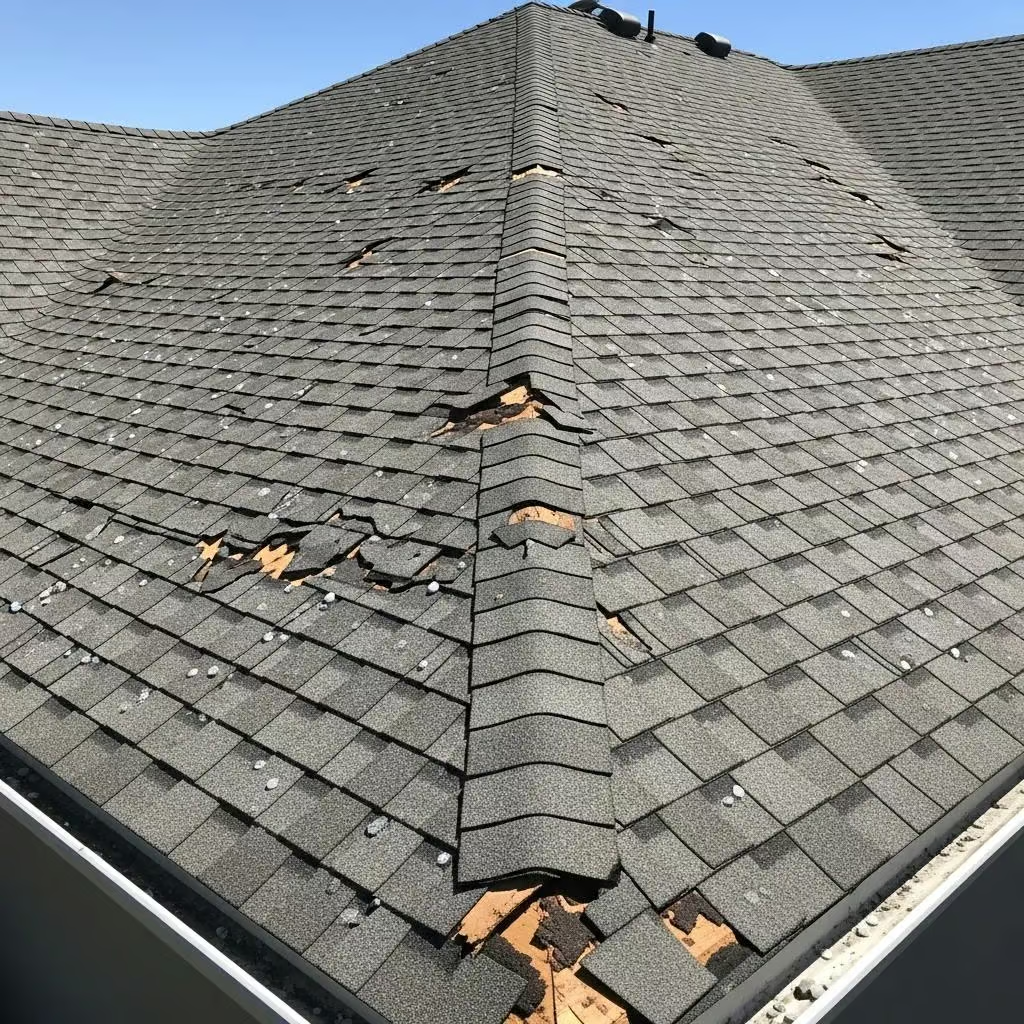
Signs of Hail Damage on Your Roof: Comprehensive Inspection and Repair Guidance
Hail damage can be a significant concern for homeowners, as it often goes unnoticed until it leads to more severe issues. Understanding how to identify the signs of hail damage on your roof is crucial for maintaining the integrity of your home. This article will guide you through the visible indicators of hail damage, the steps for a thorough roof inspection, and the insurance claims process related to hail damage. By recognizing these signs early, you can prevent costly repairs and ensure your roof remains in good condition. We will also discuss when to repair versus replace your roof and preventative maintenance practices to protect your investment.
How Can You Identify Visible Signs of Hail Damage on Your Roof?
Identifying visible signs of hail damage is essential for homeowners to take timely action. Common indicators include missing or cracked shingles, dents in gutters, and granules found in downspouts. These signs can help you assess the extent of the damage and determine the necessary steps to address it.
What Are Common Hail Damage Indicators on Asphalt Shingles?
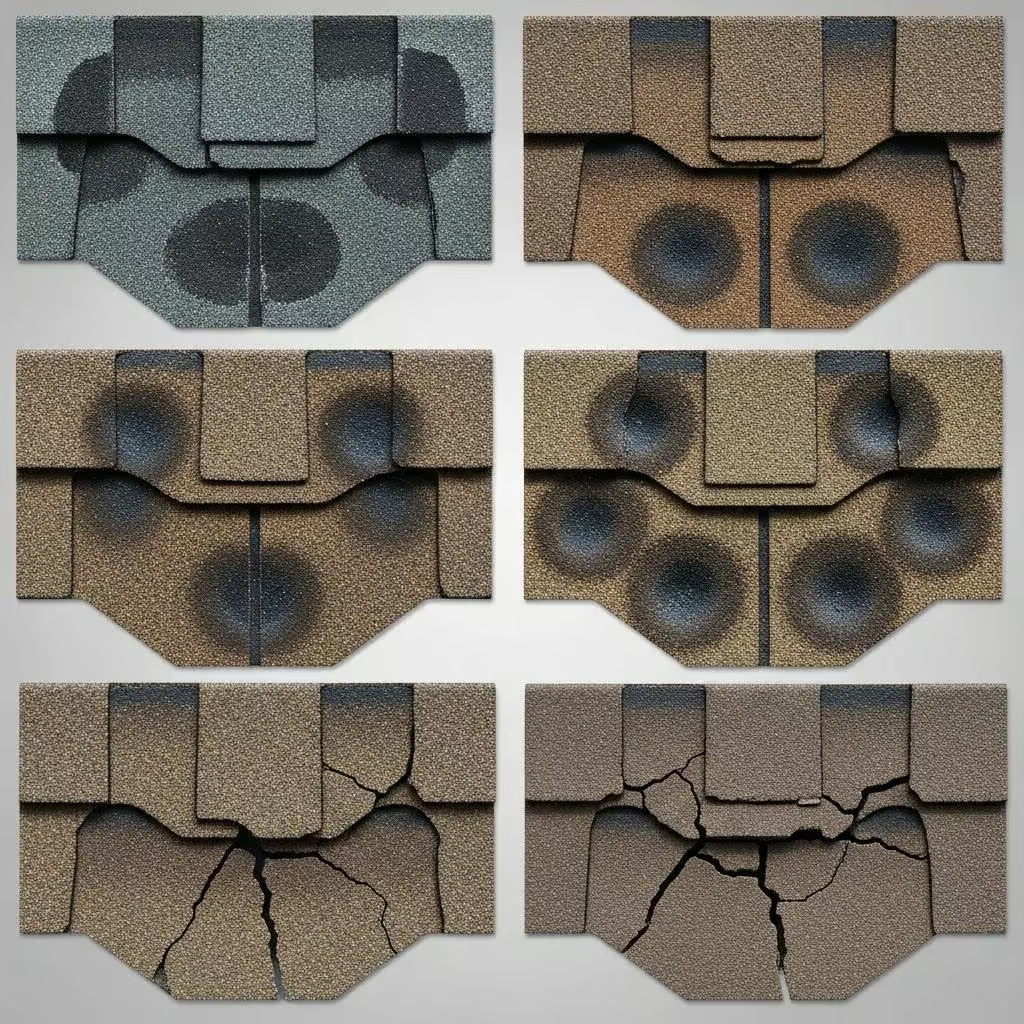
Asphalt shingles are particularly vulnerable to hail damage, and several specific indicators can help you identify issues. Look for:
- Granule Loss: Hail can dislodge granules from shingles, leading to bald spots that expose the underlying material.
- Bruises: Soft spots or bruises on shingles may indicate internal damage, even if the surface appears intact.
- Cracks or Splits: Hail can cause cracks or splits in shingles, which can compromise the waterproof layer.
- Holes: In severe cases, hail can create holes in shingles, allowing water to penetrate and cause leaks.
Recognizing these indicators early can help you take action before more extensive damage occurs.
How Does Hail Affect Metal and Other Roofing Materials?
Hail can impact various roofing materials differently, and understanding these effects is crucial for proper assessment. For metal roofing, hail can cause:
- Dents: Visible dents on metal panels can compromise the roof’s integrity and lead to rust over time.
- Surface Scratches or Coating Damage: Hail can damage protective coatings, potentially leading to corrosion.
- Potential Leaks: Damage from hail can create weak points that may lead to leaks, especially if the roof is older or already compromised.
Understanding how hail affects different materials can help you choose the right roofing solution for your home.
How to Spot Hail Damage on Your Roof: Inspection & Repair Tips
Conducting a thorough roof inspection after a hailstorm is vital to assess any potential damage. Here are the steps you should follow:
- Check Surrounding Areas: Look for debris, damaged gutters, or downspouts that may indicate hail impact.
- Inspect Shingles: Examine shingles for signs of damage, such as granule loss, bruising, cracks, or dents.
- Call a Professional: If you suspect significant damage, it’s best to contact a roofing professional for a comprehensive assessment.
Which Items Are Included in a Hail Damage Roof Inspection Checklist?
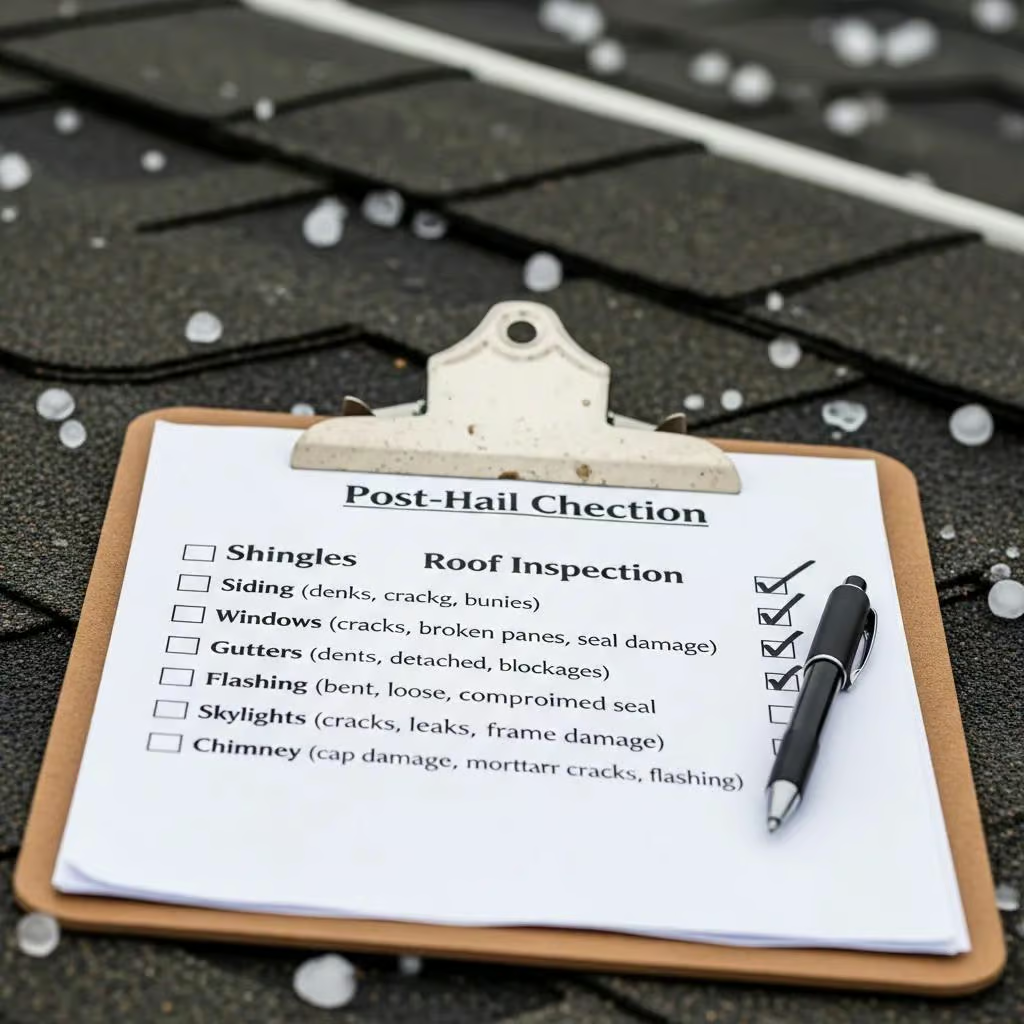
A thorough inspection checklist can help ensure you don’t miss any critical areas. Key items to include are:
- Roof: Check for missing, cracked, or damaged shingles.
- Siding: Look for dents, cracks, or damage in siding materials.
- Windows: Inspect for any cracks or damage to window frames and glass.
- Gutters and Downspouts: Check for dents and any loosened or damaged parts.
Using a checklist can streamline the inspection process and help you document any findings.
When Is the Best Time to Conduct a Roof Inspection After a Hailstorm?
Timing is crucial when it comes to roof inspections. The best time to conduct an inspection is:
- As Soon As It Is Safe After the Storm: Assessing damage quickly after the storm can help prevent further issues.
- Within a Few Days to Weeks: Prompt inspection allows for early detection and timely repairs to reduce the risk of leaks and structural damage.
Conducting inspections promptly can save you money and hassle in the long run.
How Do Insurance Claims Work for Roof Hail Damage?
Filing an insurance claim for hail damage can be a complex process, but understanding the steps can make it easier. Here’s how it typically works:
- Document the Damage: Take photos and notes of any visible damage to your roof and surrounding areas.
- Contact Your Insurance Company: Notify your insurer about the damage as soon as possible.
- Schedule an Adjuster Inspection: Your insurance company will send an adjuster to assess the damage and determine coverage.
What Documentation Is Needed for a Hail Damage Insurance Claim?
When filing a claim, having the right documentation is essential. Required documents typically include:
- Photo Evidence: Clear images of the damage to support your claim.
- Detailed Inventory: A list of damaged items and their estimated costs.
- Professional Inspection: A report from a roofing contractor can strengthen your claim.
Having thorough documentation can help expedite the claims process and ensure you receive the coverage you need.
How Can You Maximize Your Insurance Coverage for Roof Repairs?
To maximize your insurance coverage for roof repairs, consider these strategies:
- Document Damage Thoroughly: Keep detailed records of all damage and repairs.
- Schedule a Professional Inspection: A thorough inspection can uncover hidden damage that may be covered.
- Understand Your Insurance Policy: Familiarize yourself with your policy’s coverage limits, deductibles, and exclusions.
By being proactive, you can ensure you receive the maximum benefit from your insurance policy.
When Should You Choose Roof Repair Versus Roof Replacement After Hail Damage?
Deciding between roof repair and replacement can be challenging. Here are some factors to consider:
- Extent of Damage: If only a few shingles are damaged, repair may be sufficient. However, widespread damage or damage affecting the roof’s protective layers may warrant a full replacement.
- Roof Age: An older roof near the end of its expected lifespan may be more cost-effective to replace.
- Cost Considerations: Compare the costs of repairs versus replacement to determine the most economical option.
- Insurance Coverage: Consider what your insurance will cover for repairs or replacement.
What Factors Influence the Decision Between Repair and Replacement?
Several factors can influence your decision:
- Extent of Damage: Assess how much of the roof is affected.
- Roof Material and Condition: Some roofing materials may respond differently to repair versus replacement.
- Cost of Repairs vs. Replacement: Evaluate the financial implications of each option.
- Insurance Coverage and Requirements: Understand what damage and repairs your insurance will cover.
Understanding these factors can help you make an informed decision about your roofing needs.
How Do Repair and Replacement Costs Compare for Hail-Damaged Roofs?
When comparing costs, consider the following:
- Typical Repair Costs: Minor repairs can range from a few hundred to a few thousand dollars, depending on the extent of the damage.
- Replacement Cost Range: A full roof replacement can cost anywhere from $5,000 to $15,000 or more, depending on materials, roof size, and labor.
- Long-Term Value Considerations: Weigh the long-term benefits of a new roof against the costs of ongoing repairs and potential future damage.
This comparison can help you determine the best financial decision for your situation.
What Preventative Maintenance Can Protect Your Roof After Hail Damage?
After experiencing hail damage, taking preventative measures can help protect your roof. Here are some essential maintenance steps:
- Get a Professional Inspection: A thorough inspection can identify any lingering issues.
- Inspect Your Roof Regularly: Regular checks can help catch problems early.
- Act Quickly on Repairs: Addressing minor issues promptly can prevent more significant damage.
Which Maintenance Practices Extend Roof Longevity Post-Hailstorm?
To extend the life of your roof after a hailstorm, consider these practices:
- Regular Inspections: Schedule inspections at least twice a year.
- Prompt Repairs: Fix any damage as soon as it is identified.
- Cleaning Gutters: Keep gutters clear to prevent water buildup and potential leaks.
Implementing these practices can help ensure your roof remains in good condition for years to come.
How Can Hail-Resistant Roofing Materials Reduce Future Damage?
Investing in hail-resistant roofing materials can significantly reduce future damage. Benefits include:
- Increased Durability: Hail-resistant materials are designed to withstand severe weather conditions.
- Cost Savings: Fewer repairs can lead to long-term savings on maintenance.
- Peace of Mind: Knowing your roof is better protected can provide reassurance during storm season.
Choosing the right materials can enhance your roof’s resilience against future hailstorms.


