
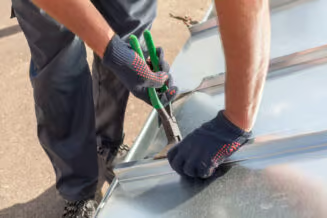
Metal Roof Repair: A Complete Guide for Homeowners and Property Owners
Metal Roof Repair Guide: Durable, Cost-Effective Solutions
Metal roofs are known for their durability and longevity, but they are not immune to damage. Homeowners and property owners often face challenges such as leaks, corrosion, and wear that necessitate timely repairs. This comprehensive guide will explore the common problems associated with metal roofs, effective repair methods, cost considerations, and maintenance tips to ensure your roof remains in optimal condition. By understanding these aspects, you can make informed decisions about your metal roof repair needs and enhance the lifespan of your roofing system.
In this article, we will cover the following key sections: common problems in metal roofs, proven repair methods, cost factors influencing repairs, when to hire professionals, essential maintenance tips, and warranty expectations. Each section aims to provide valuable insights and practical advice for maintaining your metal roof effectively.
What Are the Common Problems in Metal Roofs That Require Repair?
Metal roofs can encounter various issues that may require repair to maintain their integrity and performance. Common problems include rust, cracked flashing, and worn seals. These issues can lead to leaks and further damage if not addressed promptly. Regular inspections are crucial for identifying problems early, allowing for timely repairs that can extend the roof’s lifespan.
How Do Leaks Develop in Metal Roofs and How Can They Be Detected?
Leaks in metal roofs can develop from several sources, including holes, seam leaks, and faulty flashings. Over time, wear and tear can compromise the roof’s integrity, leading to water infiltration. Detecting leaks involves visual inspections and detailed checks, particularly after heavy rain or storms. Homeowners should look for signs such as water stains on ceilings or walls, rust spots, and damp areas around roof penetrations.
Beyond visual inspections, advanced technologies can offer more precise and cost-effective methods for early leak detection, significantly reducing potential water damage.
Cost-Effective Leak Detection for Roof Maintenance
The cost resulting from water damage to the roofing system, structure, and building contents that can occur between the time a leak begins and is located and repaired can be very high. A passive roof leak detection system PRLDS could help Army managers by providing early leak detection and could potentially reduce the Armys roofing maintenance budget. This study determined that a PRLDS contains four components sensors, signal, transmission medium, and signal processing unit. The sensors can be resistive, capacitive, circuit-bridging, or fiber optics. Sensor placement and spacing on a roof determine the systems resolution and should he based on the system cost and the interior use of the structure.
Survey of passive leak detection technologies for membrane roofing, 1994
What Causes Corrosion and How Is It Treated Effectively?
Corrosion in metal roofs is primarily caused by moisture and environmental factors, such as exposure to salt or chemicals. To treat corrosion effectively, it is essential to remove rusted areas and apply protective coatings. Regular maintenance, including cleaning and inspections, can help prevent corrosion from developing in the first place, ensuring the longevity of the roof.
What Are the Proven Metal Roof Repair Methods and Patching Techniques?
When it comes to repairing metal roofs, several proven methods and techniques can be employed. The first step in any repair process is thorough inspection and cleaning of the affected area. This ensures that any debris or contaminants are removed, allowing for effective sealing or patching.
How Is Metal Roof Leak Repair Performed Step-by-Step?
Metal roof leak repair typically involves the following steps:
- Identify the Leak Source: Conduct a thorough inspection to locate the leak.
- Clean the Area: Remove any debris, rust, or old sealant from the repair site.
- Apply Sealant: Use a high-quality roofing sealant compatible with metal roofs to cover the leak area.
- Patch if Necessary: For larger holes, a patch may be required, which should be secured with screws and sealed properly.
- Inspect the Repair: After the repair, monitor the area for any signs of recurring leaks.
This step-by-step approach ensures that leaks are effectively addressed, minimizing the risk of future issues.
When Is Replacement Necessary Versus Patching or Sealing?
Determining whether to replace or patch a metal roof depends on several factors, including the age of the roof and the extent of the damage. If the roof is relatively new and the damage is localized, patching or sealing may be sufficient. However, if the roof is old or has widespread damage, replacement may be the more cost-effective solution in the long run. Professional inspections can provide valuable insights into the best course of action.
When considering a full roof replacement, strategic project management and cost optimization techniques become paramount to ensure efficiency and budget adherence.
Cost Optimization for Metal Roof Replacement Projects
This study explores the use of Goal Programming (GP) to optimise project management decisions in the construction industry, focusing on a case study of a roof replacement project. The construction industry is crucial to a country’s development, contributing significantly to economic growth and employment rates. However, construction projects are often complex and resource-intensive. Project management is essential in ensuring the successful completion of construction projects. The study uses GP to address the time-cost trade-off in project management, aiming to minimise project costs while meeting project deadlines and quality requirements. The GP model considers various constraints, such as the availability of workers and equipment, project duration, and budget limitations. The study presents two optimisation options: a time-focused option and a cost-focused ed option. The time-focused option prioritises timely project completion, while the cost-focused option aims to minimise
Enhancing Efficiency in Industrial Metal Roof Replacement: Utilizing Goal Programming for Cost Optimization, SH Prajitna, 2024
How Much Does It Cost to Fix a Metal Roof and What Factors Influence Pricing?
The cost of fixing a metal roof can vary significantly based on several factors. Basic repairs can start at approximately $300–$500, but costs can escalate depending on the complexity of the repair and the materials used. Factors influencing pricing include roof height, the extent of damage, and the type of materials required for the repair.
What Are Typical Cost Estimates for Metal Roof Repair Services?
Typical cost estimates for various metal roof repair services include:
- Minor Repairs: $300 – $500
- Moderate Repairs: $700 – $1,200
- Major Repairs or Patching: $1,200 – $3,000
These estimates can vary based on the specific issues encountered and the contractor’s pricing structure.
How Do Roof Size, Damage Extent, and Materials Affect Repair Costs?
The size of the roof plays a significant role in determining repair costs. Larger roofs require more materials and labor, which can increase overall expenses. Additionally, the extent of the damage directly affects costs; more extensive damage typically necessitates more complex repairs. The choice of materials also influences pricing, with higher-quality materials often leading to higher costs but potentially better long-term performance.
When Should Homeowners and Property Owners Hire Professional Metal Roofing Contractors?
Hiring professional metal roofing contractors is essential in certain situations, particularly after major storms or when dealing with complex repairs. Professionals have the expertise to assess damage accurately and recommend appropriate solutions. Additionally, regular maintenance performed by professionals can prevent larger issues from developing over time.
What Are the Benefits of Professional Repair Over DIY Methods?
Professional repair services offer several advantages over DIY methods, including:
- Expertise: Professionals have the training and experience to identify and address issues effectively.
- Quality Assurance: Hiring a professional ensures that repairs are performed to high standards, reducing the risk of future problems.
- Warranties: Many professional services offer warranties on their work, providing peace of mind for homeowners.
How to Choose a Certified and Experienced Metal Roof Repair Service?
When selecting a metal roof repair service, consider the following criteria:
- Research and Reviews: Look for companies with positive customer feedback and a solid reputation.
- Licensing and Insurance: Ensure the contractor is licensed and insured to protect yourself from liability.
- Experience: Choose a contractor with extensive experience in metal roof repairs to ensure quality workmanship.
What Are Essential Metal Roof Maintenance Tips to Prevent Future Damage?
Regular maintenance is crucial for prolonging the lifespan of metal roofs. Homeowners should implement several essential maintenance tips to prevent future damage.
- Regular Inspections: Conduct annual inspections to identify potential issues early.
- Cleaning: Keep the roof clean by removing debris, leaves, and dirt that can trap moisture.
- Protective Coatings: Apply protective coatings designed for metal roofs to prevent corrosion and extend the roof’s lifespan.
Indeed, the application of specific coatings can significantly enhance a metal roof’s performance and longevity, even impacting the efficiency of integrated solar systems.
Metal Roof Coatings for Enhanced Longevity & Performance
The performance of roof-mounted PV systems is significantly influenced by the type of roofing material and surface coatings used. This review evaluates the thermal and performance implications of installing PV systems on four common roof types—green, clay tile, metal, and plastic tile. Coated metal roofs with reflective pigments such as TiO₂ and Fe₂O₃ were found to improve PV performance by up to 10.4%. This review concludes that roof material selection and coating application play crucial roles in PV efficiency and system longevity, with green roofs offering the highest performance gains but facing cost and maintenance barriers.
Assessing the suitability of different roof types and coatings on roof-installed solar photovoltaic performance in sub-Saharan climates: a review, AH Mourad, 2025
How Often Should Metal Roofs Be Inspected and Maintained?
Metal roofs should be inspected at least once a year, with additional checks performed after severe weather events. Regular maintenance helps catch issues before they escalate, ensuring the roof remains in good condition.
Which Preventative Measures Extend Metal Roof Lifespan?
To enhance the durability of metal roofs, homeowners can take several preventative measures:
- Regular Cleaning: Remove debris and dirt to prevent moisture buildup.
- Coating Application: Use protective coatings to shield against corrosion and UV damage.
- Prompt Repairs: Address any issues immediately to prevent further damage.
What Warranty and Service Guarantees Should You Expect with Metal Roof Repairs?
Understanding warranty terms and service guarantees is essential when investing in metal roof repairs. Warranties protect your investment and ensure that repairs meet quality standards.
How Do Warranty Terms Protect Your Investment?
Warranties typically cover workmanship and materials, providing assurance that repairs will be performed correctly. A standard warranty may last for 1 to 5 years, depending on the contractor and the materials used, ensuring that any issues arising within that period will be addressed at no additional cost.
What Service Guarantees Ensure Quality and Customer Satisfaction?
Service guarantees often include commitments to use high-quality materials and skilled professionals. These guarantees provide peace of mind, knowing that the work performed will meet or exceed industry standards, ensuring customer satisfaction.


